










Antique Hardwood Stand
An antique hardwood stand is a solid timber furnishing piece used to display decorative objects, and these pieces bring distinct regional craftsmanship into a room.
Antique Hardwood Stand
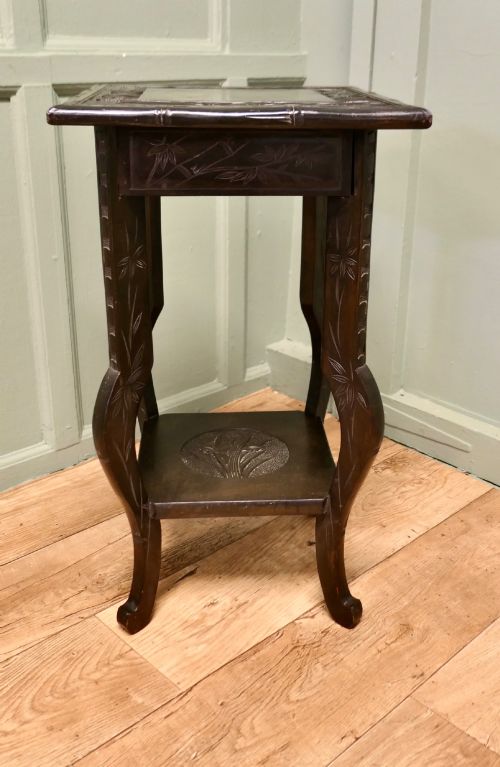
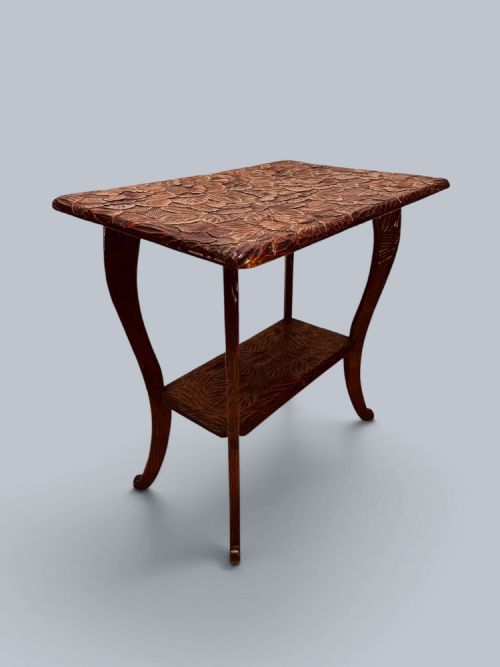
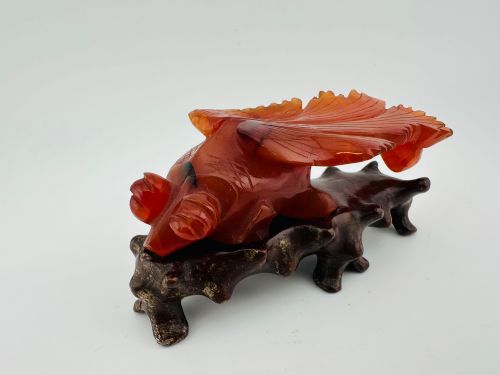
When you search for an antique hardwood stand, you encounter a variety of functional supports designed to elevate items such as vases, plants, and sculptures. These include low tables, plant stands, pedestal tables, and specific fitted supports made for jade carvings or bronze vessels.
The pieces originating from Chinese workshops predominate, often featuring marble inset tops or intricate carved details reflecting Qing Dynasty and Chinese Export styles. Alongside these, examples from Anglo-Indian, Japanese Meiji Period, and Victorian traditions appear.
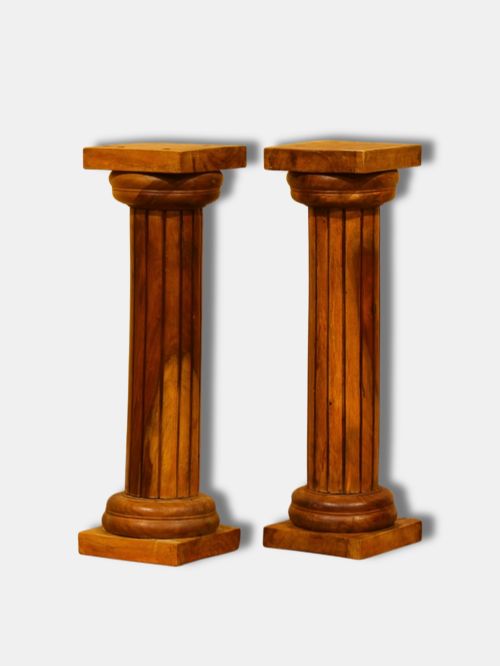
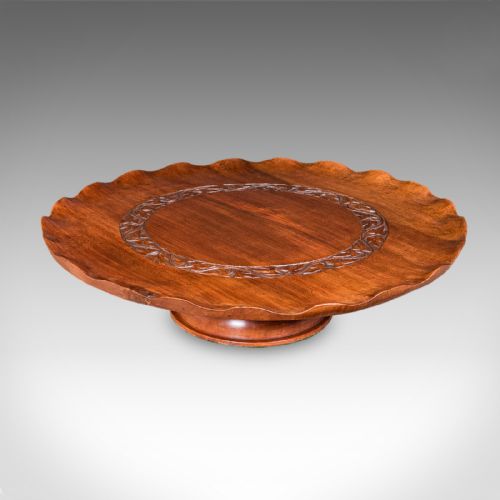
Formats range from square low tables and nesting sets to tall torchers and rotating display stands. Many serve as independent occasional tables or side pieces alongside their primary role as display mounts.
Craftsmanship and Proportion
The distinction between ordinary and superior pieces rests on the depth and crispness of the hand carving, particularly around aprons, legs, and floral or dragon motifs. Finer stands display balanced proportions where the weight of the timber matches the scale of the top, whether supporting a heavy marble inset or a delicate jade sculpture.
Integration of secondary materials also separates the grades. Finely made examples show precision in the fitting of marble inserts, flush placement of bone or mother-of-pearl inlay, and tight joints on nesting sets or adjustable standards.
Antique Hardwood Stand Retail Price Guide 2026
Typical asking prices for hardwood stand among the pieces listed under this phrase on Sellingantiques today, from the lower quarter to the upper quarter. They describe what is for sale here now, not the wider market.
Listings feature 19th-century and early 20th-century pieces, spanning Victorian, Meiji, and Qing Dynasty traditions.
The Antique Hardwood Stand Glossary
- Hardwood
- Timber derived from broad-leaved trees, providing the dense and heavy structural material used for these stands. Rosewood and padauk are common examples seen in this category.
- Jardiniere Stand
- A tall or low support specifically intended to hold a plant pot or floral container. These often feature inset marble tops to protect the wood from moisture.
- Shodana
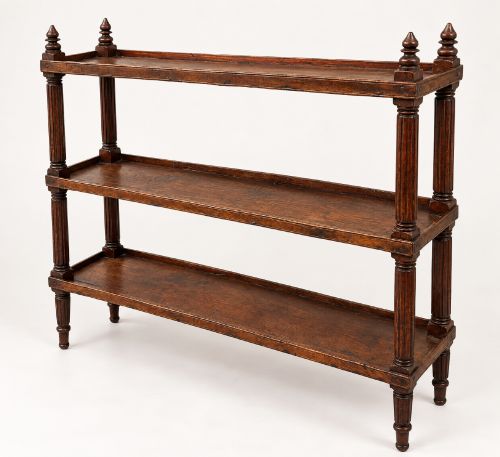
- A Japanese display cabinet with staggered shelves and compartments, originating in the Meiji Period. These demonstrate intricate joinery and decorative shelving.
- Torcher
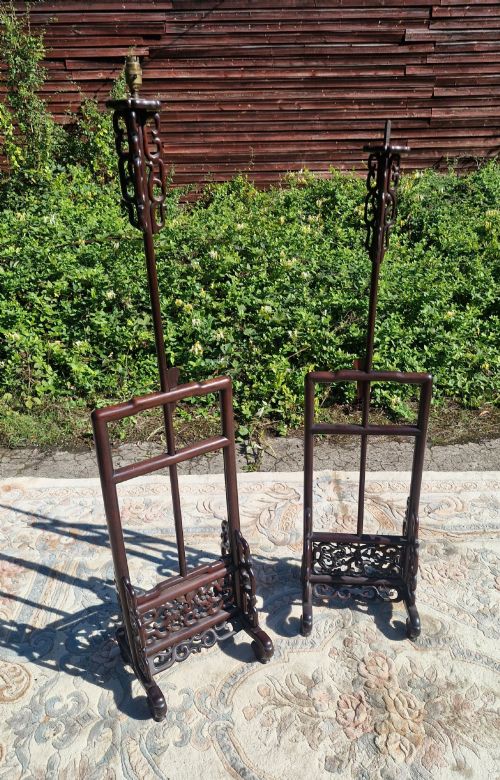
- A tall ornamental stand or pedestal designed to hold a light source or decorative object. Pairs of these often flank larger furniture arrangements in period interiors.
- Archaistic
- A design style that imitates ancient forms and motifs, often seen on bronze vessels paired with custom wooden stands.
Antique Hardwood Stand: Frequently Asked Questions
What is an antique hardwood stand used for?
These pieces serve primarily to elevate and display decorative objects, including porcelain planters, bronze censers, and carved jade sculptures.
Lower versions function as small side tables or plant supports, while pedestal formats raise items to eye level within a room.
How do I identify a Chinese export stand?
Chinese export pieces often combine dense rosewood or padauk with traditional motifs, deep relief carving, and fitted marble inserts designed for the Western market.
Look for structural conventions such as corner brackets, shaped aprons, and joinery typical of nineteenth-century workshops.
Are marble top stands durable?
The inset marble panels provide a cool, hard surface that resists moisture from plants and heavy decorative vessels placed upon them.
Care should be taken with the surrounding wooden frame, ensuring the marble sits securely within its rebate without lateral movement.
How do I clean an antique hardwood stand?
Dust regularly with a dry, soft cloth to prevent particulate buildup in the recessed areas of the carved ornament.
Avoid liquid polishes containing silicones, relying instead on traditional wax formulations appropriate for dense tropical timbers.