


Antique Hardwood Display Stand
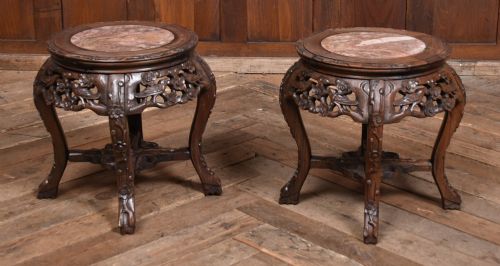
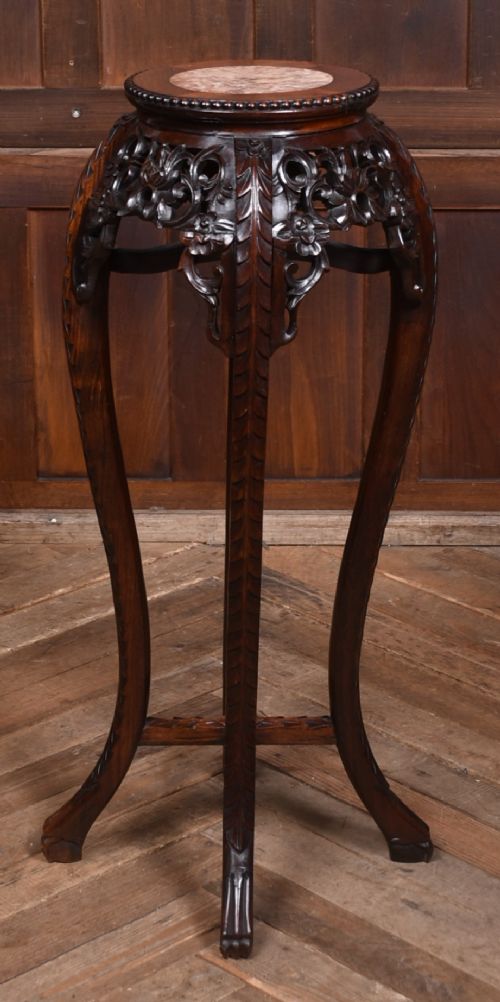
An antique hardwood display stand elevates a prized vessel or sculpture, bringing structure and presence to a room.
Antique Hardwood Display Stand
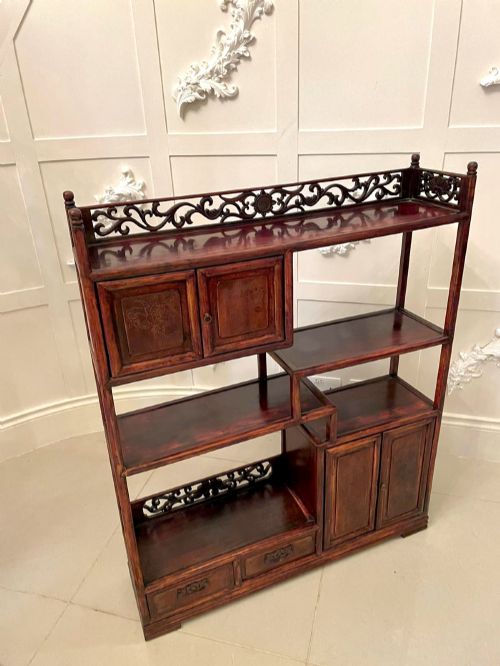
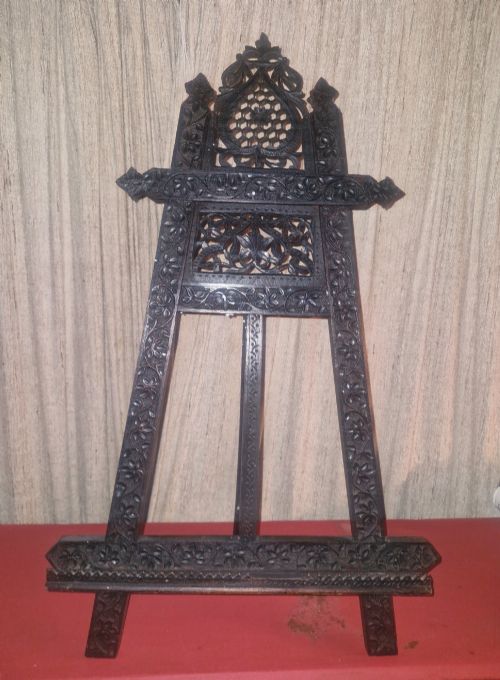
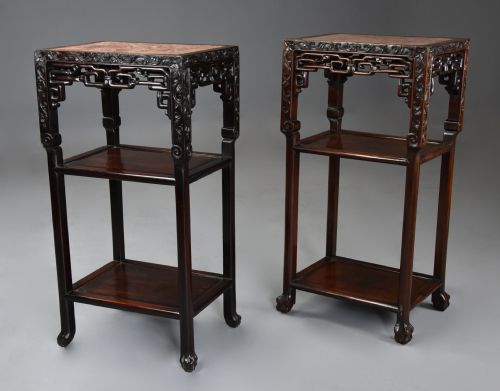
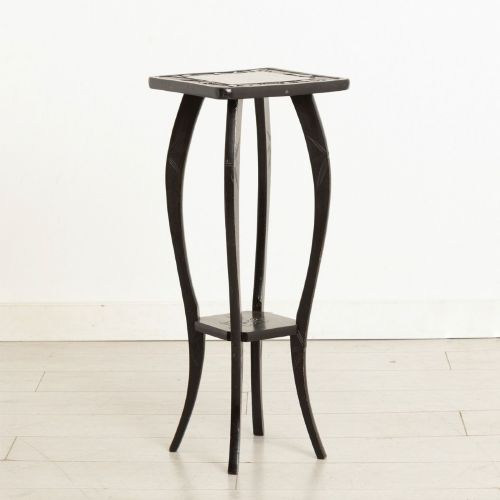
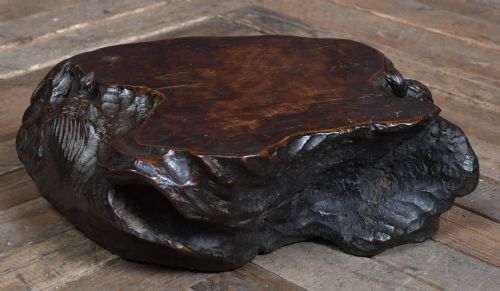
An antique hardwood display stand comprises diverse elevated supports designed to showcase decorative objects, plants, or art within interior spaces. These pieces span the nineteenth and early twentieth centuries, drawing primarily from Chinese Qing dynasty traditions, Japanese Meiji period craftsmanship, and Anglo-Indian workshops.
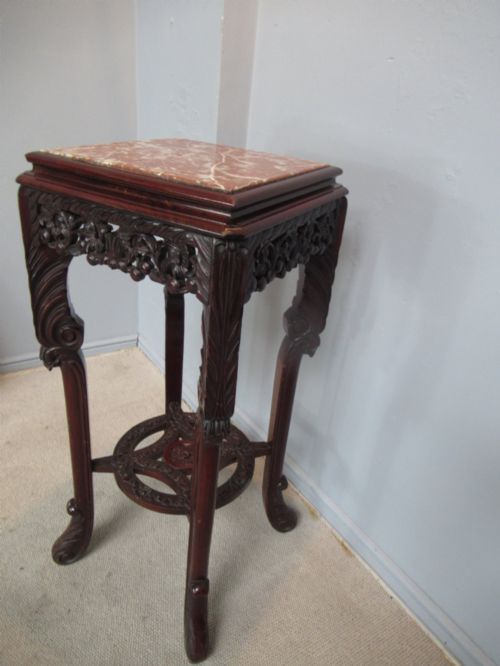
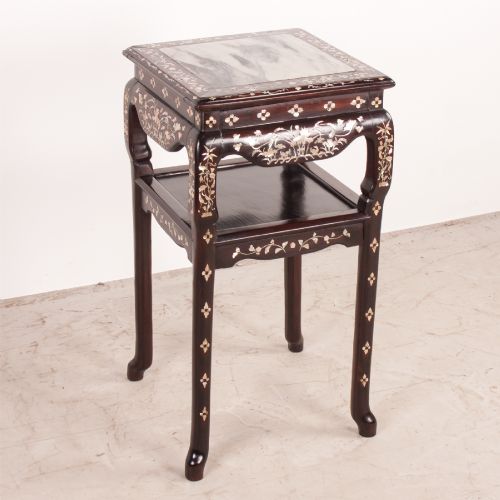
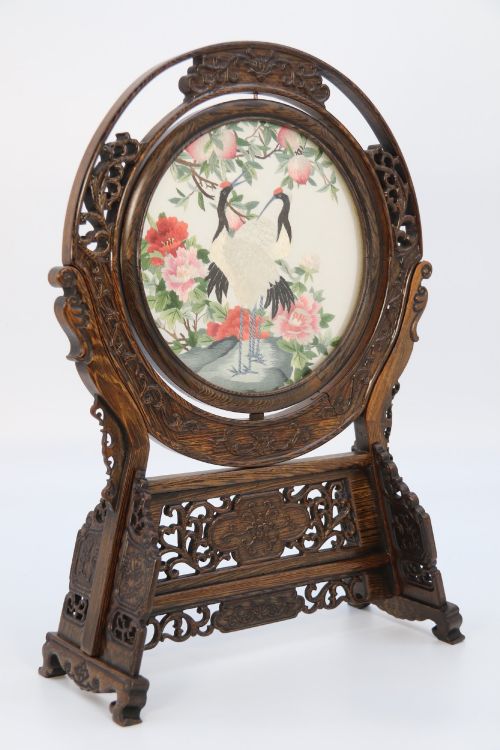
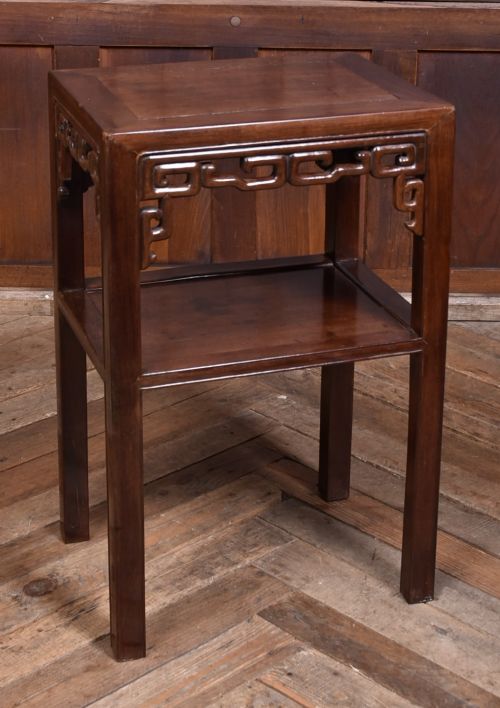
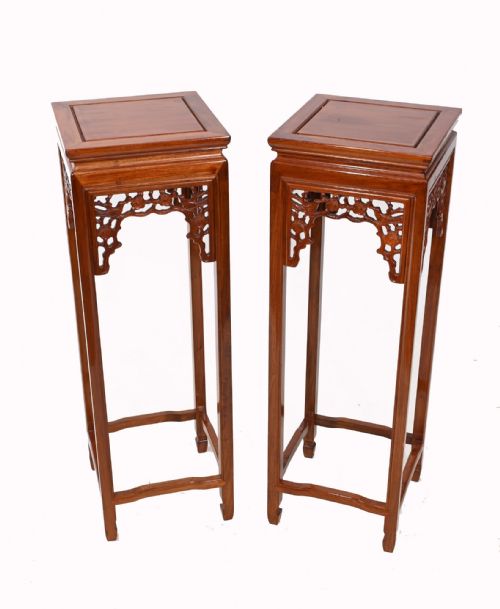
Plant stands, jardiniere stands, and vase pedestals dominate the selection, alongside occasional tables, low tables, and compact display cabinets. Makers constructed these items to hold specific items such as porcelain vessels, bronze vases, or table screens.
Victorian interpretations appear frequently, reflecting British enthusiasm for imported oriental aesthetics during the latter half of the nineteenth century. Buyers encounter both single pedestals and matched pairs intended to create balanced arrangements within period interiors.
Materials and Technique
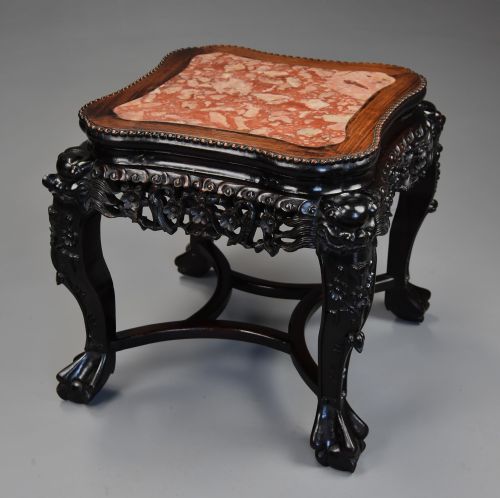
Joinery relies on dense timbers such as rosewood, padouk, and hongmu, chosen for their structural strength and capacity to take intricate chisel work. Artisans carved these heavy woods into complex pierced aprons, cabriole legs, and scrolling feet without relying on modern fasteners.
Many surfaces incorporate contrasting inserts, including smooth rouge marble slabs, mother-of-pearl inlay, brass wire, and painted lacquer panels. These materials create tactile variety against the dark, polished grain of the surrounding frame.
Listings feature items dated from the Victorian era alongside nineteenth-century Chinese export pieces and Meiji period Japanese furniture.
Craftsmanship and Proportion
Quality rests in the crispness of the hand-carving and the precise integration of inset panels like marble or porcelain. Superior examples maintain structural integrity across slender members while displaying deep, undercut relief rather than shallow surface scoring.
Proportion and stability separate standard utility pieces from exceptional commissions. Stands that balance heavy stone tops upon slender, well-joined legs demonstrate a surer command of material and design.
Liberty of London·Gabriel Viardot
The Antique Hardwood Display Stand Glossary
- Jardiniere stand
- A tall, stable table designed specifically to support heavy ceramic plant pots or jardiniere bowls. These pieces often feature water-resistant marble or tiled tops.
- Hongmu
- A dense, dark tropical hardwood utilised in traditional Chinese furniture making. The term translates literally as red wood.
- Shodana
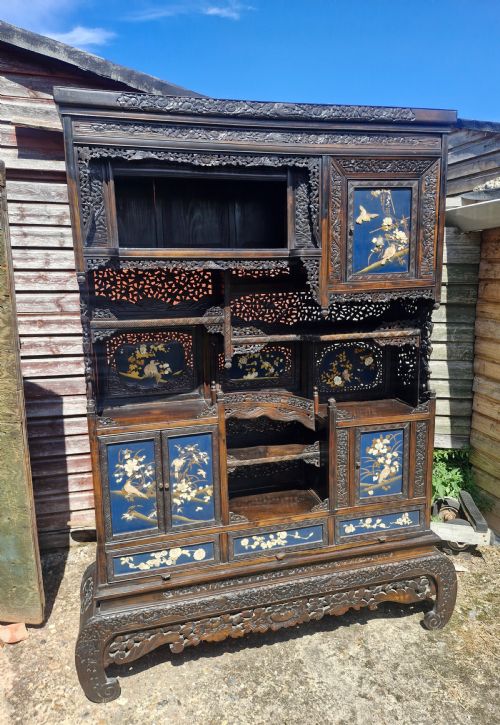
- A traditional Japanese multi-tiered display cabinet featuring staggered shelving and small cupboards. These items served to display scholarly objects and prized curios.
- Torchere
- A tall stand or pedestal originally intended to hold a candle or oil lamp. Later examples accommodated electric lamps or tall floral arrangements.
Antique Hardwood Display Stand: Frequently Asked Questions
What is an antique hardwood display stand used for?
These stands serve as elevated platforms for heavy decorative items, including ceramic vases, bronze sculptures, and potted plants. Their sturdy construction lifts focal pieces to eye level within a room.
Historically, scholars and collectors utilised smaller stands to display precious table screens, jade carvings, and scholar's rocks. Today, they function effectively as lamp tables or occasional surfaces in domestic interiors.
How do I care for a marble top stand?
Maintain the stone insert by wiping it with a damp cloth and drying it immediately to prevent water marks. Avoid acidic cleaning products that can etch polished marble surfaces.
Treat the surrounding hardwood frame with a quality wax periodically to nourish the timber. Protect the finish by avoiding placement near direct heat sources or strong sunlight.
Are these stands suitable for modern homes?
Their compact footprints and vertical proportions allow them to fit easily into tight corners, hallways, or beside seating. They provide practical surface area without overwhelming contemporary floor plans.
The rich dark woods and contrasting stone or mother-of-pearl details add textural warmth to minimalist or eclectic modern design schemes.
How can I distinguish Chinese export pieces from Japanese Meiji items?
Chinese pieces from the Qing dynasty frequently employ dense hardwoods like hongmu or rosewood with heavy, deep-relief floral carving and inset marble tops. The motifs often incorporate traditional auspicious symbols and formal scrolling foliage.
Japanese Meiji period examples, such as shodana cabinets or carved plant stands, often display naturalist imagery involving birds, bamboo, or prunus blossom. Their construction can also incorporate lacquer work and delicate pierced fretwork panels.