


Antique Harbor Scene
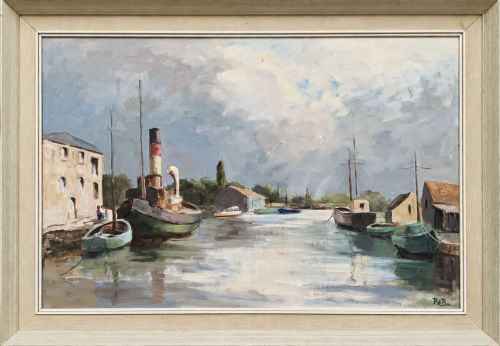
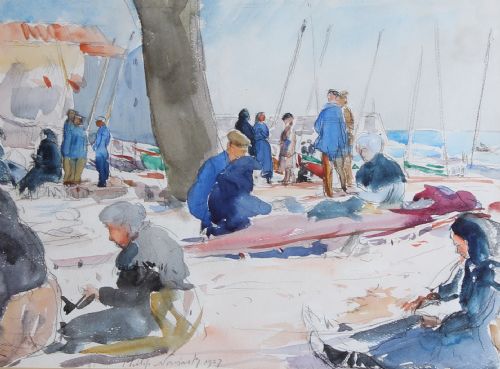
An antique harbour scene captures the maritime bustle of coastal life on canvas or paper.
Antique Harbor Scene
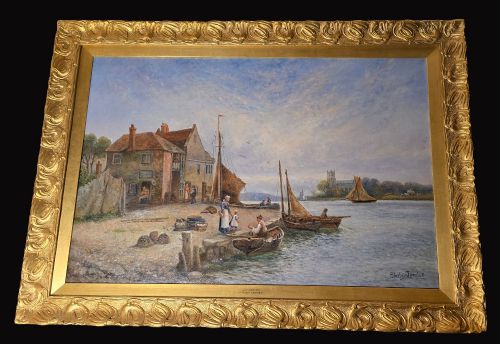
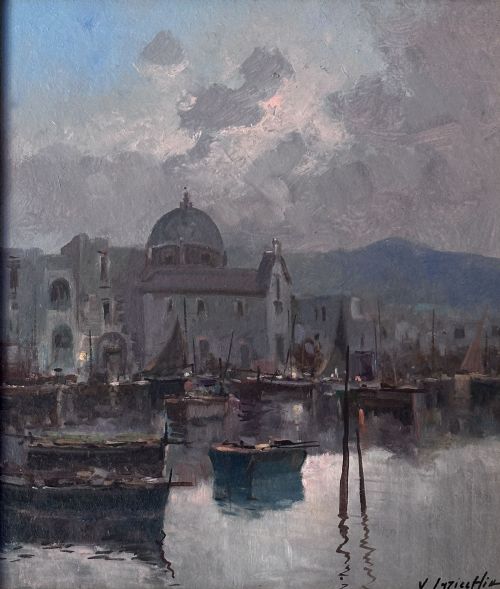
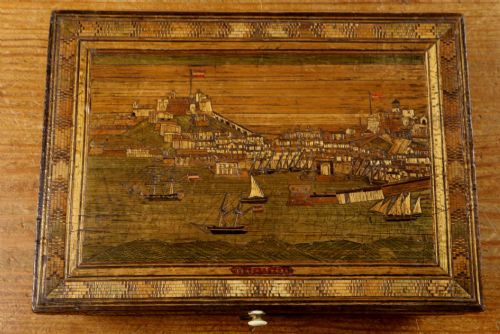
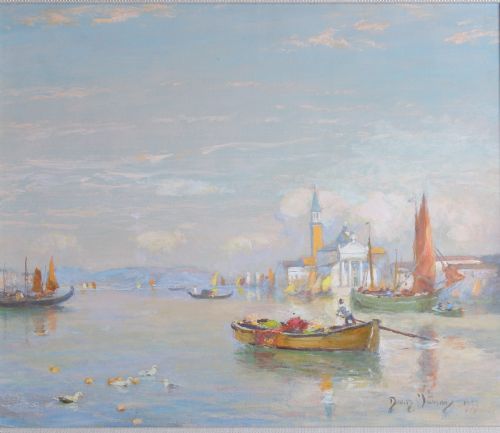
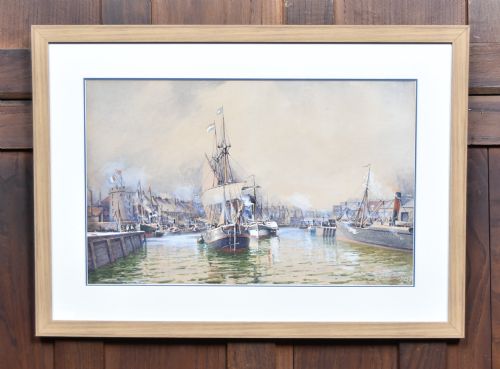
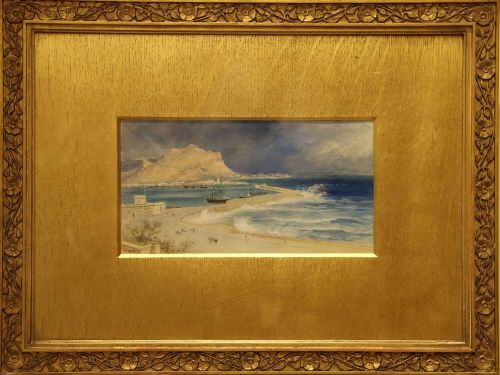
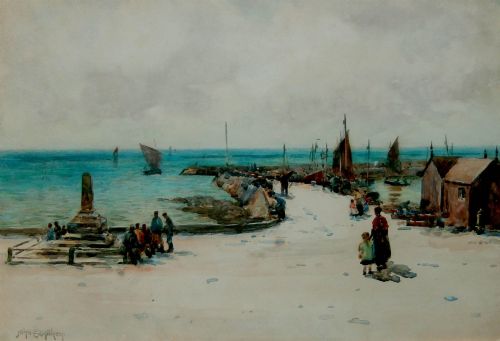
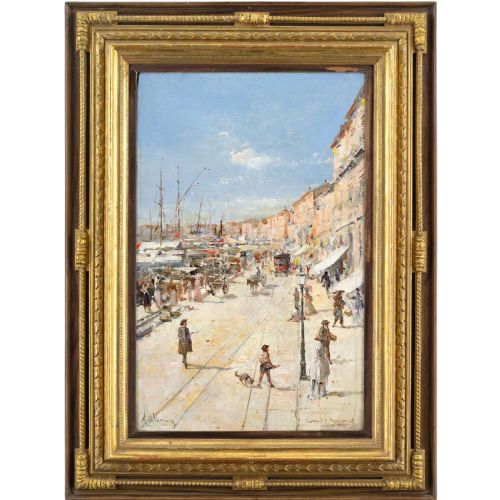
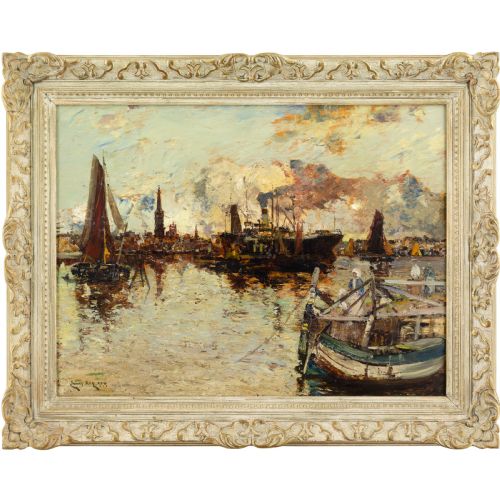
An antique harbour scene depicts coastal towns, fishing docks, and maritime shipping vessels from the nineteenth and early twentieth centuries. These works record specific ports across Britain, Europe, and the Mediterranean, ranging from busy fishing villages in Cornwall and Yorkshire to Venetian lagoons.
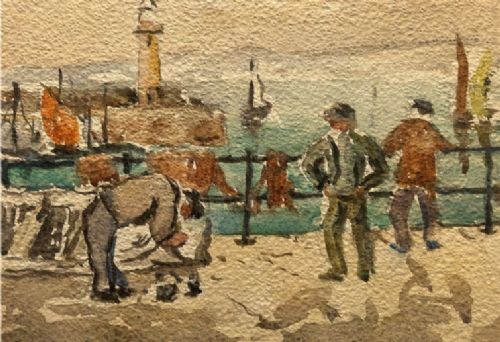
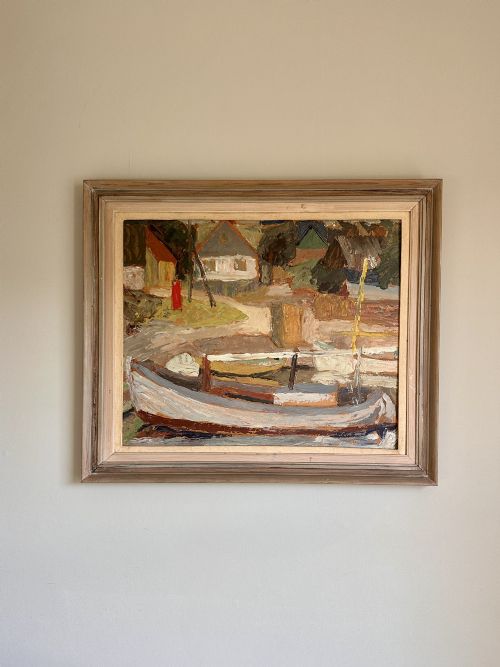
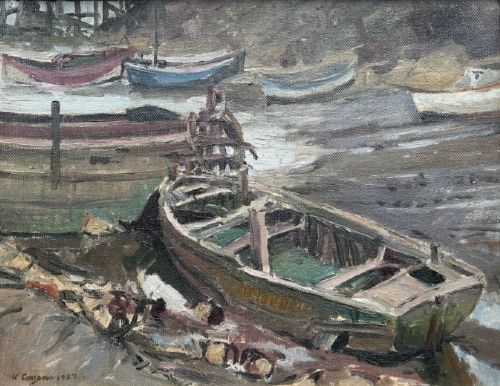
Buyers commonly encounter two distinct mediums within these listings: oil paintings on canvas or panel, and works executed in watercolour on paper. Most surviving examples date from the Victorian period through to the 1930s, reflecting various movements such as British Impressionism and Victorian marine art.
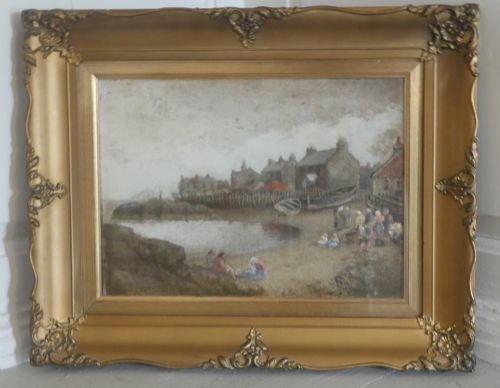
The compositions frequently document working ports, trading vessels, and local figures engaged in daily coastal labour. Regional identifiers often appear in the titles, pointing directly to specific harbours like St Ives, Whitby, or the Port of Leith.
Materials and construction
Artists painted these scenes using oil paint or watercolour applied to canvas, wood panels, or paper supports. Oil works on canvas often incorporate gilt frames and layers of oil pigment to render water and atmospheric skies.
Watercolour paintings utilise pigments suspended in water, typically framed under glass alongside paper mounts to protect the delicate medium. Wood and gold leaf appear frequently in the construction of the period frames housing these artworks.
Antique Harbor Scene Retail Price Guide 2026
Typical asking prices for harbor scene among the pieces listed under this phrase on Sellingantiques today, from the lower quarter to the upper quarter. They describe what is for sale here now, not the wider market.
Sailors occasionally watched painters sketching harbour views from barrels on crowded quaysides.
Factors that define quality
Quality rests upon the artist's ability to handle light, water reflection, and maritime atmosphere convincingly within the composition. Stronger works demonstrate confident brushwork and accurate perspective in rendering ships, architecture, and tidal movement.
The condition of the pigment and the originality of the mounting or framing influence the piece's integrity. Works that retain their signed attribution and period framing offer a more complete historical record.
Sir David Murray RA·James E. Aitken·John E. Aitken·William Banks Fortescue·James Kay RSW·Augusto Alberici·Hector Caffieri·Thomas Creswick·Charles Euphraisie Kuasseg·Alfred G. Morgan·George F Pennington·Paul Delvaux·William Edward Webb·Richard Harry Carter·William Lee Hankey·George Turland Goosey·Fred Lawson·James Kyd·Arthur Tucker·Adrian Van Porten·Claude Lorrain·William Tuck·T.S. Wallis·Pauwels·James Webb
The Antique Harbor Scene Glossary
- Watercolour
- A painting method where fine pigment is mixed with water-soluble binders and applied to paper. It allows for translucent washes that suit coastal skies and shifting seas.
- Oil on canvas
- Pigment suspended in drying oil applied to a woven fabric stretched across a wooden frame. This medium provides rich textures and deep tones for marine paintings.
- Seascape
- A work of art depicting the sea, coastal views, or maritime activities. These subjects formed a major genre in nineteenth-century fine art.
- Impressionism
- An art movement focusing on light, loose brushstrokes, and everyday subjects. British and European painters applied these principles to harbour and fishing village views.
- Gilt frame
- A wooden picture surround coated in gold leaf or gold paint. Many period paintings retain these original decorative borders.
Antique Harbor Scene: Frequently Asked Questions
What periods do these harbour scenes date from?
The works span from the early nineteenth century through to the 1930s, encompassing Victorian and Edwardian periods. Many pieces reflect late nineteenth-century marine painting traditions and early twentieth-century impressionist movements.
Dates often appear alongside the artist's signature or within historical cataloguing provided by dealers. These timestamps help place the depiction within a specific era of maritime commerce and coastal expansion.
How were these maritime artworks displayed originally?
Paintings on canvas were traditionally housed in heavy wood and gold leaf frames designed to complement the domestic interiors of the period. Watercolour works on paper required glass protection to shield the pigments from moisture and light.
Many surviving pieces retain their original or period-appropriate frames, which provide clues regarding how earlier owners chose to exhibit them in homes or offices.
How do I identify a watercolor from an oil painting?
Watercolours are executed on paper supports, usually displayed beneath glass with a card mount surrounding the image. They exhibit a translucent quality where the texture of the paper remains visible beneath thin washes of pigment.
Oil paintings utilise heavier pigments applied to canvas or wood panels, possessing a tactile surface texture with visible brushstrokes. These works do not require glass protection and are typically framed directly against the painted edge.
Where do these coastal scenes typically depict?
The compositions record locations across British, European, and Mediterranean waterways, including fishing ports in Yorkshire, Cornwall, and Scotland. Venice, Dutch ports, and French coastal towns also appear frequently in the selections.
Artists travelled to working harbours to sketch local shipping, fishing luggers, and tidal routines, ensuring each piece records a genuine historical port.