
Antique Hanging Frame
An antique hanging frame brings depth to a room through centuries of skilled craftsmanship.
Antique Hanging Frame
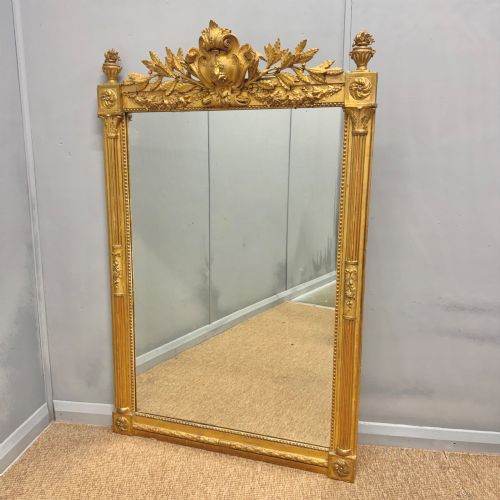
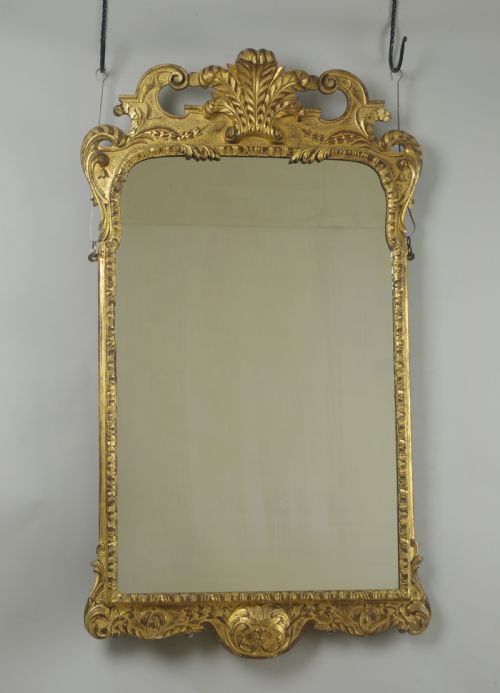
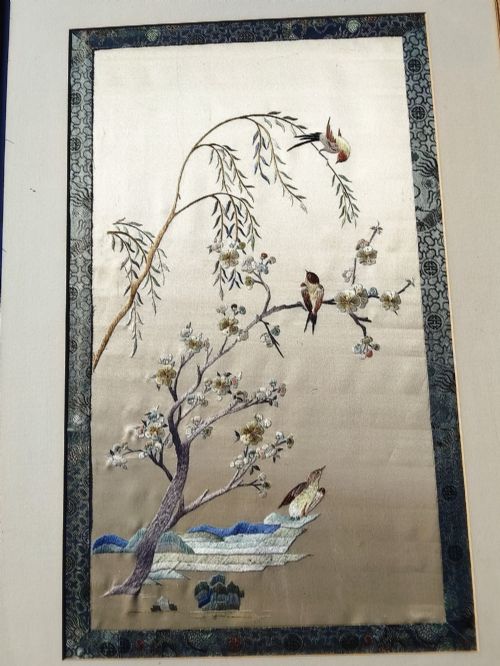
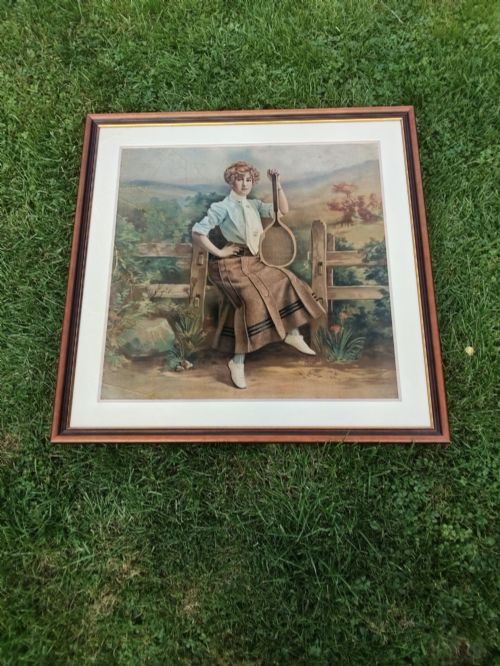
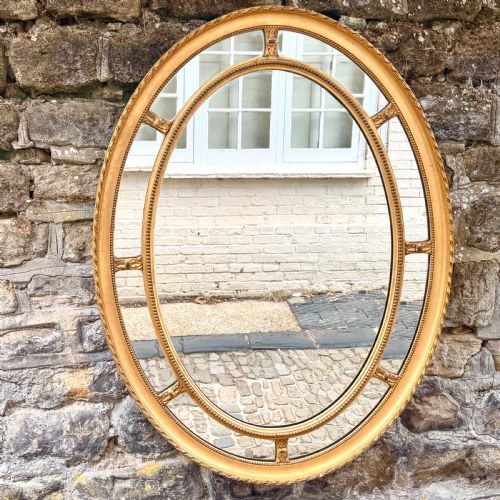
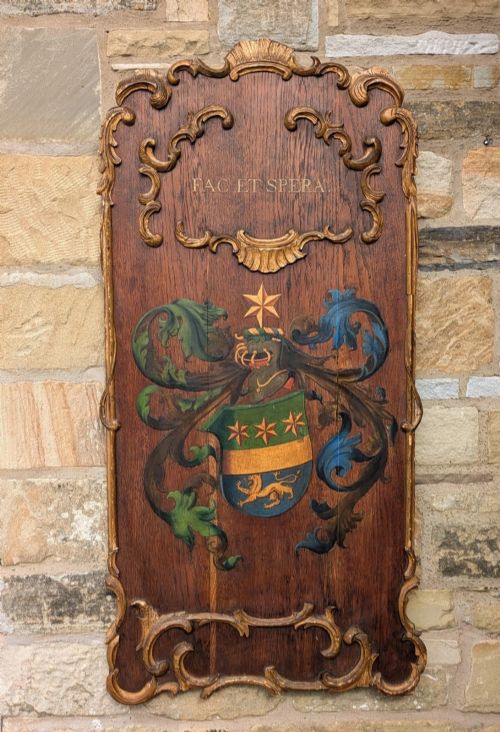
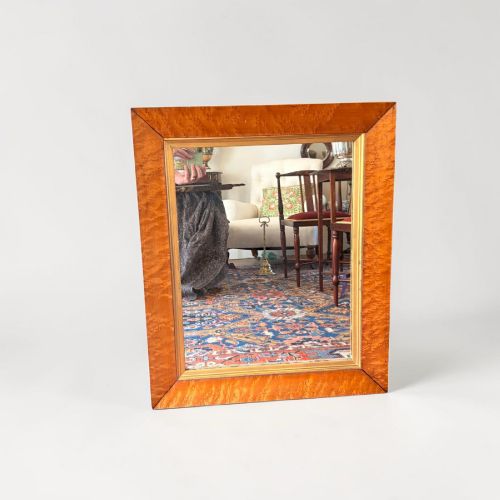
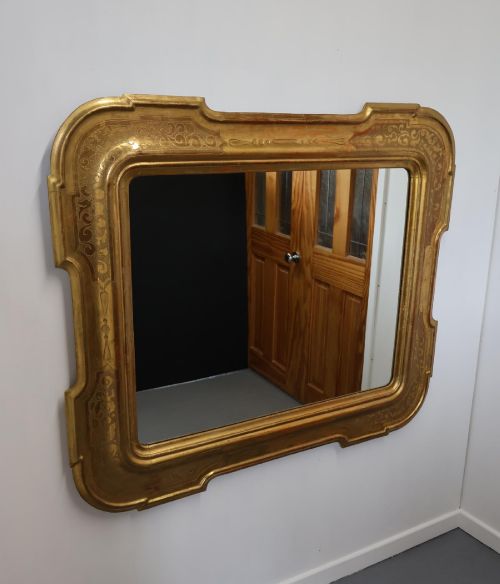
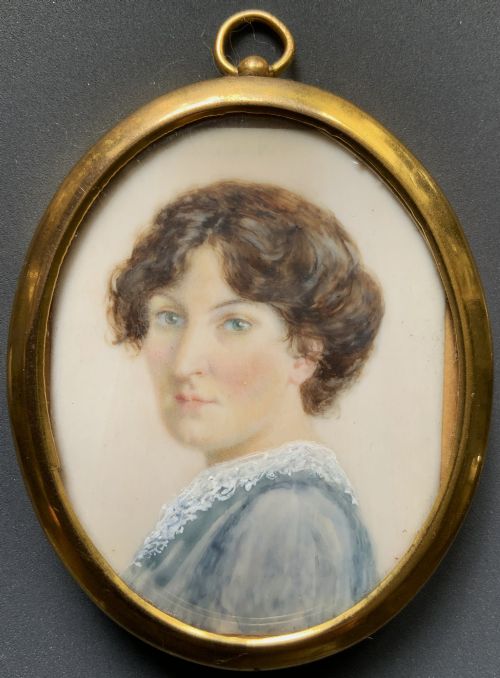
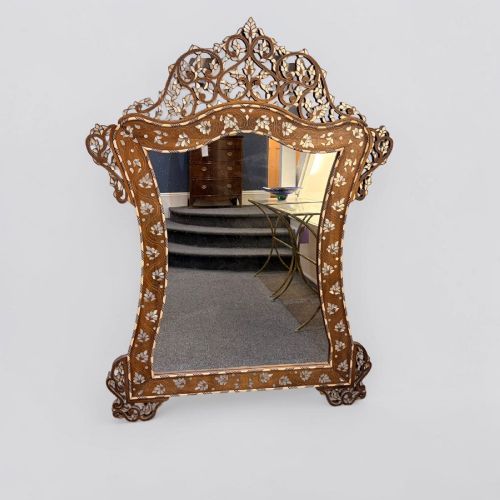
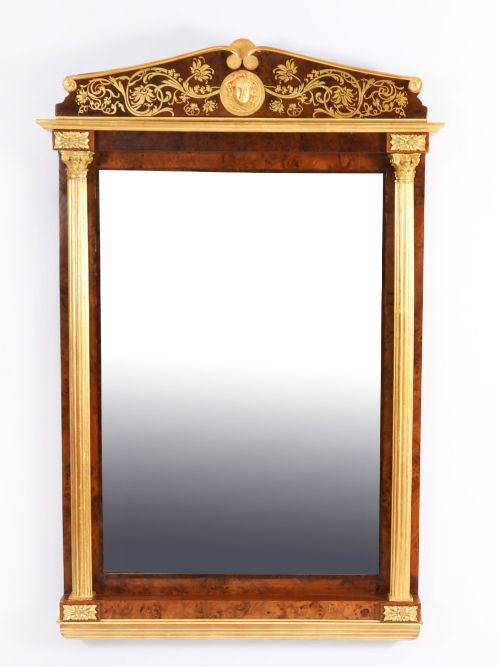
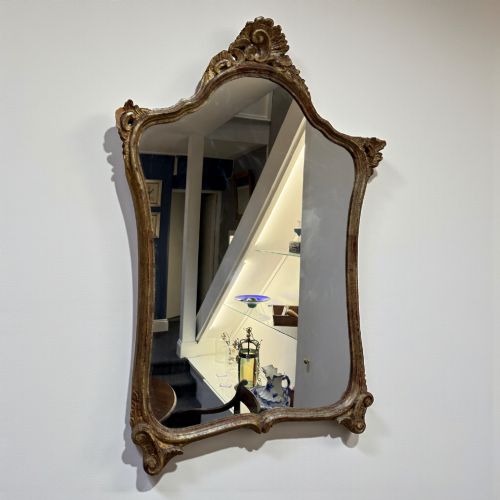
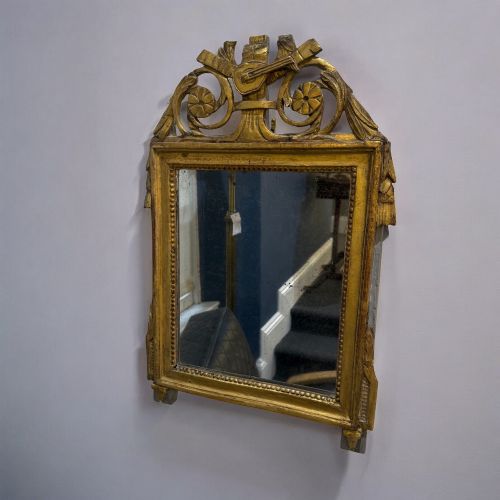
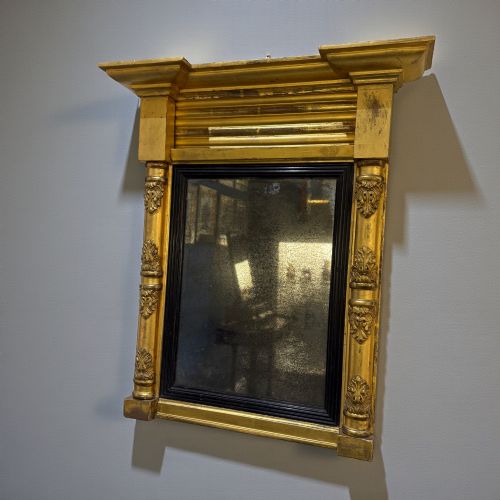
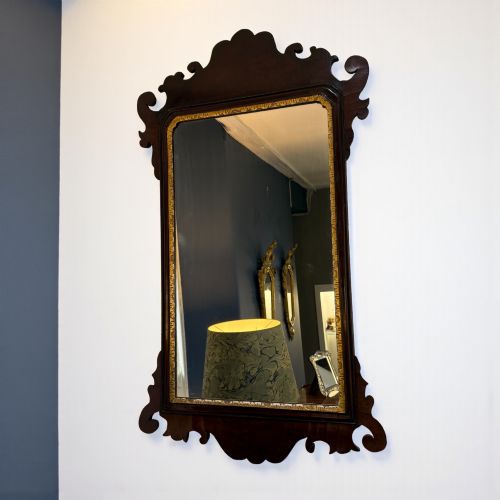
When you search for an antique hanging frame, you find wall-mounted mirrors, textiles, and decorative panels spanning from the eighteenth century to the early twentieth century. The selections available encompass giltwood wall mirrors, carved timber frames, and embroidered panels designed to hang securely against domestic walls.
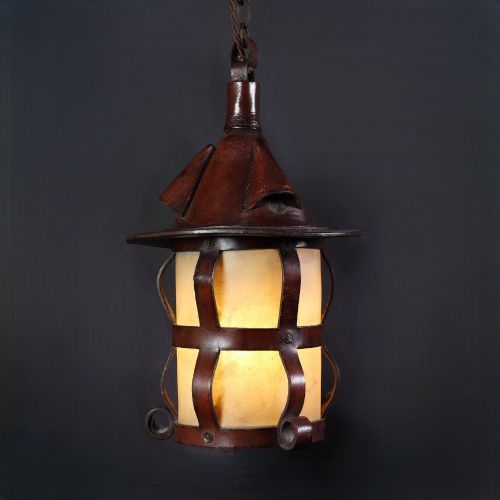
Victorian and Georgian pieces dominate the current selection, showing various regional adaptations of Rococo, Chinoiserie, and classical styles. These pieces range from substantial overmantle mirrors to smaller needlework tapestries and glazed lanterns hung from ceilings or brackets.
How they were made
Carpenters and artisans shaped these pieces using traditional timber woods such as oak, walnut, and mahogany, often applying gesso to create intricate relief ornament before gilding. Many frames rely on carved timber or cast bronze, finished with hand-applied gold leaf or paint.
Glazing techniques involve bevelled glass plates and leaded glass panes held within brass or metal structures. Textiles and needlework rely on wool and silk threads stitched onto backing panels, secured inside rosewood or parcel-gilt surrounds.
Materials across these listings include glass, giltwood, gesso, brass, oak, wool, and metal.
What varies in quality
The standard of carving and gilding sets the upper tier apart from simpler utilitarian pieces. Crisp, deep relief work in wood or gesso shows the hand of a skilled artisan, whereas lower-tier examples feature shallow moulding or painted substitutes.
Original antique glass plates and silvering exhibit distinct patination that modern replacements lack. The integrity of joint construction in wooden frames and the weight of cast brass components determine structural longevity.
Waring & Gillow
The Antique Hanging Frame Glossary
- Gesso
- A plaster-like mixture applied to wood surfaces as a base for carving and gilding. It allows artisans to shape delicate scrolls and floral motifs before applying gold leaf.
- Giltwood
- Timber that has been coated in gold leaf or gold paint. It reflects interior light and was favoured in Georgian and Victorian reception rooms.
- Bevelled
- Glass with an edge that has been cut and polished to an angle thinner than the rest of the plate. This creates a prismatic light effect around the perimeter.
- Parcel-gilt
- Woodwork or metalwork that is only partially gilded, leaving areas of natural wood or paint exposed. This technique highlights specific carved details.
Antique Hanging Frame: Frequently Asked Questions
How do I hang a heavy antique frame?
Heavy carved timber and giltwood frames require secure wall fixings distributed into wall studs or solid masonry.
Using rated picture wire connected to robust screw-eyes ensures the weight distributes evenly across the hanging point.
Are these frames suitable for modern interiors?
These pieces complement contemporary rooms by adding textural contrast through aged wood, metal, and gilded surfaces.
Placement above mantelpieces or along plain walls allows the historical craftsmanship to serve as a focal point.
How can I tell a Victorian frame from a Georgian one?
Georgian frames typically exhibit restrained classical proportions, precise mahogany or walnut joinery, and controlled carved ornamentation.
Victorian pieces often display heavier gesso relief, exuberant Rococo revival scrolls, or faux bamboo and plushwork details.