





Antique Hand Shaped Dish
An antique hand shaped dish brings sculptural form to the table, taking shapes like leaves, shells, and fans to delight the eye.
Antique Hand Shaped Dish
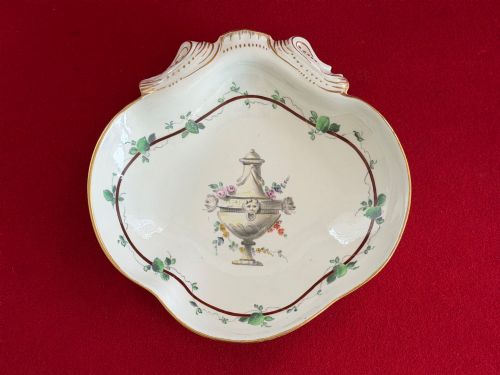
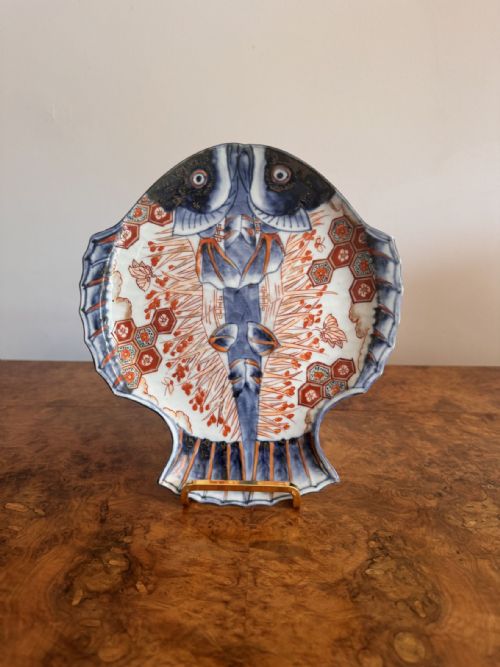
An antique hand shaped dish encompasses domestic and decorative ceramics modelled on natural or stylised forms such as leaves, shells, fish, and fans. Buyers seeking this phrase encounter pieces spanning the eighteenth to the early twentieth centuries, with Japanese Imari examples from nineteen hundred forming a prominent group.
The selection ranges from Georgian dessert services and Victorian basketweave plates to Chinese Canton porcelain and French faience vide-poche dishes. Forms frequently adopt organic contours, including scalloped edges, boat shapes, and heart motifs, designed for presentation or display.
Makers across England, Europe, and Asia utilised porcelain, soft-paste porcelain, ceramic, and toleware to create these functional yet ornamental pieces. The overarching category prioritises sculptural moulding over standard circular plates, offering collectors a diverse array of moulded profiles.
Materials and methods of construction
Potters constructed these dishes using ceramic bodies such as hard-paste porcelain, soft-paste porcelain, ironstone, and earthenware, shaped by hand or pressed into moulds to achieve organic silhouettes like leaves and shells. Artisans then applied underglaze and overglaze colours, occasionally incorporating gold leaf, gilt, and enamel highlights to accentuate the moulded contours.
Specialised techniques included hand painting by artists in studios or factories, evidenced by signed works and intricate polychrome designs such as Japanese Imari patterns. Toleware variations relied on painted metalwork, while European faience utilised tin glazes on earthenware bodies to create traditional blue and white decoration.
Antique Hand Shaped Dish Retail Price Guide 2026
Typical asking prices for hand shaped dish among the pieces listed under this phrase on Sellingantiques today, from the lower quarter to the upper quarter. They describe what is for sale here now, not the wider market.
The inventory records diverse forms modelled on nature, including leaves, fish, shells, fans, and boat shapes.
Distinctions in quality
Quality rests in the crispness of the moulding and the dexterity of the hand-painted decoration, where sharper relief and precise brushwork elevate a piece above standard production. The nuance in gilding application, such as the use of gold leaf versus flat paint, indicates the ambition of the maker and workshop.
Provenance and artistic attribution further separate standard wares from exceptional examples, particularly when pieces carry factory marks or signatures from notable painters. The complexity of the chosen form, from simple scalloped edges to intricate fish and fan shapes, dictates the technical skill required during firing.
James Giles·Minton·Royal Worcester·Dorotheenthal Germany·Mason·Wedgwood·William Padley
The Antique Hand Shaped Dish Glossary
- Imari
- A style of Japanese porcelain featuring cobalt blue, iron red, and gilt decoration. It gained immense popularity in Europe and inspired numerous Western imitations.
- Vide-poche
- A small receptacle intended for emptying pockets of small items upon entering a room. French faience examples often featured fretted or pierced rims.
- Ironstone
- A durable type of earthenware patented in the nineteenth century. It offered a robust alternative to porcelain for everyday domestic service.
- Toleware
- Painted or enamelled metalware popular from the eighteenth through the nineteenth centuries. It provided a versatile base for decorative bowls and dishes.
- Soft-paste porcelain
- A ceramic material composed of clay and glass frit fired at lower temperatures than true porcelain. It produces a warm glaze texture favoured by early English factories.
Antique Hand Shaped Dish: Frequently Asked Questions
What were hand shaped dishes used for?
These dishes served multiple domestic purposes, functioning primarily as dessert plates, pickle dishes, or decorative receptacles for small items. Their sculptural forms allowed them to double as ornamental centrepieces on dining tables and sideboards.
In polite dining, specialised shapes held specific courses or condiments. Over time, many transitioned purely into decorative display pieces within the home.
How do I identify Japanese Imari pieces?
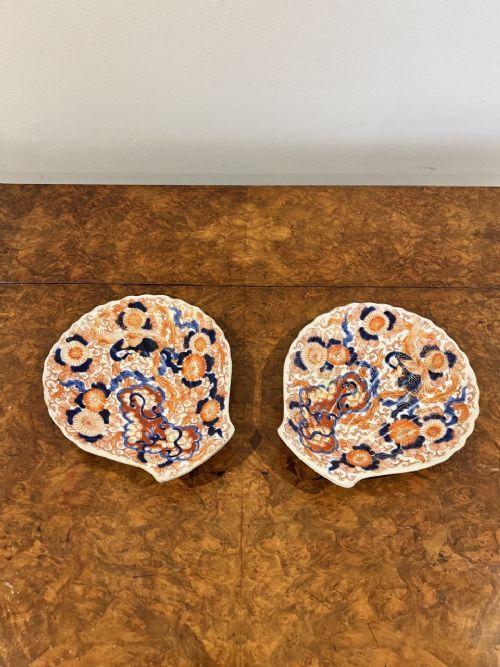
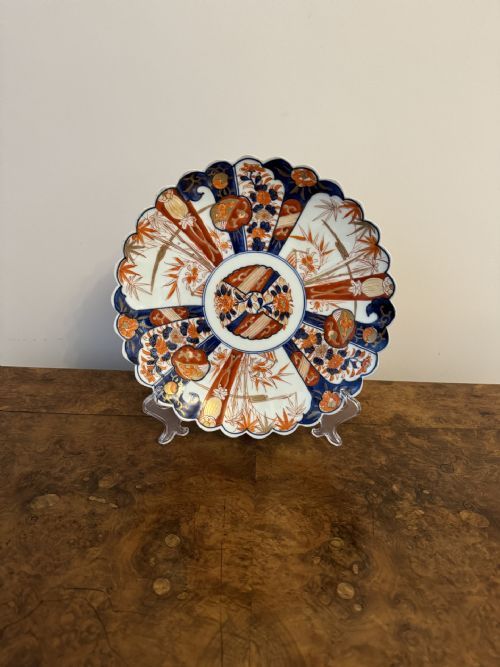
Japanese Imari items are typically recognised by their distinct palette of deep cobalt blue, rusty iron red, and supplementary gilding. The designs often incorporate floral, botanical, or brocade motifs arranged symmetrically across the surface.
Pieces from the nineteenth century and around nineteen hundred frequently adopt moulded contours like shells, leaves, and scalloped edges while retaining this signature colour scheme.
How can I tell the period of a dish?
Dating relies on examining the ceramic body, glaze characteristics, and the style of decoration applied by the maker. Factory marks, artist signatures, and recorded patterns provide concrete clues to a piece's era of origin.
Comparing the moulding technique with known historical periods, such as Georgian, Victorian, or Edwardian production methods, helps narrow down the timeframe of manufacture.