


Antique Hand Embroidery
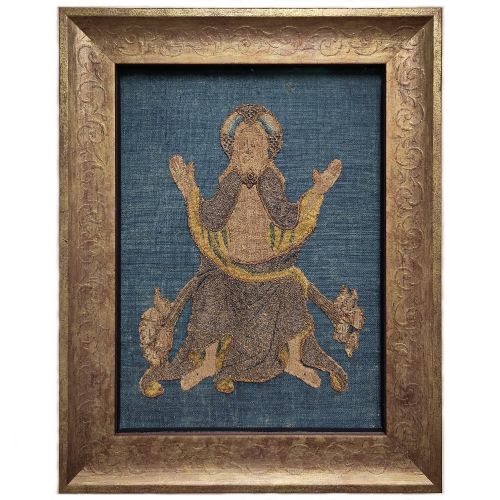
Antique hand embroidery brings together centuries of textile artistry, spanning intricate Central Asian suzanis, English needlework pictures, and ceremonial garments.
Antique Hand Embroidery
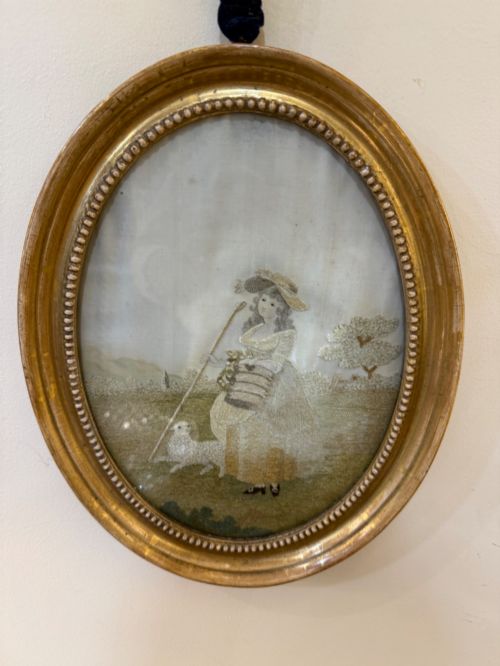
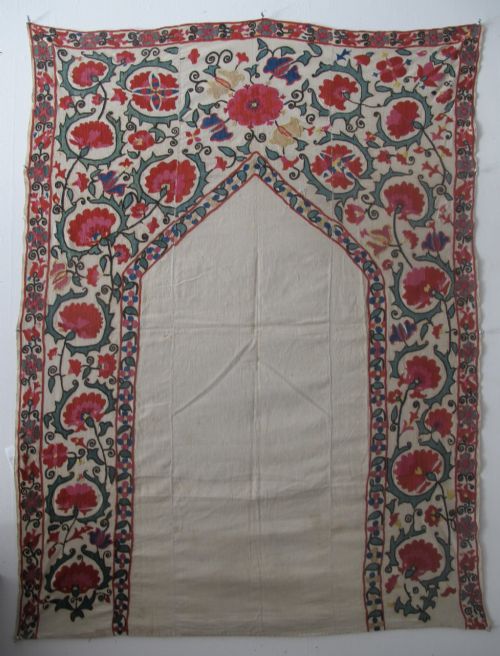
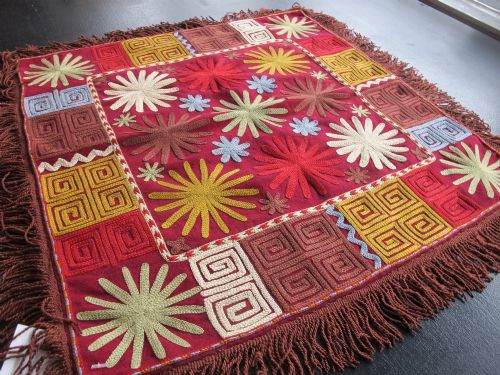
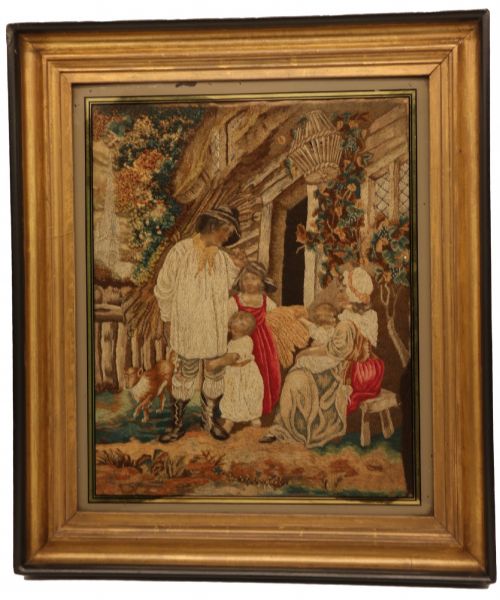
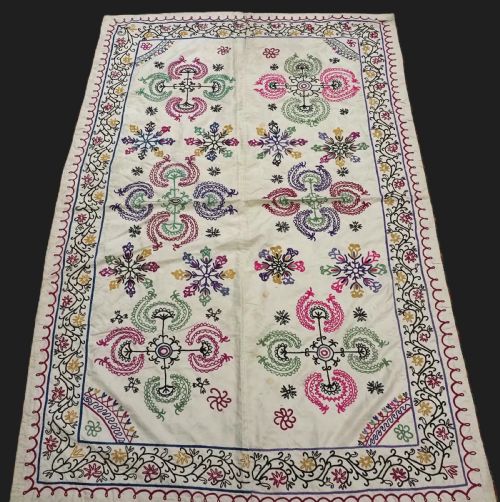
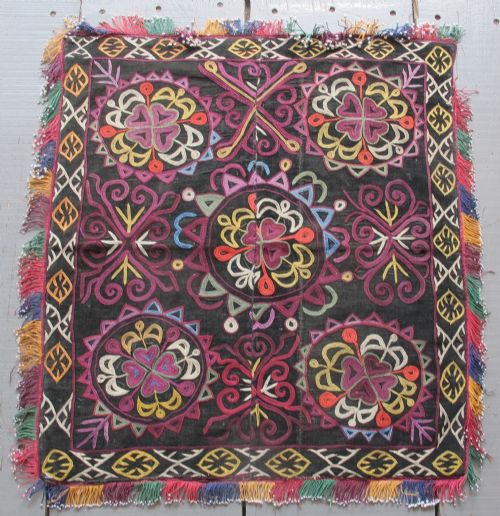
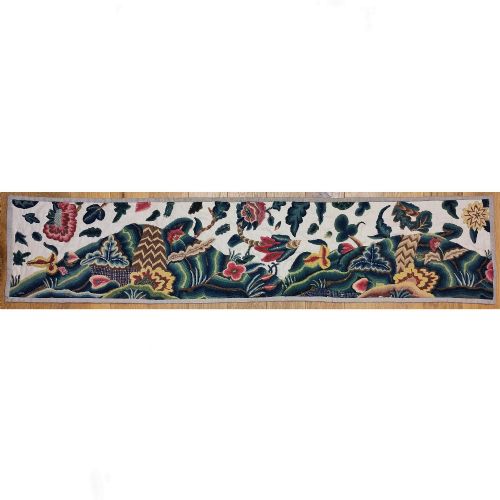
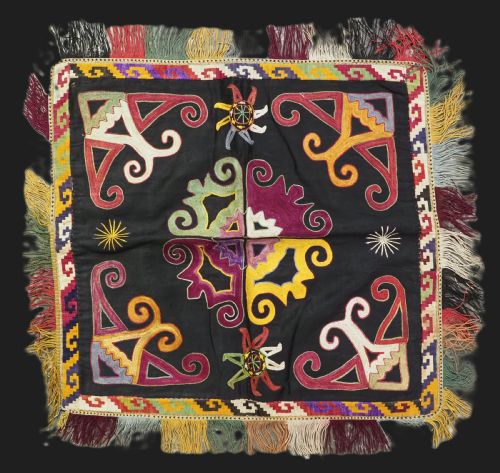
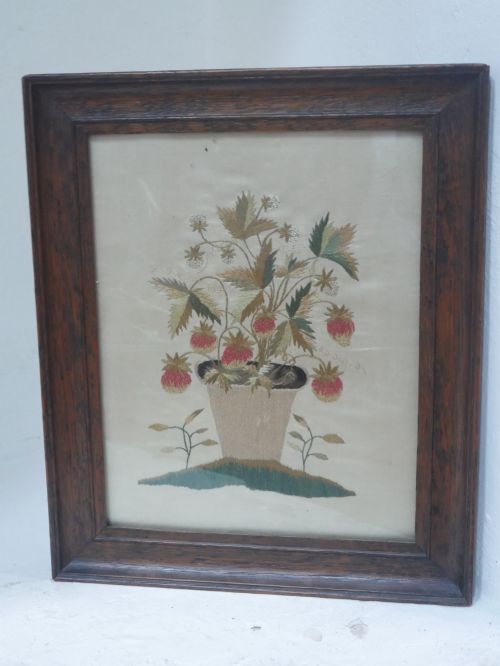
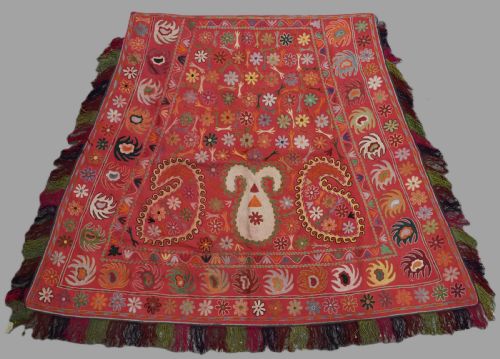
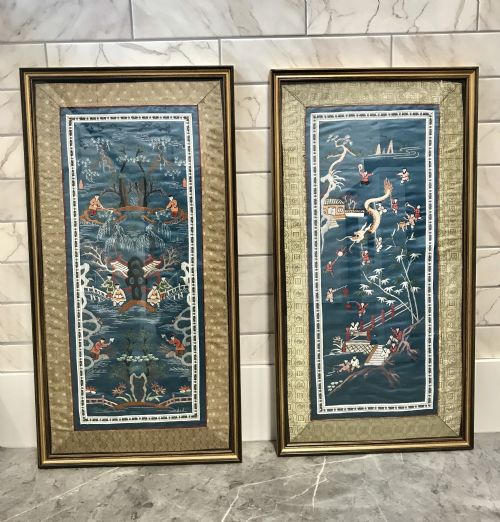
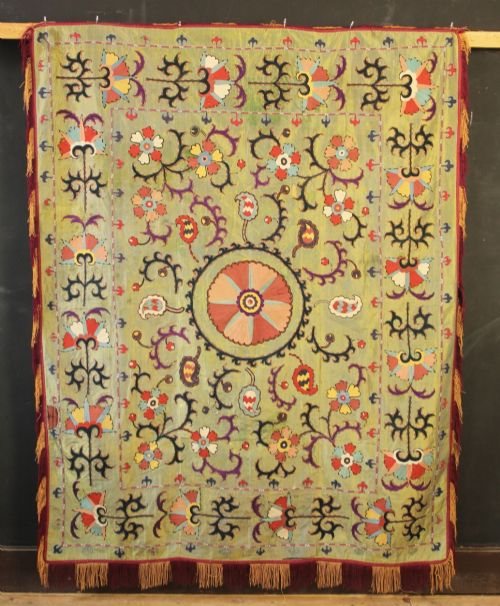
These works range from large medallion variant suzanis intended for domestic interiors to smaller dowry embroideries and yurt wall hangings. Pieces vary from functional household items like hand towel end panels and bed covers to decorative needlework pictures framed under glass.
The regional origins extend from Uzbekistan and Kyrgyzstan to Kashmir, Greece, and Italy, reflecting distinct cultural aesthetics. Buyers find both monumental wall textiles and intimate domestic items created across the eighteenth, nineteenth, and early twentieth centuries.
Materials and construction techniques
The foundation grounds rely heavily on natural textiles including woven silk, cotton, linen, wool, and felt. Artisans embroidered upon these surfaces using dyed silk threads, metallic threads, and wool.
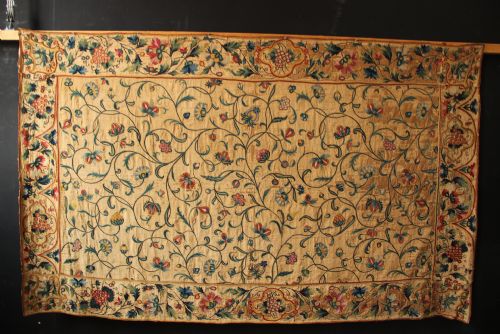
Execution involves specialised needlework techniques such as chain stitching, crewelwork, and detailed silk-on-silk stitching. Certain regional pieces incorporate applied fringe, hand-painted elements, or supportive wooden framing and glass protection.
Antique Hand Embroidery Retail Price Guide 2026
Typical asking prices for hand embroidery among the pieces listed under this phrase on Sellingantiques today, from the lower quarter to the upper quarter. They describe what is for sale here now, not the wider market.
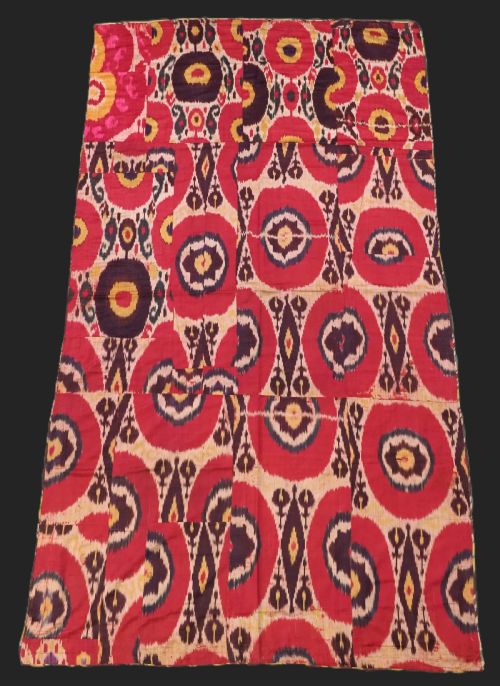
Several textiles on this page started life as ceremonial horse wear before finding new retirement as sophisticated wall art.
Markers of distinction and finesse
Quality in these textiles rests upon the density and precision of the stitchwork executed across the ground fabric. Finer examples display meticulous control of silk threads, achieving intricate pictorial depth and structural harmony within traditional motifs.
The integrity of the original foundation material, whether cotton, linen, or adras silk, contributes significantly to the standing of a piece. Well-preserved dyes, complex architectural or medallion layouts, and the clarity of regional tribal designs separate standard domestic items from exceptional works.
The Antique Hand Embroidery Glossary
- Suzani
- A large embroidered wall hanging or domestic textile originating from Central Asia, typically worked in vibrant silk threads on a cotton or linen ground.
- Lakai
- Associated with nomadic Uzbek tribes known for bold, geometric embroidered horse covers, saddle rugs, and small dowry panels.
- Crewelwork
- A traditional form of embroidery utilising wool yarn on a heavy linen or cotton twill foundation to create complex floral or pastoral scenes.
- Sampler
- A piece of needlework produced to demonstrate a maker's proficiency in various stitches, alphabets, and decorative motifs.
Antique Hand Embroidery: Frequently Asked Questions
How were suzanis used?
Central Asian suzanis served primarily as ceremonial wall hangings, bed covers, and domestic furnishings within traditional homes and nomadic dwellings. They were frequently commissioned as part of a bride's dowry to display family status and prosperity.
Over time, these textiles became central decorative elements in domestic interiors, providing warmth and vibrant colour to living spaces while reflecting specific regional textile traditions.
What is a Lakai horse cover?
Lakai horse covers are ceremonial trappings created by the Lakai tribe in Uzbekistan for special occasions, weddings, and tribal celebrations. They feature distinctive geometric embroidery applied to heavy wool or cotton grounds.
These pieces functioned as ornate adornments for horses during important processions, showcasing the dynamic textile artistry and colour combinations characteristic of the region.
How do I care for antique embroidery?
Protect antique textiles by avoiding direct sunlight, which causes natural silk and cotton threads to fade and degrade over time. Display them away from high moisture areas and sources of direct heat.
When hanging wall textiles, ensure the weight is distributed evenly across the support structure rather than pulling on individual stitches or fragile ground fabrics.
How are periods identified?
Dating relies on stylistic analysis of the motifs, the chemical composition of natural dyes, and the specific weave of the foundation fabrics. Regional characteristics often change across centuries, allowing experts to narrow down origins.
Examining the type of silk or cotton ground, along with the specific stitch techniques utilised by different tribes or workshops, provides clear indicators of age.