


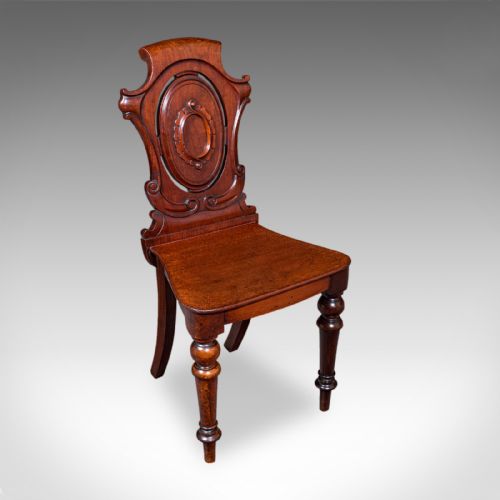
Antique Hall Side Chairs
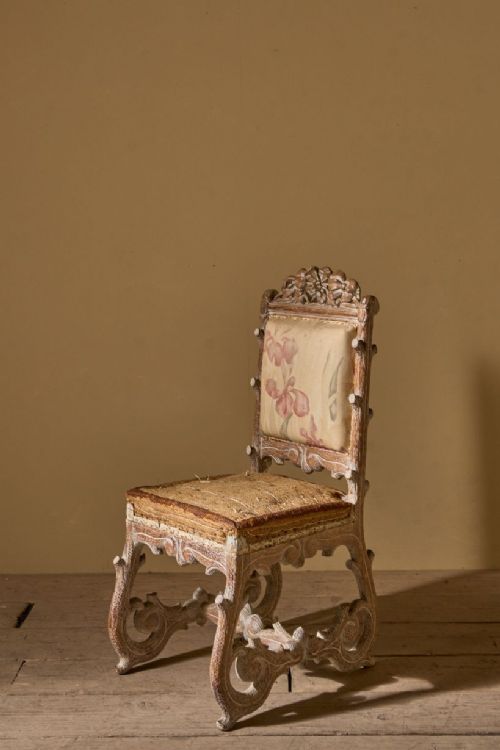
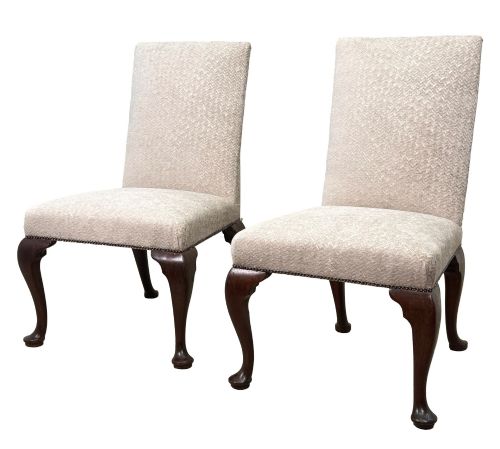
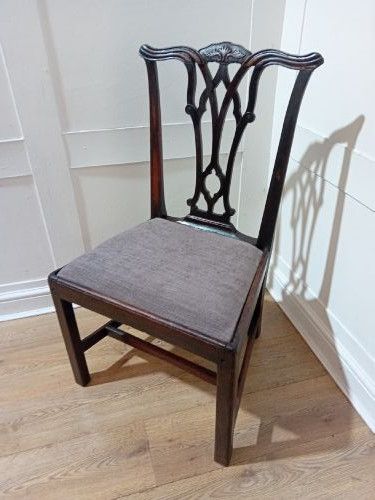
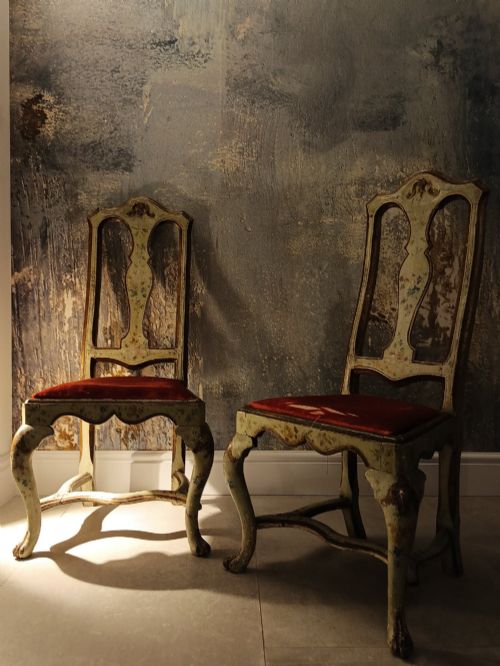
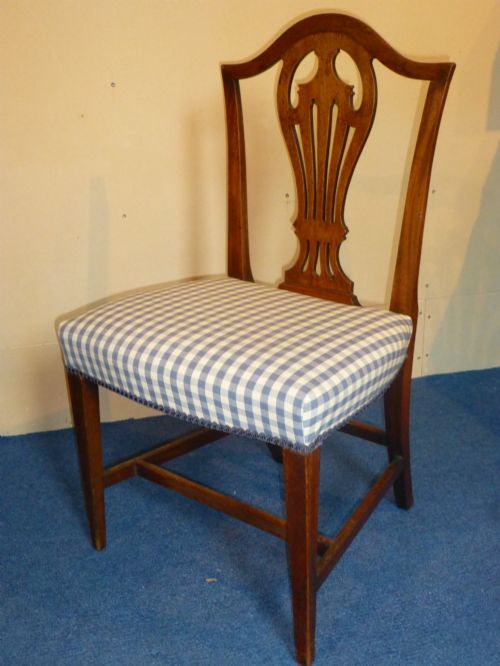
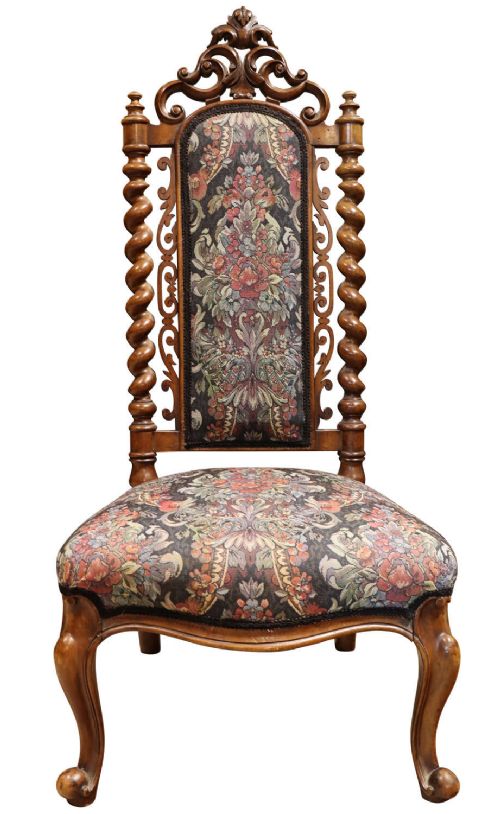
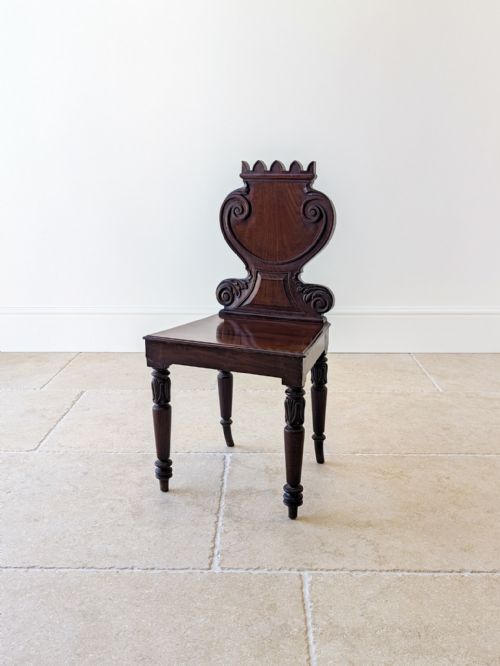
Antique hall side chairs provide practical seating for entrance spaces and corridors, combining sturdy timber construction with decorative period carving.
Antique Hall Side Chairs
Antique hall side chairs serve as functional reception seating designed for entryways, corridors, and reception rooms. These pieces appear frequently across eighteenth, nineteenth, and early twentieth-century periods, showing varied regional styles.
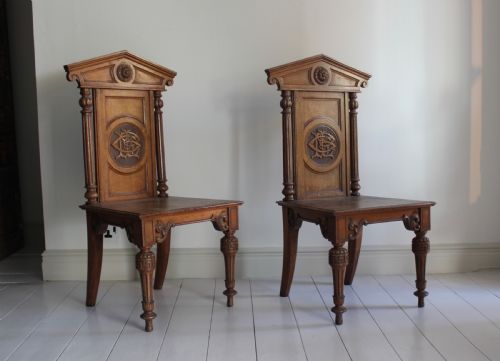
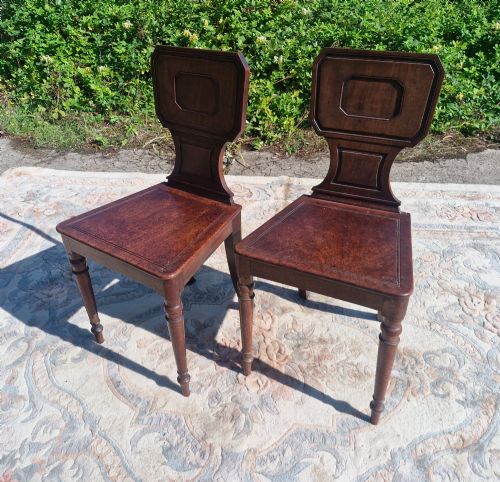
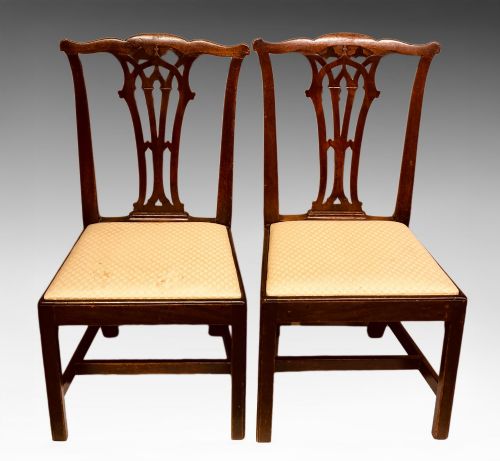
The selection ranges from George III mahogany and Regency designs to Victorian oak and Edwardian inlaid examples. Buyers encounter solid timber frames, shield backs, and occasional upholstered or cane inserts intended for occasional use rather than prolonged sitting.
How They Were Made
Cabinetmakers constructed these seats primarily using dense hardwoods such as mahogany, oak, and walnut, frequently incorporating fruitwood or beech in regional variants. Joinery relied on traditional mortise and tenon methods to withstand the rigours of high-traffic entrance spaces.
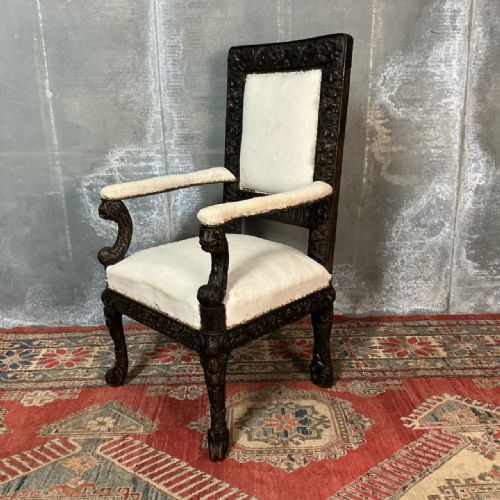
Surface ornamentation involved intricate hand-carving, shield backs, and occasional painted or ebonised finishes. Some examples integrate cane work, tapestry, or leather upholstery secured with brass studs.
Some Victorian hall chairs secretly doubled as domestic coat racks or incorporated hidden umbrella stands beneath the seat.
What Varies in Quality
The standard of a piece rests upon the crispness of the timber carving and the selection of figured wood grains, such as Cuban mahogany or burr walnut. Superior examples demonstrate rigorous joinery that remains tight and stable over centuries.
Originality of components, including timber seats, turned legs, and heraldic crests, distinguishes exceptional survivals from heavily restored or later constructed pieces.
Charles Tozer·W A Willcocks
The Antique Hall Side Chairs Glossary
- Sgabello
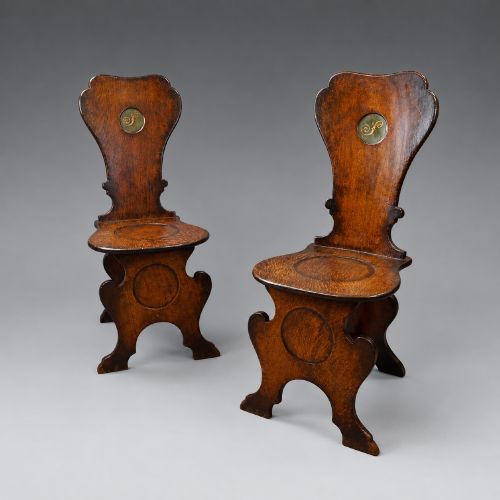
- An early Renaissance chair type featuring a wooden seat supported by two decorated side boards rather than conventional legs. These items provide a distinct sculptural silhouette.
- Bobbin turned
- Turned woodwork shaped to resemble a string of beads or bobbins, common on seventeenth-century revival frames. This technique utilises a lathe to create symmetrical swelling segments.
- Cane seat
- A seating surface woven from rattan or split cane plants, offering lightweight resilience. This method appears frequently on Regency and Edwardian occasional chairs.
- Sabre leg
- A concave curved leg that tapers toward the foot, typical of Regency dining and hall seating. This form draws inspiration from classical Greek klismos furniture.
Antique Hall Side Chairs: Frequently Asked Questions
Where were hall chairs placed?
These seats stood primarily in entrance halls, corridors, and reception rooms of large houses. They served visitors waiting briefly before entering main rooms.
Their upright proportions and rigid timber construction discouraged lingering, keeping corridors clear for household traffic.
Are hall chairs comfortable to sit on?
Most antique hall side chairs prioritize formal appearance and sturdy posture over physical comfort. They typically feature solid timber seats without padding.
Cushions are often added today for modern domestic use, though historical examples were intended for brief seating.
How do I date an oak hall chair?
Dating relies on examining the timber grain, tool marks, and stylistic motifs such as Gothic Revival tracery or Jacobean turnings. Earlier pieces often display pegged mortise and tenon joints.
Later Victorian and Edwardian interpretations frequently blend historical revivals with machine-assisted manufacturing details.
What is the difference between a side chair and an armchair?
Side chairs lack armrests, making them compact enough to line walls or tuck beneath side tables. Armchairs include structural elbow supports for the sitter.
In historical settings, side chairs occupied hallways while armchairs served libraries, firesides, or reception desks.