

Antique Hall Server Table
An antique hall server table spans practical utility and formal presence, offering a surface for display and storage in entrance spaces.
Antique Hall Server Table
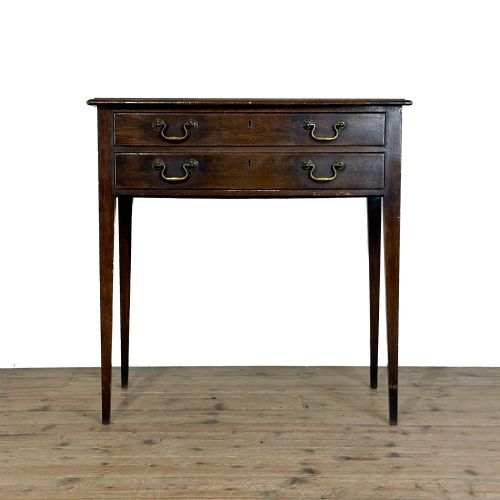
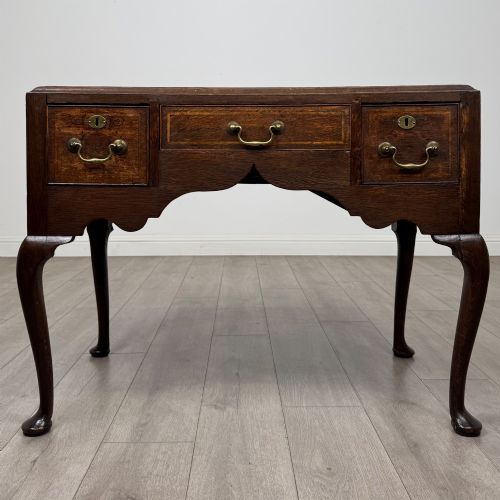
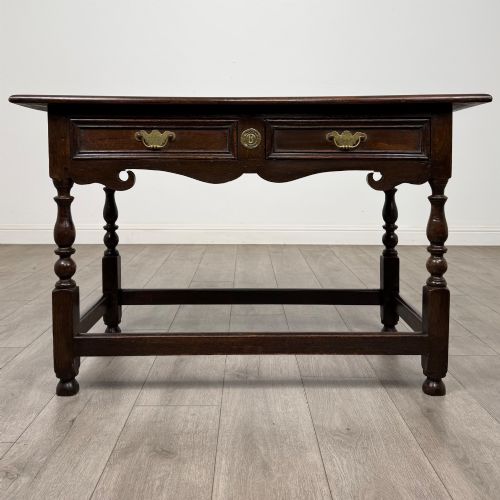
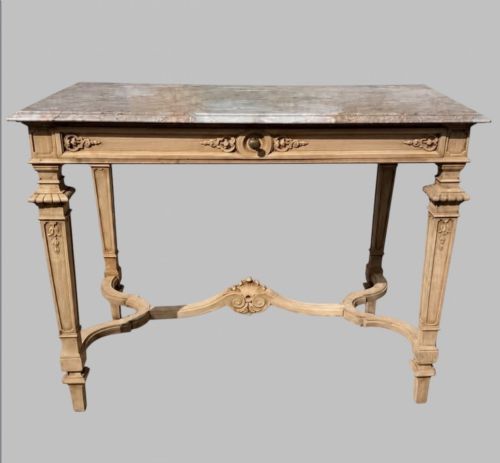
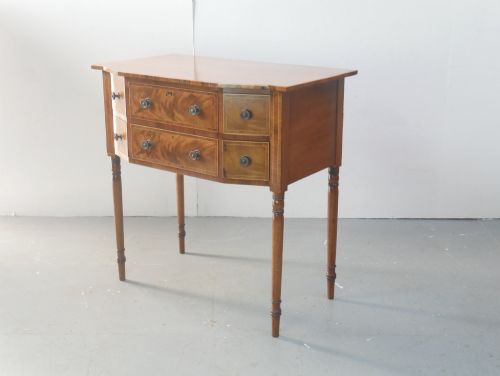
When you search for an antique hall server table, you encounter forms that overlap with side tables, lowboys, console tables, and dresser bases. These items serve circulation areas and dining spaces by holding lamps, correspondence, or serving dishes.
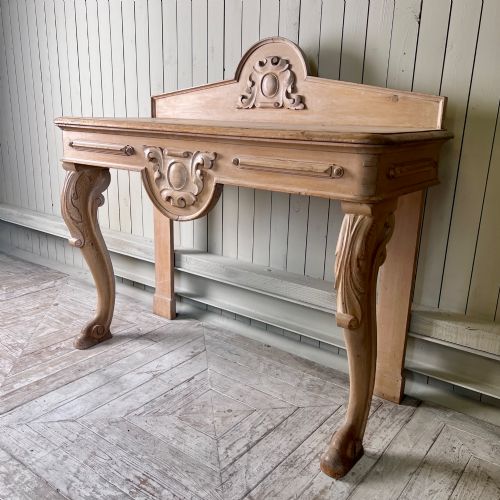
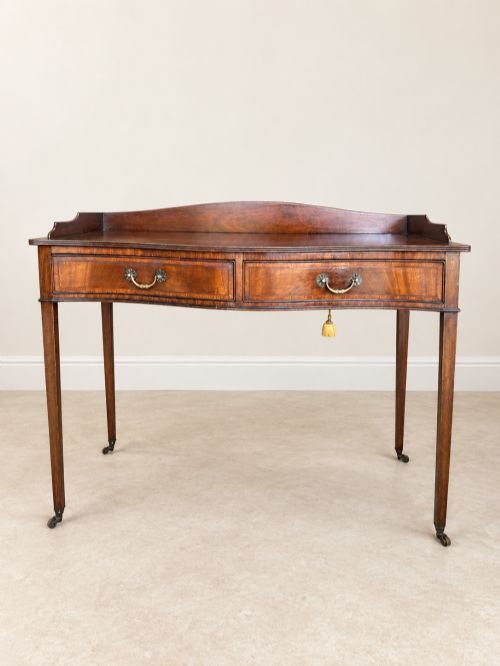
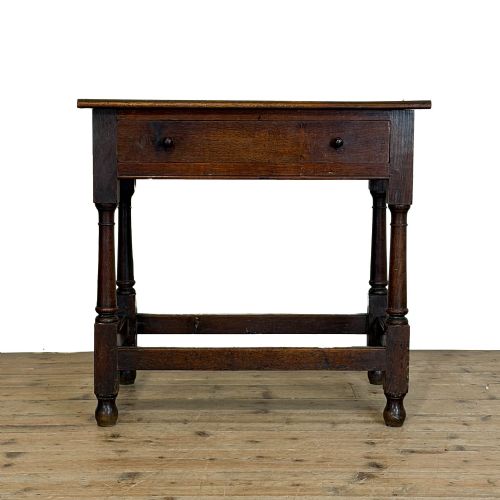
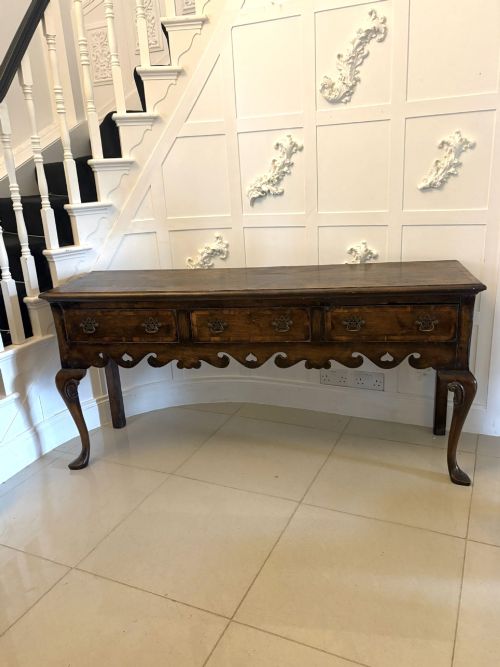
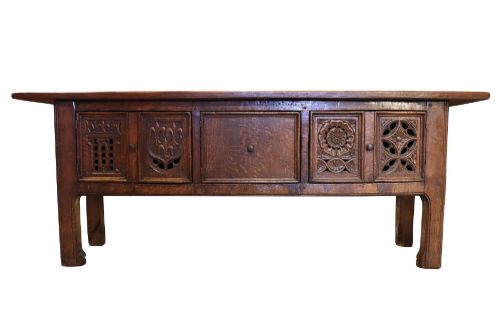
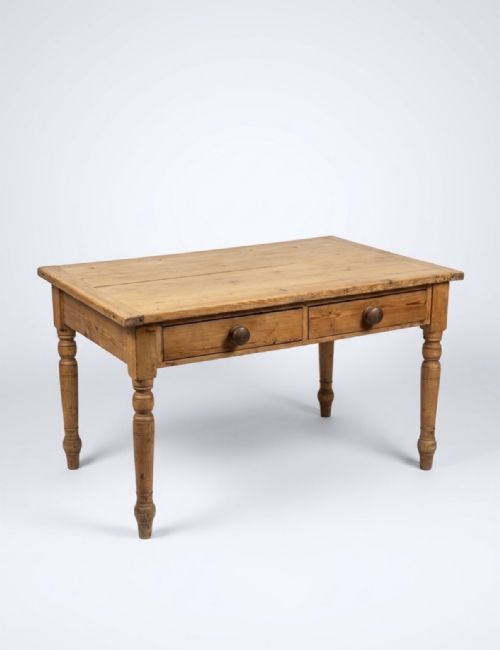
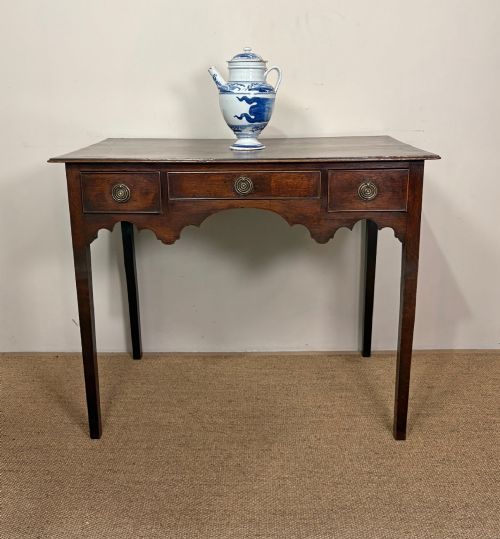
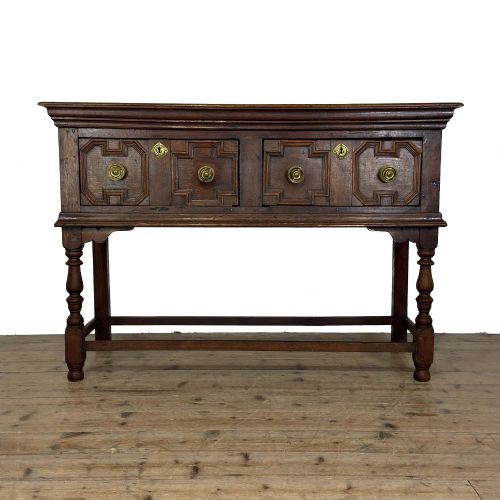
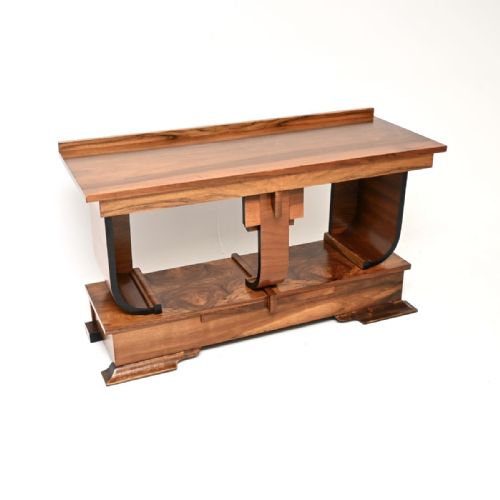
The pieces appearing here span periods from the eighteenth century through the Edwardian era and the 1920s, showing styles such as Georgian, Regency, Jacobean Revival, and Gothic Revival. Oak and walnut predominate, supplemented by mahogany, pitch pine, and marble.
Most examples hail from English workshops, alongside French and Italian regional variants. You will find both narrow proportions suited to tight hallways and longer console designs meant for grander reception spaces.
Materials and construction methods
Cabinetmakers relied heavily on native hardwoods like oak and walnut, shaping panels and framing with traditional joinery such as mortise and tenon. Burr walnut veneers appear on decorative surfaces, adding figured grain patterns to top boards and drawer fronts.
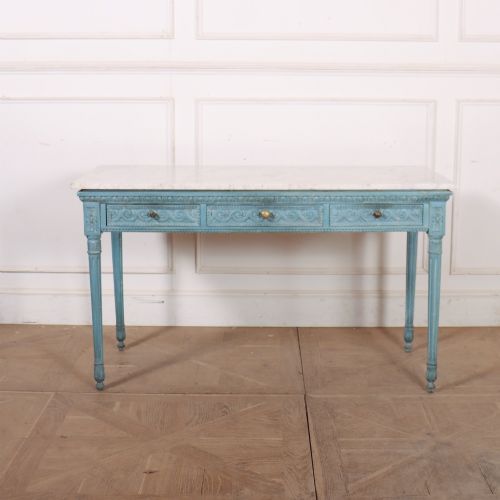
Secondary timbers support primary structures, while carved details adorn friezes, legs, and backboards on Gothic and Jacobean revival examples. Marble tops provide durable, cool surfaces on specific continental and Victorian console tables.
Hand-finished painted surfaces also emerge in the evidence, offering alternative finishes to polished wood. Brass hardware secures drawers and doors, matching the period aesthetic of each piece.
One mustard pot sneaked into the server archive, proving even condiments deserve a proper hall table.
Assessing craftsmanship and proportion
The distinction between standard examples and finer items rests in the selection of timber, such as figured burr walnut or dense, well-grained oak. Crispness of hand-carved ornamentation separates mass-produced revival pieces from master-carved furniture.
Proportion dictates utility in hallway settings, with narrow depths commanding attention for constrained spaces without obstructing movement. Timber thickness, drawer construction integrity, and the retention of original brass or wooden pulls further separate ordinary items from superior survivals.
Beresford & Hicks London
The Antique Hall Server Table Glossary
- Lowboy
- A small oak or walnut table featuring one or more tiers of drawers, originating in the late seventeenth century and continuing through the Georgian period as a dressing or serving table.
- Dresser base
- A sturdy lower sideboard structure, traditionally fitted with drawers and cupboards, utilised for storing and serving dining items.
- Console table
- A table designed to stand against a wall, frequently supported by wall brackets or console legs, serving decorative and functional roles in hallways.
- Chiffonier
- A compact sideboard or cabinet developed during the Regency and Victorian periods, often equipped with shelves or a raised back.
- Ebonised wood
- Timber treated with chemical stains or black finishes to imitate ebony, popular during the Victorian era for dramatic contrast.
Antique Hall Server Table: Frequently Asked Questions
Where should I place an antique hall server table?
These tables fit naturally in entrance halls, corridors, and reception rooms where surface space is needed without blocking foot traffic.
Their narrow proportions allow them to sit flush against walls while holding everyday items like keys or decorative lamps.
How do I distinguish between an 18th-century piece and a later revival?
Eighteenth-century examples show hand-cut joinery, timber shrinkage, and wear patterns consistent with centuries of use. Revival pieces made in the Victorian or Edwardian eras often display machine precision and stylised historical motifs.
Examine the drawer linings and underside construction to understand the age of the timber and nails.
Can I use a lowboy as a hall table?
A lowboy serves admirably in a hallway due to its compact footprint and useful drawer storage. Originally built as small dressing or side tables, their height and depth suit modern entryway requirements.
They offer a surface for small items while maintaining an open, uncluttered look.
What maintenance do wood surfaces require?
Polishing wood surfaces with traditional wax preserves the patina and protects the grain from moisture. Avoid placing tables in direct sunlight or near heat sources to prevent timber splitting.
Regular dusting with a soft cloth keeps the finish clean without stripping historical waxes.