
Antique Hall Armchairs
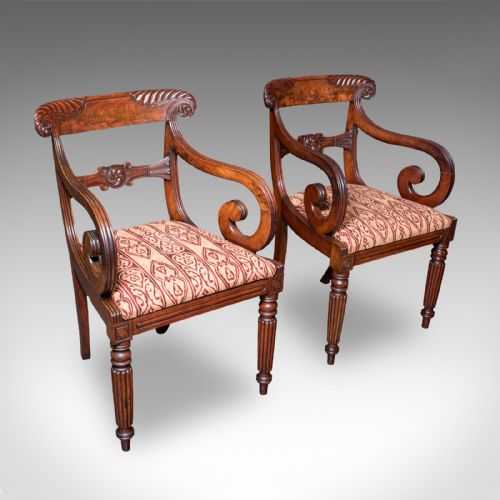
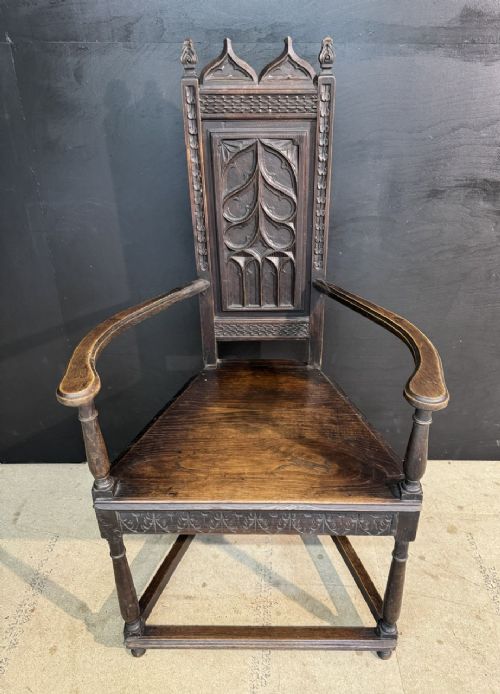
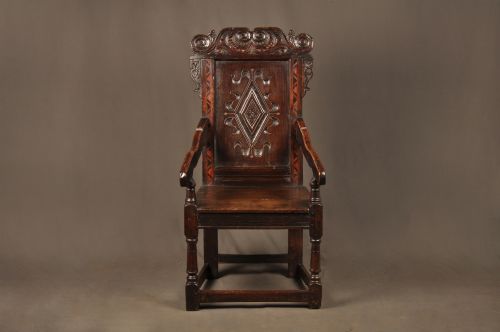
These antique hall armchairs stand ready for an entrance hall or landing, offering robust timber frames and carved detailing.
Antique Hall Armchairs
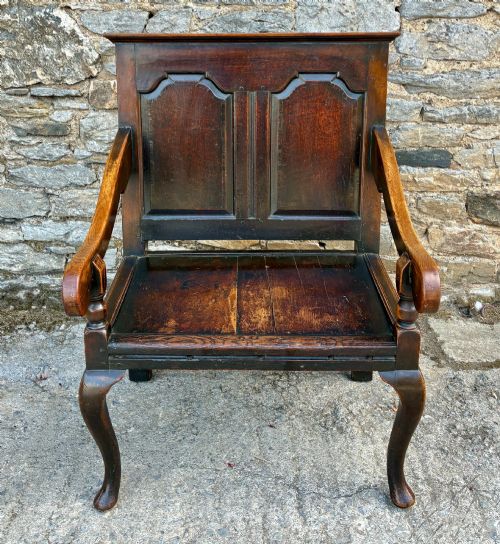
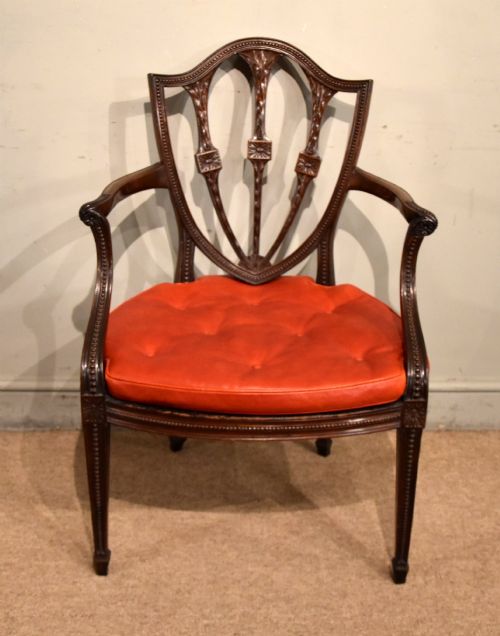
When you search for antique hall armchairs, you encounter heavy timber seating designed for passages, grand stairwells and reception areas rather than domestic parlours. These chairs often feature high panelled backs, solid wooden seats and assertive structural framing.
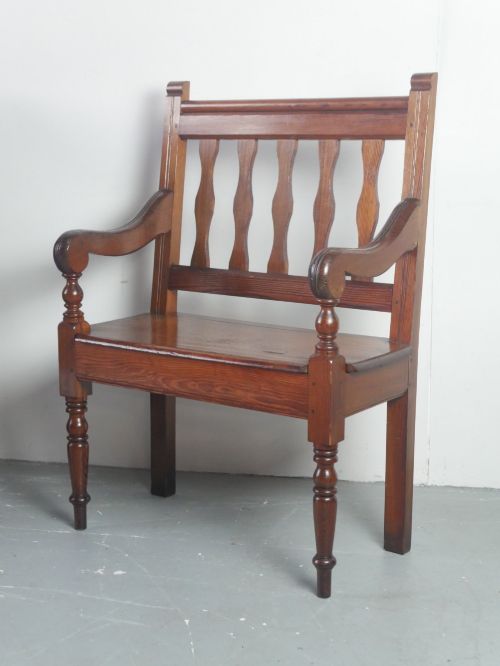
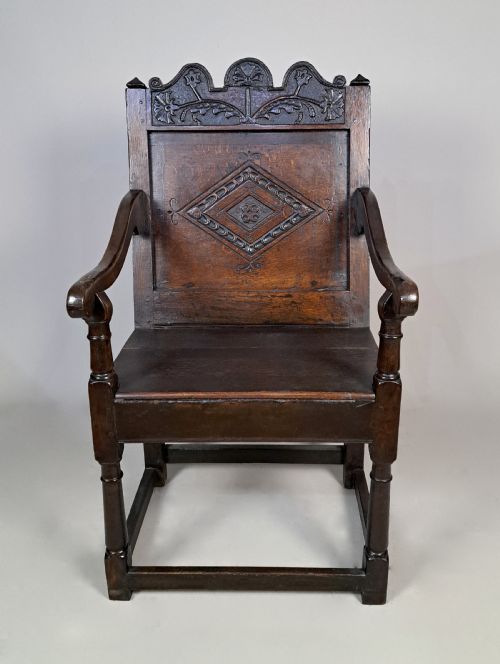
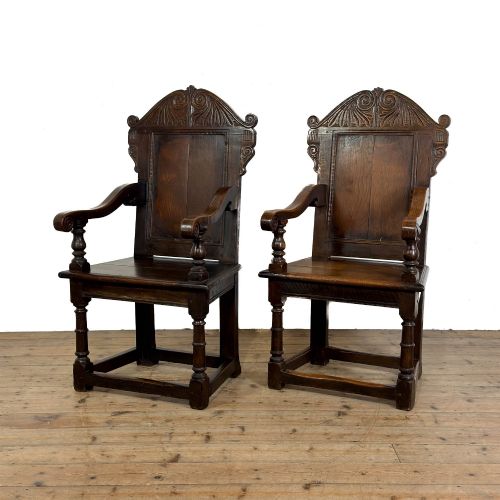
The versions met most frequently on this page belong to the nineteenth century, drawing heavily on earlier seventeenth-century wainscot models or Gothic revival designs. Examples span forms from robust oak wainscot chairs to walnut throne chairs and carved elbow seats.
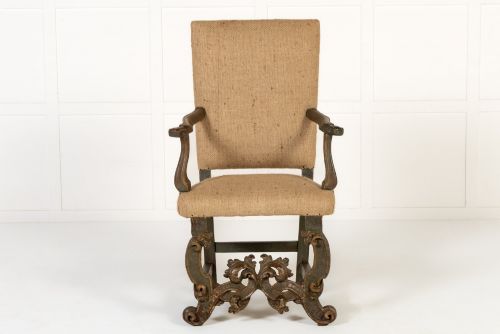
Makers utilised various regional vernaculars, producing pieces ranging from Yorkshire wainscot forms to Welsh baronial carvers and continental Renaissance revival models. These items served both functional seating needs and a decorative display of lineage or architectural taste.
How they were made
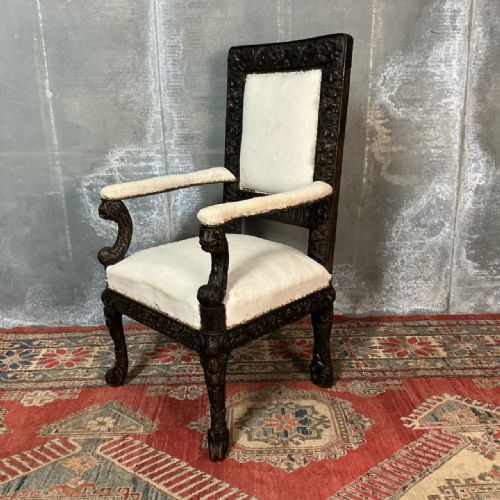
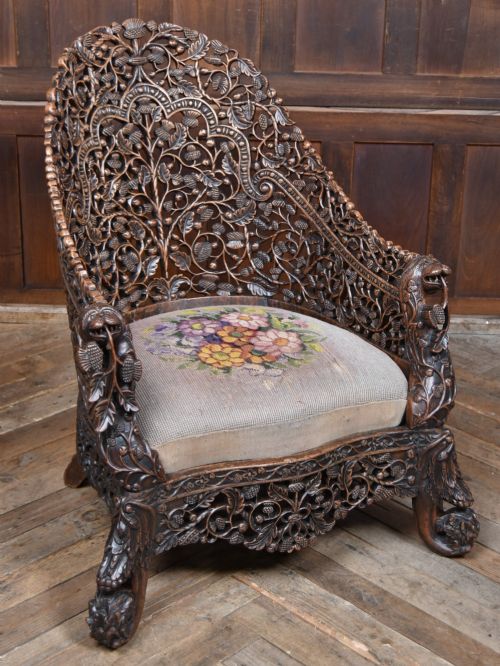
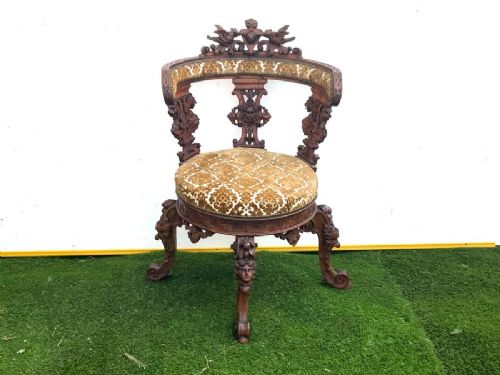
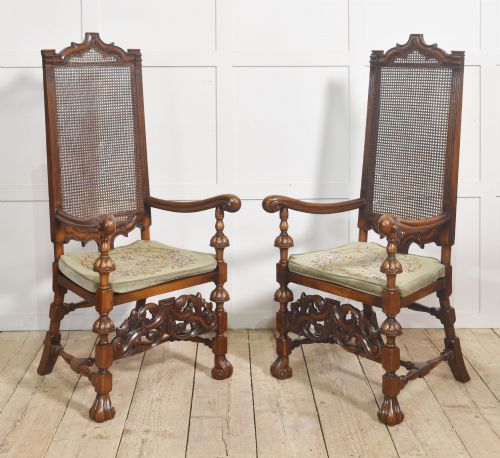
Joinery relied primarily on solid oak, walnut and mahogany, assembled with pegged mortice and tenon joints to withstand heavy use in busy hallways. Carvers worked directly into the timber, executing strapwork, scrollwork, and figural details such as green man motifs.
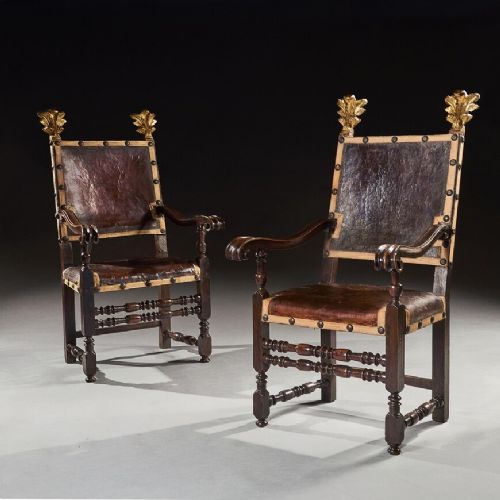
Upholstered elements incorporate leather, woven leather, fabric and textiles, secured with brass studs or decorative trim to wooden frameworks. Painted finishes, parcel-gilt highlights and patinated wax treatments surface across Italian Baroque and Gothic revival pieces.
Several chairs incorporate fiercely carved green man faces peering out from the oak scrollwork.
What varies in quality
The depth and crispness of the hand-carving separate standard revival output from superior examples, particularly where figures, foliage and armorial crests appear. Sharp undercutting in oak and finely turned supports indicate skilled workshop execution.
The integrity of the timber framing and the proportion of the arms and back dictate structural success. Heavy walnut and oak with well-maintained joints hold their form better than examples with compromised timber or ill-matched replacements.
Liberty of London·White, Allom and Co
The Antique Hall Armchairs Glossary
- Wainscot chair
- A solid wooden armchair constructed primarily of oak with a panelled back, common in seventeenth-century domestic and hall settings. These heavy seats served as principal chairs of authority.
- Throne chair
- A large, high-backed armchair featuring prominent carved decoration, often associated with baronial halls or ceremonial use. They frequently display architectural motifs or figural carvings.
- Glastonbury armchair
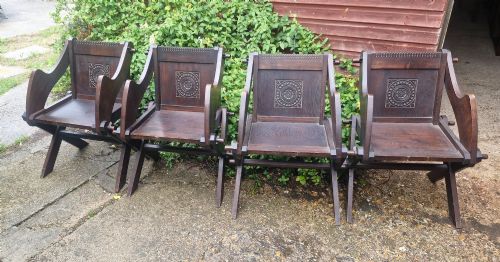
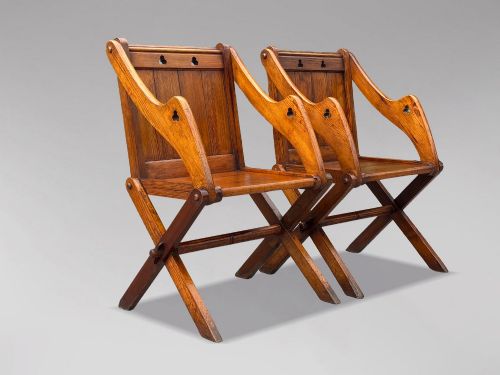
- A folding wooden chair type with X-framed supports and sloping arms, revived in nineteenth-century oak and pitch pine. The design derives from medieval monastic seating.
- Savonarola armchair
- An X-frame chair formed of multiple curved wooden slats intersecting to create a cradle-like seat, popular in Renaissance revival schemes. They fold scissor-style for transport.
- Parcel-gilt
- Wood or carved elements partially covered with thin gold leaf to highlight specific decorative details against a darker timber or painted ground. This technique adds contrast to baroque and revival pieces.
Antique Hall Armchairs: Frequently Asked Questions
Where should an antique hall armchair be placed?
These chairs suit entrance halls, wide corridors or landings where their solid timber presence and carved backs can be viewed without obstruction. Their robust construction handles transitional traffic well.
Position them away from direct heat sources to protect older oak and walnut timbers from splitting or shrinking over time.
How do I care for leather and wood?
Feed wooden frames with a quality beeswax periodically to maintain the surface sheen and protect the grain from drying out. Avoid synthetic polishes that build up a greasy residue.
Treat upholstered leather sections with appropriate balms to keep the hide supple and prevent cracking along stress points.
How do I distinguish 17th century from revival pieces?
Examine the tool marks, timber shrinkage patterns and construction pegging to determine the age of the wood. Seventeenth-century originals exhibit hand-riven boards and characteristic wear patterns absent in later copies.
Nineteenth-century revival pieces often utilise machine-sawn timber elements alongside hand-carved decoration, reflecting Victorian or Edwardian manufacturing methods.
Were these chairs meant for everyday sitting?
Historic hall seating often prioritized architectural display and formal posture over deep cushioning, resulting in upright wooden seats. They provided sturdy seating for guests waiting in reception areas.
Adding a loose period-appropriate cushion can make firmer wooden or leather seats more comfortable for modern use.