






Antique Haberdashery Tools
These antique haberdashery tools are functional sewing implements and accessories crafted to assist needlework across several centuries.
What these pieces are
When you search for antique haberdashery tools, you encounter a selection of implements designed for sewing and textile work. These objects span periods from the mid-eighteenth century to the Victorian era.
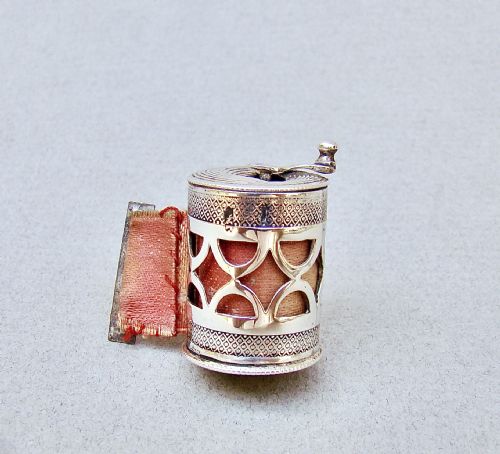
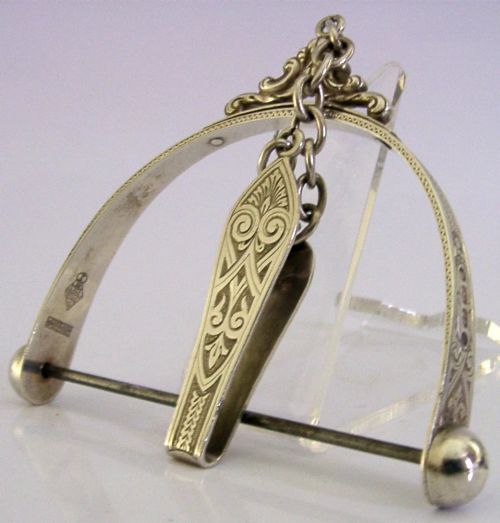
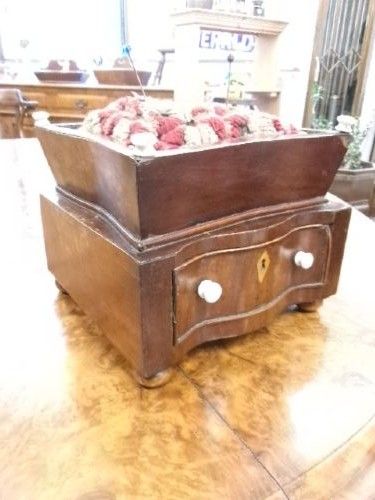
The assortment includes sewing accessories, chatelaine attachments, needle cases, and pin cushions. Forms range from simple mahogany pin cushions to elaborate silver thread holders.
You frequently meet Victorian pieces alongside earlier Georgian examples. Novelty designs and utilitarian clamps both populate the selection.
How they were made
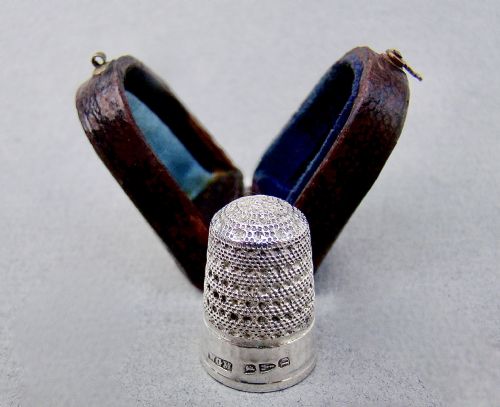
Maker materials encompass steel, sterling silver, mother of pearl, iron, mahogany, fabric, and metal. Artisans combined these substances to create both durable and decorative sewing gear.
Specialised techniques are evident in cold painted bronze figures and cut steel embroidery tools. Chinoiserie rococo decoration appears alongside fitted velvet and fabric elements.
Retail Price Guide 2026
Typical UK retail prices for haberdashery tools, calculated from the Sellingantiques database of over a million retail prices indexed since 2003. This retail price guide relies exclusively on Sellingantiques data; no external sources or auction records are used, so the figures do not describe the wider market.
An Austrian bronze ibex quietly doubles as a pin cushion, proving that Victorian needlework could accommodate a mountain goat.
What varies in quality
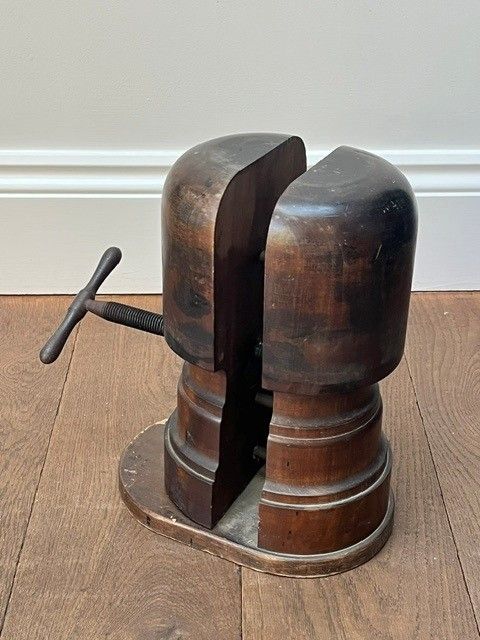
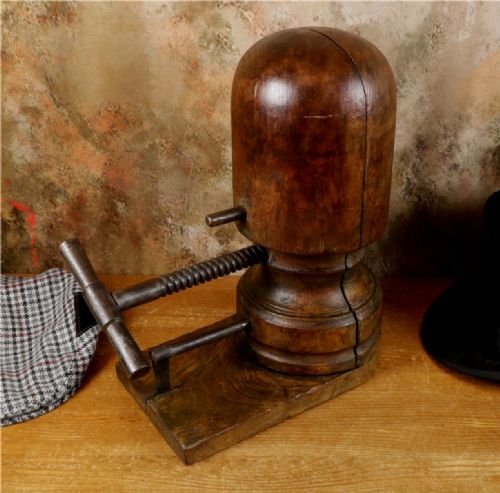
Distinctions in quality rest upon the choice of material and the intricacy of execution. Basic wooden blocks contrast with finely worked sterling silver and carved mother of pearl.
Artistic ambition elevates certain items, such as cold painted bronze animal figures or detailed rococo scissors sheaths, above standard utilitarian sewing clamps.
The Antique Haberdashery Tools Glossary
- Chatelaine
- A decorative belt hook worn to suspend various small household and sewing accessories. It kept essential tools close to hand during daily tasks.
- Needle case
- A protective container designed to store sewing needles safely when not in use. These often feature hinged lids or sliding mechanisms.
- Pin cushion
- A small stuffed pad used to hold pins temporarily during sewing work. They appear in diverse shapes including squares and novelty animal figures.
- Sewing clamp
- A mechanical device secured to a table edge to anchor fabric or hold a pin cushion steady. They were particularly useful for complex embroidery.
- Cut steel
- Small faceted steel studs riveted to a backing to imitate the sparkle of marcasite or diamonds. This technique adorned high-status Georgian and Victorian tools.
Frequently Asked Questions
What are antique haberdashery tools used for?
These items served practical roles in sewing, tailoring, and needlework tasks within the home. They assisted with holding pins, cutting threads, and storing needles securely.
Today, collectors appreciate them both as remnants of domestic history and as miniature works of decorative art.
How do I date an antique sewing tool?
Dating relies on identifying the prevailing styles, materials, and manufacturing techniques characteristic of periods like the Georgian or Victorian eras. Examining hallmarks on silver elements also provides precise chronological clues.
Comparing construction methods against documented examples helps confirm the age of each specific piece.
What materials were used for needle cases?
Makers utilised a variety of durable and decorative substances including mother of pearl, sterling silver, and steel. The choice of material often reflected the status of the owner and the skill of the artisan.
Precious metals and iridescent shell elevated simple sewing accessories into luxury personal items.
How should I display pin cushions?
Small pin cushions and novelty items suit placement in enclosed glass cabinets or on dedicated display shelves. Their compact sizes allow them to sit comfortably alongside other cabinet objects.
Keep them away from direct sunlight and excessive moisture to protect fabrics and organic materials.