





Antique Haberdashery Chest
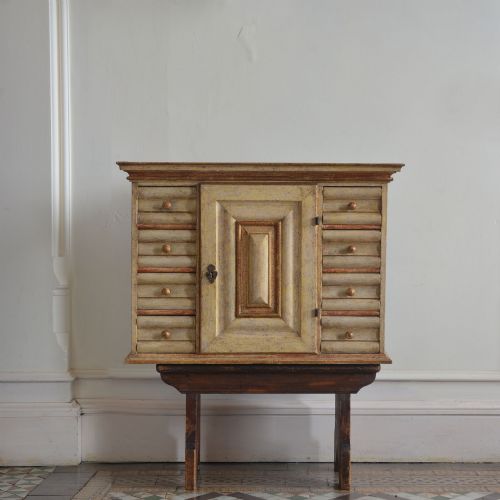
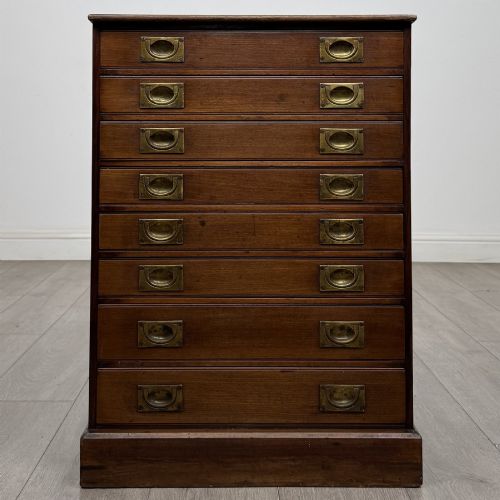
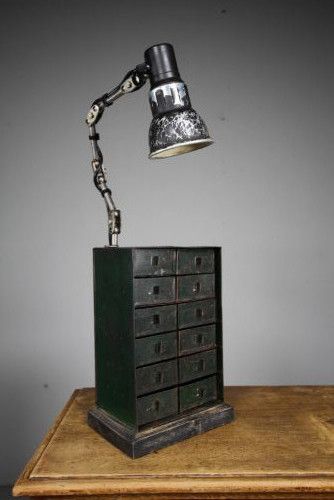
An antique haberdashery chest organises small goods through rows of shallow drawers designed for retail and trade storage.
Antique Haberdashery Chest
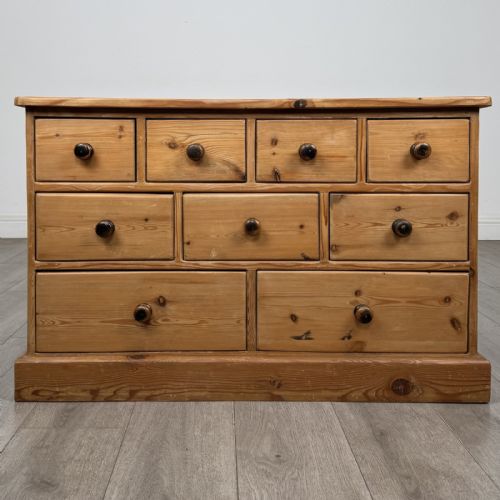
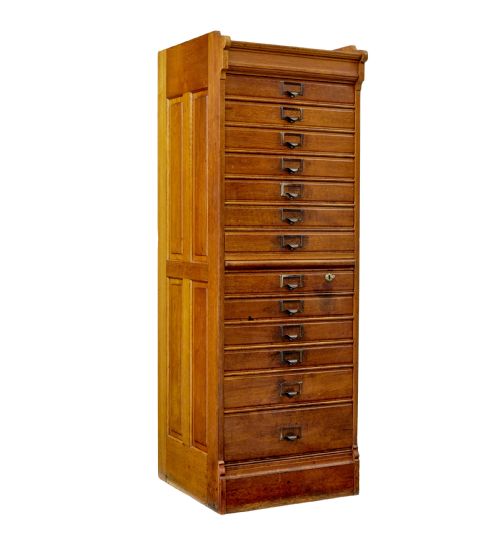
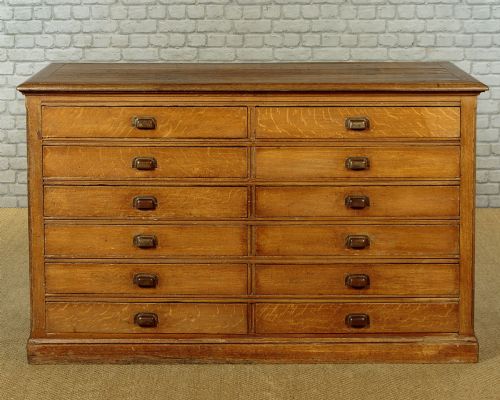
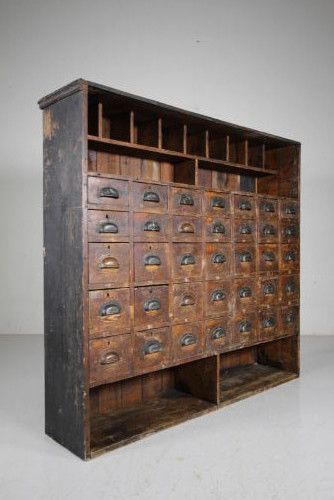
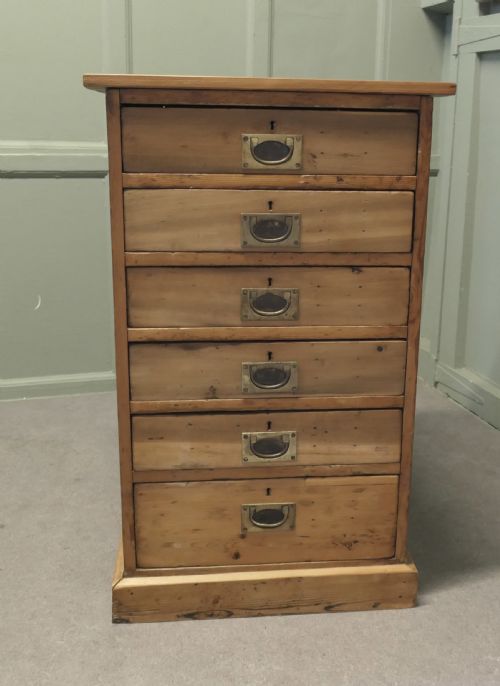
An antique haberdashery chest typically presents as a multi-drawer bank or shop fitting originating from commercial spaces during the nineteenth and early twentieth centuries. These pieces encompass banks of drawers, shop counters, and tall drawer units originally utilised by drapers, chemists, and tradespeople.
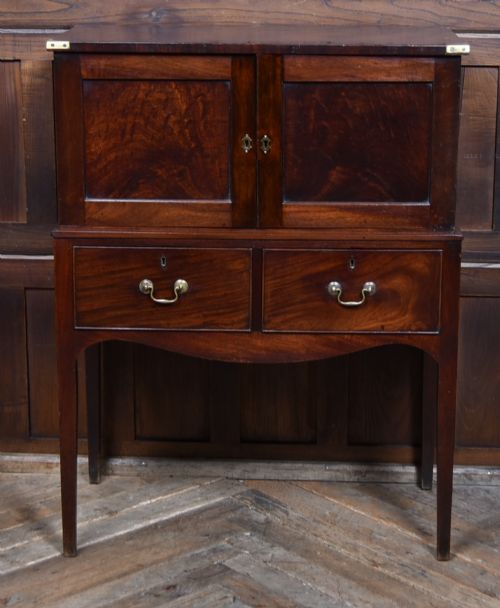
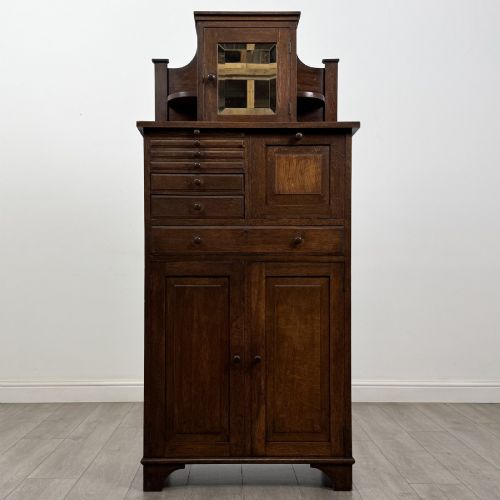
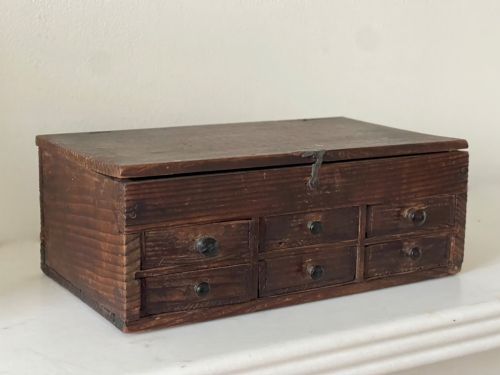
The versions most commonly met on this page span the Victorian and Edwardian eras, constructed primarily from pine, mahogany, and oak. Formats range from modest countertop needle drawer cabinets to substantial workshop and store fixtures containing dozens of individual shallow compartments.
How they were made
Makers built these commercial chests using sturdy timbers such as pine, mahogany, oak, and deal to withstand heavy daily use in shops and workshops. Construction prioritised functional longevity, employing robust joinery for frames and internal dividers to support numerous sliding drawers.
Original hardware played a central role in their daily operation, featuring brass label holders, shell pulls, and glass panels designed for product identification and display. Surfaces frequently display painted finishes, stained deal, or polished hardwoods reflecting their working origins.
Antique Haberdashery Chest Retail Price Guide 2026
Typical asking prices for haberdashery chest among the pieces listed under this phrase on Sellingantiques today, from the lower quarter to the upper quarter. They describe what is for sale here now, not the wider market.
A specialised nineteenth-century watch and clock repairer's chest waits alongside grand multi-drawer draper counters.
What varies in quality
The distinction between standard utility storage and superior examples rests on the scale of the piece, the choice of timber, and the retention of original commercial fittings. Larger multi-drawer configurations and finely figured hardwoods command greater interest from collectors.
Originality of surface finish and hardware dictates the integrity of a piece. Units retaining their authentic brass pulls, glass display elements, and trade labels offer a more complete historical record than those subjected to modern alterations.
Luxmore's of Ilfracombe·Ermen & Roby·Chadwick’s Sewing Cottons·Amberg’s Patent Cabinet
The Antique Haberdashery Chest Glossary
- Bank of drawers
- A multi-drawer storage unit containing numerous shallow compartments stacked vertically or horizontally. This configuration formed the backbone of nineteenth-century shop and workshop organisation.
- Shop fitting
- Fixtures and furniture built specifically for commercial retail interiors. These items were designed to display merchandise or store stock efficiently behind counters.
- Deal
- An older timber trade term denoting softwood, specifically fir or pine. It appears frequently in nineteenth-century utilitarian and shop furniture construction.
- Shell pull
- A stamped metal drawer handle shaped like a half-crescent or seashell, often incorporating a small slot for a paper label. They allowed shopkeepers to identify contents quickly.
Antique Haberdashery Chest: Frequently Asked Questions
What were antique haberdashery chests used for?
These chests served primarily in retail shops, drapers, and haberdashers to store ribbons, threads, buttons, and small sewing goods. The numerous shallow drawers kept small stock segregated and easily accessible to shop assistants during busy trading hours.
Over time, many units found alternative service in workshops, pharmacies, and offices for sorting small components, documents, or tools. Their compartmentalised design adapts well to modern domestic storage needs.
How do I date an antique haberdashery chest?
Dating relies on examining the construction methods, timber types, and hardware associated with the piece. Nineteenth-century examples often utilise solid pine or deal with hand-cut dovetails, while Edwardian and later pieces introduce machine-made joints and varied hardwoods like oak and mahogany.
Patination on the drawer runners and the style of brass label holders or pulls provide further chronological clues. Commercial pieces frequently reflect the aesthetic shifts of the Victorian and Edwardian periods in their mouldings and proportions.
Are these chests suitable for modern homes?
The shallow drawer depth makes these chests exceptionally practical for modern living, fitting easily into hallways, kitchens, or studies. They provide extensive organisation for collections, stationery, or accessories without occupying excessive floor space.
Placing a tall bank of drawers requires measuring ceiling clearance and floor stability, particularly for substantial multi-drawer shop fittings. Their utilitarian aesthetic complements both industrial interiors and traditional rooms.
How do shop fittings differ from domestic chests?
Shop fittings were constructed for heavy commercial use, featuring functional drawer counts and durable hardware designed for constant public interaction. Domestic chests of drawers generally offer fewer, deeper drawers intended for folded clothing and personal garments.
The inclusion of glass display panels, integrated work counters, or specialised trade labelling distinguishes commercial haberdashery furniture from standard household bedroom furniture of the same era.