

Antique Gun
An antique gun represents the pinnacle of historical craftsmanship, uniting mechanical innovation with the refined aesthetics of past centuries.
Antique Gun
When searching for an antique gun, a collector explores a diverse category spanning functional firearms, related militaria, and period accessories from the eighteenth and nineteenth centuries. These items trace the evolution of personal defence, military conflict, and sporting pursuits across various global regions.
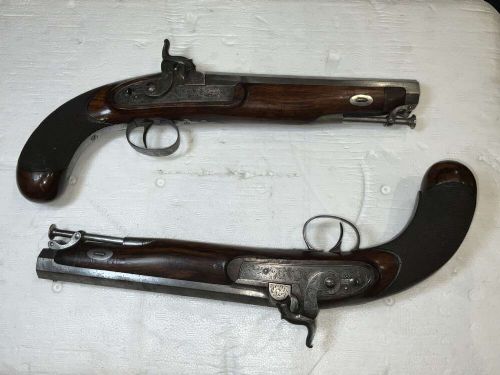
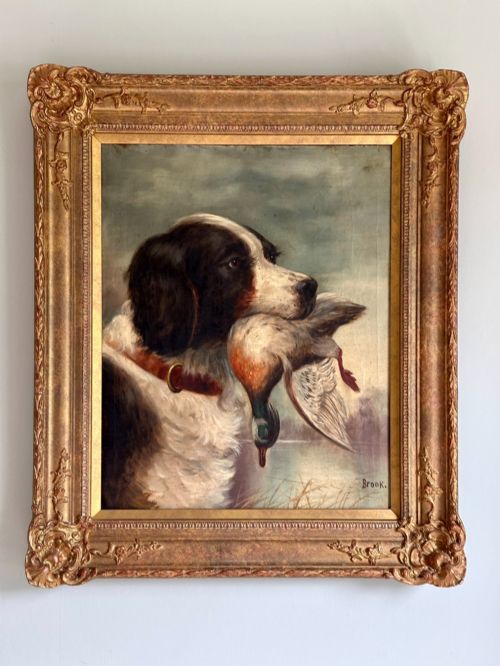
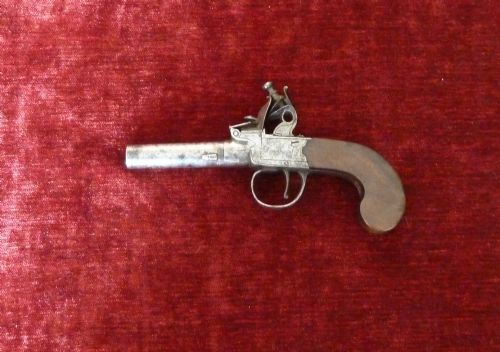
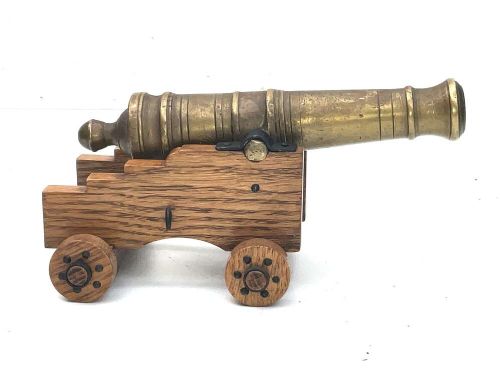
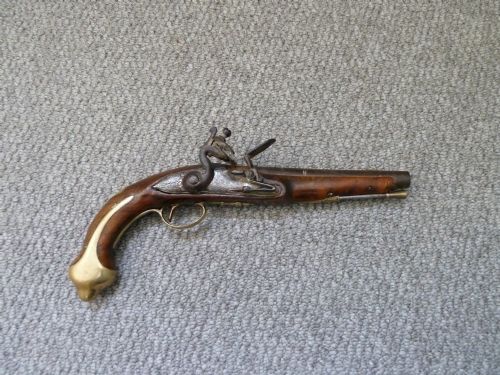
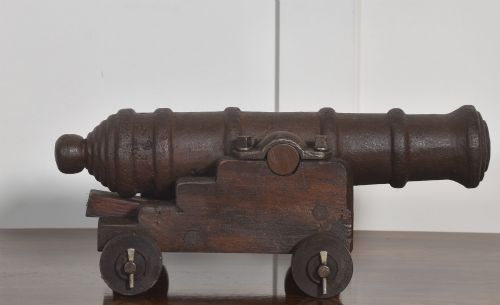
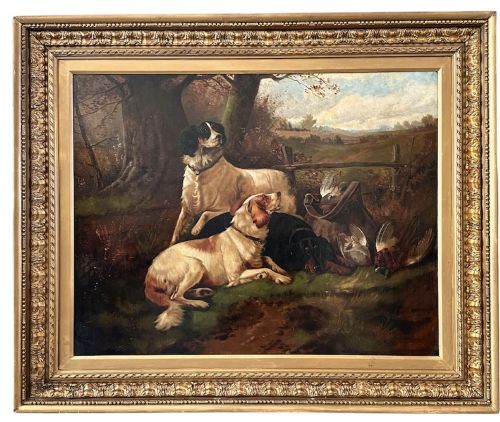
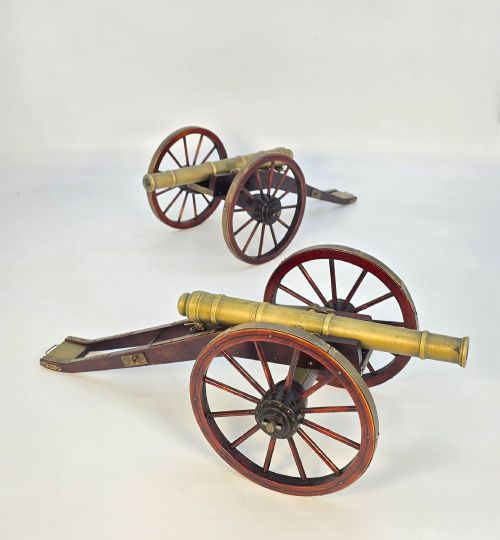
The pieces encountered on this page range from flintlock and percussion pistols to fowling pieces, matchlock muskets, and signal cannons. Alongside actual firearms, the selection includes related equipment such as cartridge cases, powder flasks, cabinets, and art reflecting sporting culture.
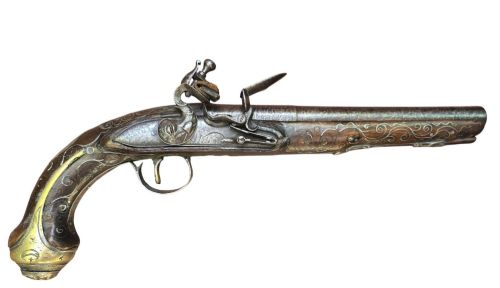
Origins vary widely, encompassing British regulation military pieces, European examples from makers like John Manton and Henry Nock, and intricate Indo-Persian or Ottoman firearms decorated with bone, brass, and mother-of-pearl inlay.
How They Were Made
Construction relies heavily on traditional metalworking techniques, utilising forged steel, cast iron, gunmetal, and brass for barrels, actions, and furniture. Stocks and related cabinets are fashioned from durable timbers such as walnut and oak.
Decorative detailing on these pieces often involves meticulous hand-engraving, silver-wire inlay, and the application of bone or mother-of-pearl panels to wooden stocks, particularly on eastern and Balkan examples.
Antique Gun Retail Price Guide 2026
Typical asking prices for gun among the pieces listed under this phrase on Sellingantiques today, from the lower quarter to the upper quarter. They describe what is for sale here now, not the wider market.
Listings feature eighteenth- and nineteenth-century items incorporating steel, brass, gunmetal, walnut, oak, and silver across military and sporting categories.
What Varies in Quality
The standard of an antique gun is defined by the crispness of its mechanical action, the integrity of its original components, and the refinement of any decorative embellishments. Maker-signed locks and barrels from established workshops command greater regard.
Preservation of original surface finishes, stock wood, and metal patination heavily influences desirability, distinguishing standard utility pieces from high-grade military regulation or bespoke civilian arms.
John Manton And Son·Henry Nock·Deane Adams And Deane·Sargant And Son·Allen And Thurber
The Antique Gun Glossary
- Flintlock
- An ignition mechanism utilising a piece of flint held in a cock to strike a steel frizzen, creating sparks to ignite the priming powder. This system dominated firearm design from the seventeenth through to the early nineteenth century.
- Percussion cap
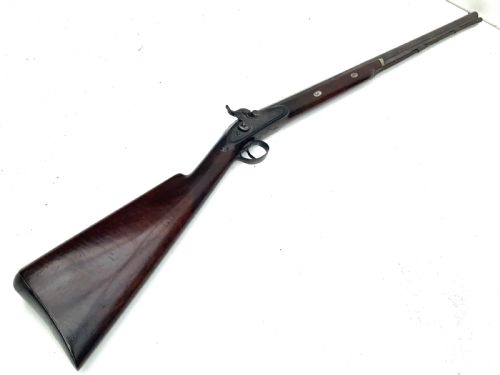
- A small metal cup containing fulminate of mercury placed on a nipple, which explodes when struck by the hammer to ignite the main powder charge. This mid-nineteenth-century innovation largely superseded the flintlock.
- Matchlock
- An early type of firearm where a burning slow match is lowered into a pan of priming powder via a lever mechanism. It represents the earliest form of mechanical ignition for shoulder arms.
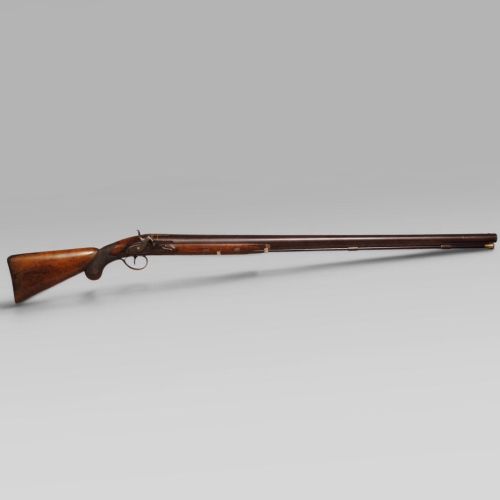
- Fowling piece
- A long-barrelled smoothbore firearm specifically designed for hunting wildfowl and game birds. These precursors to modern shotguns often featured large bores.
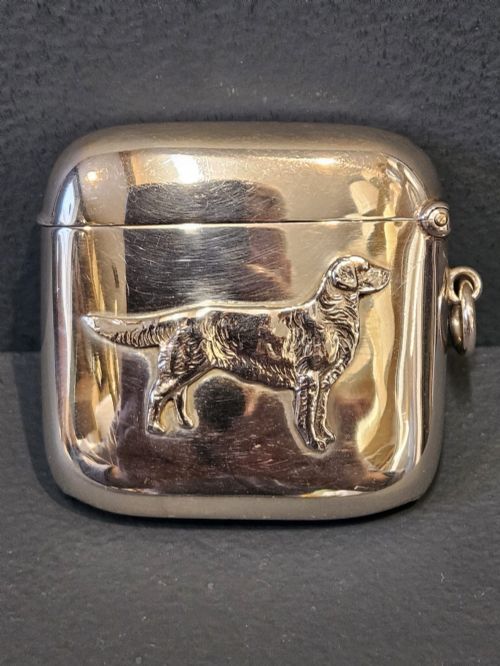
- Vesta case
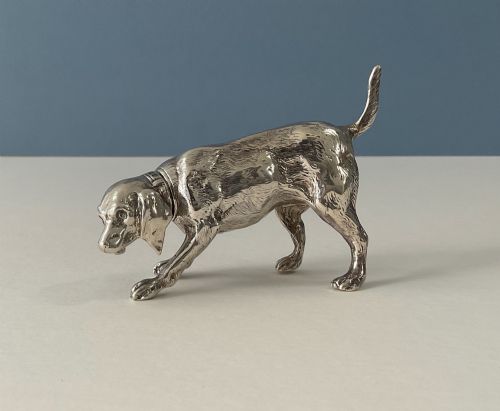
- A small portable container used for holding safety matches, frequently manufactured in silver during the Victorian and Edwardian eras. They often featured sporting motifs relating to hunting and dogs.
Antique Gun: Frequently Asked Questions
How do I identify a flintlock?
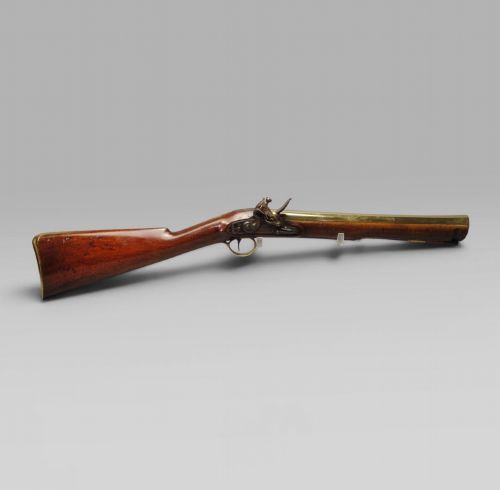
A flintlock is identified by the external hammer holding a piece of flint and a pivoted steel frizzen positioned over the priming pan. When the trigger is pulled, the flint strikes the frizzen to generate sparks.
This distinct ignition system marks pieces dating generally from the seventeenth to the early nineteenth century, preceding the percussion cap era.
What is a blunderbuss?
A blunderbuss is a muzzle-loading firearm featuring a characteristic flared muzzle designed to scatter shot effectively at close range. These were commonly utilised for defence on ships or coaches.
The flared barrel is intended to ease reloading under difficult conditions rather than widen the spread of the projectiles as widely as popular myth suggests.
How should I display a gun cabinet?
A period gun cabinet, such as a two-part wooden example in oak or walnut, should be placed in a stable environment away from direct sunlight and severe temperature fluctuations. This protects the wood and any integrated glass or metal elements.
Ensure the cabinet is securely anchored to a wall if used to house heavier antique pieces or firearms safely.
What is the difference between matchlock and flintlock?
A matchlock uses a smouldering cord or match held in a serpentine lever to ignite the gunpowder, representing an earlier and simpler technology. A flintlock employs a spring-driven flint striking steel to create a spark.
Flintlocks offer faster and more reliable ignition compared to the slow-match system, which was vulnerable to damp weather.