

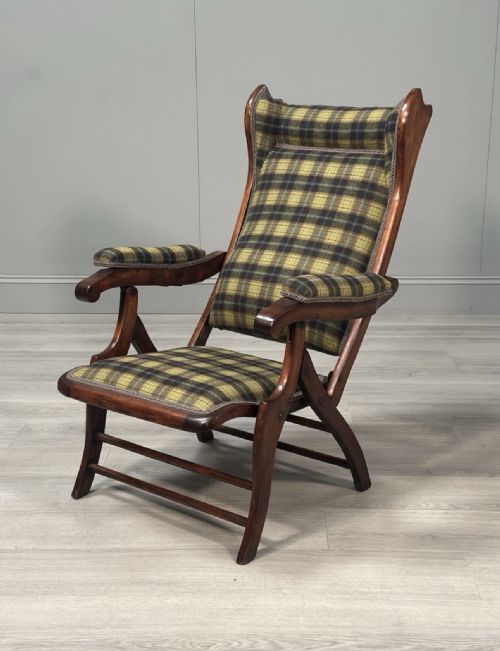

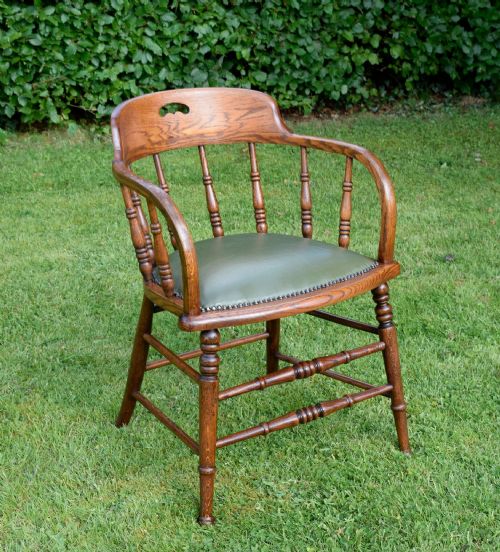
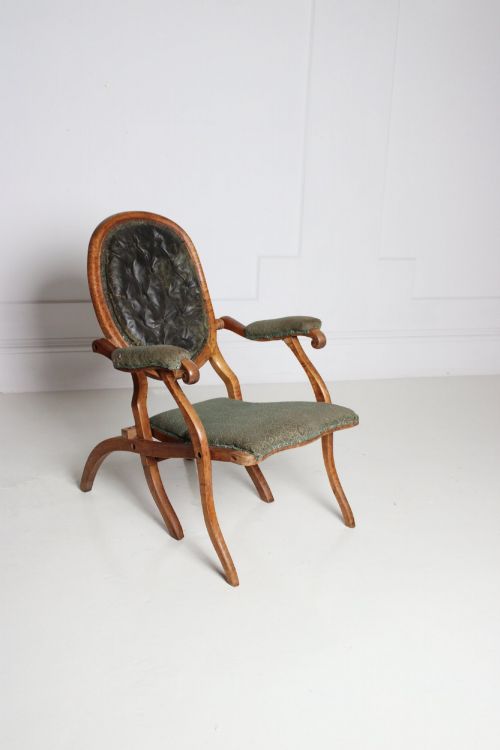
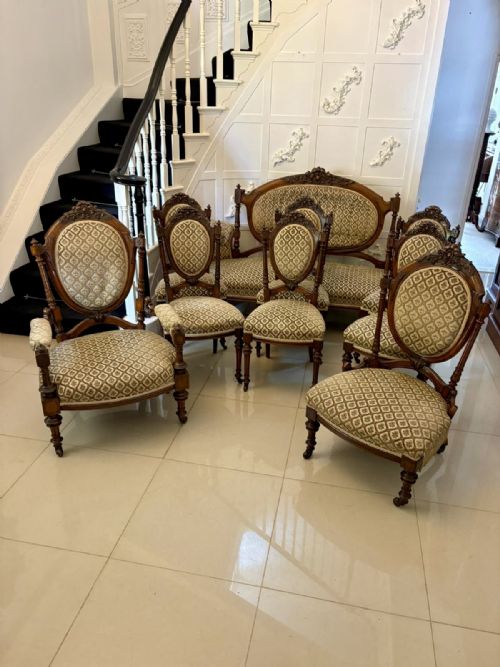
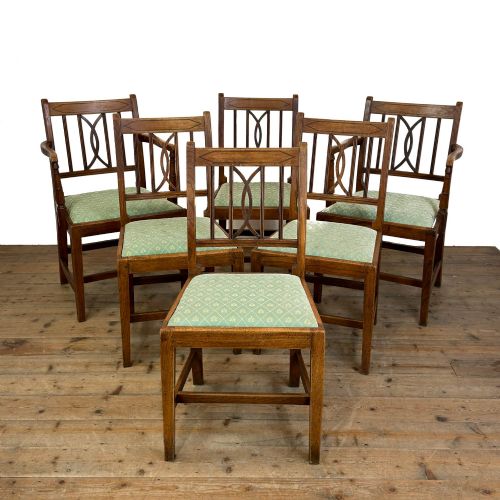
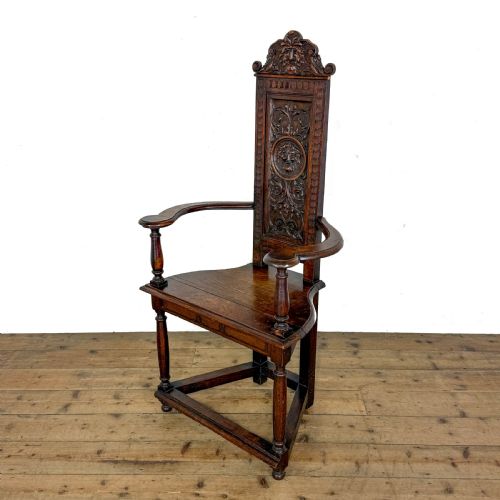

Antique Green Wooden Armchair
An antique green wooden armchair brings character and substance to a room, offering practical seating shaped by centuries of craftsmanship.
Antique Green Wooden Armchair
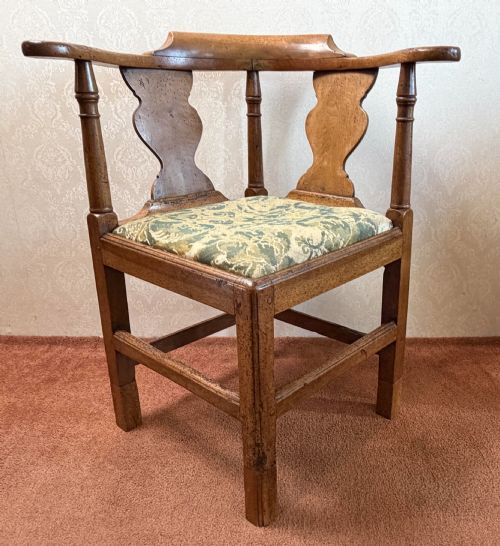
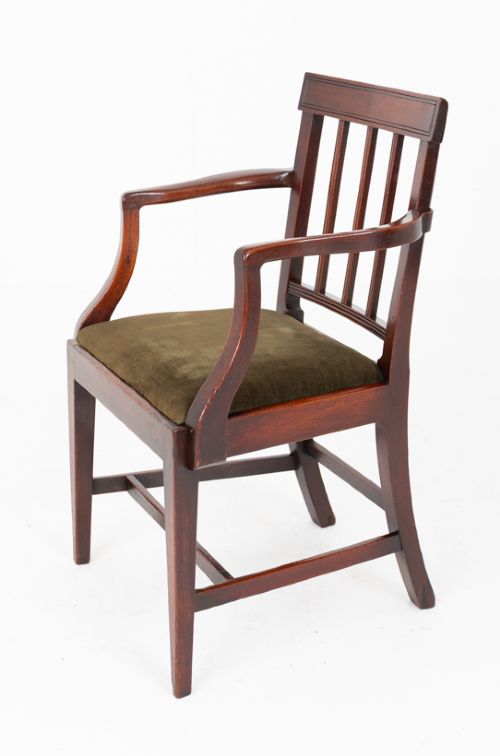
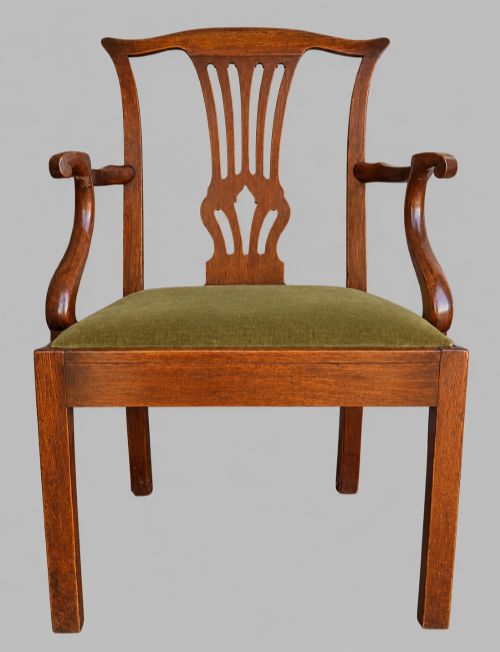
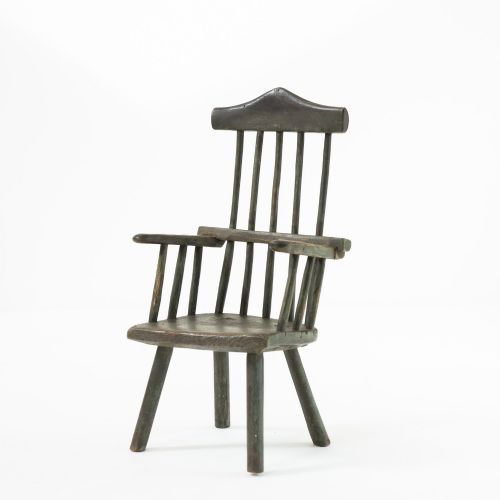
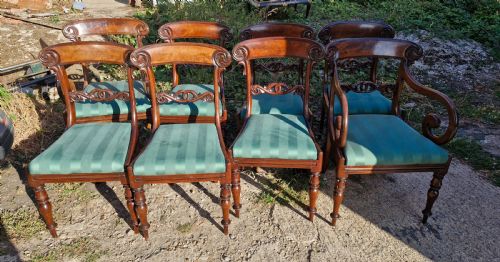
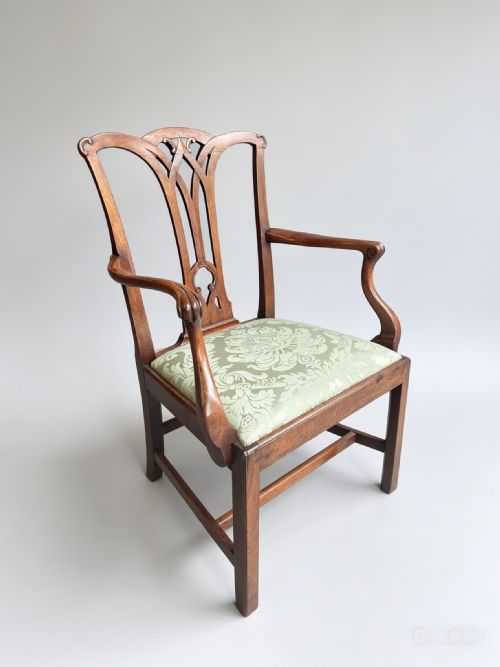
When you search for an antique green wooden armchair, you encounter seating shaped by periods ranging from the Georgian era through to the Edwardian years and the early twentieth century. These pieces encompass various forms, from country stick-back and Windsor armchairs to carved oak thrones and refined mahogany elbow chairs.
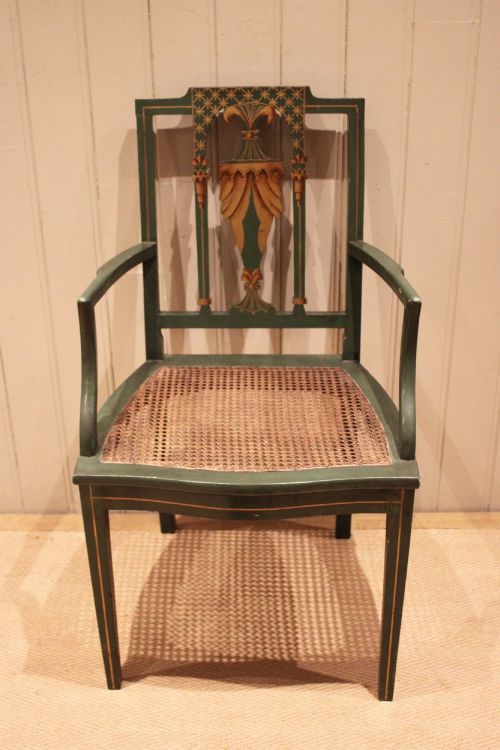
The green painted or finished wooden surfaces seen on this page reflect both original folk art traditions and later revival styles. You will find sturdy country pieces alongside more formal library and desk chairs, each showing the distinct structural hallmarks of its period of origin.
How they were made
Construction relies primarily on traditional timber framing using woods such as oak, mahogany, walnut and maple. Craftspeople utilised mortise and tenon joints to build robust frames capable of withstanding daily use over generations.
Surfaces frequently received hand-applied green paint, sometimes layered over earlier primers or left as polished wood, whilst upholstered variants incorporated materials like leather, fabric, brass detailing and velvet.
Antique Green Wooden Armchair Retail Price Guide 2026
Typical asking prices for green wooden armchair among the pieces listed under this phrase on Sellingantiques today, from the lower quarter to the upper quarter. They describe what is for sale here now, not the wider market.
Seating forms on this page include desk chairs, rocking chairs, Windsor armchairs, and child-sized stick-backs.
What varies in quality
Quality rests in the integrity of the timber frame and the precision of the joinery rather than surface ornamentation alone. Superior examples maintain rigid structural joints without excessive modern reinforcement.
The subtlety of hand-carved details, the depth and weathering of original green paint surfaces, and the balanced proportions of the arms and back all distinguish finer workshop production from simpler vernacular pieces.
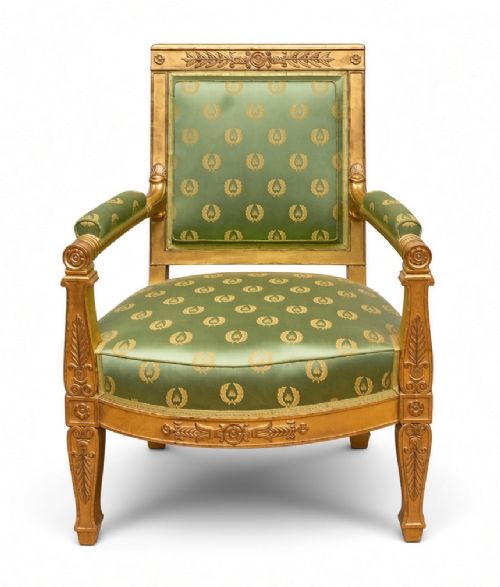
Jacob Desmalter
The Antique Green Wooden Armchair Glossary
- Elbow chair
- An armchair designed with low arms, frequently utilised as a desk or dining carver.
- Stick back
- A chair construction method where turned wooden spindles are inserted directly into the seat and top rail.
- Carver
- A traditional term for an armchair that matches a set of smaller dining chairs.
- Windsor
- A traditional chair type featuring a solid wooden saddle seat into which the legs and back bows are wedged and secured.
- Fauteuil
- An open-framed wooden armchair with upholstered armrests, originating from French design traditions.
Antique Green Wooden Armchair: Frequently Asked Questions
How do I identify a Georgian green wooden armchair?
Georgian pieces typically display formal proportions, structural restraint, and timbers such as mahogany or oak. Painted green surfaces on these frames often relate to later decorative updates or country vernacular traditions rather than original high-style finish.
Examine the joinery beneath the seat and the profile of the arm supports to determine the manufacturing period. Simple changes in leg shape and back splat design help separate eighteenth-century examples from later revival pieces.
Where should I place an antique armchair at home?
These armchairs function effectively as desk seats, reading chairs in living spaces, or statement pieces in hallways. Their sturdy wooden frames suit daily use when paired with appropriate interior settings.
Keep wooden and painted surfaces away from direct heat sources and strong sunlight to protect the finish. Position them where the proportions of the arms and back do not crowd smaller rooms.
What does stick back mean on a chair?
A stick back refers to a construction method where individual turned wooden spindles form the backrest. These spindles fit into holes bored through the seat and underside of the top rail.
This technique provides light yet robust support, commonly seen in country armchairs and Windsor variations. The simplicity of the assembly defines much of the folk art character.
Are painted wooden armchairs original?
Many wooden armchairs received green paint finishes during their working life, sometimes as folk art decoration or regional country custom. Determining originality involves inspecting the paint layers for age-related wear and underlying timber preparation.
Secondary or later decorative painting was a common practice across the nineteenth century to refresh older furniture. Such finishes contribute to the visual history of domestic seating.