
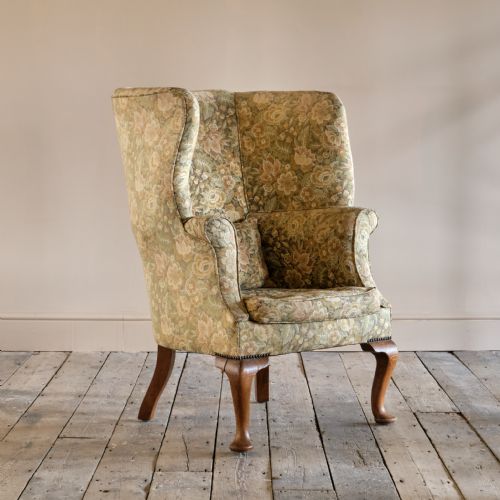


Antique Green Wing Chair
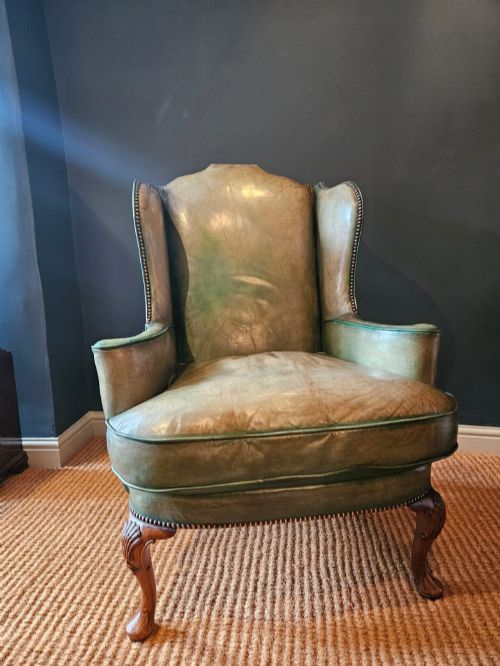
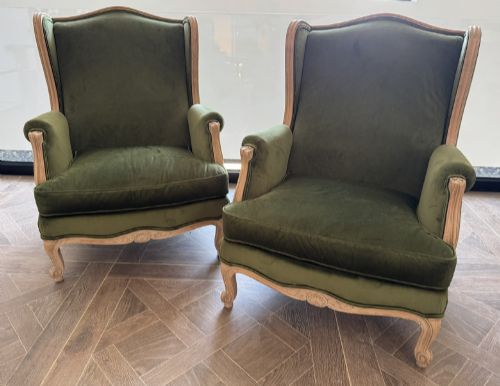
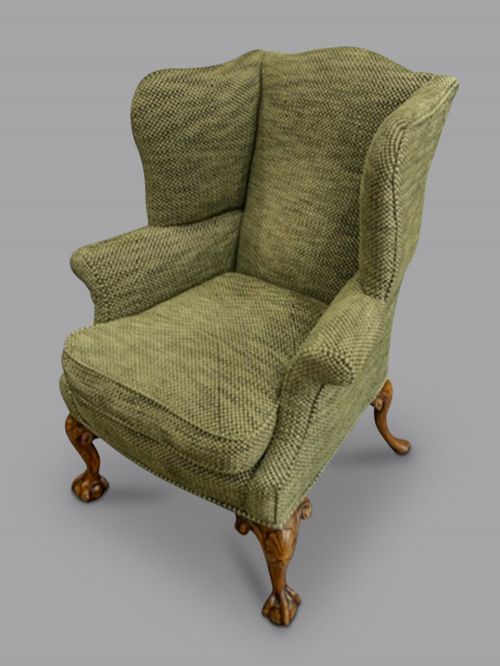
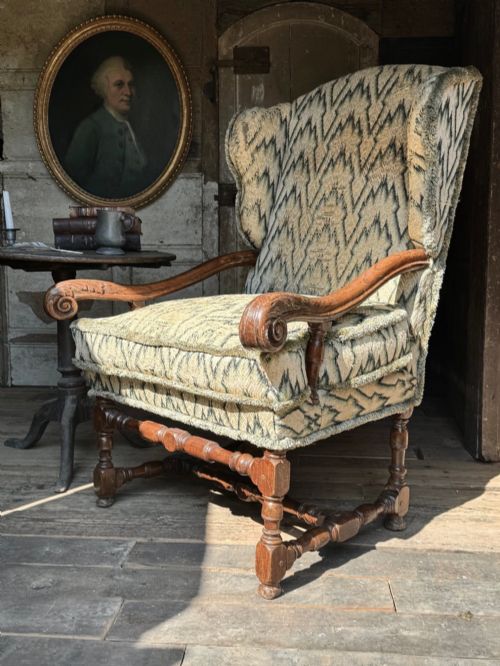
An antique green wing chair brings deep comfort and formal presence to a room, anchored by protective side panels designed to block draughts.
Antique Green Wing Chair
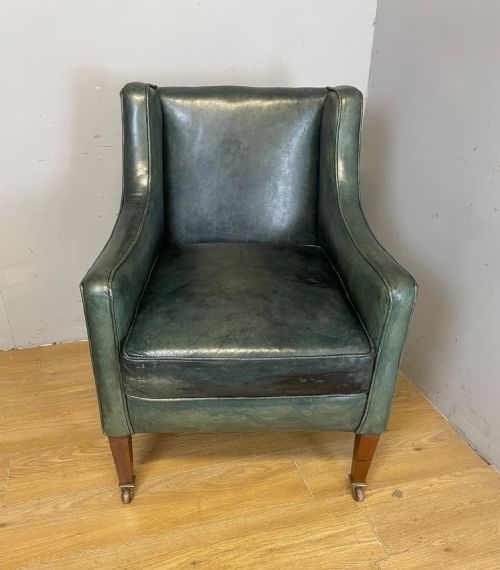
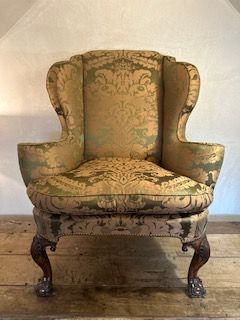
An antique green wing chair is an upholstered fireside armchair featuring characteristic side wings designed originally to trap heat and deflect cold air. The pieces gathered under this search phrase span from the eighteenth century through the Edwardian era, taking forms that range from restrained Georgian silhouettes to elaborate Victorian interpretations.
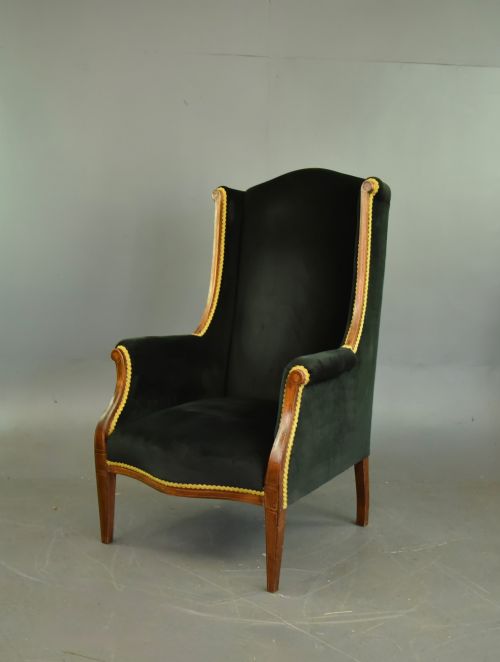
The green upholstery appears in varied textiles across the listings, covering everything from faded leather and hide to velvet, tapestry fabric, and ticking. Buyers frequently encounter revival iterations alongside earlier pieces, including Queen Anne style frames, George III mahogany designs, and Edwardian interpretations.
Makers and designers referenced in the broader evidence include Thomas Hope and Howard & Sons, alongside numerous anonymous workshops. These seating forms extend to include both individual armchairs and paired library or fireside seats, occasionally appearing alongside related sofa forms.
Materials and construction methods
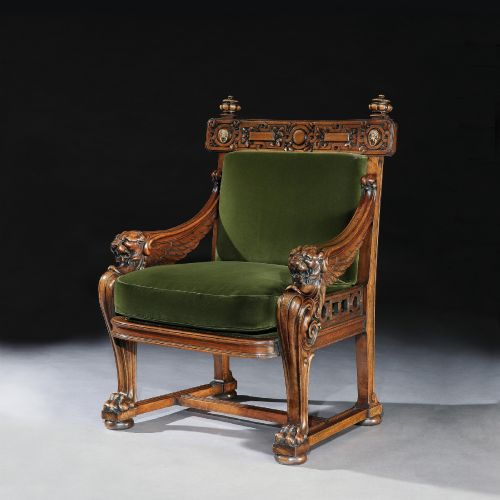
The underlying frames of these chairs rely on hardwoods such as mahogany, walnut, oak, and general timber framing, providing sturdy skeletons to support deep upholstery. Joinery techniques and wood turning define the exposed legs, which include cabriole shapes and inlaid mahogany supports.
Upholstery materials define the visible character of the seating, utilising leather, hide, velvet, and tapestry fabric secured over traditional stuffing and springs. Brass accents and detailed button-back stitching frequently complete the decorative scheme of the frame.
Frame woods represented in the inventory include mahogany, walnut, oak, and general hardwood.
Distinctions in quality and execution
Quality in these chairs rests upon the integrity of the timber frame, the precision of the carved or cabriole leg details, and the depth of the proportions. Finer examples retain their original structural timberwork and show careful attention to the upholstery finish, whether in patinated leather or heavy velvet.
The distinction between standard commercial production and superior craftsmanship often reveals itself in the subtlety of the wing curves and the harmony of the proportions. Pieces reflecting specific historical design periods, such as George III or Queen Anne style revivals, demonstrate varying degrees of fidelity to original cabinetmaking standards.
Thomas Hope·Howard & Sons
The Antique Green Wing Chair Glossary
- Wingback
- An armchair design featuring side panels attached to the arms to shield the sitter from draughts. This signature silhouette defines the entire category.
- Cabriole leg
- A furniture leg featuring a double curve, typically arching outward and then inward toward a pad or claw foot. This form appears frequently on Georgian and revival examples.
- Monopodia
- A carved furniture support taking the form of a single animal leg, often seen on neoclassical or nineteenth-century designs. This decorative feature reflects classical influence.
- Hide
- Untanned or tanned heavy animal skin utilised for durable upholstery. Green hide appears across several Victorian and Edwardian listings.
- Ticking
- A tightly woven, durable cotton or linen fabric traditionally used to contain feather or down stuffing. This material appears on specific nineteenth-century upholstered seating.
Antique Green Wing Chair: Frequently Asked Questions
What is a wing chair used for?
These chairs were originally designed to sit near fireplaces, where the characteristic side wings trapped heat and protected the occupant from cold draughts. Today, they serve as prominent fireside or library seating that adds traditional character to a room.
Their substantial upholstered frames provide deep comfort and a formal silhouette suited to studies, living rooms, and reading spaces.
How do I identify a Georgian wing chair?
Georgian pieces typically feature hand-carved mahogany or walnut frames with distinct proportions, often showcasing cabriole legs or straight stretchers depending on the exact decade of manufacture. The woodwork displays traditional joinery methods associated with eighteenth-century cabinetmaking.
Many later pieces adopt these same historical traits under revival styles, making timber analysis and construction inspection essential for precise dating.
What is the difference between leather and fabric upholstery?
Leather and hide upholstery offers a smooth, patinated surface that ages distinctively with use, frequently appearing in shades of green on nineteenth and twentieth-century models. Fabric options, including velvet, tapestry, and ticking, provide softer textures and varied visual patterns.
The choice between leather and textile changes both the tactile experience and the overall formality of the armchair within an interior scheme.
Are these chairs comfortable for daily use?
Most examples are built with deep seating and supportive backrests designed for extended periods of reading or resting by the fire. The inclusion of springs and traditional padding in many nineteenth and twentieth-century models contributes to their supportive nature.
Upholstered fireside chairs vary in firmness depending on their age, internal stuffing materials, and whether they have undergone modern restoration.