
Antique Green Urn
When you search for an antique green urn, you are looking at decorative vessels shaped in classical or organic styles.
Antique Green Urn
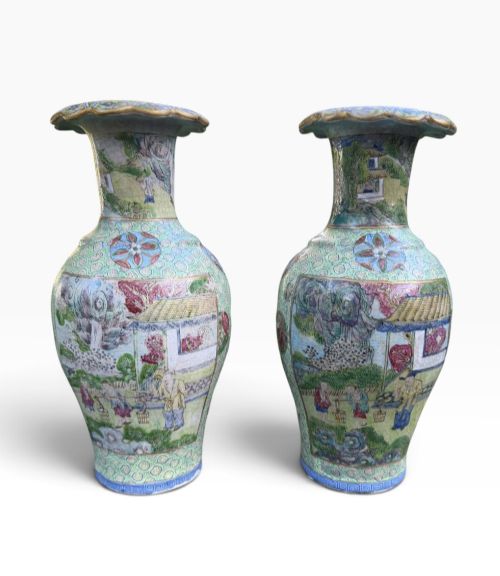
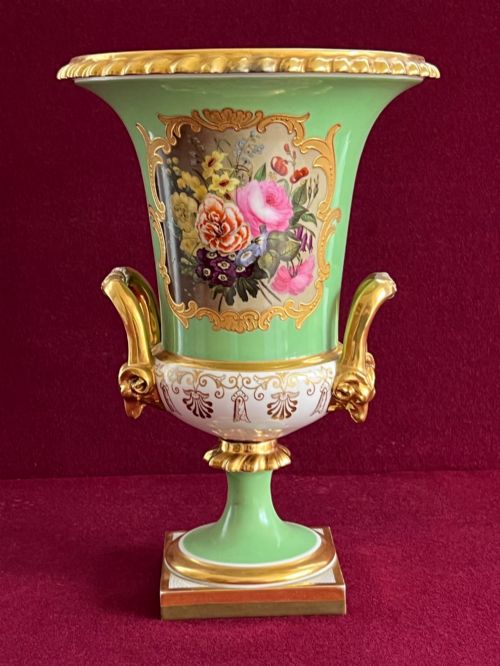
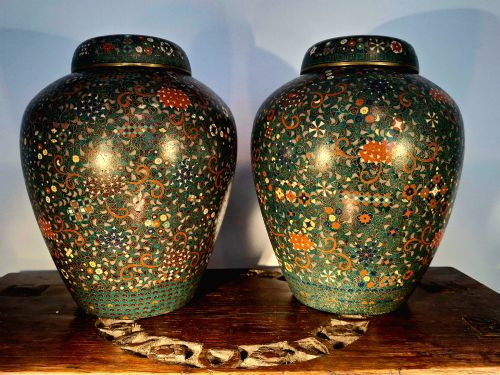
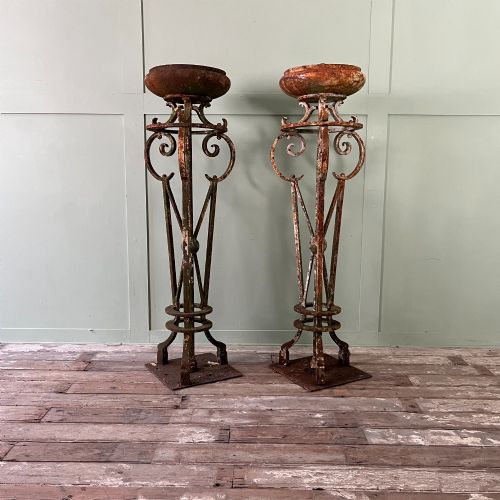
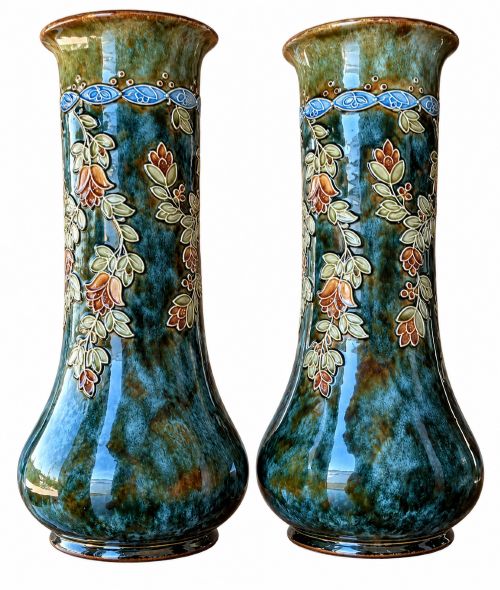
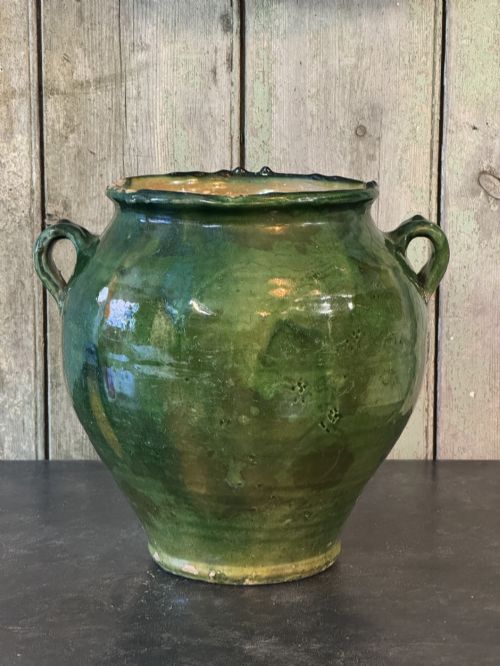
The version most frequently met on this page is the nineteenth-century ceramic or stoneware vase, particularly those bearing rich green glazes from makers such as Royal Doulton and Burmantofts. Garden planters in cast iron and French confit pots also appear regularly among the selections.
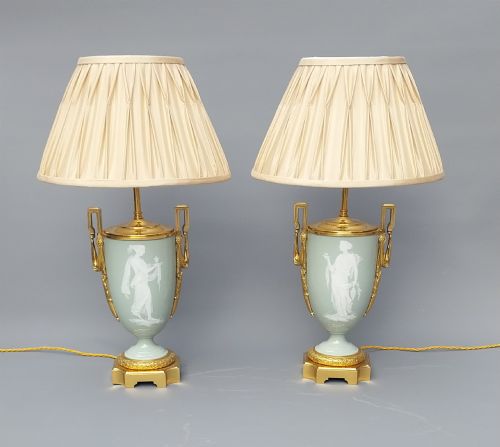
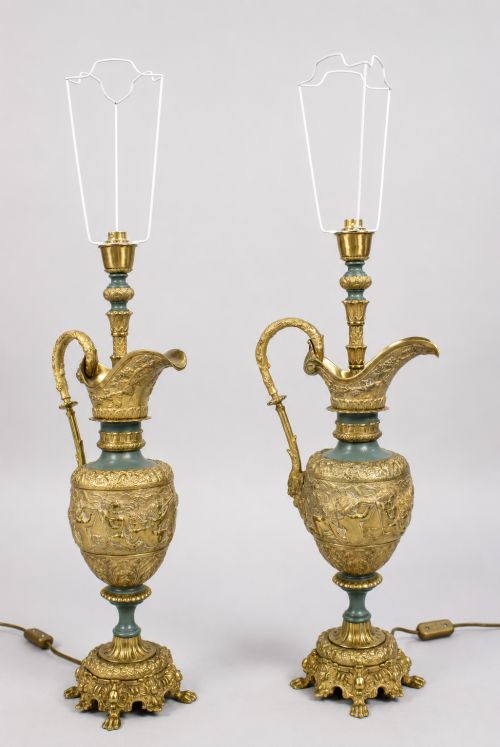
Buyers seek these items to anchor a room or garden with rich colour and historical form. Their varied scales allow them to function as mantel ornaments, table lamps, or prominent garden centrepieces.
How they were made
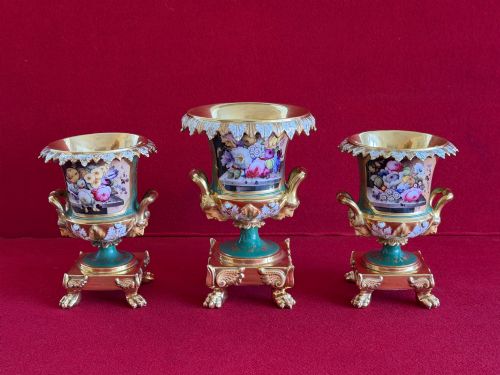
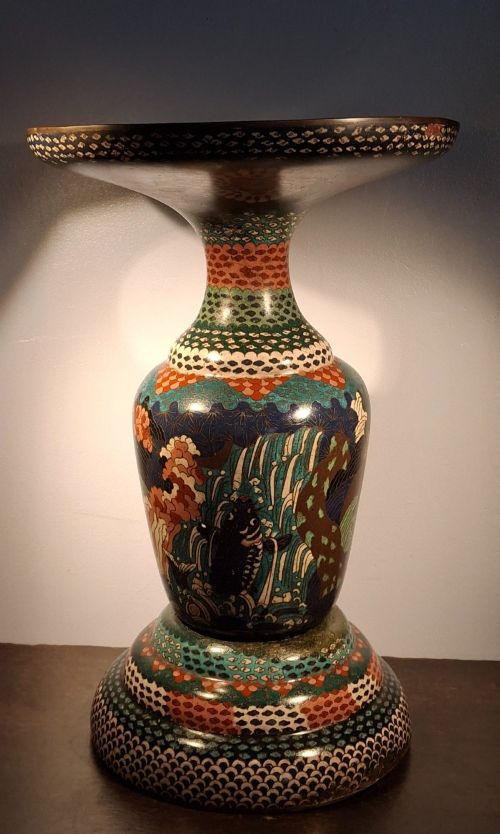
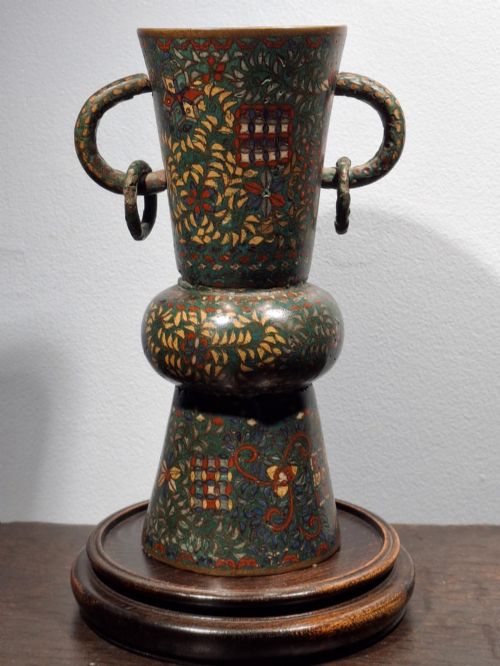
Makers utilised various techniques, combining ceramic throwing with specialised glazing methods to achieve deep green hues. Stoneware and earthenware bodies received drip glazes, enamel, or pate-sur-pate decoration, while metal versions combined cast bronze or iron with gilt mounts and champlevé enamel detailing.
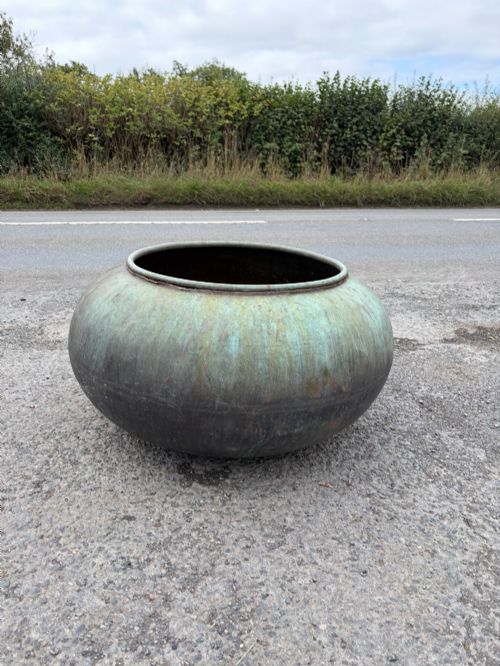
Foundries and potteries relied on manual moulding and turning, evident in the weight of cast iron garden urns and the precise throw lines of stoneware baluster vases. Surface finishes range from high-fired glossy glazes to weathered verdigris patinas on exterior metalwork.
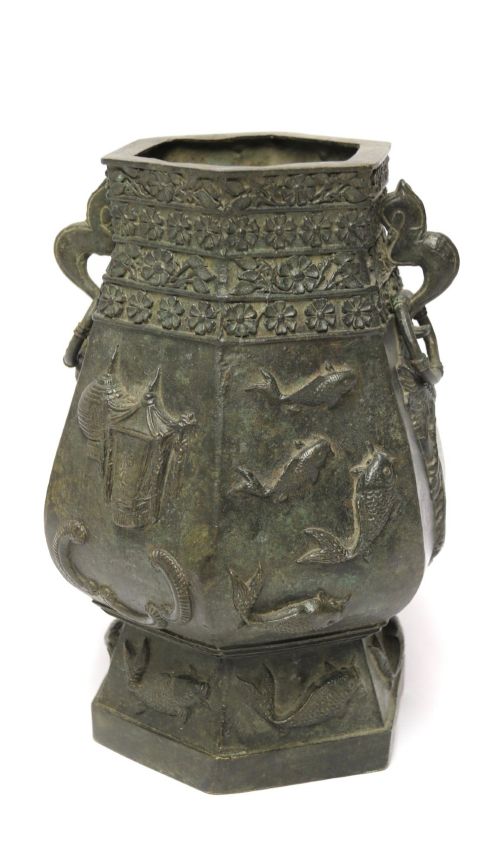
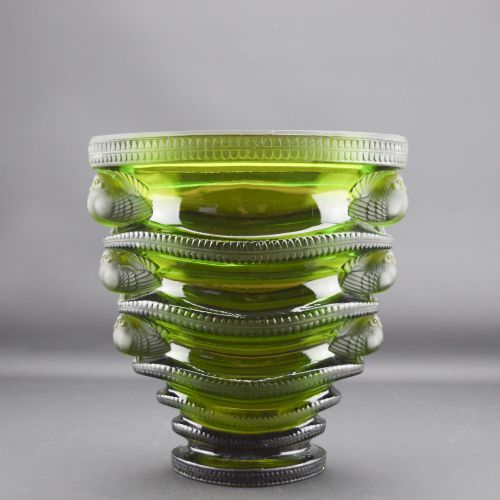
Listings feature items from the eighteenth, nineteenth, and early twentieth centuries, utilising materials like bronze, earthenware, jade, and glass.
What varies in quality
Quality rests in the crispness of the casting, the depth and consistency of the green glaze, and the preservation of original mounts and lids. Pieces bearing distinct artist signatures or originating from notable potteries command greater attention from collectors.
Structural integrity and surface wear distinguish finer examples from standard decorative items. Intricate hand-painted details, precise patination, and intact hardware elevate certain vases and urns above mass-produced counterparts.
Royal Doulton Lambeth·Burmantoft's Pottery·Rene Lalique·Zsolnay Pecs·Loetz Witwe·Makuzu Kozan·Gillows Of Lancaster·H & R Daniel
The Antique Green Urn Glossary
- Cassolette
- A decorative vase or urn with a reversible lid that functions either as a solid vessel or a burner for perfumes. These often feature marble bodies with gilt bronze mounts.
- Pate-sur-pate
- A ceramic decoration technique where liquid clay is built up in successive layers on a contrasting background to create a low relief cameo effect.
- Champleve
- An enamelling technique where troughs are carved into a metal surface and filled with vitreous enamel powder before firing.
- Baluster
- A vertical architectural form with a swelled base that inspires the curved, vase-like silhouette seen in many nineteenth-century vessels.
- Verdigris
- The green patina that forms naturally on copper, brass, or bronze through long exposure to atmospheric elements.
Antique Green Urn: Frequently Asked Questions
Where were antique green urns originally placed?
These vessels served diverse roles ranging from formal garden ornaments on grand estates to decorative interior centrepieces on mantelpieces and side tables. Many smaller ceramic versions were created specifically for display within nineteenth-century drawing rooms.
Larger iron and stone variants were designed to withstand exterior elements, framing pathways, terraces, and courtyards in both French and English gardens.
How do I care for a ceramic urn?
Ceramic and porcelain vessels require gentle dusting with a dry, soft cloth to protect fragile glazes and hand-painted surface details. Avoid using commercial cleaning liquids or abrasive materials that can strip historical patinas.
Interior pieces should be kept away from direct, harsh sunlight to prevent any fading of the green enamel or glaze over extended periods.
Can iron garden urns stay outside all winter?
Cast iron and heavy stoneware garden planters generally withstand outdoor conditions, but extreme frost can crack damp earthenware or poorly drained vessels. Raising containers slightly off the ground on pot feet prevents water from freezing at the base.
Moving delicate pieces indoors or under shelter during severe winter weather extends their physical lifespan.
How can I tell Art Nouveau urns apart?
Art Nouveau pieces display characteristic fluid, asymmetrical lines inspired by natural forms, often incorporating stylized floral motifs and drip glazes. These contrast sharply with the strict symmetry and classical proportions found in earlier Neoclassical or Grand Tour designs.
Maker marks and specific glaze formulations typical of the late nineteenth century help pinpoint the exact artistic movement.