



Antique Green Trunk
An antique green trunk brings practical storage and rich surface character to a room, offering robust construction paired with deep historical pigment.
Antique Green Trunk
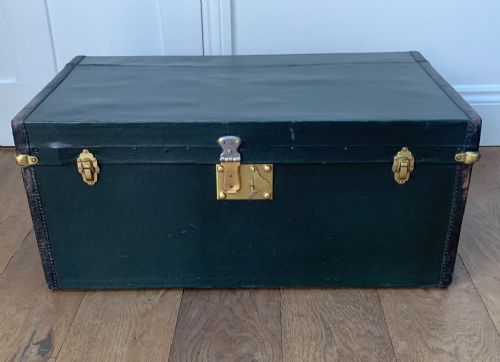
When you search for an antique green trunk, you encounter a variety of storage containers built from wood, leather, and iron, spanning the eighteenth, nineteenth, and early twentieth centuries. These pieces encompass campaign chests, painted pine blanket boxes, coaching trunks, and coffer chests originating from English, Dutch, Swedish, and China Trade workshops.
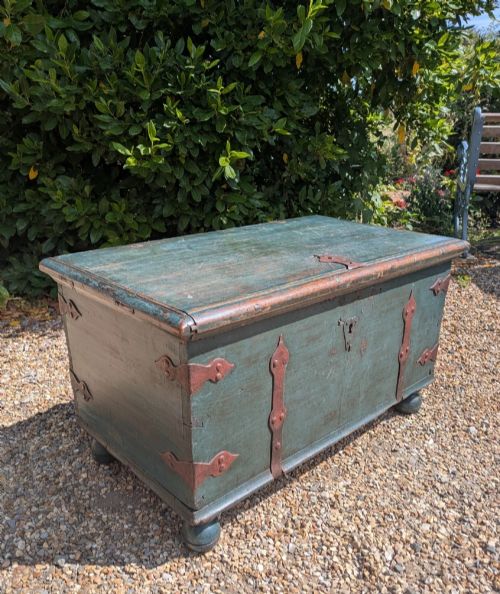
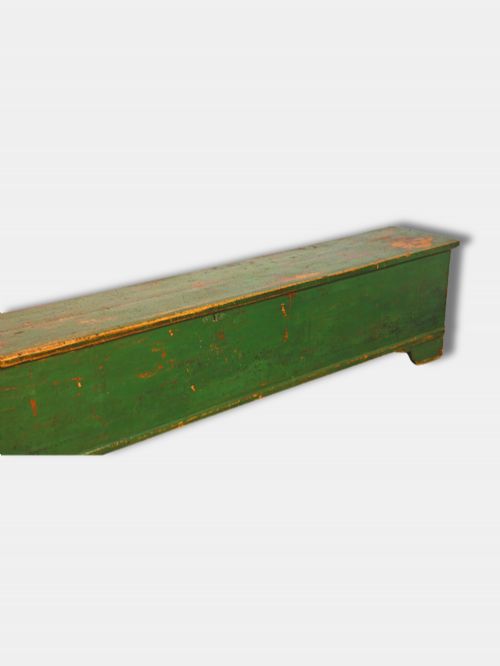
The painted pine and oak examples frequently display original green surfaces, ranging from muted country tones to deep patinated finishes. Many retain utilitarian hardware such as hand-forged iron strapwork or brass bindings, serving both travel and domestic storage needs across generations.
Materials and construction
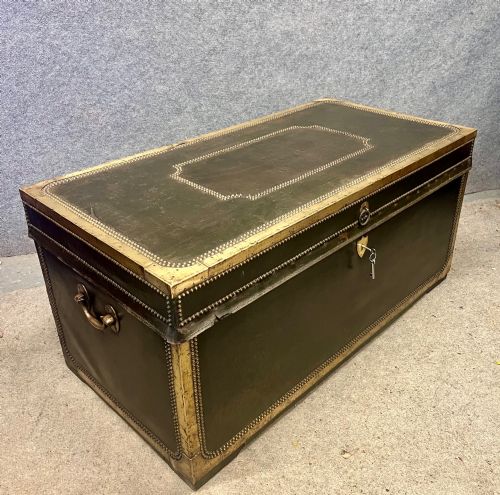
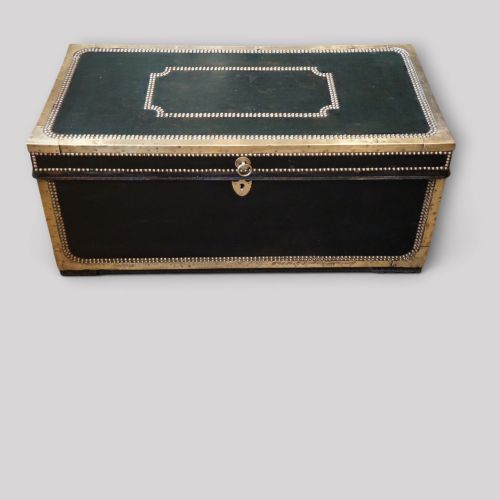
Makers constructed these trunks primarily using solid timbers like pine, oak, camphor wood, and sycamore, joined to withstand rigorous travel or heavy household use. Surfaces were frequently treated with oil-based green paint, or covered in leather with brass studwork and strapwork for reinforcement.
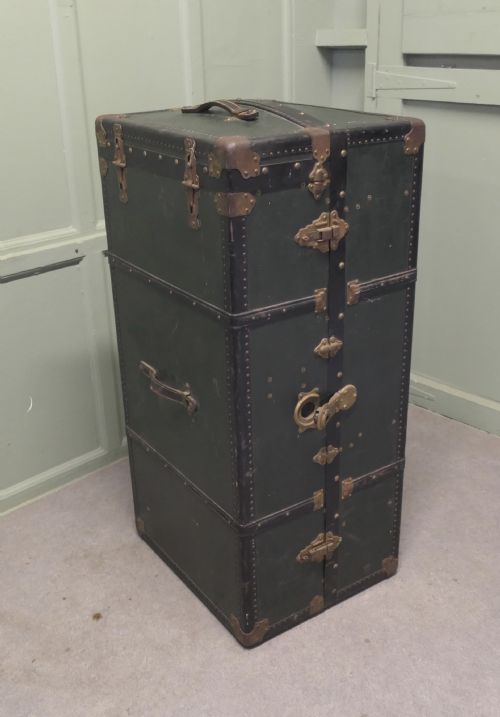
Hardware details such as hand-forged iron hinges, latches, and side carrying handles demonstrate traditional blacksmithing techniques. Interiors often remained bare timber or featured simple compartments, while specialised campaign pieces incorporated folding mechanisms and fitted compartments.
Antique Green Trunk Retail Price Guide 2026
Typical asking prices for green trunk among the pieces listed under this phrase on Sellingantiques today, from the lower quarter to the upper quarter. They describe what is for sale here now, not the wider market.
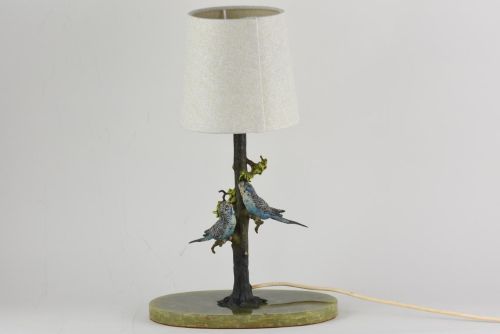
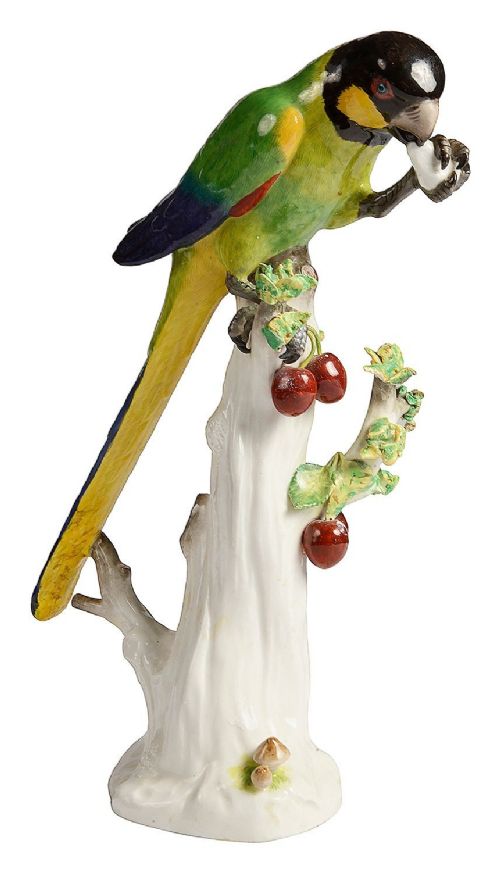
At least one nineteenth-century piece shares its listing with a perched Meissen parrot.
Factors of quality
Quality rests heavily on the survival of original surface paint and the integrity of the primary timber. Trunks retaining untouched, weathered green pigment show superior retention compared to those stripped or later repainted, holding more direct historical evidence.
The caliber of the hardware distinguishes standard utility pieces from finer examples. Hand-forged iron strapwork, intact brass binding, and original locks or leatherwork demonstrate superior craftsmanship and elevate the standing of the piece.
Allen of London·John Pound·W.E Hill
The Antique Green Trunk Glossary
- Campaign trunk
- A portable storage chest designed for military officers or travellers, featuring recessed handles, reinforced corners, and robust locks to endure long journeys.
- Strapwork
- Decorative or reinforcing bands of iron, brass, or leather fixed across the exterior of a chest to secure the wooden panels.
- Coffer
- A heavy wooden box or chest traditionally used for storing valuables, often featuring a hinged lid and carved or panelled construction.
- Kist
- A traditional regional term, particularly used in Scotland and northern England, for a heavy wooden storage chest or blanket box.
Antique Green Trunk: Frequently Asked Questions
What were antique green trunks used for?
These trunks served primarily for transporting personal belongings, military equipment, and household goods during travel by coach, ship, or rail. In domestic settings, they functioned as blanket boxes, general storage chests, and blanket kists.
Over time, their robust build allowed them to adapt to changing household needs while protecting textiles and valuables from dust and dampness.
How do I care for a painted wooden trunk?
Keep the piece away from direct sunlight and steady heat sources to prevent the historic green paint and timber from drying out and cracking. Dust gently with a dry, soft cloth and avoid chemical cleaning agents that might strip the original pigment.
Maintaining stable indoor humidity preserves both the wood beneath and the fragile surface finish built up over centuries.
How can I tell the age of a trunk?
Dating relies on examining construction methods, such as hand-forged ironwork, dovetail joints, and the type of wood employed, such as early camphor wood or traditional oak. Fasteners like hand-cut nails and the composition of the locks provide reliable clues to the period of manufacture.
Surface characteristics, including craquelure in the green paint and wear patterns on leather or brass, further align the piece with its era of origin.