



Antique Green Plates
Antique green plates bring distinct colour and historic craft to a room, spanning delicate porcelain services and bold cloisonné chargers.
Antique Green Plates
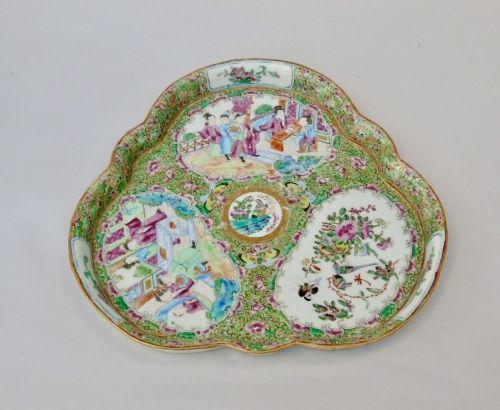
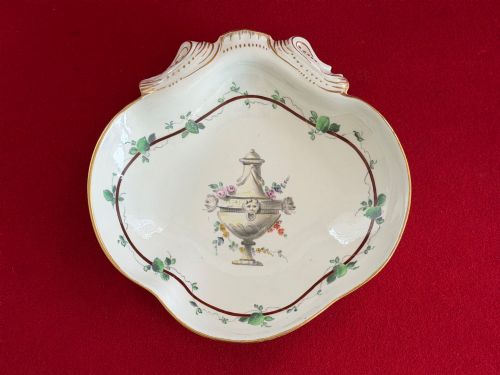
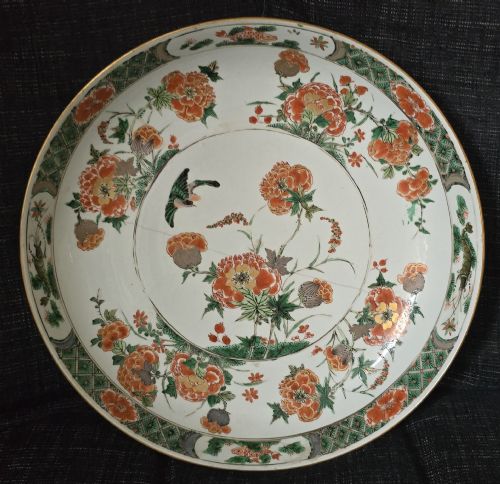
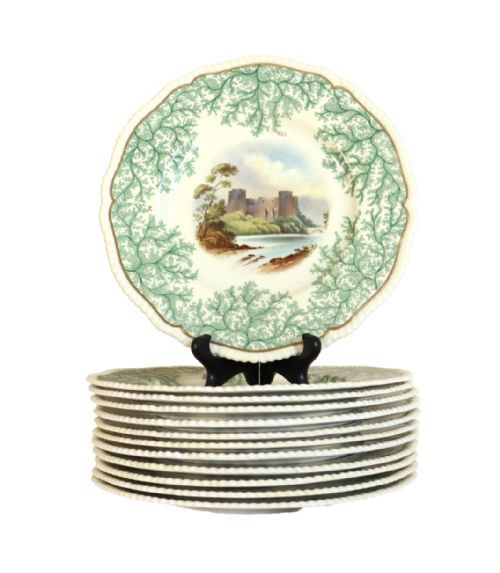
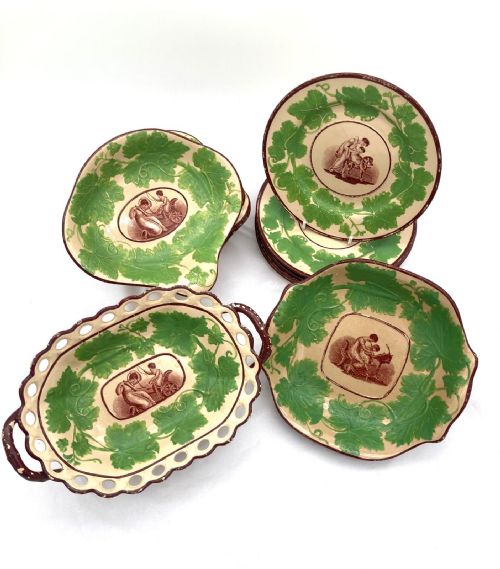
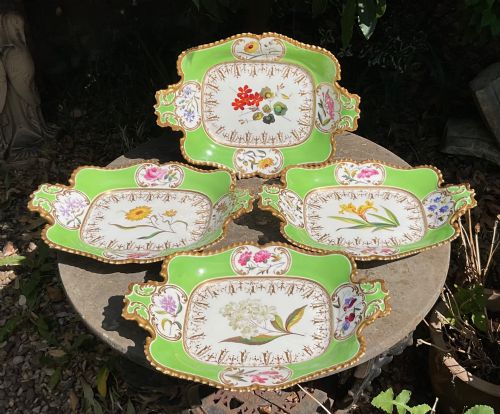
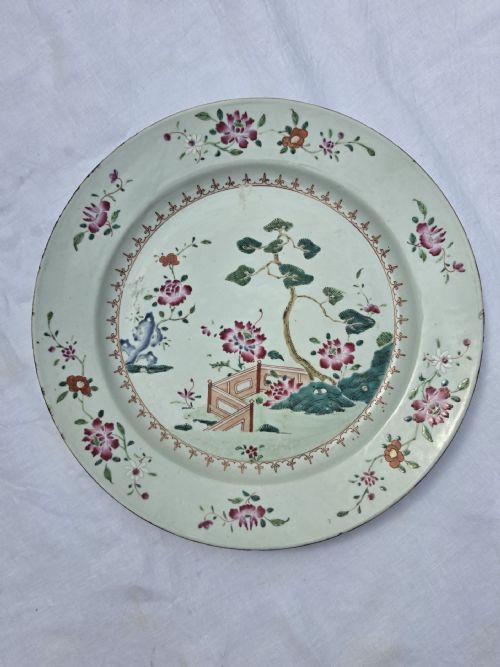
When you search for antique green plates, you encounter an array of decorative dishes, chargers, and dessert services spanning multiple centuries and continents. The pieces on this page range from Chinese export porcelain and Japanese cloisonné enamel to English earthenware and porcelain from makers such as Spode, Wedgwood, and Minton.
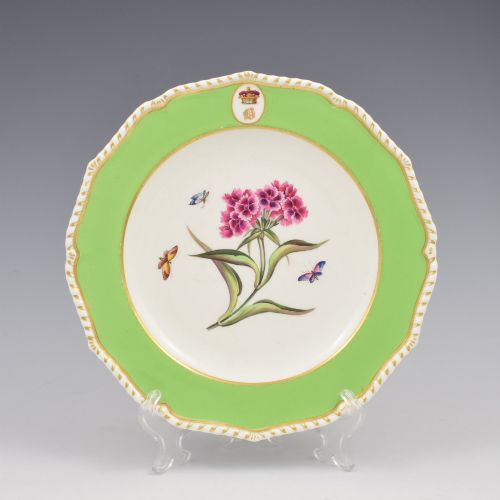
The forms vary from large decorative chargers to matched sets intended for formal dining. You find green employed as a primary ground colour on cabinet dishes, botanical dessert plates, and armorial services dating from the Georgian and Regency periods through to the Edwardian era.
Materials and production methods
The physical construction relies heavily on ceramic bodies, porcelain, and earthenware, alongside metal foundations used in Japanese cloisonné enamel work. Pigments and glazes achieve the characteristic green tones, seen in apple green porcelain grounds, majolica glazes, and enamelled copper trays.
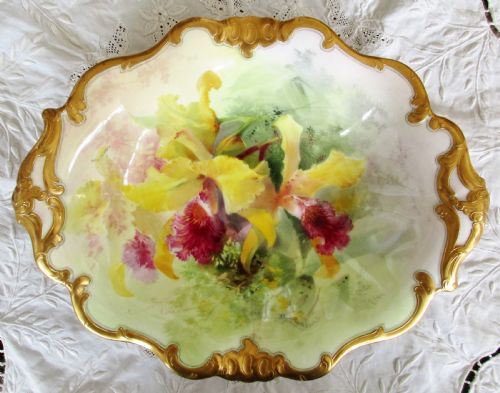
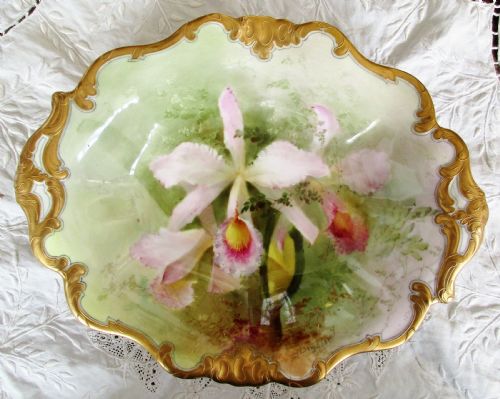
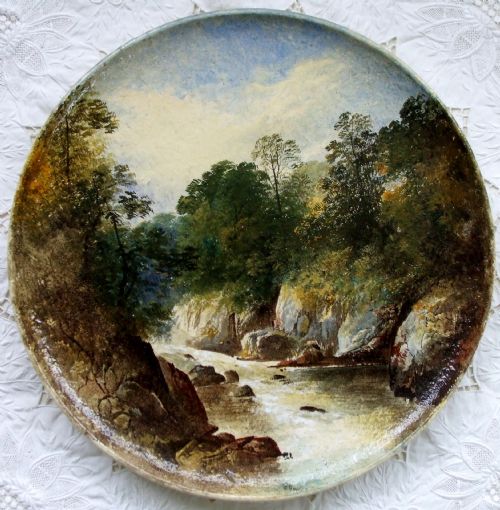
Techniques combine hand-painting with transfer printing and metallic wirework. Artisans applied detailed botanical illustrations, hand-painted scenes, and armorial crests directly onto the glazed surfaces before firing.
Antique Green Plates Retail Price Guide 2026
Typical asking prices for green plates among the pieces listed under this phrase on Sellingantiques today, from the lower quarter to the upper quarter. They describe what is for sale here now, not the wider market.
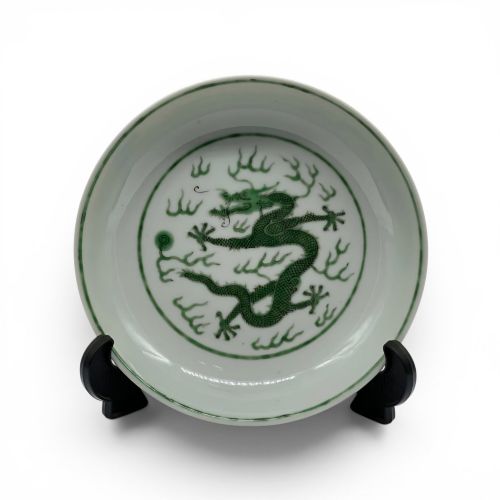
Watch for the fierce gaze of a green dragon dish or an enamel shrimp charger keeping watch from the sideboard.
Assessing quality in green plates
Quality rests on the crispness of the hand-painted detail and the depth of the glaze. Superior examples display finely controlled brushwork on botanical or figurative motifs, whereas standard pieces rely on simpler transfer-printed outlines.
The refinement of the ceramic body or the precision of the cloisonné wirework dictates the standing of a dish. Pieces bearing documented studio work or specific familial provenance demonstrate higher levels of artistry.
James Giles·Spode·Wedgwood·Chamberlains Worcester·Royal Doulton·Copeland Pottery·Desvres·Bloor Derby·WMF·Minton
The Antique Green Plates Glossary
- Charger
- A large decorative plate or dish, typically used for display rather than service at the table. These pieces often feature intricate enamel or painted designs.
- Dessert service
- A matched set of plates and dishes created specifically for serving the final course of a formal meal. They frequently include botanical or armorial decorations.
- Cloisonné
- A metalwork technique where fine wires form compartments on a surface, which are then filled with coloured enamel. Japanese examples from the nineteenth century often depict birds and landscapes.
- Majolica
- A type of earthenware covered with an opaque coloured glaze, known for vibrant hues and moulded relief decoration. Victorian examples show high dimensional detail.
- Armorial
- A design incorporating a family crest or coat of arms. These bespoke commissions denote ownership by specific historical families.
Antique Green Plates: Frequently Asked Questions
Were antique green plates meant for daily dining?
Many fine porcelain and earthenware services were reserved for special occasions and formal dining rituals. Dessert services, in particular, were brought out only for the final course of a meal.
Larger chargers and plaques served purely decorative purposes, displayed on walls or sideboards rather than used for food.
How can I tell a Georgian plate from a Victorian one?
Georgian pieces often feature hand-painted botanical studies or armorial crests with softer, neo-classical colour palettes. Spode and Bloor Derby examples from this era show distinct paste characteristics.
Victorian items frequently embrace brighter chemical colours, such as majolica glazes and heavier moulded relief patterns. Maker marks on the reverse also help narrow down the production decade.
Can I hang antique plates on the wall?
You can display decorative dishes on walls using padded spring-clip hangers that distribute weight evenly across the rim. Ensure the wire or wall hook is securely fastened to support the weight of the ceramic or metal.
Choose display locations away from direct sunlight and sudden temperature changes to protect the enamel and glaze over time.