





Antique Green Commode
An antique green commode brings painted colour and capacious storage into a room, offering both practical utility and decorative presence.
Antique Green Commode
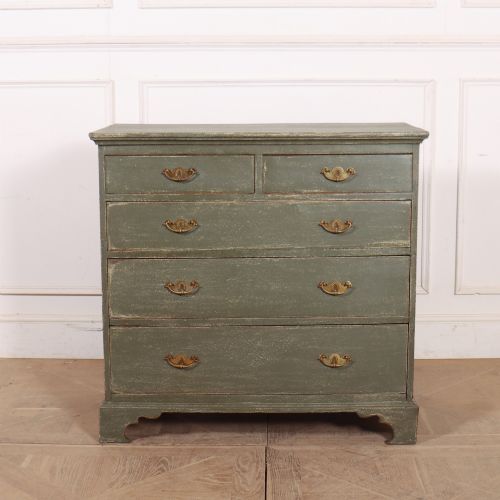
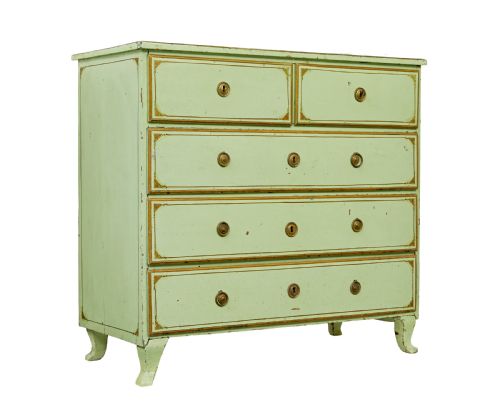
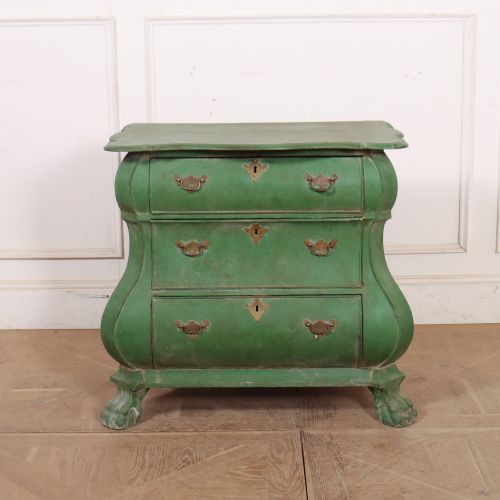
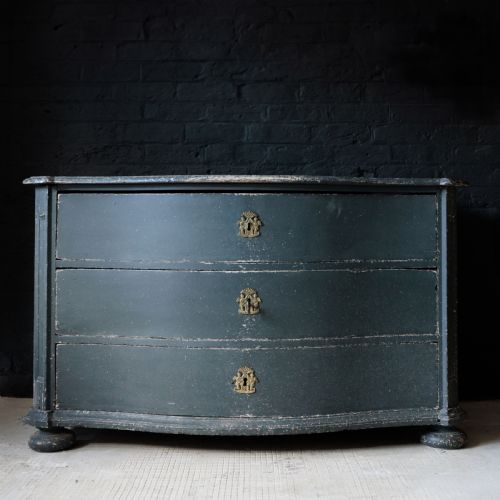
When you search for an antique green commode, you encounter a variety of low storage furniture featuring painted finishes, ranging from eighteenth-century provincial pieces to nineteenth-century continental examples. These items function primarily as chests of drawers, side cabinets, or commodes, often displaying shaped fronts such as serpentine or bow designs.
The pieces on this page lean heavily towards painted wood and pine constructions, frequently originating from continental workshops in Sweden, France, Italy, and the Netherlands. Alongside traditional chests of drawers, the selection includes bedside cabinets, sideboards, and larger buffets that share the characteristic green painted surface.
How they were made
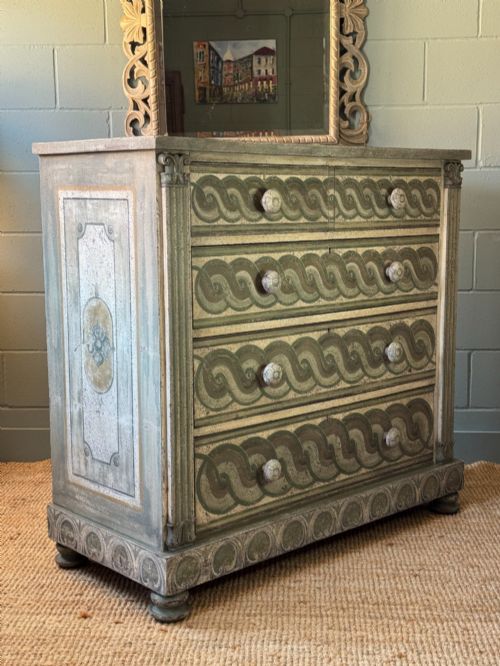
The construction relies predominantly on timber, with pine and painted wood forming the structural carcass and drawer assemblies of the provincial and continental pieces. Artisans applied layers of paint directly to the wood, sometimes employing scumble techniques or decorative motifs such as Venetian scenes to achieve the desired finish.
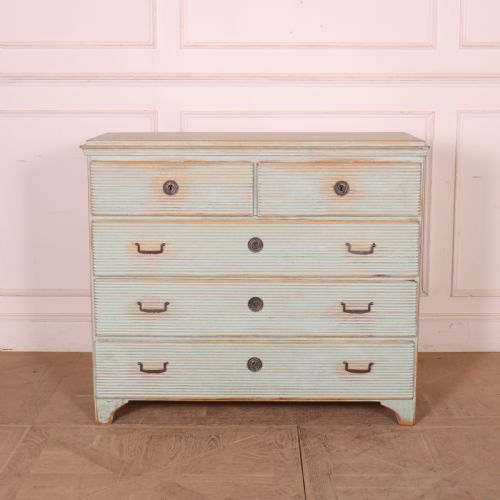
Many of the grander examples incorporate contrasting elements like marble tops, brass or ormolu mounts, and giltwood details to elevate the visual weight of the commode. Drawer fronts were often shaped into serpentine or fluted profiles, requiring precise carpentry before the final decorative painting or polishing took place.
Antique Green Commode Retail Price Guide 2026
Typical asking prices for green commode among the pieces listed under this phrase on Sellingantiques today, from the lower quarter to the upper quarter. They describe what is for sale here now, not the wider market.
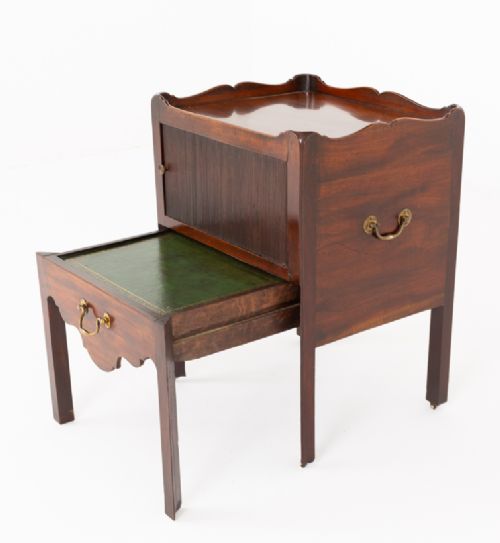
Among the stately chests and sideboards hides a humble ceramic chamber pot, proving that historical utility had a sense of humour.
What varies in quality
The integrity of the original painted surface distinguishes standard examples from exceptional ones, as later overpainting or heavy restoration alters the historic character of the piece. Surviving eighteenth and nineteenth-century pigments retain a depth and integration with the timber that modern refinishing struggles to replicate.
Structural sophistication also sets pieces apart, seen in the precision of serpentine or bombe curves, the quality of timber selection such as mahogany or pine underneath the paint, and the inclusion of original marble tops and metal mounts.
The Antique Green Commode Glossary
- Serpentine
- A furniture front characterised by a double-curved line, convex in the centre and concave at the sides. This contour requires skilled shaping of the wood drawers and frame.
- Bombe
- A swollen, bulging outward shape typical of continental commodes, particularly associated with Dutch and French furniture design. It gives the piece a volumetric and rounded profile.
- Scumble paint
- A decorative glazing technique where a translucent layer of paint is manipulated over a lighter base coat to create mottled or textured patterns mimicking grain.
- Demi-lune
- A half-moon shape used for the footprint and top of small cabinets and commodes designed to sit flush against a wall.
- Ormolu
- Gilded bronze mounts and ornaments applied to furniture, frequently seen on French and high-style continental pieces from the eighteenth and nineteenth centuries.
Antique Green Commode: Frequently Asked Questions
Where should I place a green commode?
These pieces suit hallways, living rooms, or bedrooms where their painted finish can serve as a focal point while providing concealed storage.
Their varied dimensions, from compact bedside cabinets to large breakfront sideboards, allow them to fit into both narrow passages and expansive reception rooms.
How do I clean painted furniture?
Dust the surface regularly with a soft, dry cloth to prevent the accumulation of dirt that can dull the historic paint layers.
Avoid chemical cleaning agents or excessive moisture, which can damage aged painted wood and delicate gilt details.
What is the difference between a commode and a chest of drawers?
While both provide drawer storage, the term commode often refers to lower, more decorative continental pieces with ornate fronts like serpentine or bombe shapes.
English pieces of a similar function are more frequently designated simply as chests of drawers or side cabinets.
How can I tell an eighteenth-century piece from a nineteenth-century one?
Examination of the timber construction, dovetailing, and the composition of the paint layers often reveals the age of the item.
Eighteenth-century examples frequently show hand-cut joinery and period-specific pigments, whereas nineteenth-century pieces may reflect revival styles or mechanical improvements in manufacturing.