



Antique Greek Wall Art
When you search for antique greek wall art, you encounter classical engravings, mythological oil paintings, and regional textiles spanning several centuries.
Antique Greek Wall Art
When seeking antique greek wall art, buyers find a diverse selection comprising architectural engravings, mythological prints, oil paintings, and traditional hand-embroidered textiles from the Greek islands and mainland. The most numerous items on this page are eighteenth-century architectural engravings documenting Athenian antiquities, alongside framed classical prints and nineteenth-century mythological subjects.
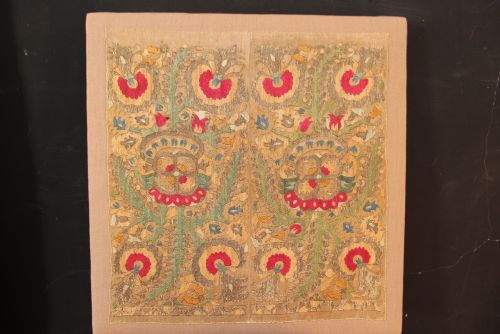
The selection extends from delicate paper engravings by printmakers such as James Basire to heavy marble dust reliefs and richly coloured oil paintings on canvas. Regional works include eighteenth-century textile panels from Epirus and Skyros embroidery, offering a domestic folk art contrast to neoclassical academic prints.
How they were made
The paper works rely on traditional copperplate etching and engraving techniques, using fine ink on laid or woven paper to capture precise architectural details of Athenian temples and mythical figures. Engravers utilised hand-operated presses to transfer deeply incised lines from metal plates.
Painted and textile works employ oil on canvas, watercolours, and intricate needlework on linen and silk grounds. Relief plaques utilise moulded marble dust compositions, while framing often incorporates gilded wood and protective glass panels.
Listings feature paper, ink, glass, wood, linen, silk, oil on canvas, and gilded wood across periods from 1700 to 1930.
What varies in quality
Quality in engraved works rests on the crispness of the plate impression and the clarity of the paper, where deeper plate marks and well-preserved ink contrast with faded or foxed sheets. Eighteenth-century architectural plates by established printmakers demonstrate superior draughtsmanship compared to later, softer impressions.
In textiles and paintings, execution determines standard, visible in the tightness of the embroidery stitches from Epirus and Skyros, or the brushwork fluidity in oil paintings and watercolours depicting classical figures and landscapes.
Antoine Calbet·John Flaxman·Jean Baptiste Isabey·Arthur Hacker·Edith E Caswall·Abraham Cooper·James Basire·Edward Rooker
The Antique Greek Wall Art Glossary
- Neoclassical
- A Western cultural movement drawing inspiration from the classical art and culture of ancient Greece or Rome. It dominated European art through the eighteenth and early nineteenth centuries.
- Engraving
- A printmaking process where an artist carves an image onto a metal plate using a burin. Ink is applied to the plate and transferred to paper under high pressure.
- Etching
- A method of printmaking where lines are bitten into a metal plate with acid rather than carved directly. The plate holds the ink to produce fine, linear images.
- Embroidered panel
- A decorative textile piece worked with needle and thread upon a ground fabric such as linen or silk. Regional examples often display traditional folk motifs from the Greek islands.
- Relief
- A sculptural technique where figures project from a flat background. Pieces on this page utilise moulded marble dust to achieve a three-dimensional classical effect.
Antique Greek Wall Art: Frequently Asked Questions
What subjects appear most often in antique greek wall art?
The subjects divide primarily between architectural surveys of Athenian antiquities, such as temples and porticos, and mythological scenes involving Greek gods, satyrs, and legends like Homer's Odyssey.
You also find regional Greek folk art, including island embroideries and nineteenth-century landscape watercolours from locations like Corfu.
How do I distinguish eighteenth-century engravings from later reproductions?
Early engravings exhibit distinct plate marks where the metal edge pressed into the paper during printing, accompanied by the characteristics of period laid paper.
Examining the crispness of the line work and the tone of the ink helps separate genuine eighteenth-century architectural plates from modern photographic reprints.
How were framed textiles like Skyros embroideries originally used?
Pieces such as hand towel end panels and island embroideries served functional and decorative roles within traditional Greek domestic interiors before later being mounted and framed.
These textile fragments display local needlework patterns unique to specific islands like Skyros and mainland regions such as Epirus.
How should I care for antique paper and textile wall art?
Paper engravings and watercolours require protection from direct sunlight to prevent the fading of ink and discolouration of the paper support over time.
Maintaining stable indoor humidity levels prevents degradation in both fragile paper sheets and historical textile panels mounted behind glass.