




Antique Gravy Vessel
An antique gravy vessel brings centuries of dining heritage to the table, offering practical elegance for serving warm sauces.
Antique Gravy Vessel
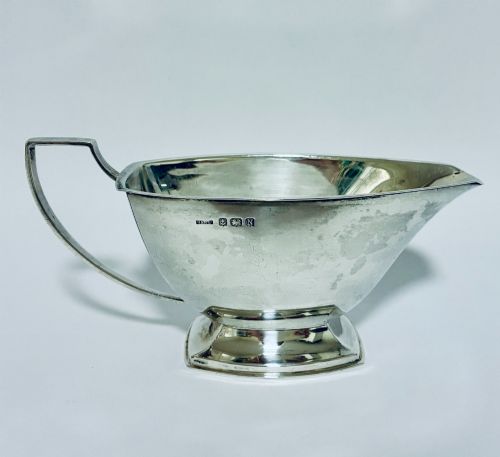
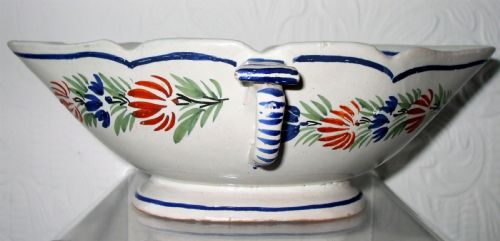
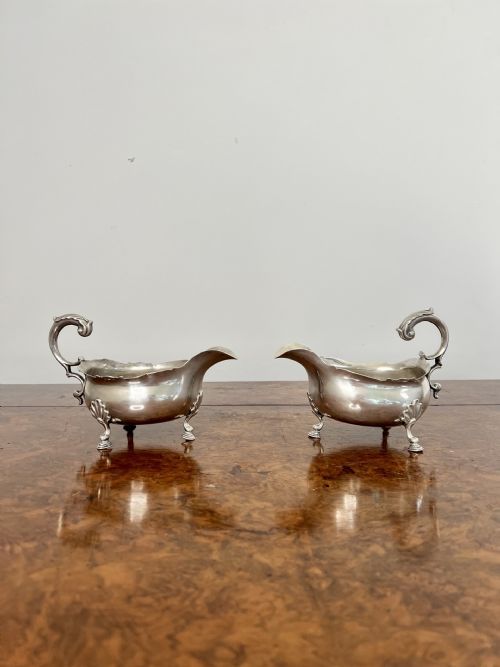
An antique gravy vessel encompasses a variety of practical serveware designed to hold and pour sauces at the dining table. When searching for an antique gravy vessel, buyers encounter an array of forms ranging from Georgian sterling silver sauce boats to Victorian silver plated argylls and French faience double sauceboats.
The selection on this page demonstrates significant chronological breadth, stretching from mid-eighteenth-century porcelain and silver examples through to mid-twentieth-century Art Deco designs. Buyers most frequently meet nineteenth-century silver plated iterations, alongside earthenware and soft-paste porcelain pieces dating to the seventeen-hundreds.
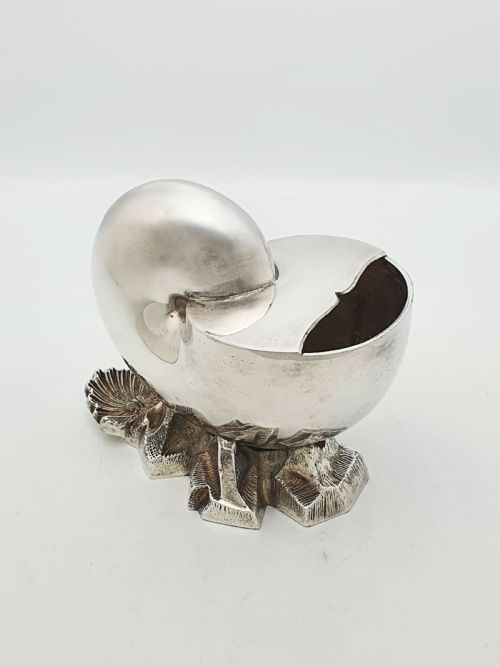
Beyond traditional sauce boats and tureens, the category includes specialised vessels such as spoon warmers shaped like nautilus shells and shoes, as well as gravy warmers designed to keep contents hot. These items reflect the evolving culinary requirements of British and European dining tables across the Georgian, Victorian, and later eras.
Materials and construction
Silversmiths utilised sterling silver and Old Sheffield plate, alongside later silver plate and EPNS, to fashion durable and lustrous sauce boats and argylls. These metal pieces often feature embossed decoration, crests, and cast handles, demonstrating advanced smithing techniques of the eighteenth and nineteenth centuries.
Potters and ceramicists employed soft-paste porcelain, earthenware, and faience to create moulded and hand-painted vessels such as those from Worcester, Meissen, and Quimper. Glazed finishes and blue and white underglaze painting provided both visual appeal and a practical, non-porous surface for holding liquids.
Markers of quality
Superior quality in metal vessels rests upon the crispness of chased or embossed ornamentation, the weight and balance of the piece, and the integrity of early plating techniques like Old Sheffield plate. Maker marks and engraved crests also contribute to the distinction of higher-tier silver items.
In ceramic examples, the fineness of the paste, the stability of the glaze, and the precision of hand-painted details separate masterworks from standard production pieces. The survival of delicate handles, spouts, and matching elements determines the desirability of porcelain and faience specimens.
Padley Parkin And Staniforth·Meissen·Quimper
The Antique Gravy Vessel Glossary
- Argyle
- A vessel designed to keep gravy warm by means of an internal hot water chamber or core. This clever device prevented animal fats from congealing during long Georgian and Victorian meals.
- Old Sheffield Plate
- A composite material made by fusing a thin sheet of silver to a thicker copper base. This technique preceded modern electroplating and is identified by a characteristic copper seam visible on edges.
- Faience
- Tin-glazed earthenware produced in France and other European regions. It provides an opaque white surface suitable for colourful painted decorations.
- Soft-Paste Porcelain
- An artificial porcelain composition fired at lower temperatures than hard-paste porcelain. Eighteenth-century English factories utilised this material to produce translucent and delicately painted tableware.
- Spoon Warmer
- A Victorian tabletop accessory shaped to hold hot water and keep gravy spoons warm before service. They frequently took whimsical forms such as nautilus shells, ammonites, and shoes.
Antique Gravy Vessel: Frequently Asked Questions
What is an argyll gravy warmer?
An argyll is a specialised vessel featuring a double wall or an internal cylinder designed to hold boiling water. This feature kept gravy hot throughout the course of a meal.
These pieces date predominantly to the Georgian and Victorian periods, serving wealthy households where multi-course dining demanded temperature control for sauces.
How do I clean antique silver sauce boats?
Silver sauce boats require gentle cleaning with a soft cloth and a reputable silver polish specifically formulated for antiques. Avoid abrasive materials that can wear down thin plating or sterling surfaces.
For pieces with applied crests or delicate chasing, use a soft brush to remove polish residue from crevices without harming the metal.
Were spoon warmers used for gravy?
Spoon warmers were filled with hot water to warm the ladles and spoons used for serving gravy and sauces. This prevented cold metal utensils from chilling the gravy upon contact.
Victorian dining etiquette prized these novelty items, which often took whimsical shapes like shells and shoes to amuse guests at the table.
How do I date a porcelain gravy boat?
Dating porcelain involves examining the paste composition, glaze characteristics, and any underglaze factory marks or painter numbers. Eighteenth-century pieces often display hand-painted blue and white motifs characteristic of specific porcelain works.
Consulting reference books on regional potteries helps match stylistic details and base marks to known production decades.