



Antique Grape Painting
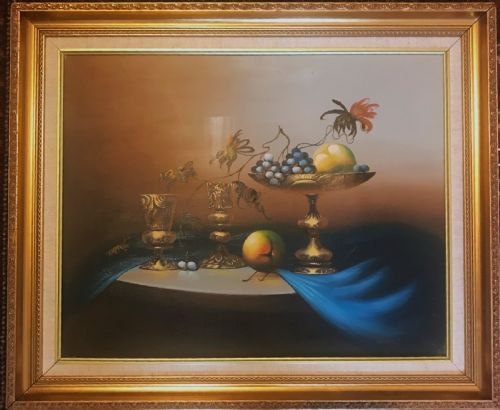
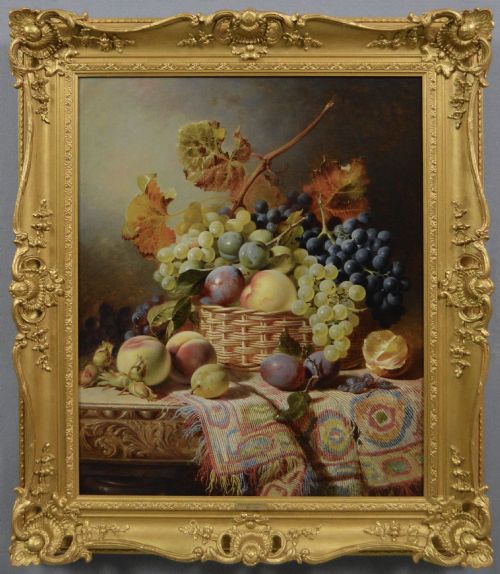
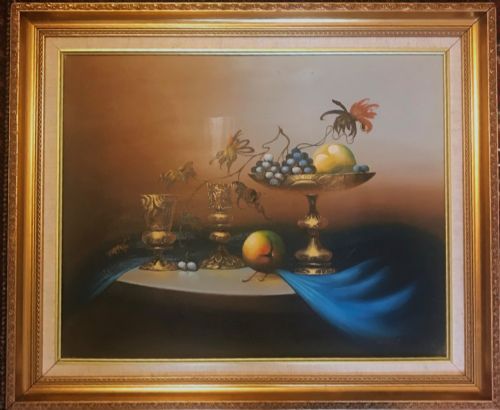
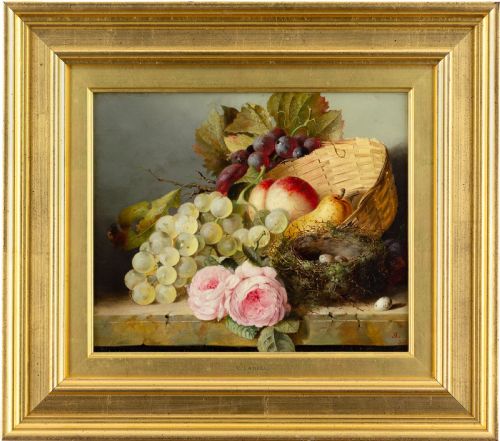
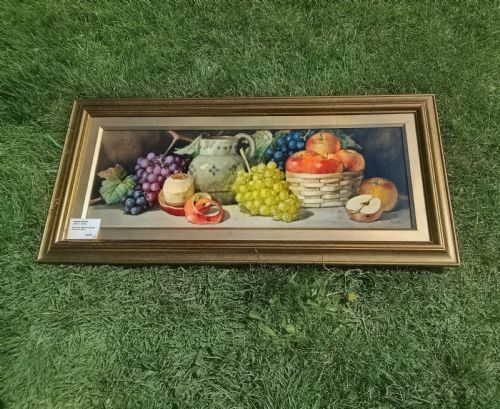
An antique grape painting captures the rich fruitfulness of the harvest in oil and watercolour.
Antique Grape Painting
When you search for an antique grape painting, you encounter works spanning the eighteenth century through to the mid-twentieth century. The selection encompasses classical still life compositions on canvas alongside watercolour studies and porcelain figures.
Oil paintings form the majority of the works, often framed in giltwood or gold leaf. These pieces highlight botanical details alongside peaches, melons and birds' nests.
Domestic and European artists created these works within traditions ranging from Dutch still life styles to Victorian realism and French country aesthetics.
Materials and technique
Artists applied oil paint and watercolour onto stretched canvas and paper supports. Wooden panels and ceramic bodies also serve as bases for three-dimensional interpretations.
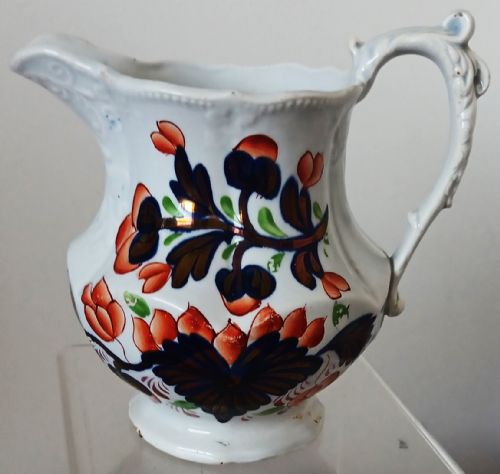
Frames utilise wood and gold leaf to complement the rich tones of the pigments. Enamel and porcelain feature in related ceramic forms decorated with fruit motifs.
Antique Grape Painting Retail Price Guide 2026
Typical asking prices for grape painting among the pieces listed under this phrase on Sellingantiques today, from the lower quarter to the upper quarter. They describe what is for sale here now, not the wider market.
Several paintings include an unexpected white-fronted Amazon parrot supervising the harvest.
Assessing the work
The sophistication of brushwork and the naturalism of the fruit arrangements dictate the success of the composition. Masterful handling of light upon the skins of grapes separates accomplished canvases from simpler decorative efforts.
The integrity of the original canvas, stretcher and gilt frame influences the overall preservation. Works bearing clear signatures and documented provenance carry greater historical weight.
Theude Gronland·Edward Ladell·Arthur Dudley·Vincent Clare·Thomas Hooper·J C de Bruin·John Sherrin·Oliver Clare·George Lance·Arthur Heinrich Wilhelm Fitger·James and William Ward
The Antique Grape Painting Glossary
- Still life
- A painting or drawing depicting inanimate subject matter, typically commonplace objects such as fruit and flowers. These compositions allow artists to explore light, shadow and texture.
- Giltwood
- Wood that has been treated with a thin layer of gold leaf or powder. This finish is frequently found on nineteenth century picture frames.
- Watercolour
- A paint wherein the colourants are suspended in a water-soluble vehicle. Works in this medium on paper offer delicate transparency.
- Provenance
- The chronology of the ownership or location of a historical object. Clear documentation confirms attribution to specific painters.
Antique Grape Painting: Frequently Asked Questions
What periods do these paintings cover?
The available works span from the eighteenth century through the Victorian era and into the mid-twentieth century.
Most pieces date from the nineteenth century, reflecting popular interest in natural history and botanical subjects.
How should I display an oil painting?
Keep the canvas away from direct sunlight and damp conditions to protect the oil pigments and wooden stretcher.
Ensure the piece hangs securely from appropriate fixings to support the weight of the work and its frame.
Are these paintings signed by the artist?
Many of the works bear signatures or attributions to documented painters of the period.
Unsigned examples are common in decorative still life production from the nineteenth century.
What subjects accompany the grapes?
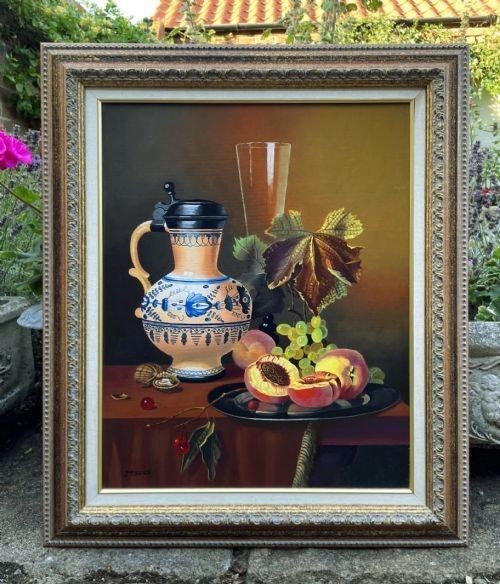
Apples, peaches, melons, plums and currants frequently share the composition with the fruit clusters.
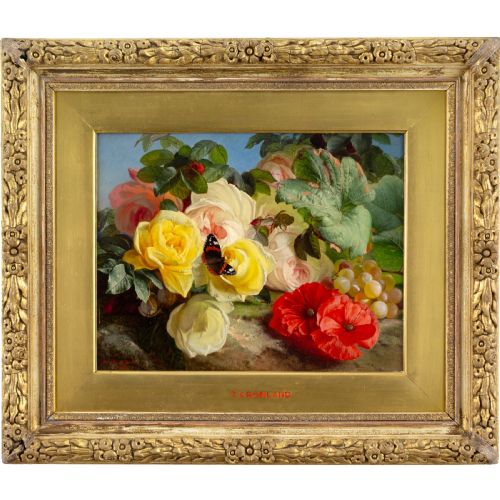
Birds, nests, butterflies and porcelain vessels also appear alongside the harvest produce in these scenes.