



Antique Gold Photo Locket
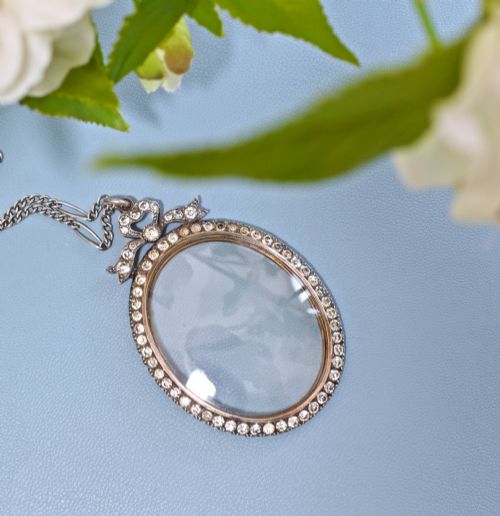
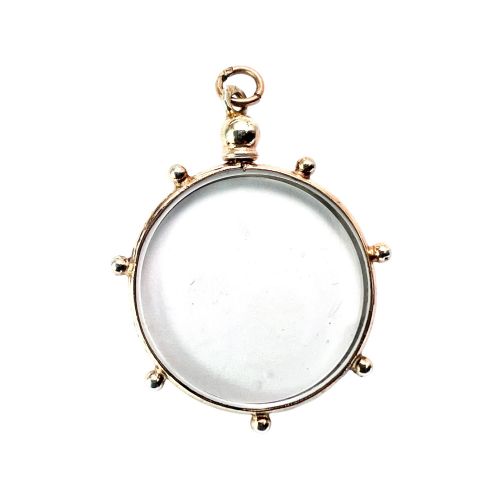
An antique gold photo locket carries miniature portraits or hair under glass, offering a tangible link to the past.
Identifying your antique gold photo locket
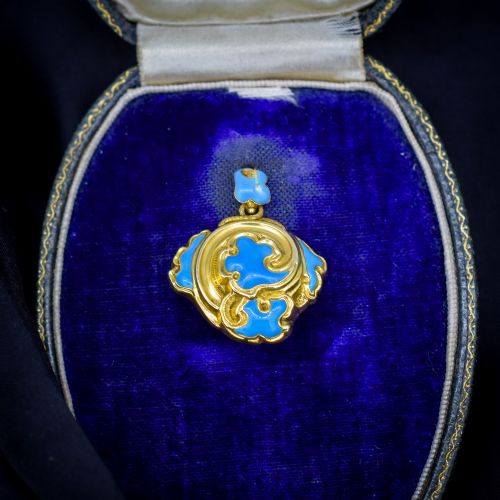
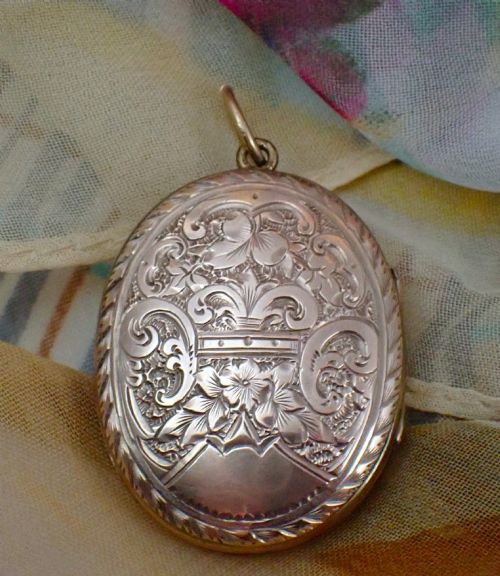
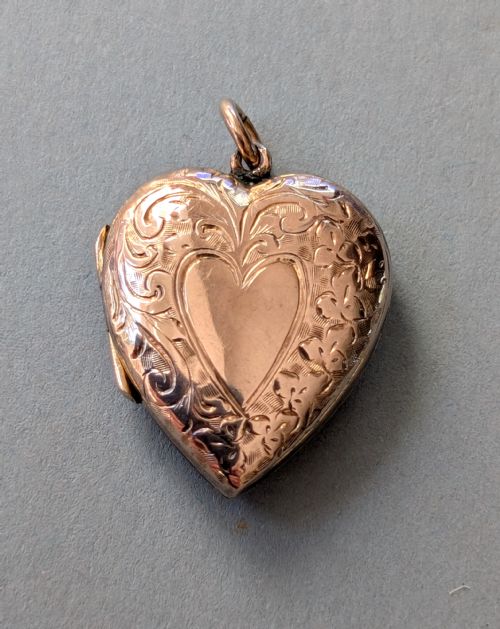
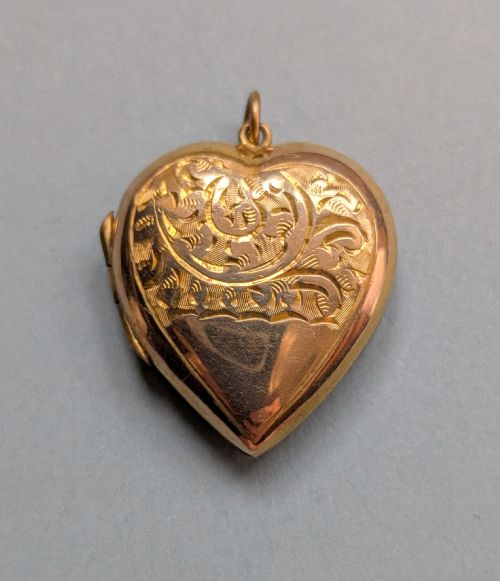
When you search for an antique gold photo locket, you encounter hinged pendants designed to hold tiny likenesses or personal mementoes close to the heart. The pieces on this page span the Victorian and Edwardian eras, with examples dating from eighteen-sixty onwards.
Materials and construction
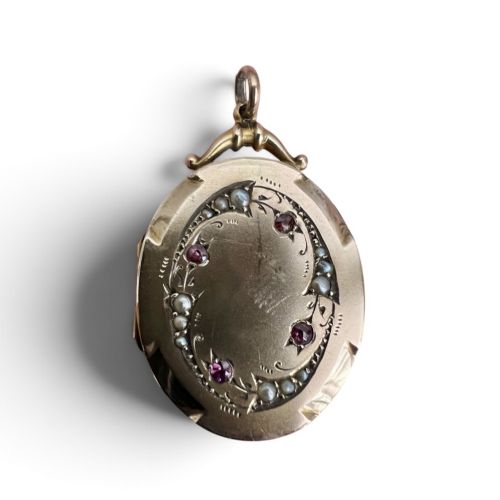
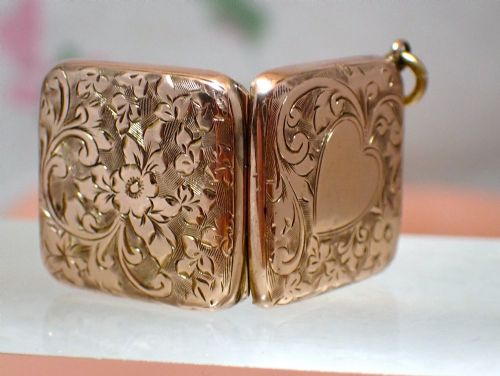
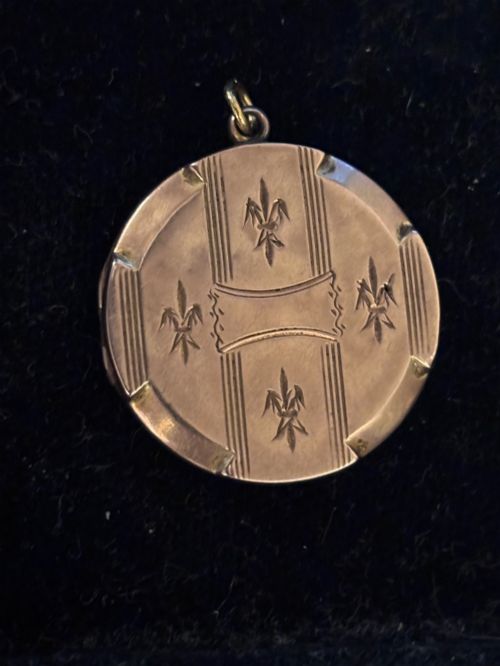
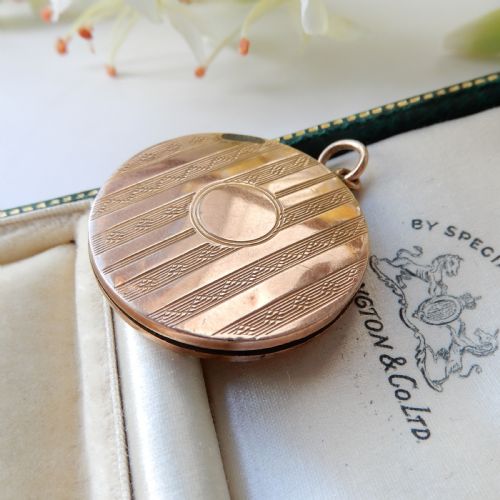
Goldsmiths utilised eighteen carat gold, fifteen carat gold, and nine carat gold to fabricate these hinged containers. Surface decoration frequently involved engine-turning, floral engraving, and foliate carving.
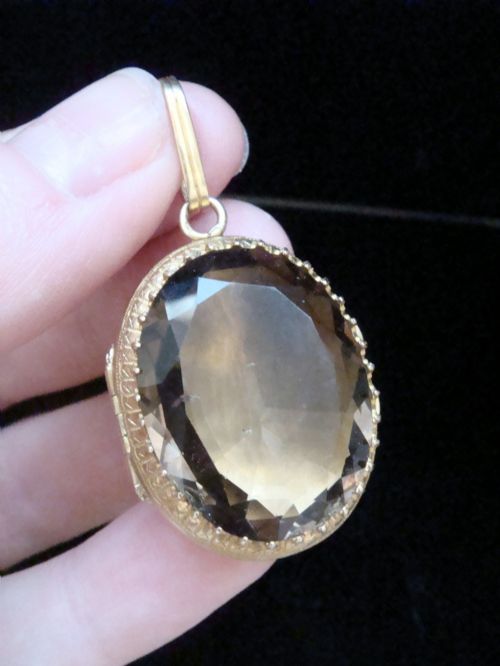
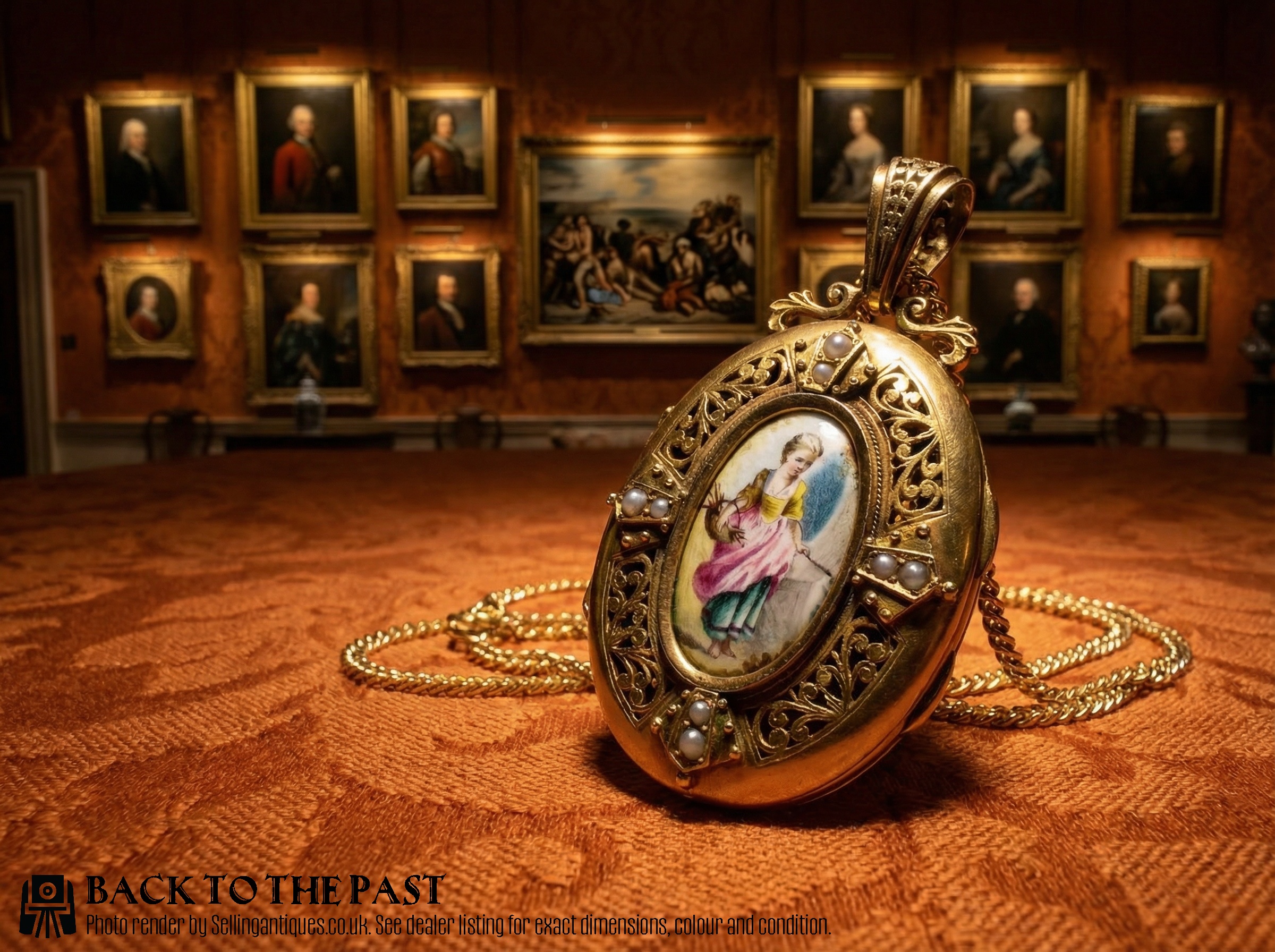
Workshops embellished the metalwork with seed pearls, diamonds, citrines, garnets, turquoise, and black enamel. Glazed apertures and internal wirework frames were integrated to display photographs securely.
Retail Price Guide 2026
Typical UK retail prices for gold photo locket, calculated from the Sellingantiques database of over a million retail prices indexed since 2003. This retail price guide relies exclusively on Sellingantiques data; no external sources or auction records are used, so the figures do not describe the wider market.
Several Victorian lockets double as miniature stables, framing woven locks of hair alongside tiny golden horse shoes.
Distinctions in quality
The fineness of the gold and the weight of the metal set the foundation for a piece's grade. Higher quality items display crisp, hand-engraved foliage and substantial hinge mechanisms that close with precision.
Superior examples incorporate well-matched gemstones such as garnets, citrines, or seed pearls set by hand. Finer lockets also retain their original glass inserts and internal photograph frames intact.
The Antique Gold Photo Locket Glossary
- Engine-turned
- A decorative technique involving intricate geometric patterns carved mechanically into the gold surface. This method creates a textured backdrop that catches the light.
- Mourning locket
- A piece of jewellery created to commemorate a deceased person, often featuring black enamel or enclosed hair. These items served as sentimental memorials in the nineteenth century.
- Seed pearl
- A very small, naturally occurring pearl used in clusters or borders on Victorian jewellery. They add a delicate white lustre to gold frames.
- Bezel
- A collar of metal that holds a gemstone, photograph, or glass cover in place. It secures the insert through pressure against the edge.
- Foliate
- Ornamentation shaped like leaves or foliage. This style appears frequently in the hand-engraving of Victorian cases.
Frequently Asked Questions
How do I open an antique gold photo locket?
Most hinged examples feature a small thumbnail notch along the outer edge. Gently apply pressure with a fingernail to release the spring or catch.
Avoid using metal tools to pry the covers open, as this can scratch the gold or distort the hinge alignment.
Can I replace the photographs inside?
Many pieces contain internal glazed frames designed to hold trimmed paper photographs in place. You can slide or pop these small frames out to update the contents.
Take care with older glass covers, as they may be thin and prone to cracking under pressure.
How do I date a Victorian locket?
Examine the style of engraving, the presence of hallmarks, and the specific type of gemstones used. Pieces from eighteen sixty often feature heavier chased details and citrines or garnets.
Later decades introduced sleeker oval formats and refined seed pearl clusters around central motifs.
Are these lockets suitable for daily wear?
These items were built for regular use in the nineteenth and early twentieth centuries, but the hinges require gentle handling. Take care not to strain the delicate wirework or glass compartments.
Remove the pendant before swimming, sleeping, or engaging in strenuous physical activities to protect the gold and gems.