


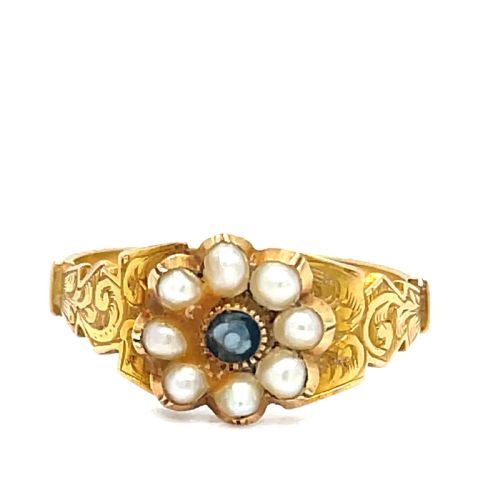

Antique Gold Mourning Jewellery
Antique gold mourning jewellery holds human memory in gold, glass, hair, and enamel, forged across the Georgian, Victorian, and Edwardian periods.
Antique Gold Mourning Jewellery
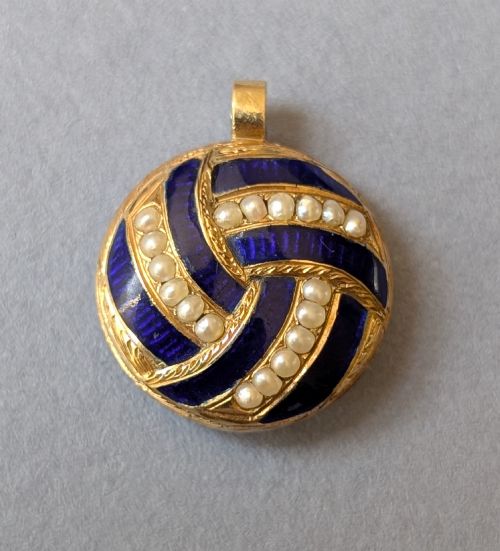
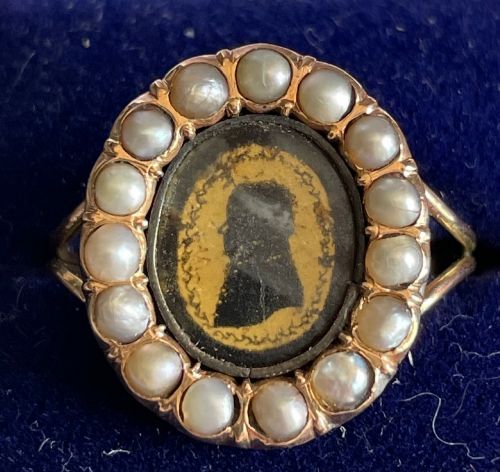
Antique gold mourning jewellery comprises commemorative brooches, rings, lockets, pendants, and earrings created to remember the dead or hold sentimental attachments. The selections span from the precise silhouettes and sepia portraits of the Georgian era through the substantial goldwork of the Victorian period to the lighter forms of the Edwardian age.
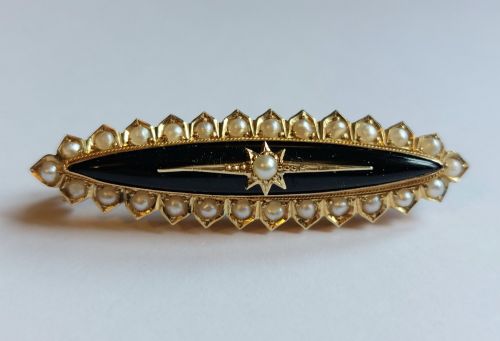
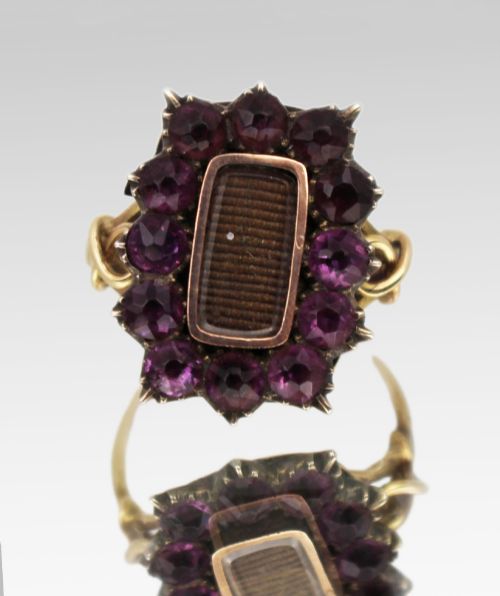
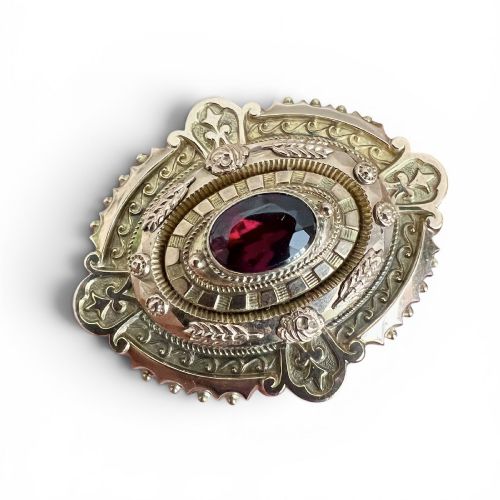
Most pieces met on this page are Victorian brooches and rings, frequently incorporating closed compartments for hair, miniature portraits, or glazed memorial windows. Common motifs include crosses, hearts, and buckles executed in high carat yellow gold, often paired with black enamel, jet, and seed pearls.
How they were made
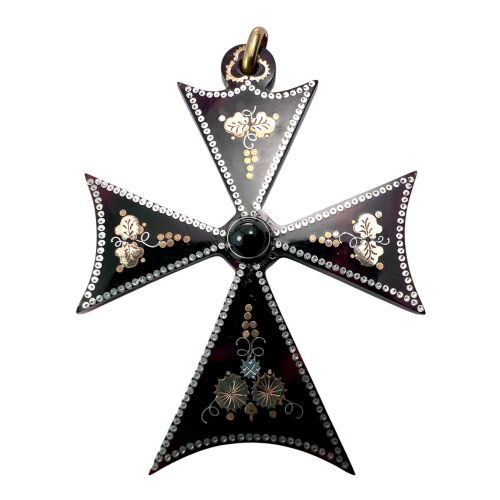
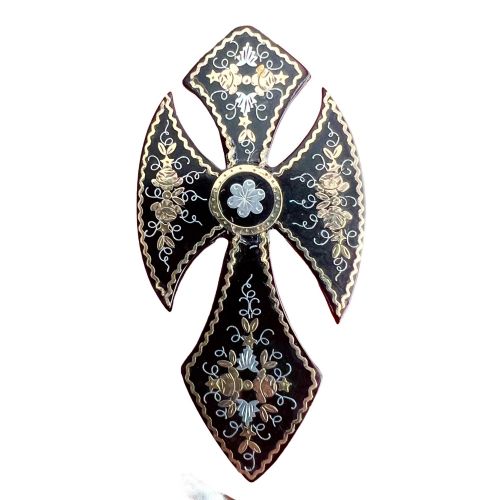
Goldsmiths utilised high carat gold, predominantly 15ct and 18ct, alongside lower gold standards and silver inlays to construct intricate frames and settings. Metalwork techniques included Etruscan Revival granulation, tortoiseshell piqué work with gold and silver wire, and detailed chasing.
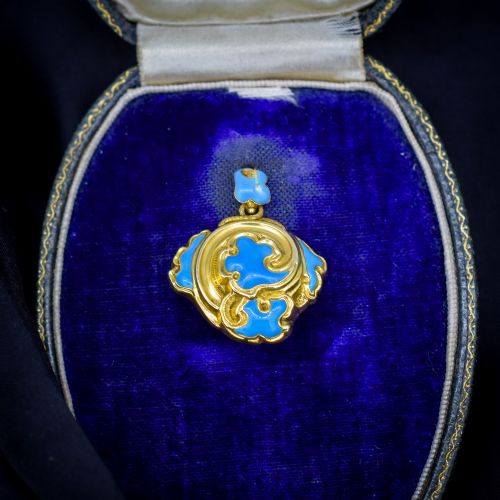
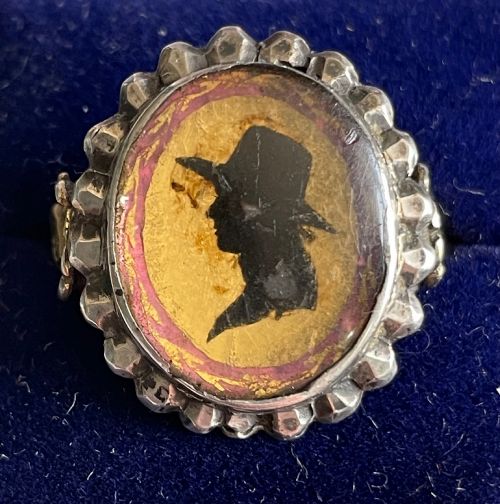
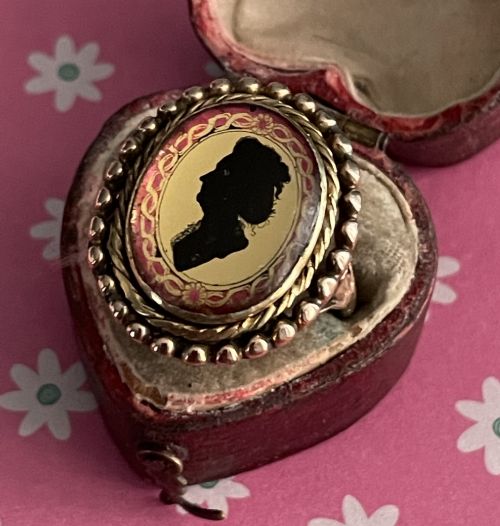
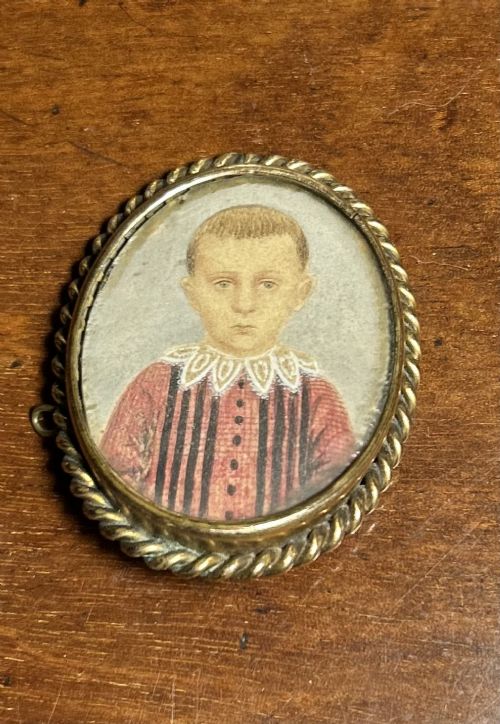
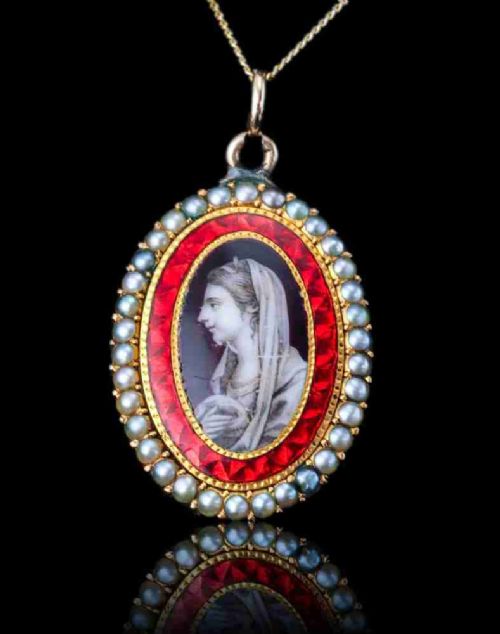
Artisans incorporated specialised memorial materials such as glazed hair compartments, hand-painted portrait miniatures, sepia paintings on ivory, and verre églomisé silhouettes. Enamel work in opaque black or translucent blue provided stark contrast to seed pearls, garnets, diamonds, and pastes.
Some lockets hide woven hair beneath crystal panels, turning a deceased relative into an eternal hair stylist.
What varies in quality
Quality rests in the fidelity of the miniature artwork and the complexity of the goldsmithing, distinguishing finely painted portraits and meticulous hair work from standard production. The depth of the engraving, the weight and purity of the gold, and the integrity of the glass or crystal covers define the upper tier of pieces.
The integration of materials dictates distinction, as seen when gold and silver piqué work or pavé diamond settings are flawlessly aligned rather than merely applied. Preserved provenance and named subjects or makers elevate specific examples above anonymous commercial work.
Jacob Amyand·John Miers
The Antique Gold Mourning Jewellery Glossary
- Hair work
- The Victorian practice of arranging human hair into intricate floral or geometric patterns behind glass. This technique turned personal mourning into decorative miniature sculpture.
- Verre églomisé
- A process of applying gold or silver leaf to glass and etching a design into the metal. It creates a reflective, metallic background for silhouette portraits.
- Piqué work
- The technique of inlaying tiny pins of gold or silver into tortoiseshell or ivory. It creates ornamental surface patterns common on Victorian brooches and earrings.
- Vinaigrette
- A small ornamental box with a perforated inner grille holding a sponge soaked in aromatic vinegar. These containers were carried to counter foul odours and fainting.
- Paste
- Hand-cut lead glass used to imitate gemstones like diamonds, garnets, or rubies. Georgian and Victorian jewellers faceted paste with high precision for brilliance.
Antique Gold Mourning Jewellery: Frequently Asked Questions
What is antique gold mourning jewellery?
Antique gold mourning jewellery is personal adornment created to memorialise the deceased or mark sentimental occasions. These items incorporate precious metals alongside personal mementos like hair, portraits, and enamel.
Items date predominantly from the Georgian, Victorian, and Edwardian eras. They serve as physical records of personal grief and remembrance traditions.
How do I care for antique mourning pieces?
These items require careful handling due to delicate components like human hair, glass panels, and fragile enamel work. Keep them away from water, moisture, and chemical cleaners that damage organic materials and adhesives.
Store pieces individually in soft pouches away from direct sunlight. Professional cleaning should only be performed by specialists familiar with antique jewellery construction.
Can I wear mourning jewellery daily?
Daily wear is possible for sturdy gold rings and heavier brooches, but fragile items like hair work panels and hollow lockets need occasional rotation. Sweat, cosmetics, and physical impact can degrade fragile glass covers and delicate gold wires over time.
Selecting robust designs like solid gold bands ensures longevity. Lighter pendant necklaces and drop earrings suit careful, occasional wear.
How do I date mourning jewellery?
Dating relies on material combinations, styles, and specific construction methods characteristic of different eras. Georgian pieces often feature closed-back settings, flat-cut garnets, and sepia miniatures, while Victorian items introduce jet, heavy goldwork, and distinctive Revival motifs.
Hallmarks stamped on gold components provide definitive manufacturing years or assay office locations. Motif analysis and inscription dates further narrow down the period.