


Antique Gold Knot Jewellery
Antique gold knot jewellery binds sentimental symbolism with enduring craftsmanship, offering tactile bracelets and brooches crafted across the Victorian and Edwardian eras.
Antique Gold Knot Jewellery
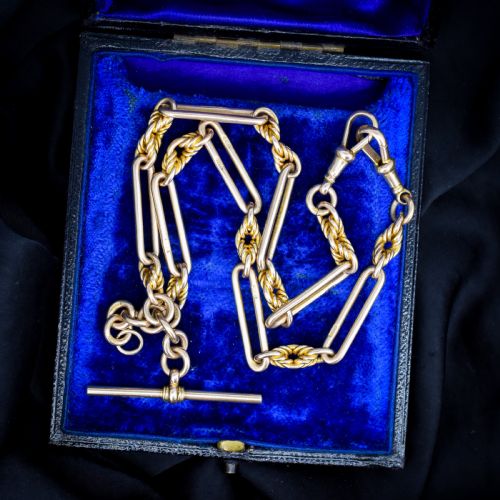
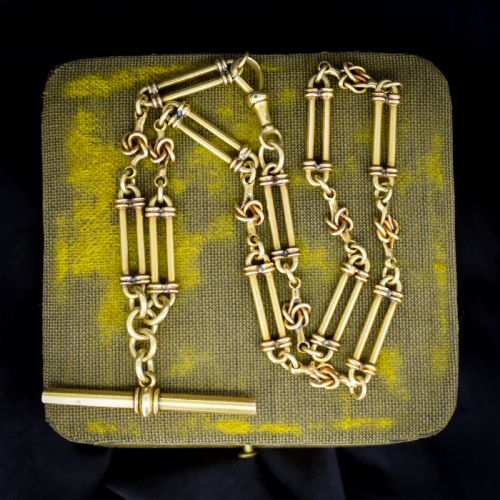
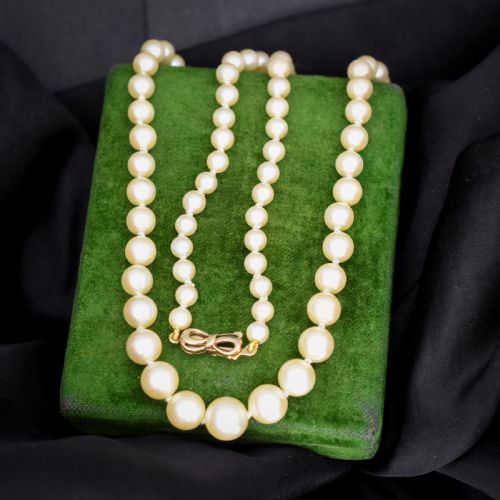
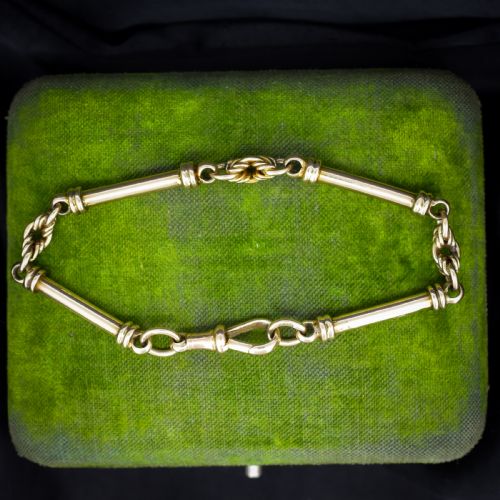
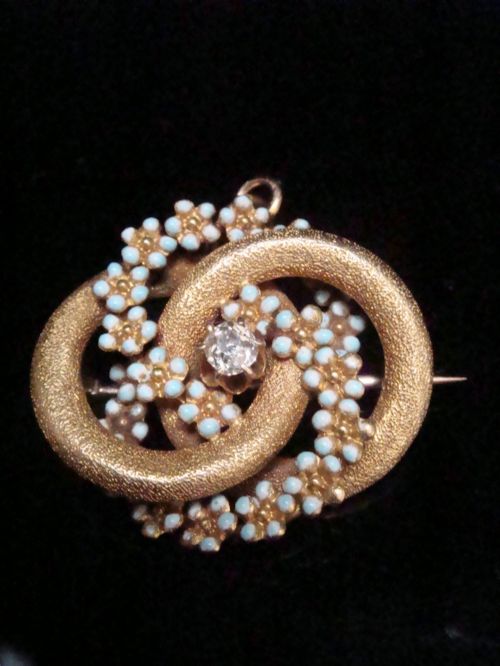
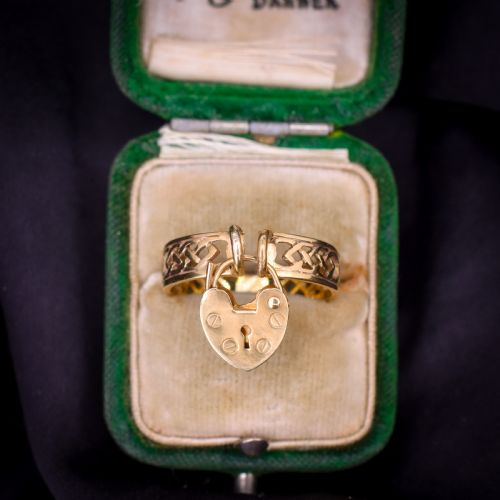
Bracelets, necklaces, brooches, and Albert chains dominate the available forms. Many incorporate love knot links alongside trombone chains, tubular bars, and padlocks, frequently paired with secondary motifs like hearts, snakes, and flowers.
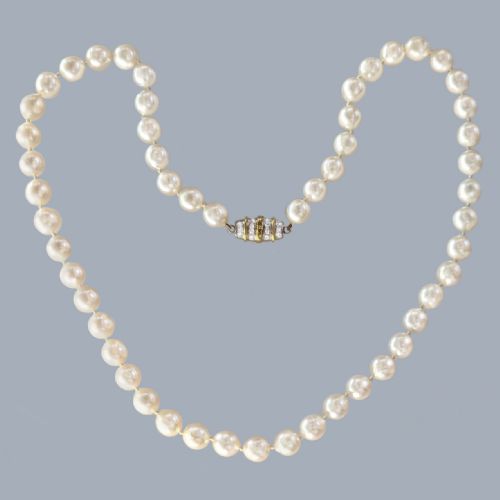
The materials integrated within these knots range from simple high-carat yellow and rose gold to settings studded with pearls, turquoise, diamonds, rubies, garnets, peridots, agates, and opals.
Assessing craftsmanship and condition
Quality diverges based on the intricacy of the wirework and the weight of the gold utilised in forming the knots and chains. Substantial gauge wire and secure, well-defined soldering indicate superior manufacture compared to hollow or lightly stamped alternatives.
The integration of gemstones and natural pearls significantly influences the distinction between pieces, with finely matched stones, intricate diamond settings, or undamaged agates elevating the standard of the item.
Victorian romantic sentimentality occasionally reached literal heights, intertwining love knots with coiled gold snakes to symbolise eternal devotion and everlasting attachment.
The Antique Gold Knot Jewellery Glossary
- Love knot
- A decorative motif formed by two interlaced or tied cords of metal, symbolising enduring affection and commitment.
- Albert chain
- A short length of watch chain, frequently featuring trombone and knot links, originally designed to attach to a waistcoat buttonhole.
- Seed pearl
- Very small, natural or saltwater cultured pearls often utilised in clusters or bordering central gemstones in Victorian jewellery.
Antique Gold Knot Jewellery: Frequently Asked Questions
What does a knot symbolise in antique jewellery?
Knots symbolise love, loyalty, and the binding together of two individuals in sentimental Victorian and Edwardian design. These motifs were frequently exchanged as tokens of affection between family members or romantic partners.
Craftsmen incorporated these symbolic ties into bracelets, brooches, and pendants to communicate personal messages that were readily understood by contemporaries.
How do I care for antique gold knot pieces?
Maintenance requires gentle cleaning using a soft cloth, avoiding harsh chemical dips that can damage softer gems like turquoise, opal, or pearls. Many historical pieces feature delicate hollow elements or seed pearls secured with historical adhesives.
Storage in individual soft pouches prevents friction against other items, preserving the intricate wirework and preventing surface abrasions on the gold.
Are these chains meant to be worn today?
Albert chains and linked necklaces transition well into contemporary wardrobes, often worn directly around the neck or adapted as bracelets. Their robust gold construction suits regular wear when handled with reasonable care.
The secure dog clips and heavy links originally designed for pocket watches now serve as practical fastenings for modern pendants and charms.
How can I distinguish Victorian from Edwardian styles?
Victorian pieces often display heavier proportions, rich rose gold tones, and denser groupings of sentimental stones like garnets, turquoise, and split pearls. Motifs tend towards robust heart padlocks and snake symbolism.
Edwardian design generally shifts towards lighter filigree work, moonstones, and brighter yellow gold or platinum highlights, reflecting a transition to more delicate ornamentation.