



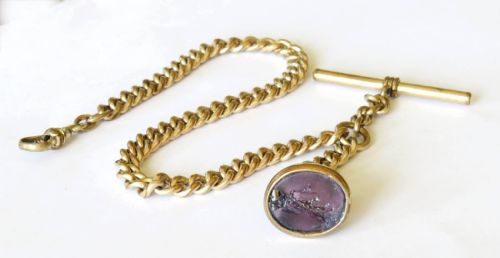
Antique Gold Jewellery Fob
Antique gold jewellery fob designs range from swinging seals to swivel pendants, hanging from waistcoats or chains to mark a personal history.
Antique Gold Jewellery Fob
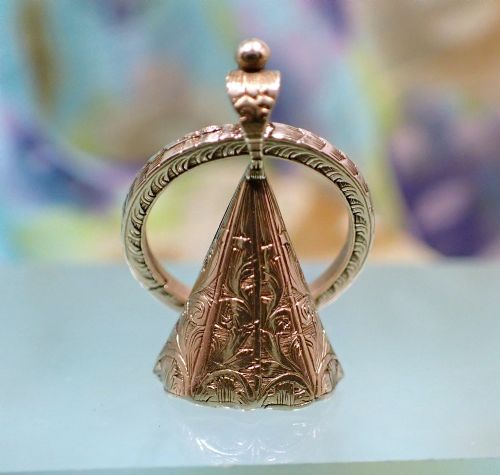
Antique gold jewellery fob pieces comprise small seals, charms and spinning pendants designed to attach to watch chains and pocket chains. These items span periods from the Georgian era through to the 1930s, encompassing styles such as Victorian, Edwardian, Egyptian Revival and Art Deco.
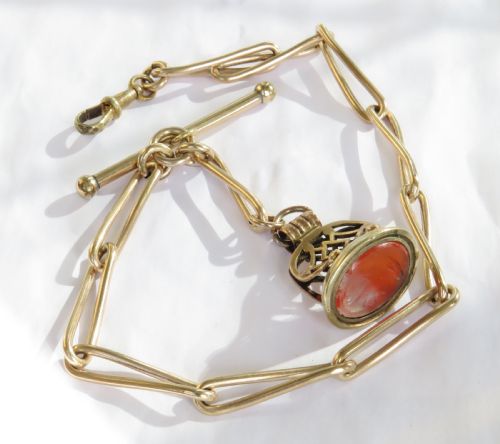
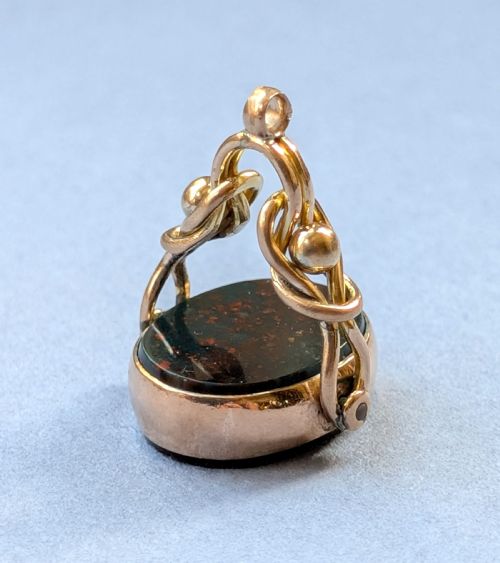
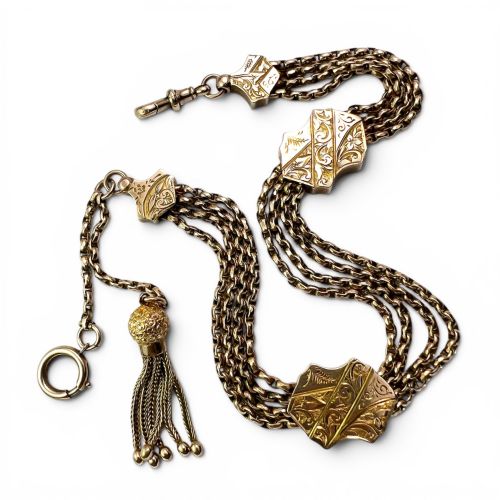
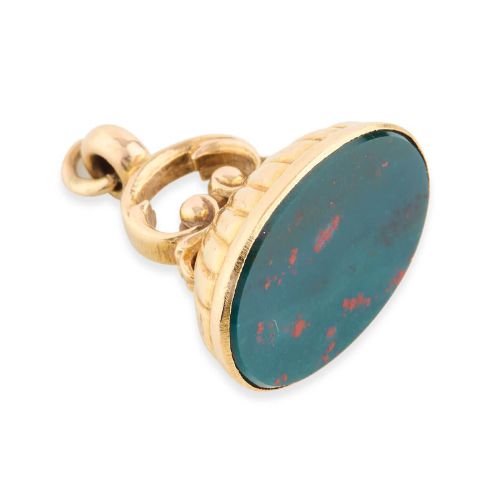
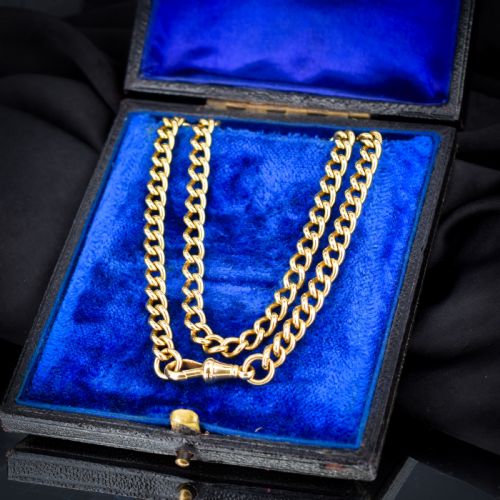
The most common examples on this page are 9ct rose gold or yellow gold spinning fobs set with carnelian or bloodstone, often suspended from albert chains. Buyers encounter both solid gold and rolled gold items, alongside charms like seals, keys and novelty figures.
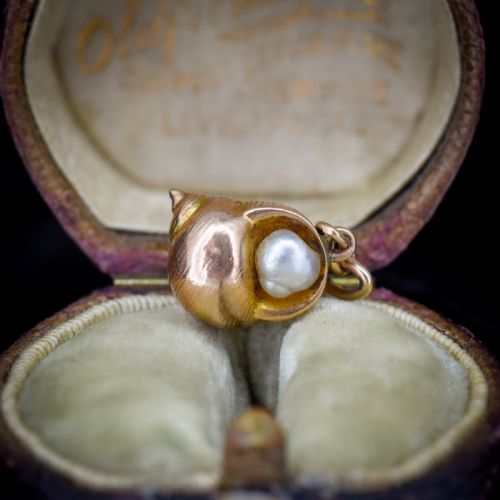
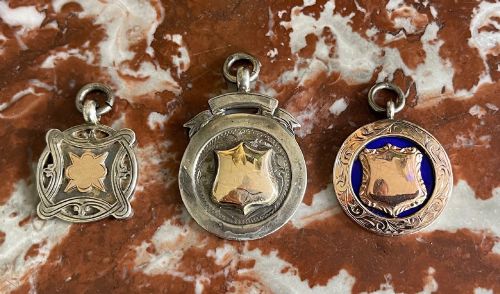
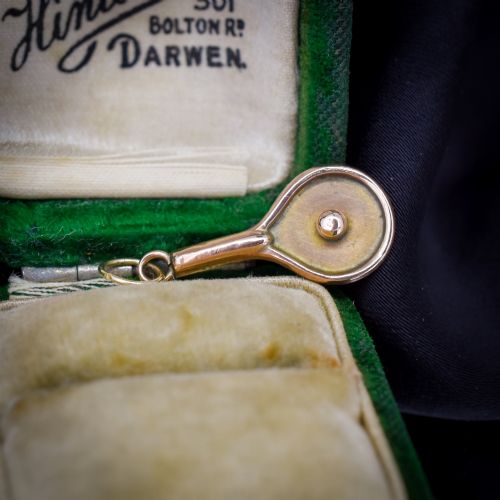
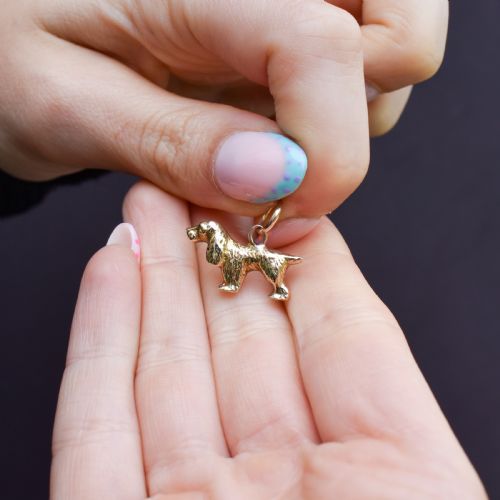
Many pieces incorporate engraved stones bearing names, initials or intaglio figures, reflecting their original purpose as personal signets. Others take the form of miniature animals, sporting equipment or architectural motifs mounted in gold.
How They Were Made
Goldsmiths constructed these pieces using 9ct, 15ct and 18ct gold, alongside rolled gold and gilt metals, shaping them into curb links, trombone chains and ornate swivel mounts. Hardstones including carnelian, bloodstone, sardonyx and rock crystal were hand-carved to form intaglios and smooth seal bases.
Engraving and chasing brought detail to the gold mounts, while enamel added colour to specific motifs on seals and charms. Watch keys and spinning fobs utilised internal pivot mechanisms to allow two-sided display of different stones or an engraved matrix.
Hardstones seen across the selection include carnelian, bloodstone, sardonyx, chalcedony and rock crystal set into spinning and stationary fobs.
What Varies in Quality
The standard of an antique gold jewellery fob rests on the depth and crispness of the hand-carving within the stone intaglio or seal matrix. Sharply rendered figures, legible lettering and detailed animal motifs separate finer items from simpler or worn examples.
Weight and solidity distinguish higher-grade pieces from lighter rolled gold alternatives, as does the complexity of the gold mount. Substantial link construction, well-engineered swivel mechanisms and clear hallmarks indicate superior workshop execution.
The Antique Gold Jewellery Fob Glossary
- Fob Seal
- A small pendant featuring a carved stone base used for impressing wax seals on correspondence. These often swivel on a central axis to display two different hardstones.
- Albert Chain
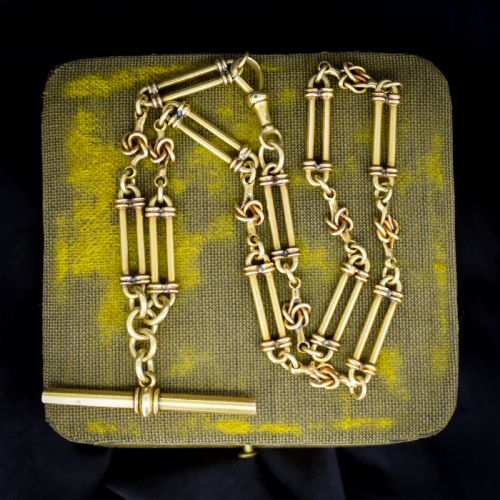
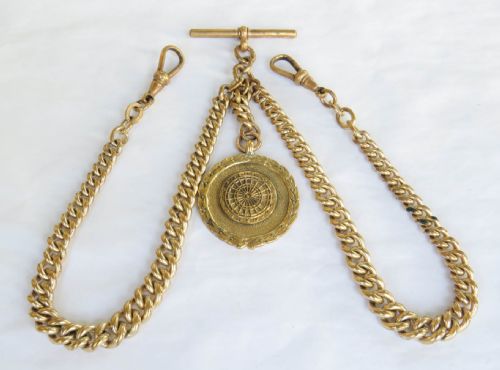
- A type of pocket watch chain designed to be worn across a waistcoat or attached to a garment buttonhole. They frequently hold a T-bar at one end and a fob pendant at the other.
- Intaglio
- A gem or stone carved with a sunken design so that an impression pressed into sealing wax stands out in relief. Classic subjects include crests, classical figures and initials.
- Rolled Gold
- A material made by mechanically bonding a thin layer of gold to a base metal core. This technique provided the appearance of solid gold at a lower cost during the nineteenth and early twentieth centuries.
- T-Bar
- A short horizontal bar of gold attached to the centre of a watch chain, designed to slip through a waistcoat buttonhole to secure the chain.
Antique Gold Jewellery Fob: Frequently Asked Questions
What is an antique gold jewellery fob used for?
These items originally hung from pocket watch chains to weight the watch and provide a personal seal for stamping wax documents. Today they are worn as pendants on necklaces or suspended from chains.
Many collectors also display them on traditional albert chains or group them on charm bracelets alongside miniature animals and trinkets.
How do I date an antique gold jewellery fob?
Dating relies on stylistic clues, gold standards, and sometimes hallmarks stamped on the metal loops or mounts. Georgian pieces often feature heavy gilt mounts and hand-carved carnelian, while Victorian and Edwardian examples frequently use 9ct rose gold.
Makers' marks and specific design motifs, such as Egyptian Revival elements from the 1920s, help narrow down the period of manufacture.
What is the difference between a solid gold and rolled gold fob?
Solid gold pieces are made entirely of gold alloy, such as 9ct, 15ct or 18ct, throughout their structure. Rolled gold items consist of a thin sheet of gold fused to a base metal core under heat and pressure.
Solid gold carries a heavier weight and a distinct hallmark stamp, whereas rolled gold offers the visual warmth of gold with a lighter overall feel.
Can I still use a fob seal to stamp wax?
Most antique fob seals retain their carved stone bases and can be pressed into warm sealing wax to leave a clear impression. Stones like carnelian, bloodstone and rock crystal are durable enough for this purpose.
Care should be taken to inspect the stone setting to ensure the hardstone remains secure in its swivel mount before use.