
Antique Gold Heart
An antique gold heart captures centuries of sentiment in enduring metal, spanning padlock bracelets, puffy pendants and gem-set brooches.
Antique Gold Heart
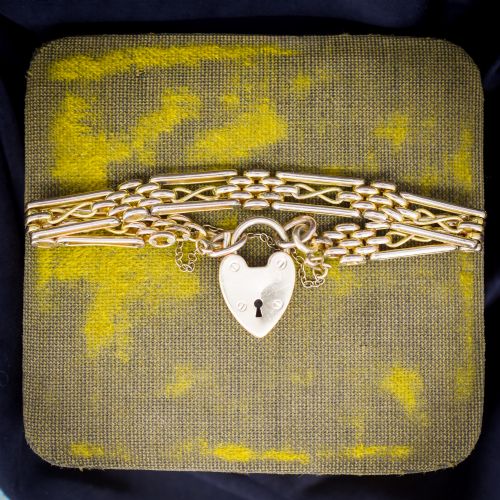
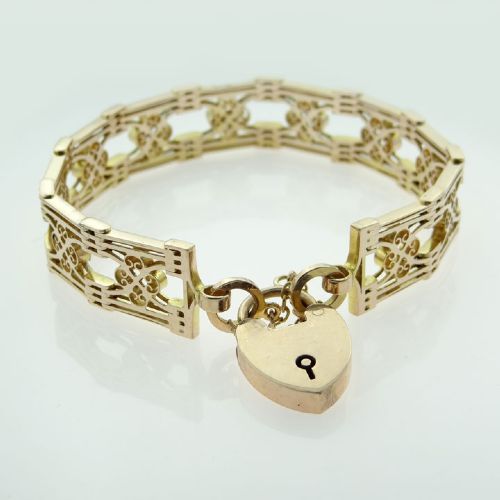
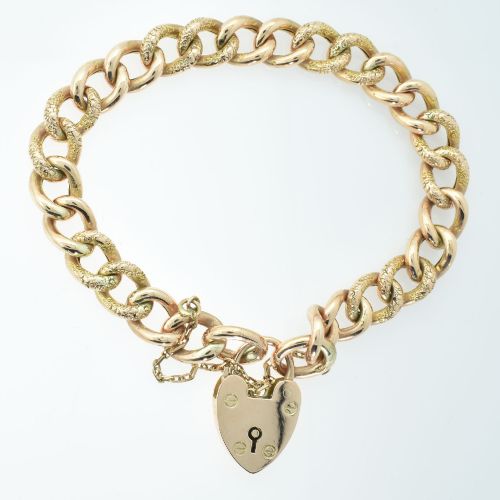
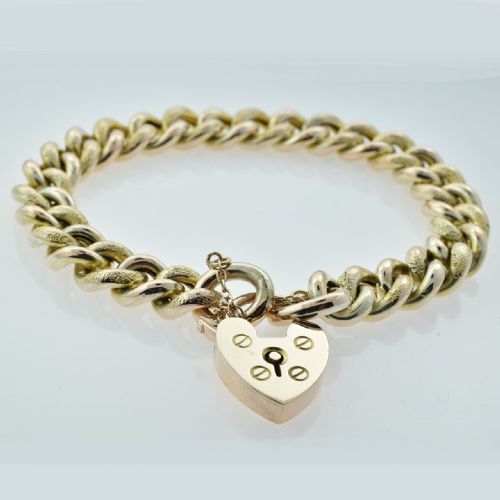
An antique gold heart encompasses a diverse array of jewellery forms designed to express devotion, remembrance and affection. The selections available typically include curb-link bracelets secured with heart padlocks, engraved lockets, and gem-set pendants.
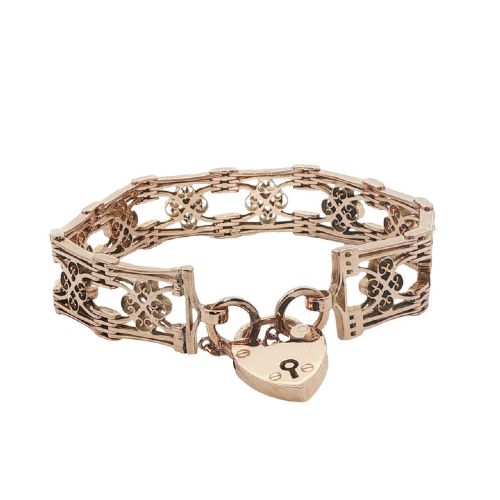
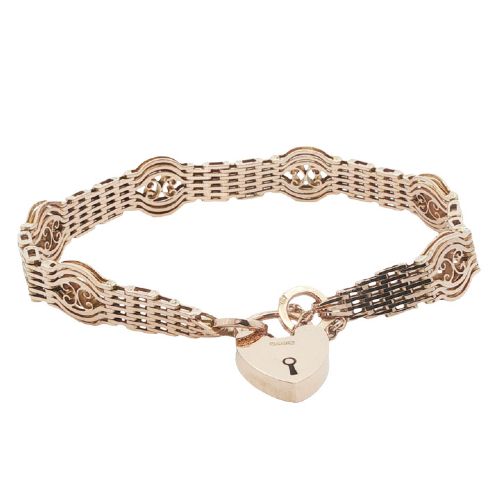
The pieces span multiple eras, with Victorian and Edwardian examples appearing frequently alongside later twentieth-century iterations. Items range from delicate stick pins and charm pendants to substantial gate bracelets and hollow puffy heart charms.
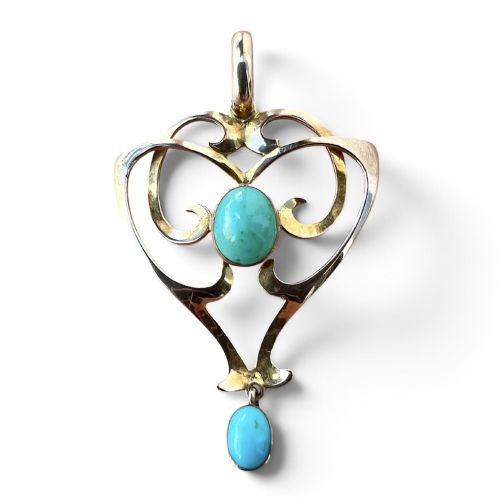
Originating across British and continental workshops, these items utilise gold alloys combined with stones like amethyst, turquoise, garnet and pearl. Buyers encounter both utilitarian fastenings transformed into ornamentation and purely decorative motifs celebrating the symbol.
How They Were Made
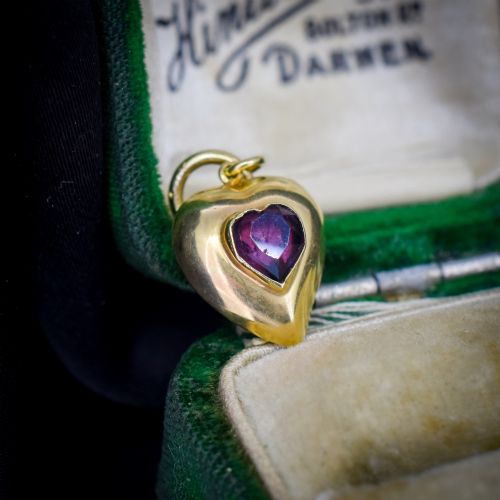
Goldsmiths utilised varying purities of yellow and rose gold, predominantly nine-carat, fifteen-carat and eighteen-carat, shaped through casting, stamping and hand-engraving. Hollow forms such as puffy hearts were constructed from thin sheet gold soldered together to create volume without excessive weight.
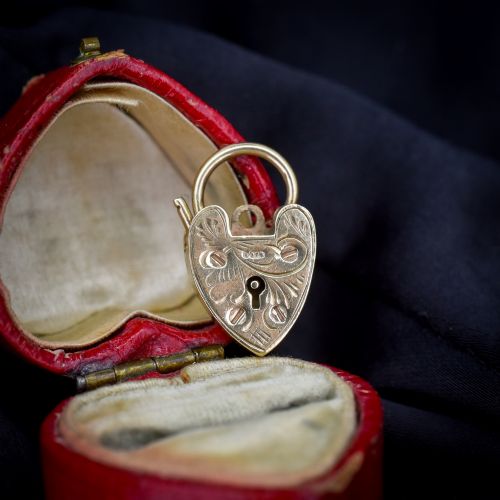
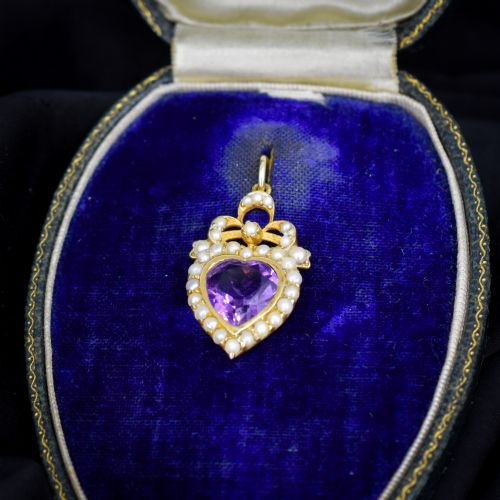
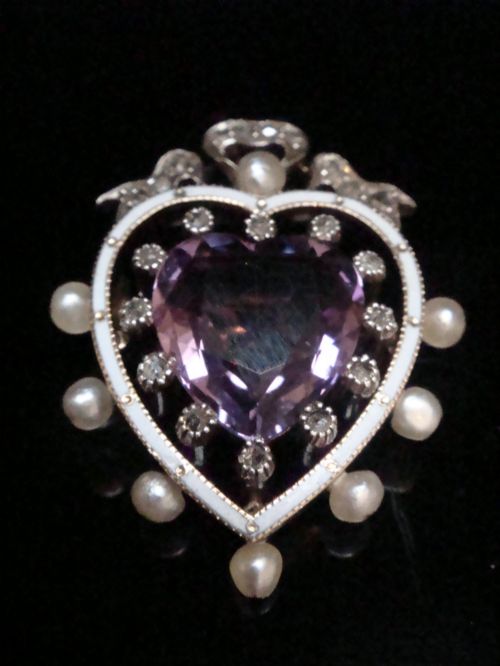
Surface ornamentation frequently involved guilloche enamel, chased scrollwork and meticulous hand engraving. Gemstones including seed pearls, diamonds, amethysts and turquoise were flush-set, claw-set or applied as delicate crescents and floral clusters.
Structural components like curb chains, gate links and spring padlocks required robust mechanical engineering to endure daily wear. Hinged lockets incorporated tiny bezels for photographs, demanding precision in miniature metalworking.
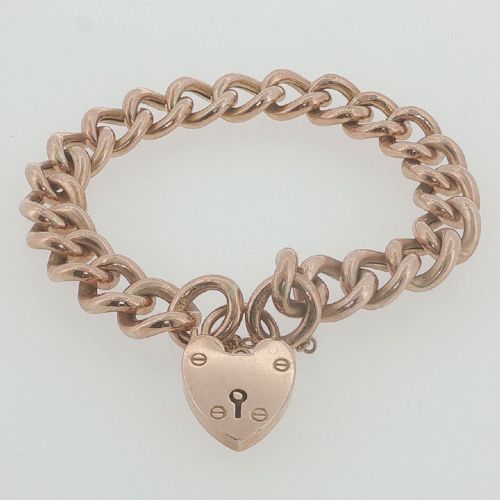
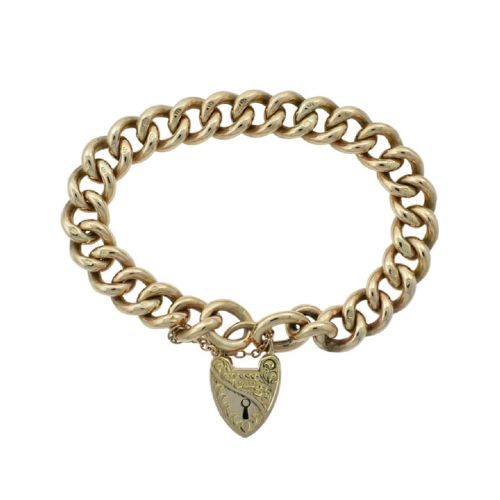
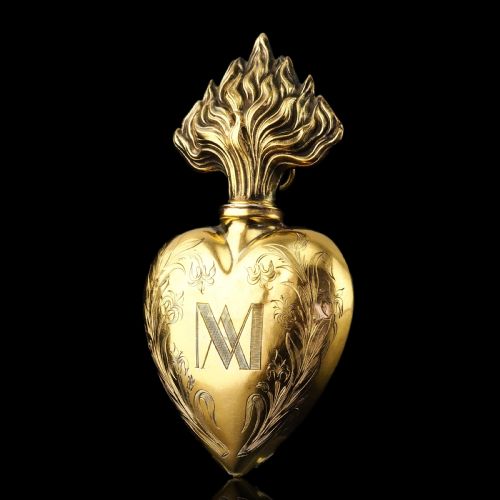
Bracelets featuring heart padlocks paired with curb links appear alongside delicate Edwardian lavalier pendants and French religious medals.
What Varies in Quality
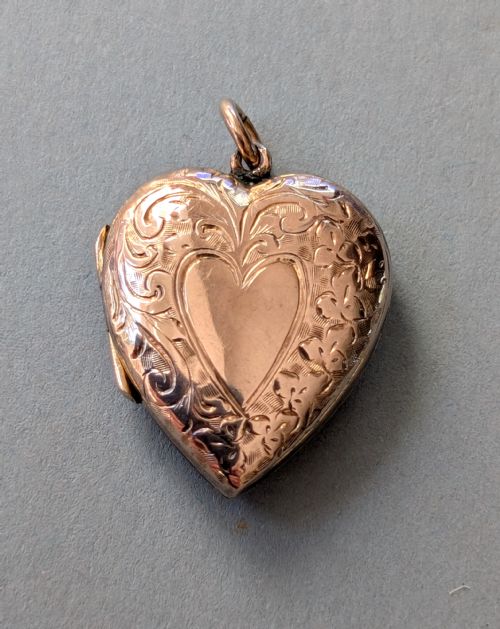
The standard of an antique gold heart depends significantly on the depth and crispness of the hand-engraving and the structural integrity of the goldwork. Superior examples display sharp, detailed chased patterns and robust gauge metal that resists denting.
Material selection dictates tier, with higher carat gold alloys and natural gemstones such as demantoid garnets, natural pearls and fine opals elevating a piece above standard paste and nine-carat iterations. Maker attribution and legible hallmarks from assay offices like Birmingham or Chester further distinguish superior items.
Design complexity separates basic mass-produced items from masterwork creations, particularly when multi-stone settings, articulated elements or specialised enamelling techniques like guilloche are successfully integrated.
Deakin & Francis·W.H.Wilmot
The Antique Gold Heart Glossary
- Padlock
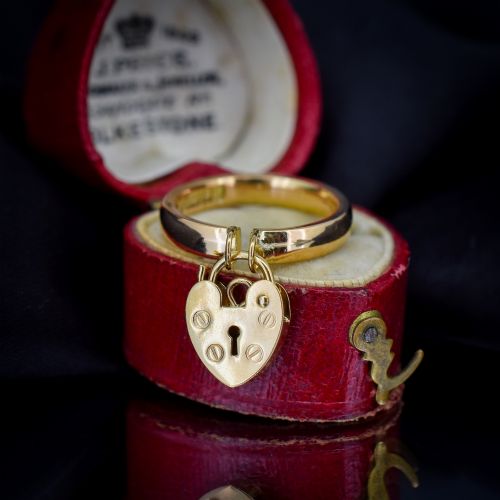
- A functional heart-shaped clasp used primarily on curb-link and gate bracelets. These mechanisms often bear full hallmarks and date letters.
- Puffy Heart
- A hollow, three-dimensional heart pendant or charm popular in the Victorian and Edwardian periods. They are constructed from two stamped metal domes joined at a central seam.
- Guilloche
- An intricate mechanical engraving technique producing precise, repetitive geometric patterns beneath translucent enamel. It is frequently seen on Edwardian pendants.
- Seed Pearl
- Tiny, naturally occurring pearls, often uncalibrated, used extensively in clusters and floral motifs on Victorian and Edwardian brooches and lockets.
- Paste
- Faceted glass cut and polished to imitate gemstones such as amethyst or diamond. High-quality historical paste displays deep colour and hand-foiled backs.
- Locket
- A hinged pendant designed to open and enclose miniature portraits or locks of hair. They range from simple engraved shields to elaborate multi-stone clusters.
Antique Gold Heart: Frequently Asked Questions
How do I care for antique gold heart jewellery?
Clean these pieces gently with a soft cloth and warm soapy water, avoiding harsh chemical dips that can damage seed pearls or enamel. Store them individually in soft pouches to prevent scratching between items.
Inspect clasps and hinged components periodically to ensure security, particularly on frequently worn gate bracelets and padlocks.
What is the difference between solid and back-and-front lockets?
Solid gold lockets are constructed entirely from precious metal throughout their front and back plates. Back-and-front lockets feature precious gold shells over a base metal core or internal framing.
Solid examples maintain greater intrinsic value and resilience against dents, whereas back-and-front versions offered an accessible option for Victorian buyers.
How can I date an antique heart padlock?
Examine the reverse or interior for British hallmark stamps, which include assay office symbols, purity marks, and date letters. These assay marks provide an exact year and location of testing.
Stylistic cues such as hand engraving, safety chains, and link weight also help differentiate a Victorian Edwardian piece from later vintage revivals.
Were heart padlocks worn as keys or locks?
Heart padlocks served primarily as secure clasps for heavy curb-link and gate charm bracelets. They combined decorative sentiment with practical fastening functions.
While some opened via a working internal spring or dummy keyhole, many remained permanently attached to their original chains.