

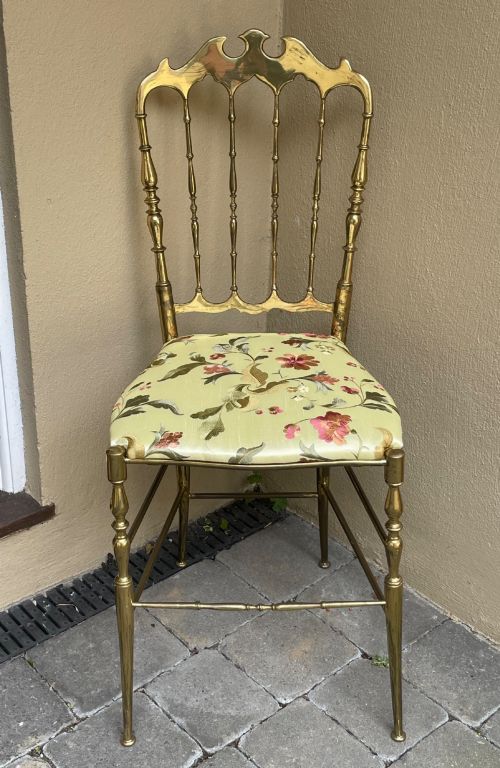


Antique Gold Desk Chairs
Antique gold desk chairs bring rich tones and traditional forms to a study, offering comfortable seating with distinct historical character.
Antique Gold Desk Chairs
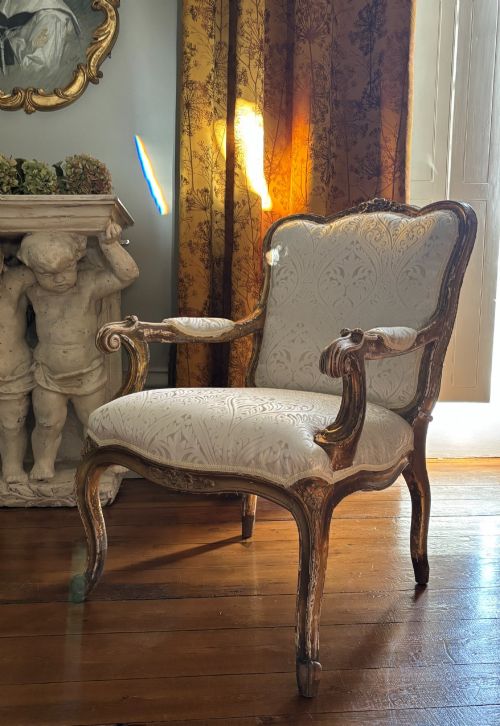
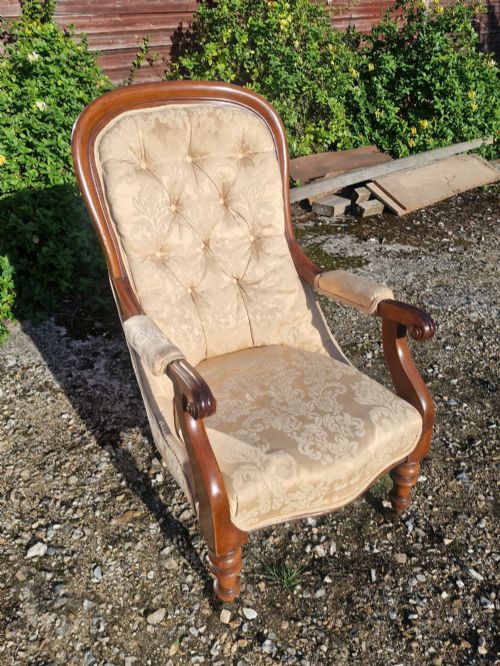
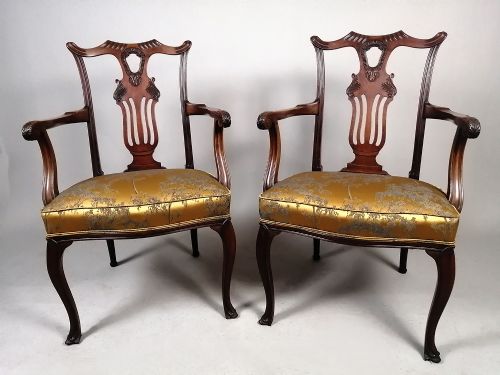
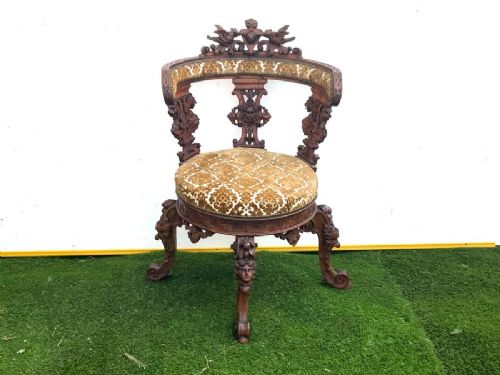
When searching for antique gold desk chairs, buyers encounter a variety of seating forms originating from the eighteenth and nineteenth centuries, including armchairs, side chairs, and specific desk chair designs. These pieces often span periods such as the Georgian, Regency, and Victorian eras, reflecting the prevailing taste of their respective decades.
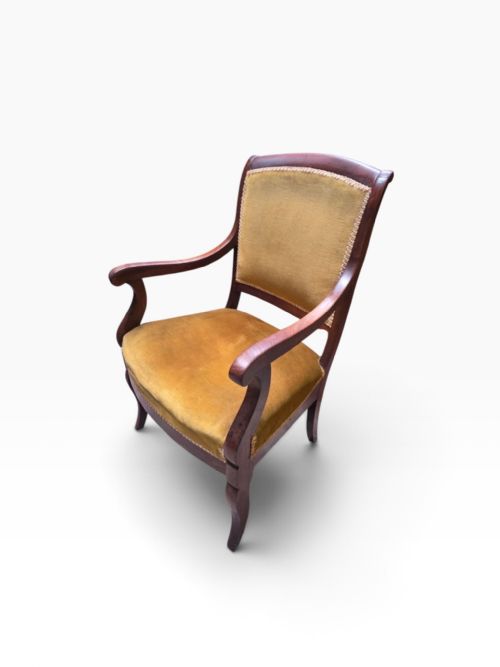
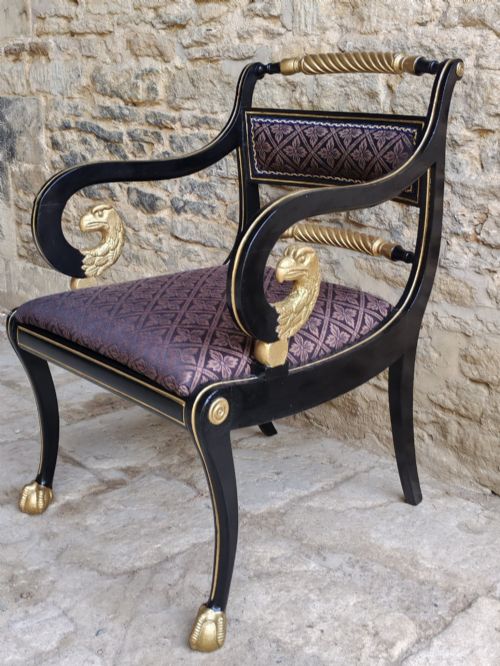
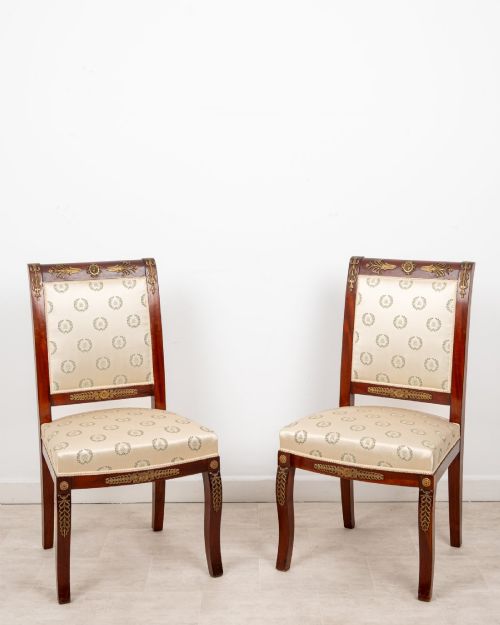
The selections available include both genuine period examples and later revivals, such as Regency Revival and Empire Revival pieces from the twentieth century. Common underlying forms feature open arms, carved frames, and upholstered seats suited for a working environment or a library.
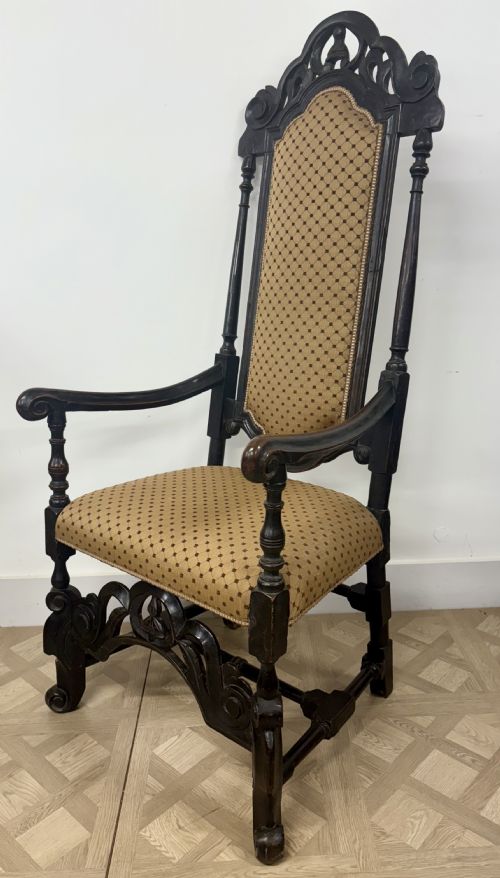
Originating from English, French, and Continental workshops, these chairs display regional variations in turnings, wood choices, and decorative motifs. While dedicated desk chairs appear alongside library chairs and armchairs, each shares a sturdy construction intended for daily use.
Materials and construction
Makers utilised primary hardwoods such as mahogany, walnut, and oak to build the foundational frames of these chairs, ensuring long-term structural integrity. Secondary elements often incorporated exotic woods like padouk and rosewood, or utilised simulated bamboo and ebonised finishes.
Giltwood, ormolu mounts, and gilded decorations provide the characteristic gold finish seen across many of these pieces, applied through traditional gilding techniques. Upholstered components frequently feature velvet, various textiles, and fabric coverings supported by internal padding.
Antique Gold Desk Chairs Retail Price Guide 2026
Typical asking prices for gold desk chairs among the pieces listed under this phrase on Sellingantiques today, from the lower quarter to the upper quarter. They describe what is for sale here now, not the wider market.
One chair even brings the tropical flair of padouk wood straight to the Victorian study.
Judging the standard
The distinction between standard examples and superior pieces rests upon the crispness of the wood carving and the refinement of the gilt decoration. Skilled execution in the details of scroll arms, turned legs, and brass mounts elevates a chair above basic production.
Originality of surface finish and the integrity of the timber frame dictate the overall caliber of the piece. Cohesive proportions and authentic period construction methods demonstrate superior craftsmanship compared to lesser or heavily altered specimens.
The Antique Gold Desk Chairs Glossary
- Giltwood
- Timber that has been coated with gold leaf or a gold-coloured finish. This technique creates a luminous surface frequently applied to decorative frames during the eighteenth and nineteenth centuries.
- Ormolu
- Cast bronze that has been gilded with mercury and gold, used as decorative mounts on furniture. It adds metallic lustre and detailed ornamentation to wooden frames.
- Carver chair
- An armchair designed to match a set of dining or desk chairs, typically featuring open arms. These pieces served as the primary seat at the head of a table or desk.
- Sabre leg
- A concave, outwardly curving furniture leg that tapers toward the foot, popular during the Regency period. This shape provides stability while imparting a lighter visual line to the chair.
- Padouk
- A dense tropical hardwood with a reddish hue, utilised by cabinet makers for durable and finely detailed seating frames. Its natural oils and strength allowed for intricate carving.
Antique Gold Desk Chairs: Frequently Asked Questions
What defines a true desk chair?
A true desk chair is built with ergonomic considerations for working at a table, often featuring open arms that fit beneath the desktop and sturdy frames designed for movement.
Many period examples adapt standard armchair or library chair forms to suit the study, combining practical seating heights with decorative woodwork.
Are these chairs suitable for daily use?
Most of these chairs are constructed from robust hardwoods like mahogany, walnut, and oak, making them structurally sound for regular sitting. Modern upholstery updates also ensure comfortable support.
Owners should consider the age of the joints and the condition of the gilt surface when placing them in active work environments.
What is the difference between original and revival pieces?
Original pieces were manufactured during the specific historical era they represent, such as the Georgian or Victorian periods. They carry the authentic wear and construction methods of that time.
Revival pieces, such as those from the Edwardian era or twentieth-century revivals, emulate earlier styles using the techniques and materials available during their actual period of creation.