

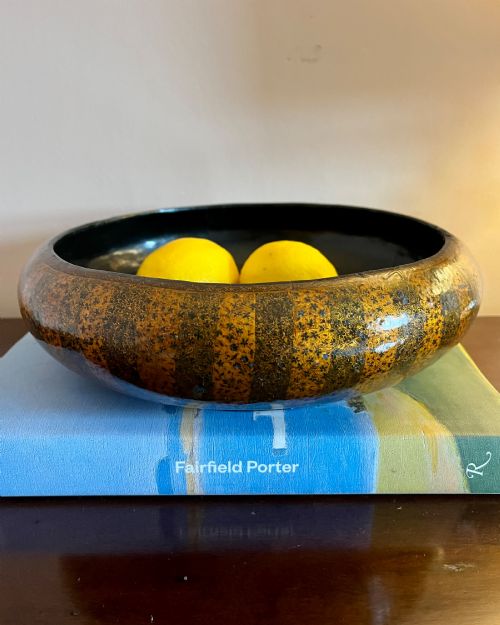
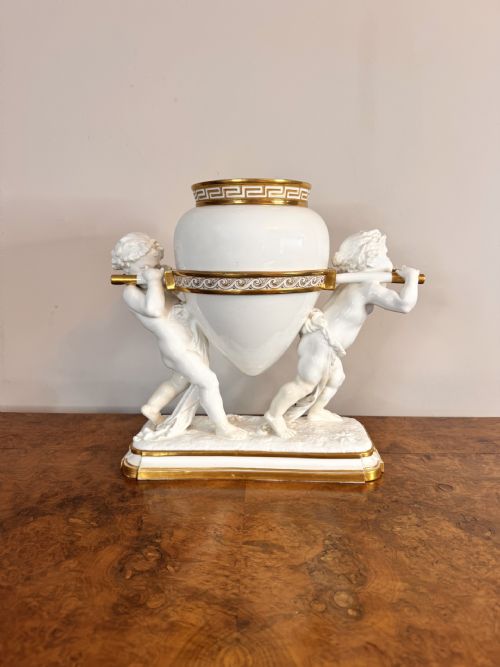
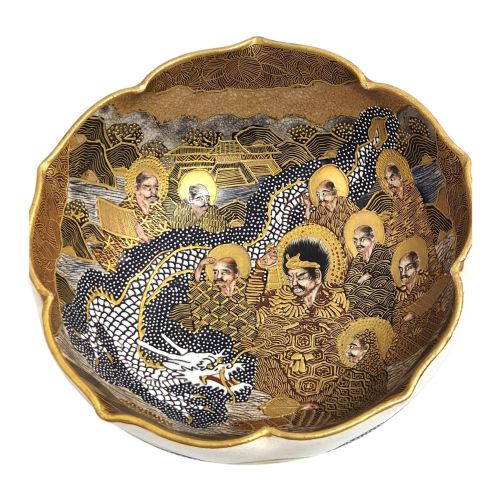
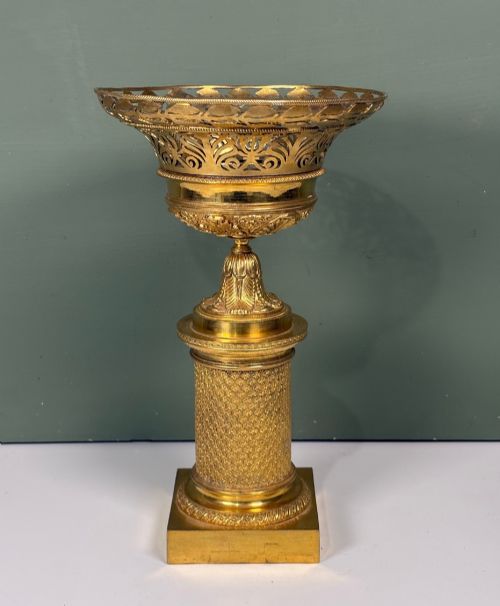
Antique Gold Bowl
When you search for an antique gold bowl, you encounter vessels shaped from porcelain, bronze, glass, and brass, enriched with gilt, enamel, or leaf.
Antique Gold Bowl
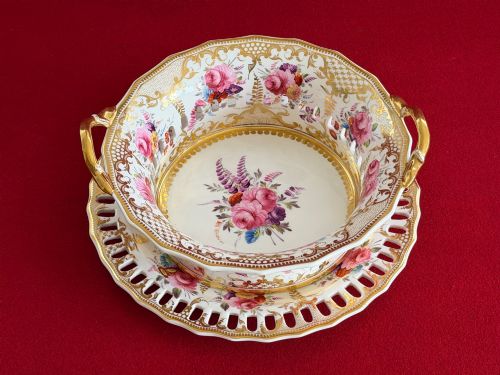
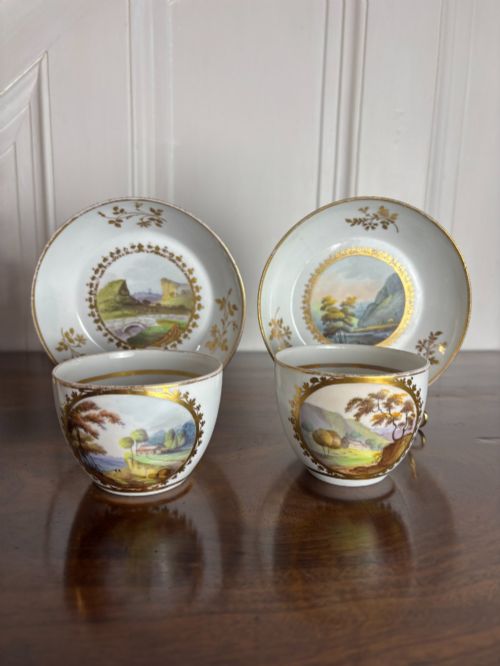
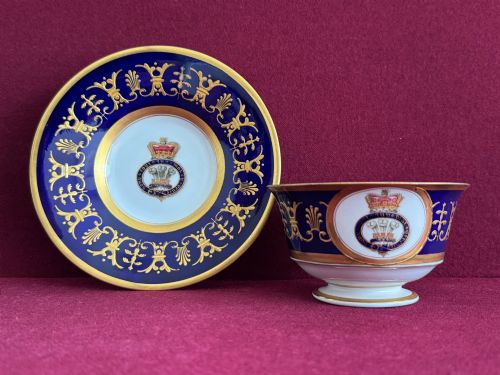
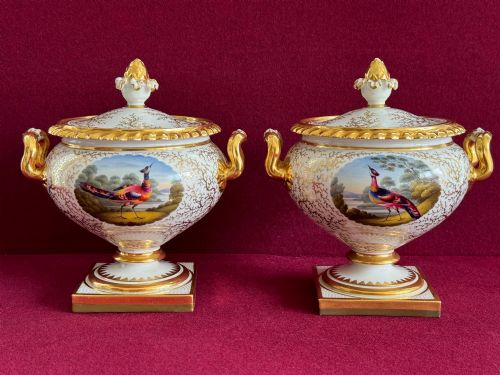
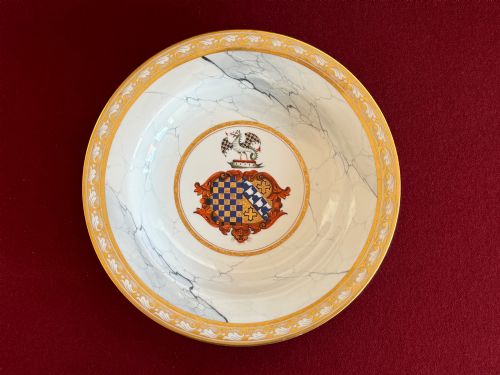
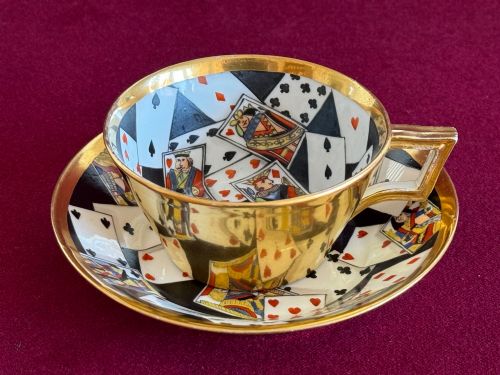
The phrase antique gold bowl brings together a diverse selection of decorative vessels, centrepieces, cachepots, and cabinet pieces from the Georgian, Victorian, Edwardian, and Regency periods, alongside Meiji period Japanese works and Chinese bronzes. Most items meeting this description utilise gilt bronze, ormolu mounts, gold leaf, paste gilt, or rich enamel over materials such as crystal, porcelain, earthenware, and brass.
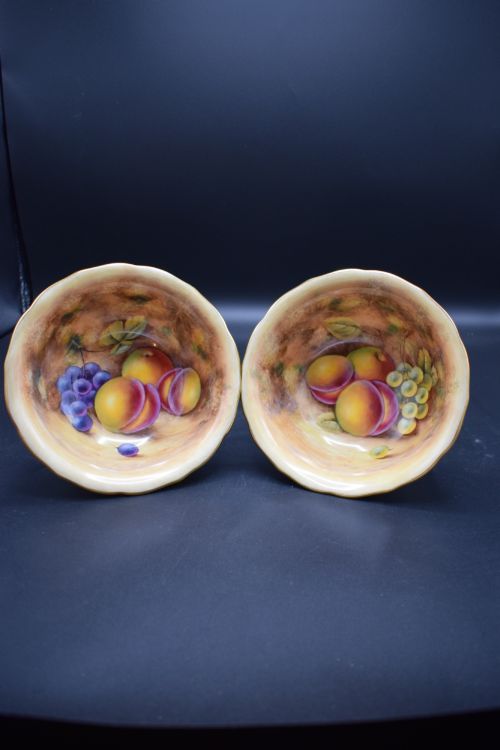
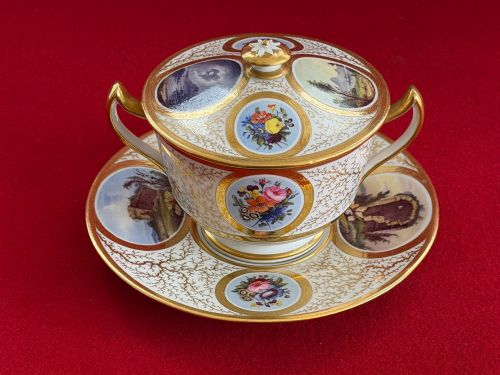
Buyers will most frequently find 19th-century French gilt bronze and crystal centrepieces, English porcelain cabinet dishes from makers like Royal Doulton and Wedgwood, and Japanese Satsuma bowls decorated with extensive gilt enamelling. These objects served varying ornamental and functional roles, from grand dining table centrepieces to delicate porcelain bowls and sturdy incense burners.
Materials and construction methods
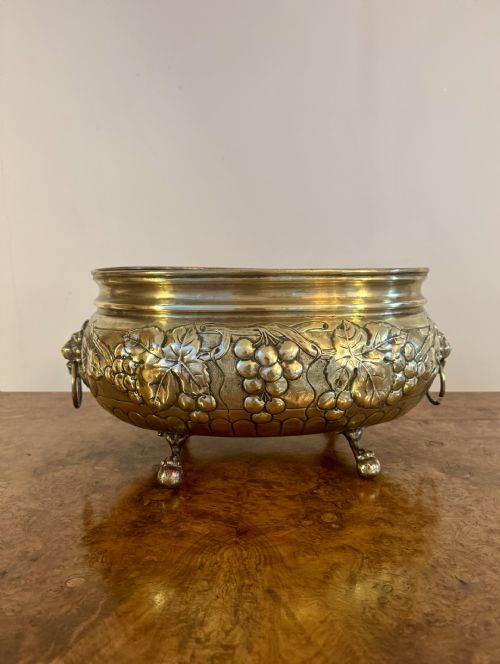
Metalwork pieces rely on casting and chasing, often pairing bronze with mercury gilding or ormolu to achieve a bright golden surface, while brass vessels utilise heavier cast construction with applied handles or masks. Ceramic examples combine porcelain, earthenware, or bone china bodies with hand-applied enamel work and detailed gilding.
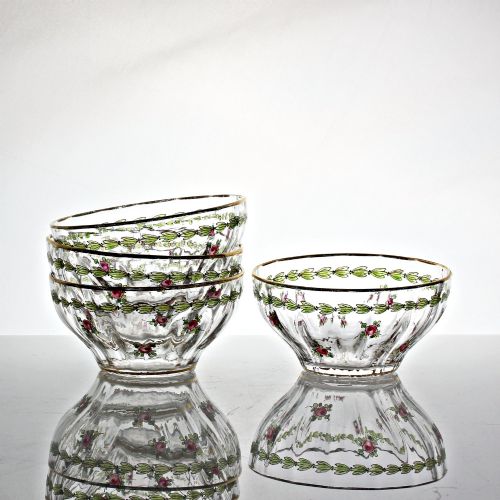
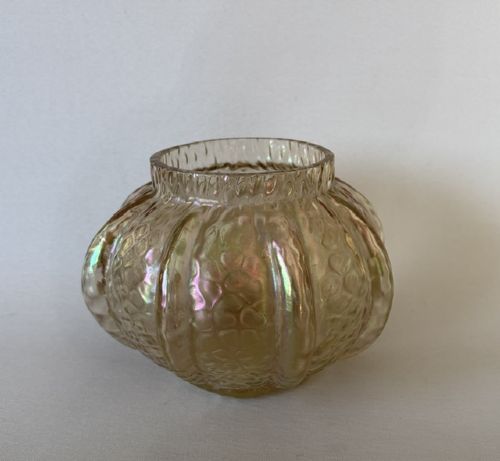
Glass and crystal items incorporate paste gilt or surface gilding fired onto ruby or clear crystal bodies, frequently mounted in elaborate gilt bronze frames. Japanese Satsuma earthenware utilises intricate hand-painted enamel designs set against dense gilt line work.
Antique Gold Bowl Retail Price Guide 2026
Typical asking prices for gold bowl among the pieces listed under this phrase on Sellingantiques today, from the lower quarter to the upper quarter. They describe what is for sale here now, not the wider market.
The documented materials include Satsuma earthenware, Champleve enamel, cut crystal, and heavy cast bronze.
Factors distinguishing quality
Quality rests upon the precision of the hand-chasing on bronze mounts, the clarity and weight of the crystal or porcelain body, and the crispness of the painted or enamelled decoration. Finer pieces display deeply detailed cast elements, secure and well-integrated mounts, and richly applied gold leaf or fire gilding that retains its depth.
Lesser examples show softer surface detail in cast metalwork, simpler applied gilding that rubs easily, or moulded glass lacking the hand-cut facets and heavy proportions seen in premier centrepieces.
Barr and Barr·Flight Barr and Barr·Duesbury and Kean·Stephan Wekeva·Royal Doulton·David Dewsberry·Daisy Makeig-Jones·Spode·Wu Bangzuo·Kozan·Shizan
The Antique Gold Bowl Glossary
- Ormolu
- Finely ground high-carat gold applied to a bronze base using a mercury amalgamation technique. This process creates a durable, warm golden finish characteristic of French decorative pieces.
- Gilt Bronze
- An alloy of copper and zinc or tin treated with a gold coating. It provides structural strength while presenting a decorative golden exterior.
- Satsuma Ware
- A type of Japanese earthenware featuring a ivory-craquelure glaze decorated with polychrome enamels and rich gilding. It gained immense popularity during the Meiji period.
- Paste Gilt
- A method of applying powdered gold mixed with a medium onto glass or ceramics before firing. It sits slightly raised on the surface.
- Jardiniere
- An ornamental pot or bowl designed to hold plants or flowers. They appear frequently in brass, ceramic, and gilt bronze formats.
Antique Gold Bowl: Frequently Asked Questions
Were these bowls used for dining?
Many larger pieces served as centrepieces or monteiths for cooling wine glasses on formal dining tables. Porcelain cabinet dishes and smaller bowls were designed strictly for display in drawing rooms or cabinets.
Incense burners and cachepots held aromatic materials or potted plants rather than food. Function depended entirely on the original workshop design and material composition.
How can I tell the period?
Examine the base material, manufacturing marks, and stylistic indicators such as Regency neoclassical mounts or Art Nouveau organic curves. Maker stamps, painted pattern numbers, and artist signatures offer direct chronological markers.
Wear patterns on the gilding and the construction method of the mounts also help separate 18th-century cast bronzes from later 19th-century reproductions or variants.
What is the difference between ormolu and gold leaf?
Ormolu involves bonding a gold and mercury mixture to a bronze substrate through intense heat, creating an integrated metallic layer. Gold leaf consists of beaten gold sheets adhered to a prepared surface using size.
Ormolu appears predominantly on heavy metal mounts and centrepieces, while leaf and paste gilding are found on glass, porcelain, and wood.