
Antique Goblet Glass
An antique goblet glass holds centuries of craftsmanship in the palm of your hand, offering weight, clarity and historical presence for the table.
Antique Goblet Glass
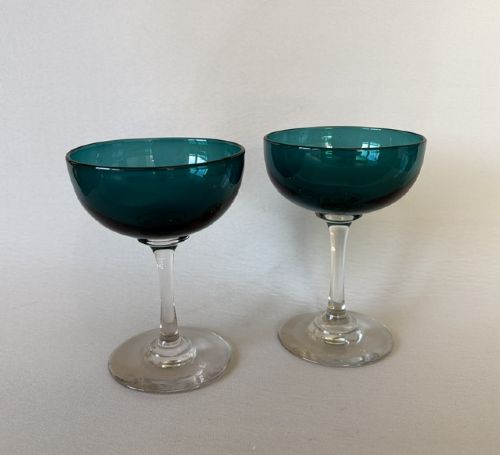
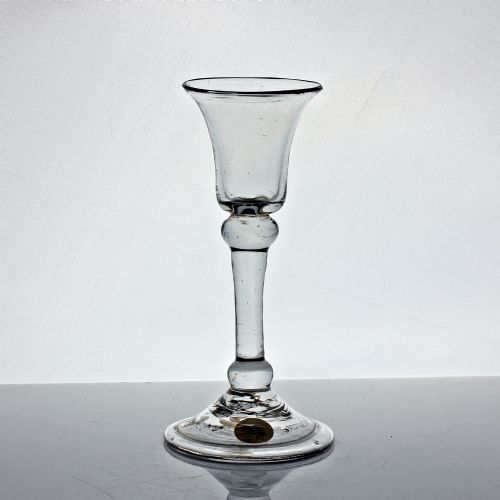
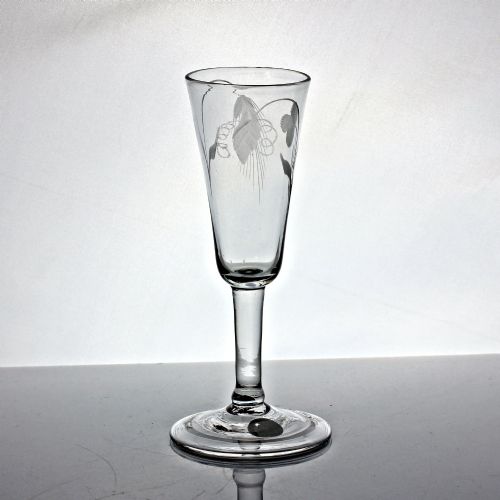
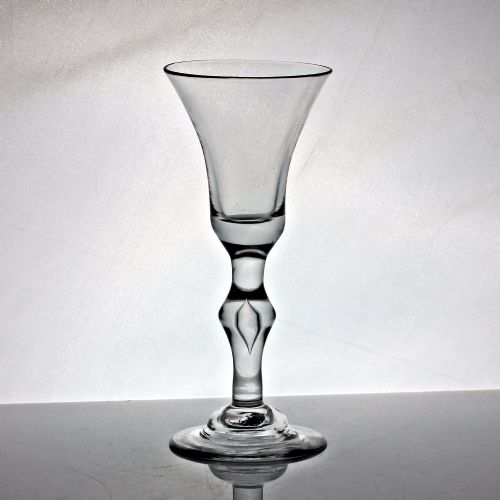
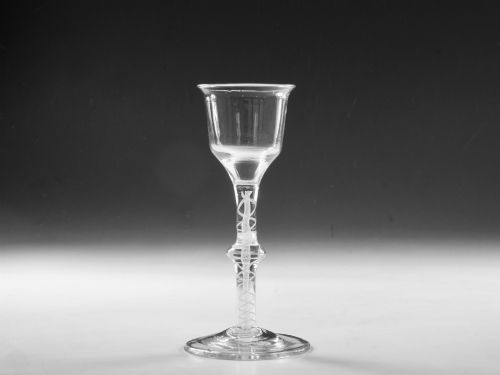
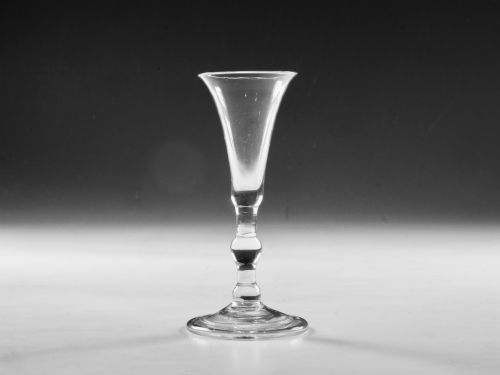
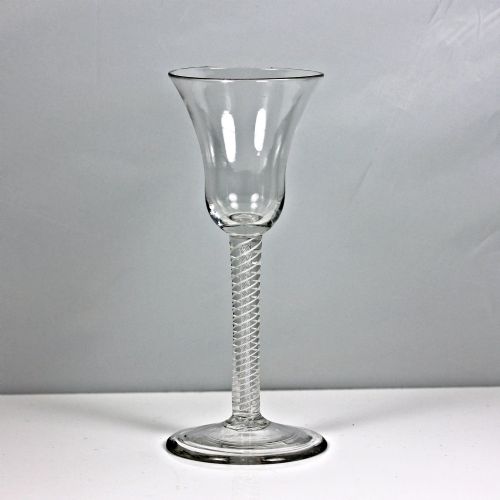
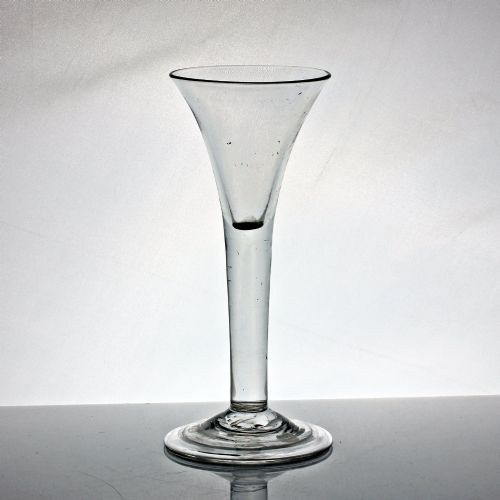
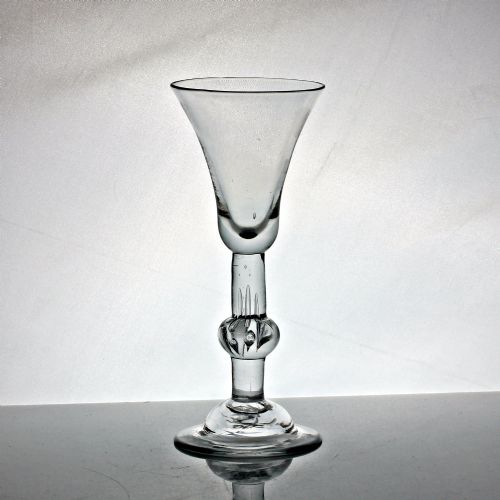
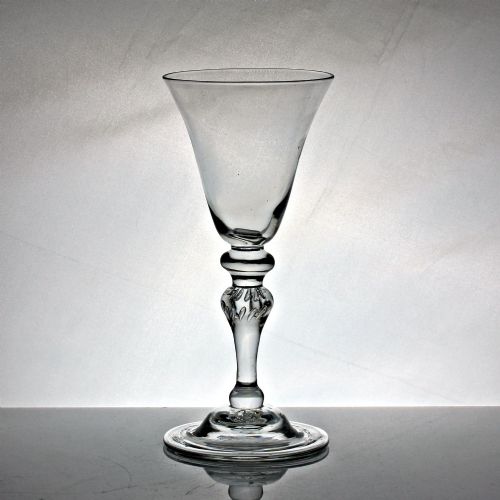
When you search for an antique goblet glass, you encounter drinking vessels spanning the eighteenth and nineteenth centuries, alongside later expressions from the art nouveau and art deco periods. The selection on this page leans heavily toward Georgian lead glass drinking vessels, including heavy baluster stems, opaque twists, and robust rummers.
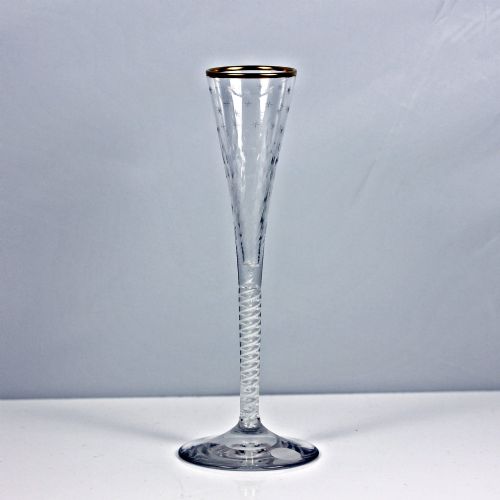
Form follows function across these pieces, moving from slender wine and cordial glasses with trumpet or ogee bowls to large ceremonial goblets and robust ale glasses. Many specimens preserve specific social rituals through engraved hop and barley motifs, Masonic symbols, or commemorative inscriptions.
Geographic origins centre largely on English lead glass production centres, with notable continental examples from Bohemian and German workshops appearing in coloured crystal and gilt finishes. Forms range from intimate dram glasses to massive ceremonial beakers.
Materials and Technique
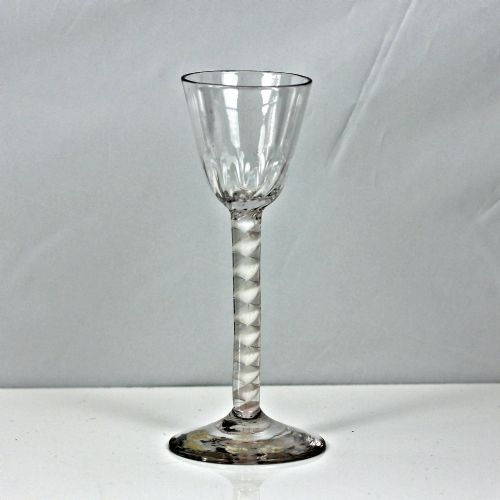
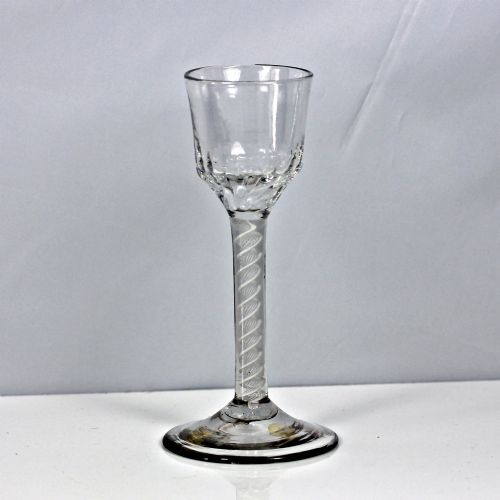
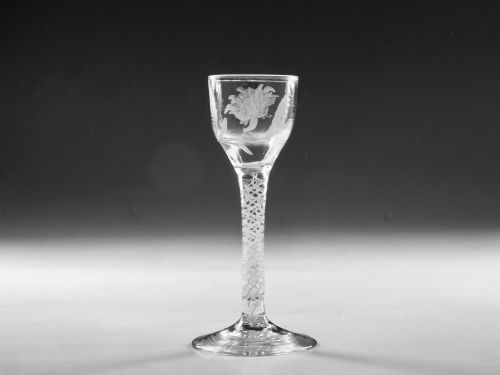
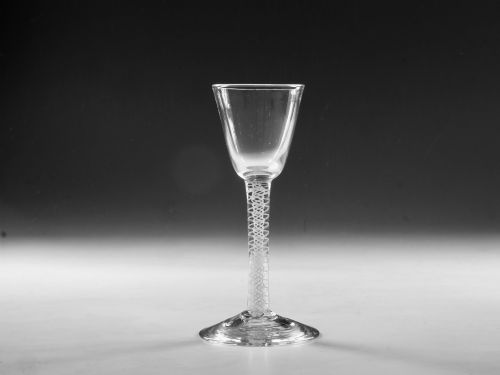
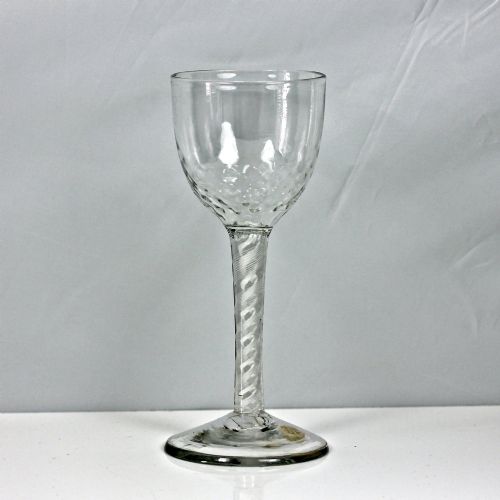
Makers utilised lead glass and flint glass to achieve high refractive index and heavy physical weight, allowing stems to be drawn or fashioned with internal air twists and opaque enamel threads. Surface decoration relied upon wheel engraving, diamond-point etching, and applied gold leaf or enamel highlights.
Construction techniques divide between blown-moulded vessels and pieces manipulated by hand at the furnace, where folded feet and applied collars added structural stability. Stems were often formed separately and joined to bowls while molten, sometimes incorporating knops, air tears, or multi-series opaque white twists.
A singular rummer survives engraved with the defiant toast Women and Wine, capturing eighteenth-century social sentiments in clear flint glass.
Judging Quality
Quality rests in the optical purity of the metal and the dexterity displayed in the stem formation, where crisp twist threads and balanced proportions distinguish superior output from heavier, utilitarian production. The resonance of the metal when struck and the absence of cloudiness or excessive internal striae signal higher manufacture standards.
Engraved detail dictates upper tiers of desirability, requiring deep wheel cutting and crisp execution rather than shallow surface scratching. Wear patination on the underside of the foot rim provides tangible evidence of age and honest handling over centuries.
Baccarat·Moser·Tiffany and Co
The Antique Goblet Glass Glossary
- Baluster stem
- A heavy, thick stem form inspired by seventeenth-century architecture, often featuring central swelling knops and collar rings. It provides significant weight and stability to larger drinking vessels.
- Opaque twist
- A stem formation created by enclosing white or coloured enamel threads within clear glass canes, which are then twisted during pulling. Single and double series designate the complexity of these internal patterns.
- Rummer
- A capacious, heavy drinking glass popular in the late eighteenth and nineteenth centuries, typically possessing a short stem and a bucket or ogee bowl. It was used for ale, wine, or punch.
- Folded foot
- A base edge turned underneath during manufacture to create a smooth, rounded rim that resists chipping. This technique is frequently observed on eighteenth-century English drinking glasses.
- Pontil mark
- The rough scar left on the base of a vessel where the punty rod was snapped off after blowing. Its presence, often smoothed or polished, confirms hand-blown manufacture.
Antique Goblet Glass: Frequently Asked Questions
Can I drink from an antique goblet?
Most antique drinking vessels remain entirely usable for celebratory toasts or formal dining, provided you handle them with care. The heavy lead glass used in Georgian and Victorian pieces is durable.
Inspect the rim and base for structural soundness before use, and avoid serving acidic liquids in pieces with delicate enamel or gilding.
What is an opaque twist stem?
An opaque twist is a decorative stem feature where fine white enamel glass rods are twisted inside clear flint glass. This technique gained popularity in mid-eighteenth-century England.
Single series twists contain one set of threads, while double series combine a pair of interwoven corkscrew patterns.
How do I date an old wine glass?
Dating relies upon a combination of bowl form, stem construction, foot style, and the composition of the glass metal itself. Folded feet and heavy baluster stems point toward the eighteenth century.
Tool marks, pontil scars, and engraving styles provide further clues, allowing collectors to narrow down the decade of production.