

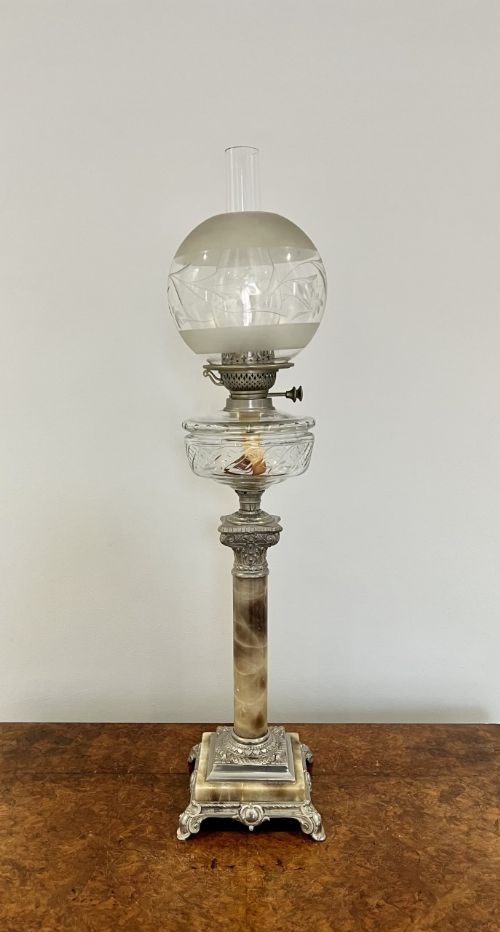

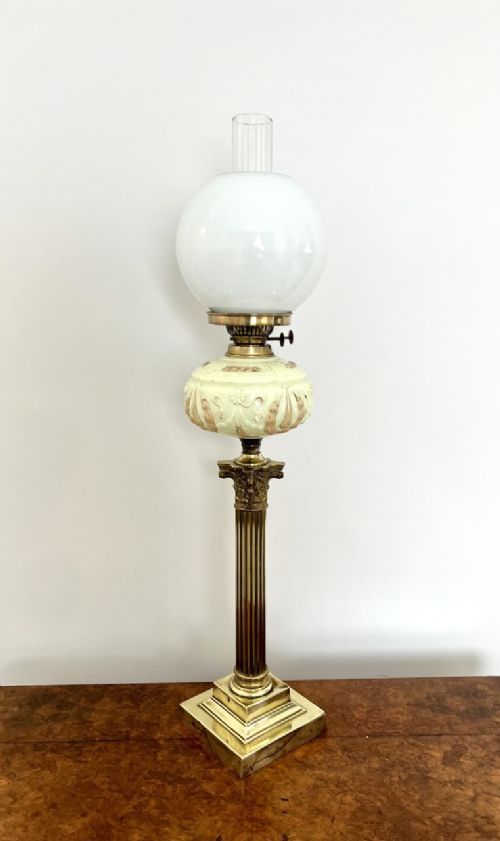

Antique Globe Table Lamp
An antique globe table lamp brings functional illumination and character, combining period glass or metal with domestic lighting history.
Antique Globe Table Lamp
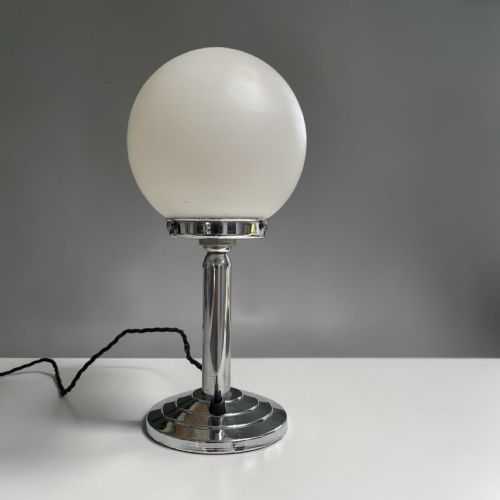
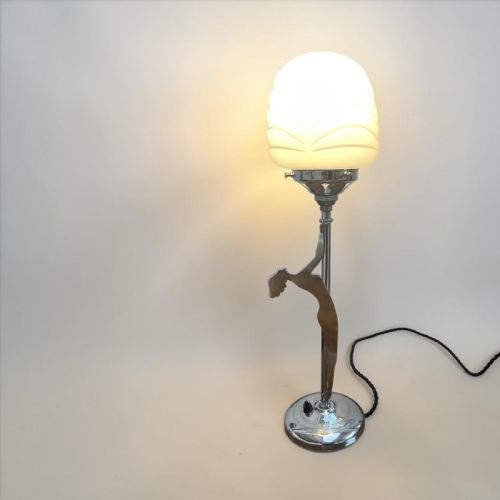
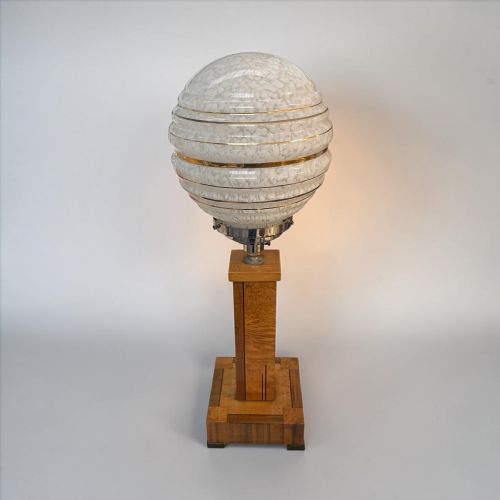
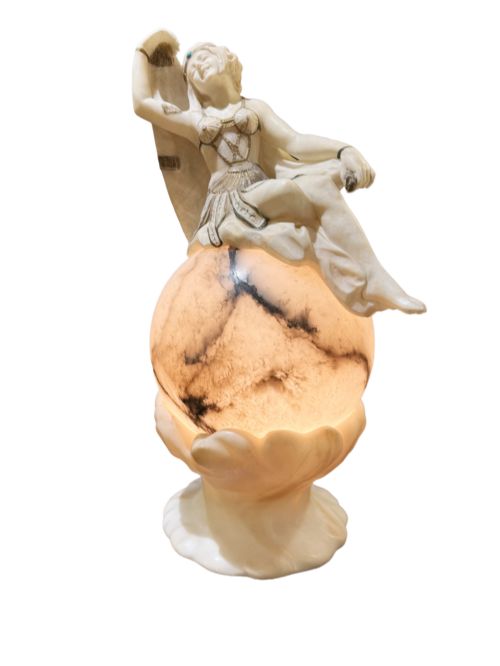
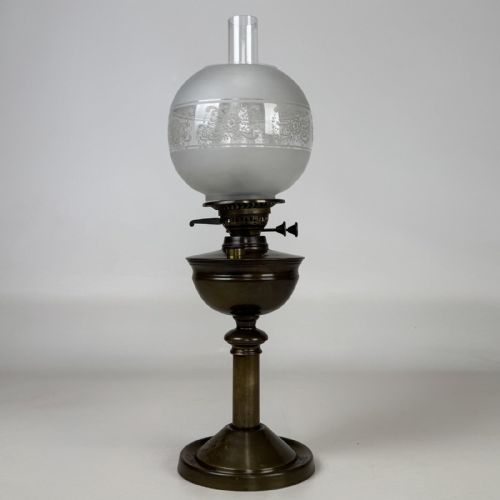
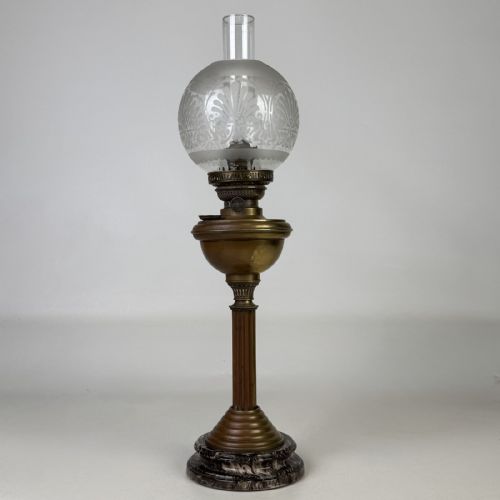
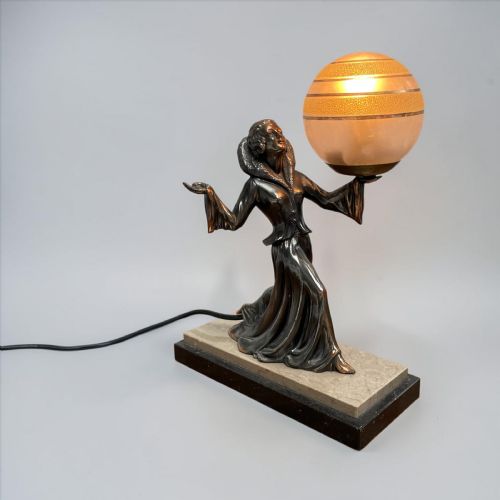
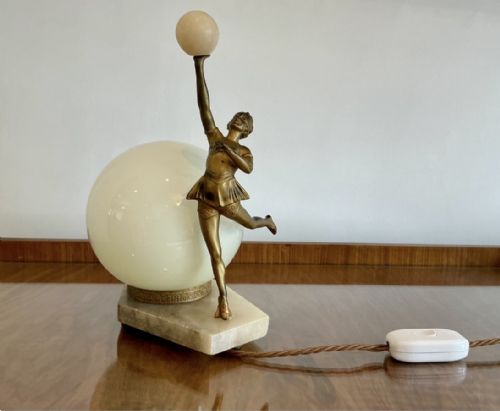
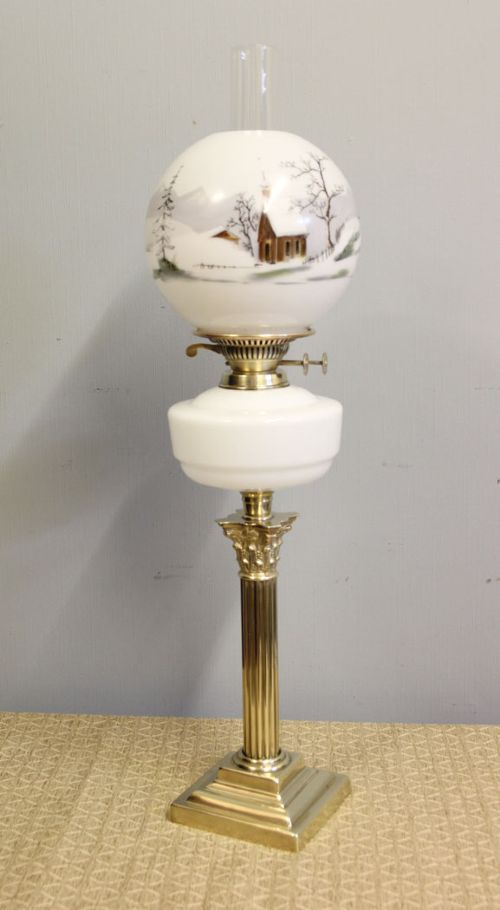
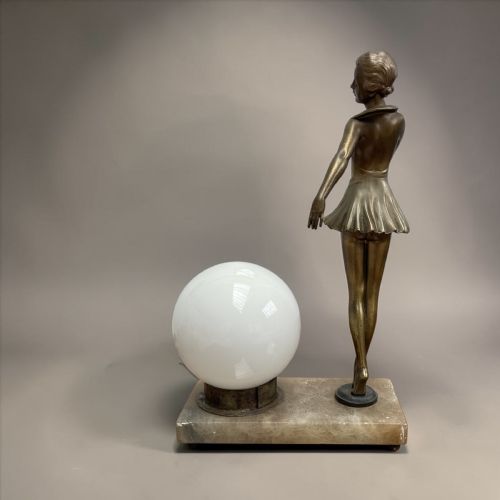
An antique globe table lamp typically takes the form of converted oil lamps and figural lighting dating from the nineteenth century through the Art Deco period. The inventory relies heavily on Victorian brass oil lamps with glass shades, Edwardian designs, and French Art Deco figural pieces.
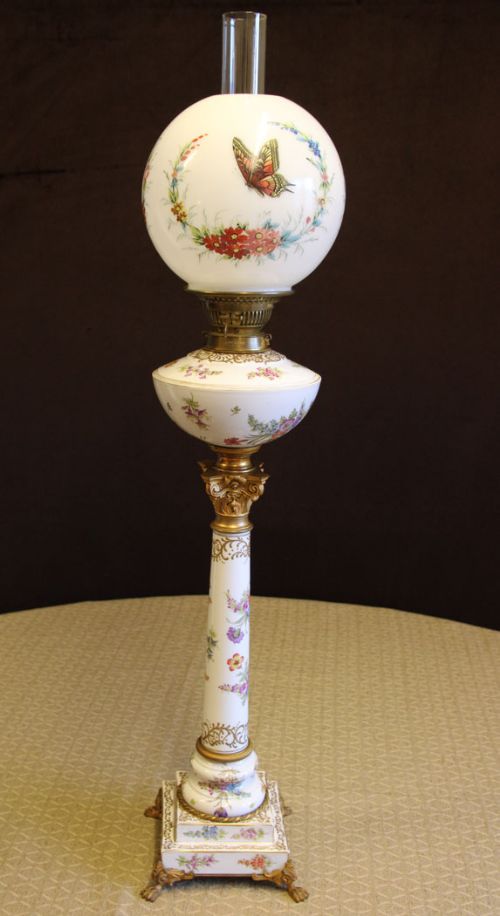
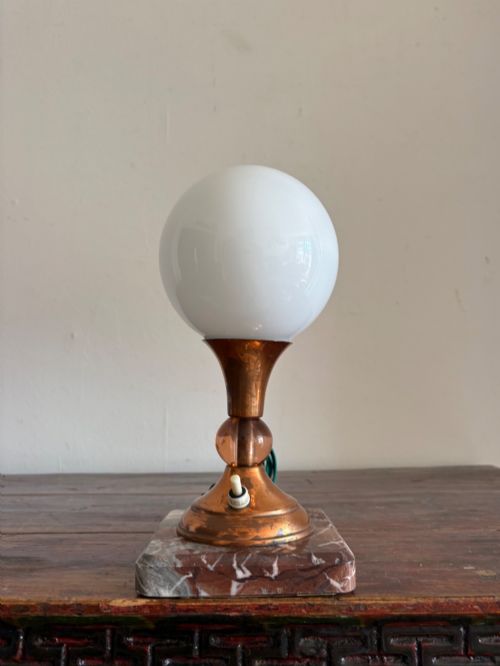
Buyers encounter oil lamps featuring spherical opaline or frosted glass shades alongside stylized figural lamps from the nineteen-thirties. Brass, marble, and ceramic bodies dominate the selection, often paired with distinct coloured fonts and globes.
How they were made
Maker construction combines cast brass, bronze, spelter, and marble bases with blown or moulded glass shades. Metal components utilise casting, turning, and plating techniques typical of Victorian and twentieth-century metalwork.
Glass elements range from plain opaline to etched and coloured glass globes. Many pieces integrate ceramic fonts or marble plinths to provide stability and visual contrast.
Antique Globe Table Lamp Retail Price Guide 2026
Typical asking prices for globe table lamp among the pieces listed under this phrase on Sellingantiques today, from the lower quarter to the upper quarter. They describe what is for sale here now, not the wider market.
Listings span the Victorian, Edwardian, and Art Deco periods, featuring materials such as brass, marble, opaline glass, and bronze.
What varies in quality
Quality rests in the weight of the metal casting, the clarity and thickness of the glass globe, and the originality of the components. Heavier brass bases and finely detailed figural work distinguish better examples.
The integration of materials, such as matched marble and metal mounts or finely etched glass shades, determines the distinction between standard production and superior specimens.
Hinks of Birmingham·Messenger
The Antique Globe Table Lamp Glossary
- Opaline glass
- A milky, semi-translucent glass popular in nineteenth and early twentieth-century lighting. It diffuses light softly across a room.
- Spelter
- An alloy of zinc and lead used as a cheaper alternative to bronze in figural lamp bases. It often received a bronze or painted finish.
- Font
- The oil reservoir of a lamp, usually positioned above the base and beneath the burner or shade. These appear in ceramic, glass, and brass.
- Corinthian column
- A classical architectural column style frequently utilised for the stems of Victorian brass oil lamps. It adds formal height to the design.
Antique Globe Table Lamp: Frequently Asked Questions
What is an antique globe table lamp?
These pieces are historical lighting fixtures, often originating as nineteenth-century oil lamps or twentieth-century electric mood lamps featuring spherical glass shades.
They combine decorative metal bases in brass, bronze, or spelter with distinctive glass globes designed to soften illumination.
How do I date an antique lamp?
Dating relies on stylistic markers such as Victorian brass casting, Edwardian onyx details, or Art Deco figural designs.
Materials like opaline glass, chrome plating, and specific maker marks also help assign pieces to periods between the eighteen-eighties and nineteen-thirties.
Are these lamps converted for electricity?
Many surviving oil lamps undergo careful conversion to electricity to allow safe modern use in homes.
Original burners and reservoirs are typically adapted to house internal wiring while retaining the outer historical appearance.
How do I care for antique glass and brass?
Brass and bronze surfaces benefit from gentle dusting and occasional cleaning without harsh chemical abrasives to preserve patination.
Glass shades require careful removal and washing in warm soapy water to prevent damage to delicate etched or coloured finishes.