


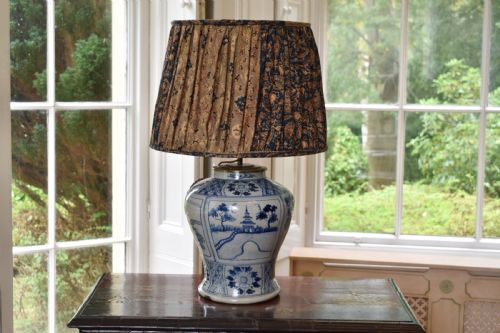
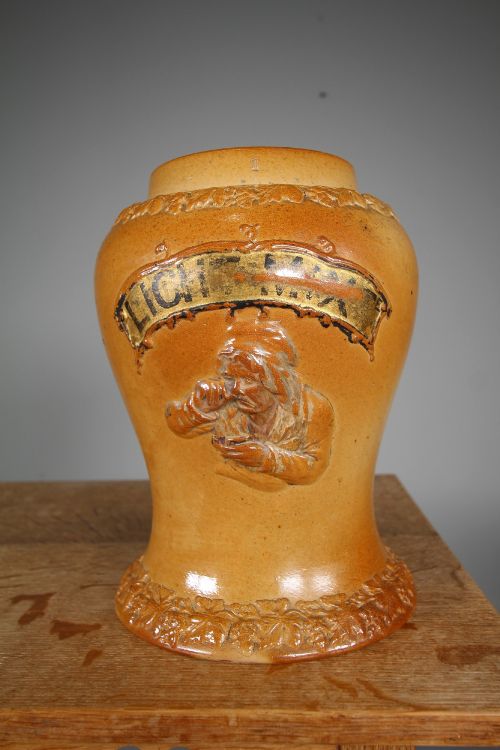
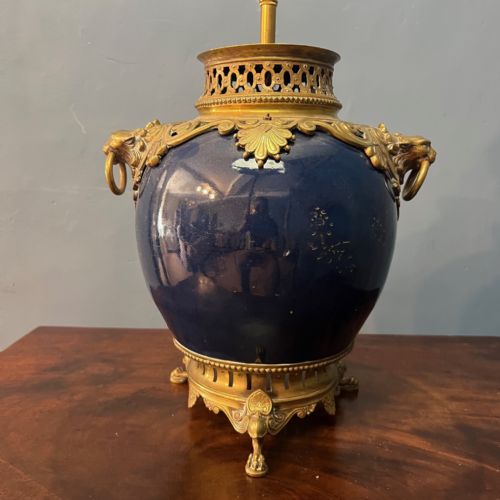
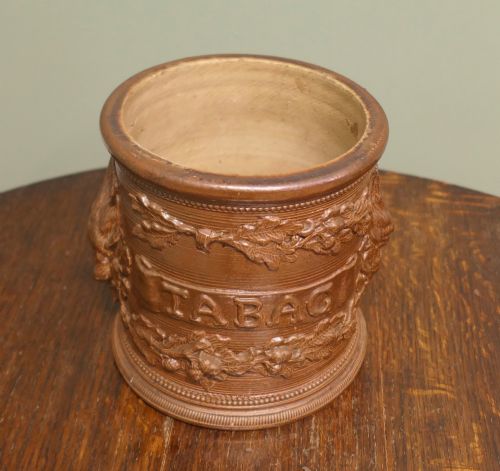
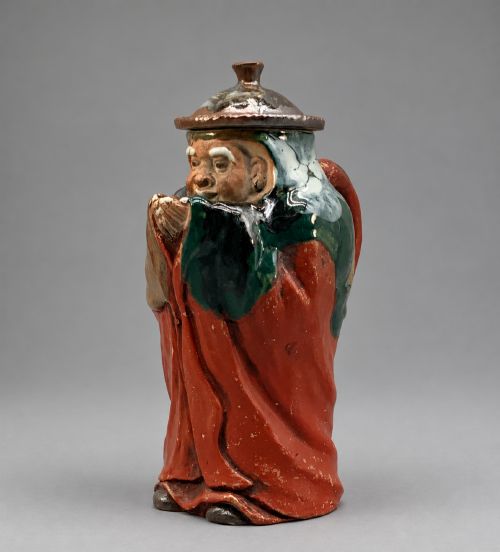
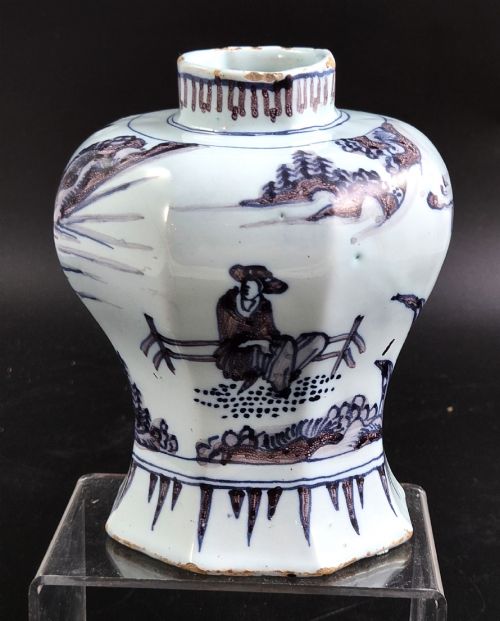

Antique Glazed Jar
An antique glazed jar brings centuries of utilitarian craftsmanship and decorative glaze work directly into modern domestic spaces.
Antique Glazed Jar
When you search for an antique glazed jar, you encounter vessels that bridge everyday storage and decorative arts across multiple centuries.
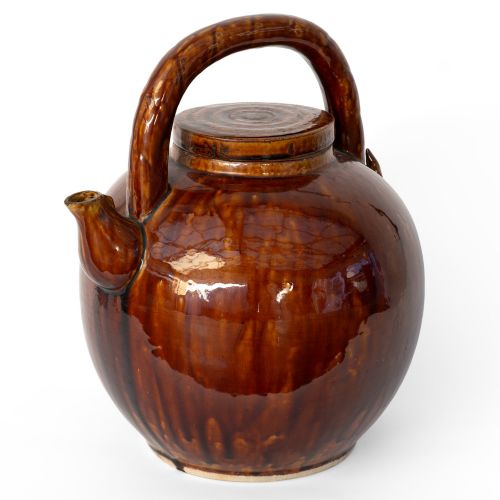
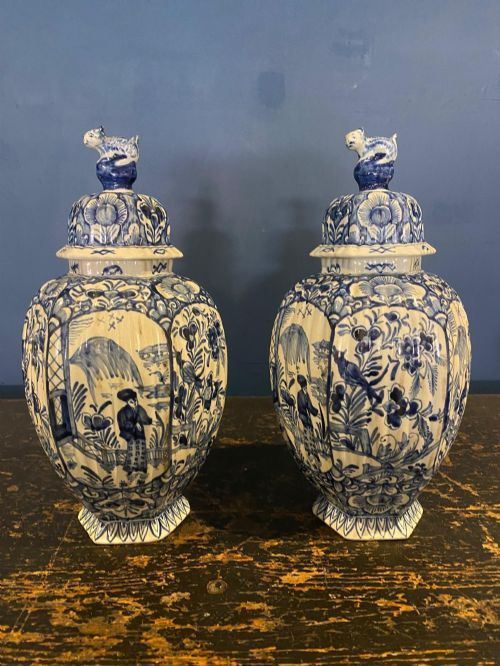
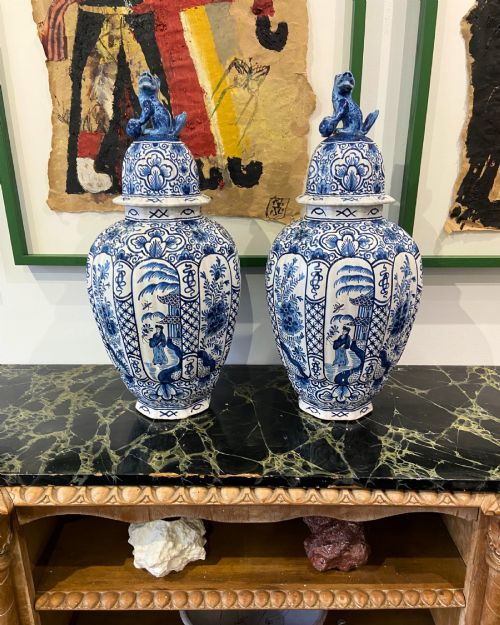
The selections on this page span robust utilitarian earthenware vessels from French and English workshops alongside refined delftware and majolica apothecary containers.
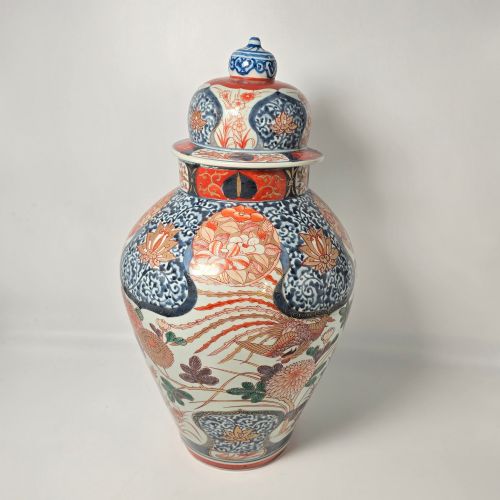
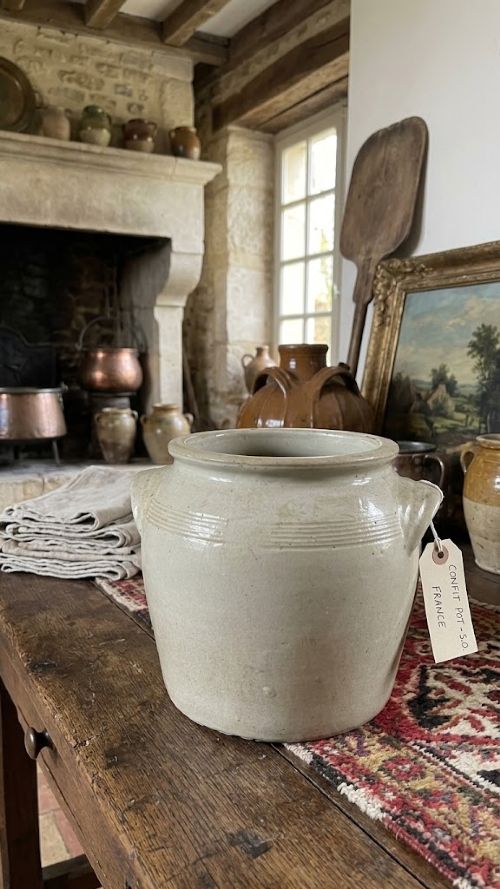
These pieces encompass everything from simple confit pots designed for preserving food to ornate lidded urns originating from European and Asian traditions.
Materials and methods of construction
Potters constructed these vessels primarily using terracotta, earthenware, and ceramic bases shaped on the wheel or pressed into moulds.
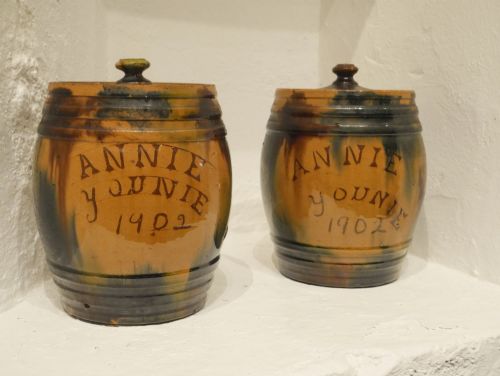
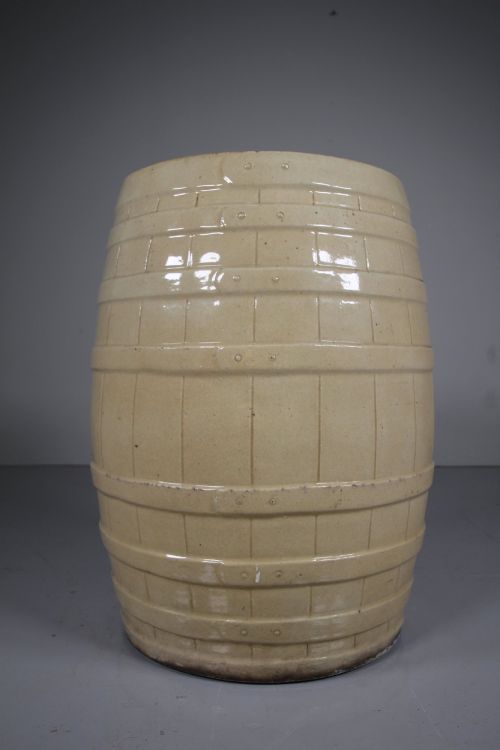
Surface treatments rely heavily on tin glaze, salt glaze, and coloured enamel applications that vitrify during firing to seal the porous clay beneath.
Makers applied pigments directly onto the raw or fired glaze surfaces, utilising cobalt blues, manganese purples, and polychrome paints before secondary kiln firings.
Antique Glazed Jar Retail Price Guide 2026
Typical asking prices for glazed jar among the pieces listed under this phrase on Sellingantiques today, from the lower quarter to the upper quarter. They describe what is for sale here now, not the wider market.
The objects range from 16th-century apothecary jars to 20th-century decorative planters and vases.
Distinctions in execution and finish
The caliber of an antique glazed jar depends on the precision of the potter's hand in shaping the body and the evenness of the glaze application across complex surfaces.
Pieces decorated with hand-painted motifs, such as detailed pharmacy labels or intricate floral scenes, demonstrate distinct levels of artistic control and pigment richness.
The preservation of the original surface, including historical glaze crazing and wear patterns, distinguishes accomplished studio production from lesser utilitarian output.
Fourmaintraux-Courquin·Alice Euphemia Thatcher·Gallilleo Chini·I.C Hoffmann
The Antique Glazed Jar Glossary
- Albarello
- A cylindrical earthenware jar used by apothecaries to store dry drugs and ointments. These vessels typically feature an indented waist to allow easy gripping.
- Tin-Glaze
- A pottery glaze containing tin oxide that dries to an opaque white surface. It serves as an ideal canvas for painted cobalt and polychrome decoration.
- Confit Pot
- A French utilitarian earthenware jar featuring a fully glazed interior and upper exterior. Potters designed these vessels for preserving and storing duck confit or other meats.
- Majolica
- Heavy earthenware coated with an opaque tin enamel and painted with colourful metallic oxide designs. This Italian and European tradition flourished across the Renaissance and subsequent centuries.
- Salt Glaze
- A vitreous coating formed by throwing common salt into the kiln during high-temperature firing. This process creates a distinctive textured surface resembling orange peel.
Antique Glazed Jar: Frequently Asked Questions
What were antique glazed jars used for?
Many of these vessels served practical roles in domestic kitchens and apothecary shops, holding preserves, oils, dried herbs, and liquid medicines.
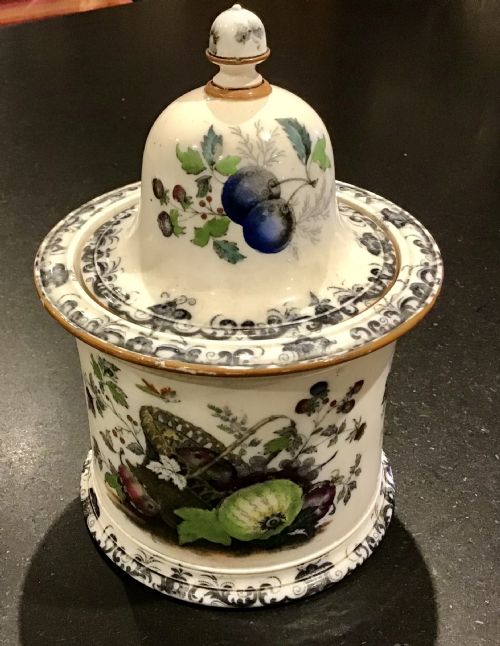
Other pieces functioned as ornamental mantel ornaments or tobacco containers, displaying intricate painted scenes rather than holding consumable goods.
How do I care for a glazed ceramic jar?
Keep these pieces away from areas subject to rapid temperature fluctuations and direct, harsh sunlight to protect the aged ceramic body and surface glaze.
Clean the surface gently using a dry or slightly damp soft cloth, avoiding harsh chemical detergents that can penetrate historical crazing.
How can I tell earthenware from porcelain?
Earthenware possesses a porous, opaque clay body that requires an opaque glaze like tin enamel to become watertight.
Porcelain utilises a refined white clay fired at higher temperatures until vitrified, resulting in a denser material that often transmits light through thin walls.
What is the difference between delft and majolica?
Delft generally refers to tin-glazed earthenware produced in the Netherlands and England, traditionally celebrated for blue and white painterly designs.
Majolica encompasses a broader European tradition of tin-glazed pottery, frequently utilising vibrant polychrome palettes including manganese, yellow, and green.