

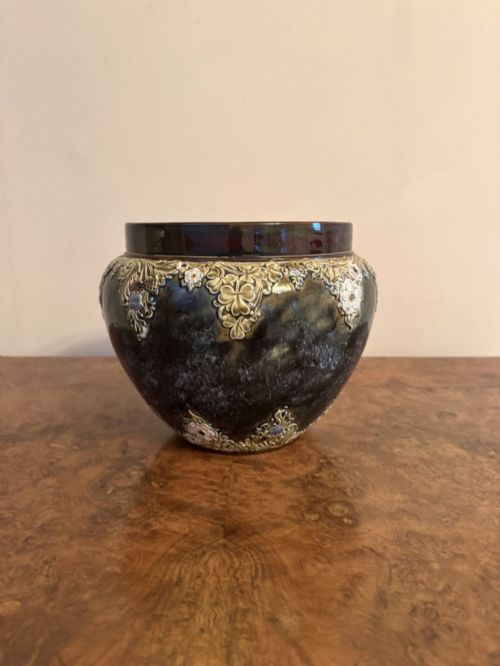
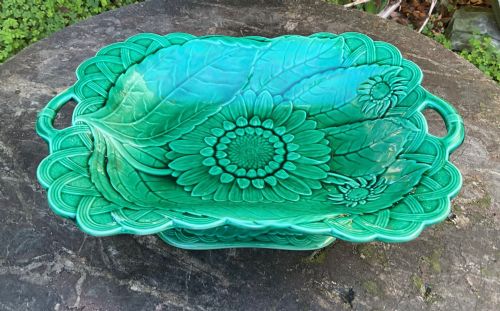
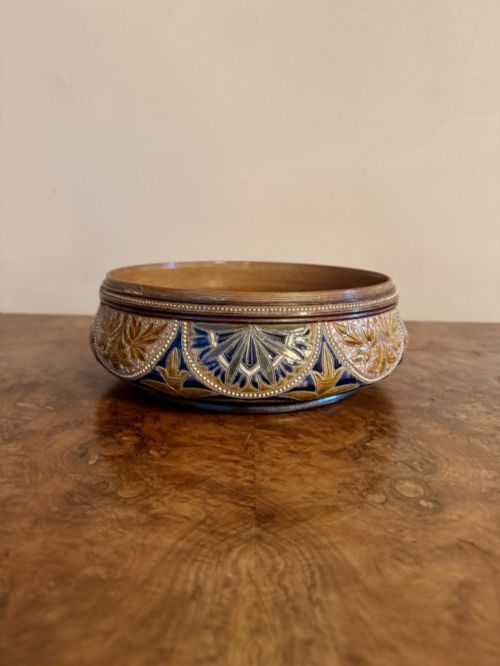
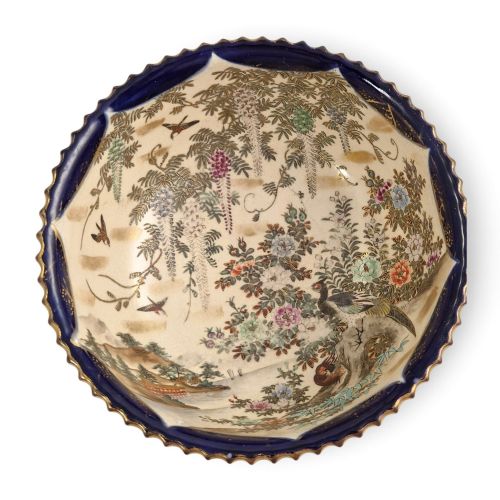

Antique Glazed Bowl
When you search for an antique glazed bowl, you enter a diverse field spanning utilitarian dairy vessels and ornate display porcelain.
Antique Glazed Bowl
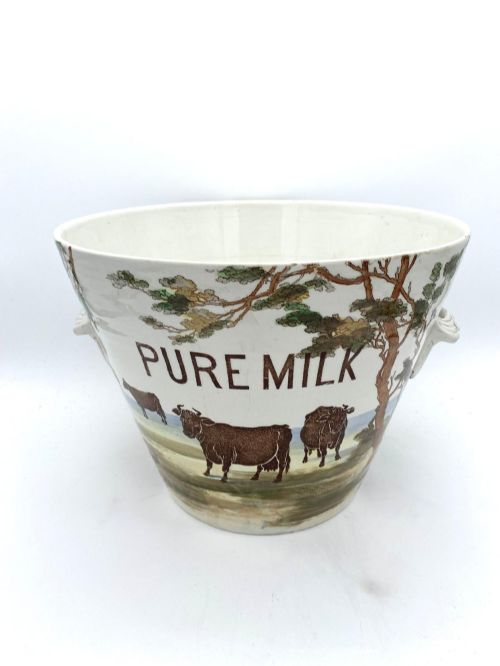
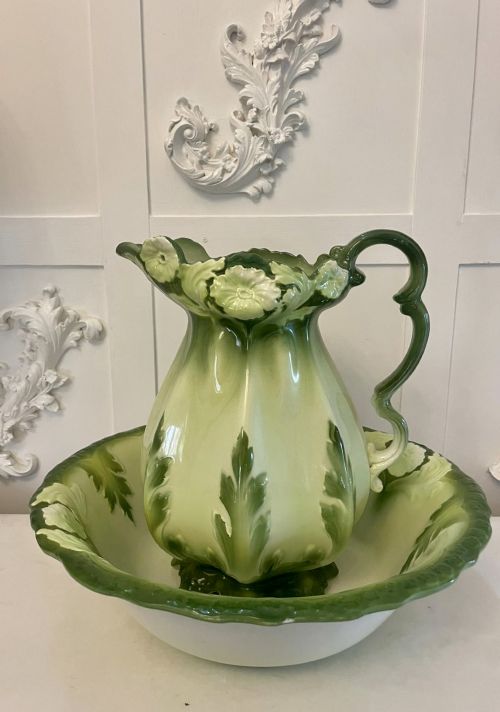
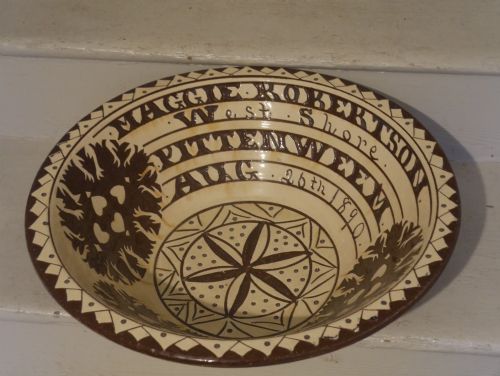
An antique glazed bowl encompasses a wide array of domestic and decorative vessels, ranging from sturdy nineteenth-century dairy pails and salt crocks to seventeenth-century Chinese export porcelain and vibrant majolica centrepieces. Buyers exploring this category encounter both utilitarian earthenware designed for practical farm work and delicate bone china or tin-glazed earthenware meant for display.
The selections available most frequently trace back to the nineteenth and eighteenth centuries, incorporating Victorian, Edwardian, and earlier periods with distinct regional traditions from Britain, continental Europe, and Asia. Forms vary considerably from simple footed bowls and fruit baskets to specialised items like barber's bleeding dishes and brush washers.
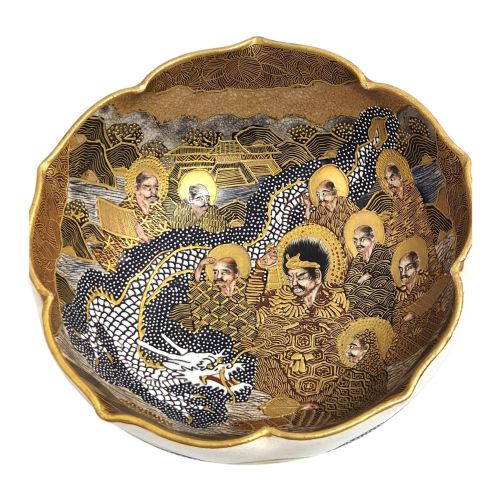
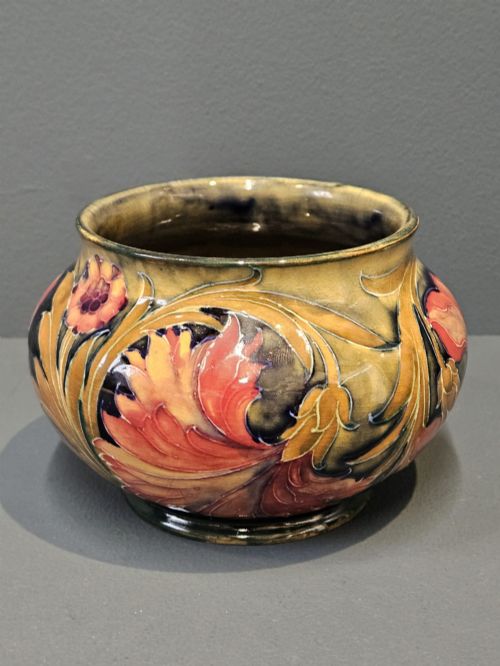
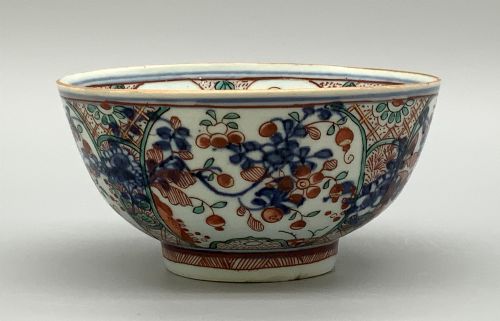
Makers represented across these listings include major names in British ceramics alongside Asian workshops from the Ming and Qing dynasties and the Meiji period. Whether formed as a monumental planter or a small Satsuma Hanami vessel, each piece relies on its specific glaze and period characteristics to define its utility and aesthetic appeal.
How they were made
Potters constructed these vessels using earthenware, stoneware, terracotta, and bone china, applying tin glazes, iron rust glazes, or cobalt blue underglaze to seal the clay body. Surface decoration often involved hand-painted motifs, relief figures, gold leaf accents, and specialised techniques such as majolica enamelling.
Manufacturing methods shifted between utilitarian throwing on a wheel for heavy dairy vessels and intricate moulding for decorative porcelain tazzas, jardinières, and figural bases. Kiln firing temperatures determined the vitrification of the ceramic body, binding the liquid glaze to the surface to create durable finishes ranging from glossy monochromes to complex polychrome designs.
Antique Glazed Bowl Retail Price Guide 2026
Typical asking prices for glazed bowl among the pieces listed under this phrase on Sellingantiques today, from the lower quarter to the upper quarter. They describe what is for sale here now, not the wider market.
The selection includes British Victorian pottery alongside Chinese Kangxi porcelain and Japanese Satsuma ware.
What varies in quality
Quality in these ceramics rests on the precision of the potter's execution, the crispness of moulded or hand-painted details, and the depth of the glaze. Masterpieces display careful control during high-temperature firing, resulting in smooth, even surfaces and well-defined polychrome or blue and white transfer designs.
Provenance and artistic attribution elevate specific items, particularly when signed by renowned makers or master craftsmen from periods like the Meiji era or the Qing dynasty. Lesser examples show uneven glaze pooling, blurring of painted patterns, or coarse body construction typical of mass-produced utilitarian wares.
Minton·Moorcroft·Coalport·Doulton Lambeth·Wedgwood·Chamberlains Worcester·George Jones
The Antique Glazed Bowl Glossary
- Majolica
- A type of earthenware coated with an opaque tin-lead glaze and decorated with metal oxide colours, highly popular during the Victorian era for sculptural bowls and baskets.
- Tin-Glazed Earthenware
- Pottery fired with a glaze containing tin oxide, which produces a white, opaque surface suitable for hand-painted blue and white or polychrome decoration.
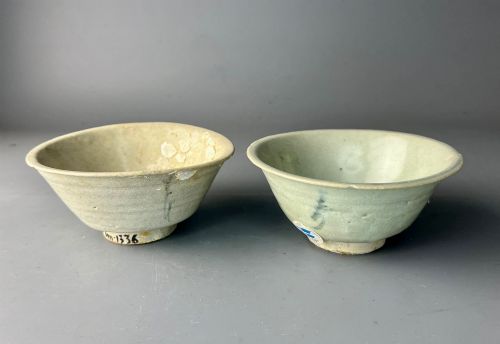
- Celadon
- A term for ceramics denoting both a pale green glaze resembling jade and the pieces finished with this distinct translucent coating.
- Tazza
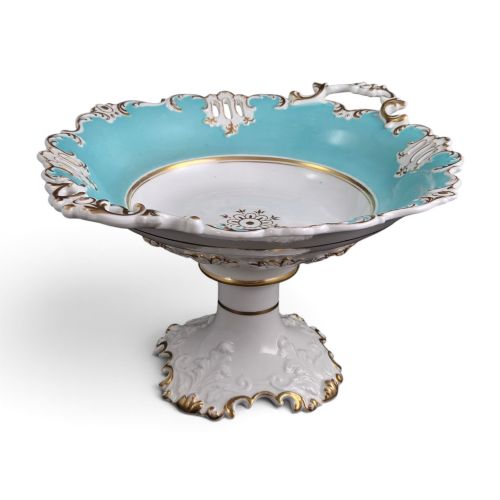
- An Italian term for a shallow saucer or bowl mounted on a stem and foot, often utilised for serving fruit or as a decorative centrepiece.
- Stoneware
- A robust, vitrified pottery body fired at high temperatures until impervious to liquid, frequently utilised for heavy nineteenth-century dairy and kitchen vessels.
Antique Glazed Bowl: Frequently Asked Questions
How were antique glazed bowls used?
Many utilitarian bowls served practical roles in nineteenth-century dairies and kitchens for holding milk, margarines, or salt. Others functioned as decorative centrepieces, fruit baskets, or display dishes in period drawing rooms.
Export porcelain and fine earthenware pieces often fulfilled purely ornamental purposes, showcasing elaborate hand-painted scenes or rich glazes on dining tables and mantelpieces.
How do I care for an antique bowl?
Protect fragile ceramic and porcelain surfaces by keeping them away from direct sunlight and sudden temperature shifts that might stress old glazes. Dust them gently with a dry, soft cloth rather than washing them in water.
Display heavy stoneware and terracotta pieces on stable, level surfaces that can support their substantial weight without risk of tipping.
How can I tell the period?
Examine the base, glaze texture, and any visible maker's marks or stamps to identify the manufacturing era. Stylistic clues such as Victorian naturalism, Art Nouveau curves, or Edo and Meiji period motifs also point toward specific decades.
Clay composition offers further evidence, as nineteenth-century utilitarian crocks differ visibly from seventeenth-century Chinese porcelain or eighteenth-century Delftware bodies.
What is tin-glazed earthenware?
Tin-glazed earthenware is pottery covered in a glaze made opaque with tin oxide, creating a smooth white canvas for painted designs. This technique defines traditional Delftware and Spanish faience from the seventeenth and eighteenth centuries.
The resulting surface allows for intricate blue and white Chinoiserie or polychrome decorations that remain distinct from later bone china and industrial pottery.