



Antique Glass Loupe
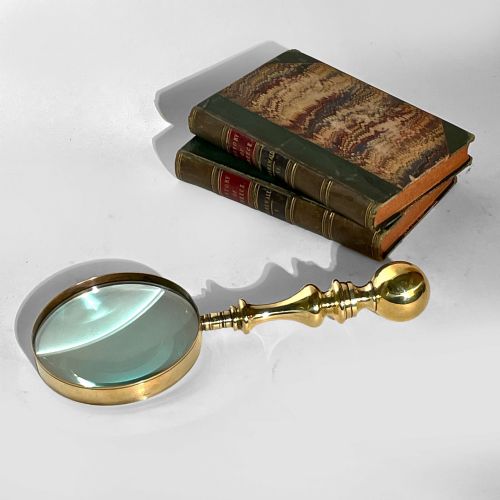
These antique glass loupe examples combine practical magnification with exquisite craftsmanship, offering the discerning collector portable lenses framed in brass, silver, tortoiseshell and mother of pearl.
Antique Glass Loupe
An antique glass loupe serves as a portable or desk-bound magnifying tool, merging utilitarian optics with decorative metalwork and natural materials. When you search for antique glass loupe, you encounter pocket-sized magnifiers, desk accessories, pendant quizzing glasses and specialised linen testers designed for trade or personal examination.
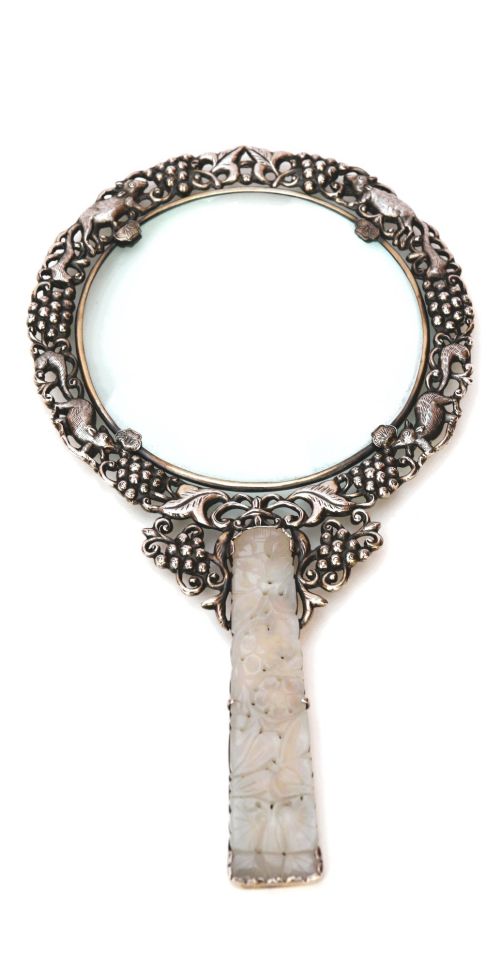
The selections span the Georgian, Victorian, Edwardian and Art Deco periods, alongside Chinese export silver work. You are most likely to meet silver-handled Victorian specimens or brass instruments from the nineteenth and early twentieth centuries on this page.
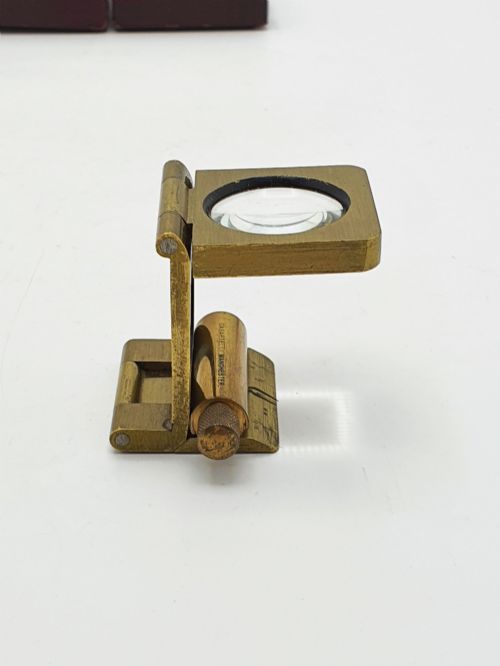
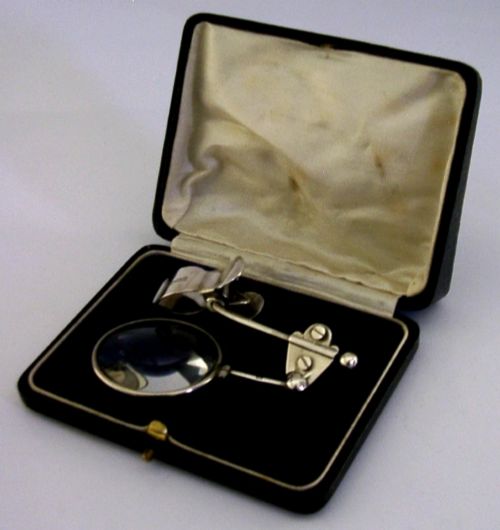
Forms range from simple folding brass frames with measuring scales to ornate pendant glasses hung from chains. Each piece reflects the aesthetic preferences of its decade, utilising precious metals and organic materials to elevate a simple magnifying lens.
How they were made
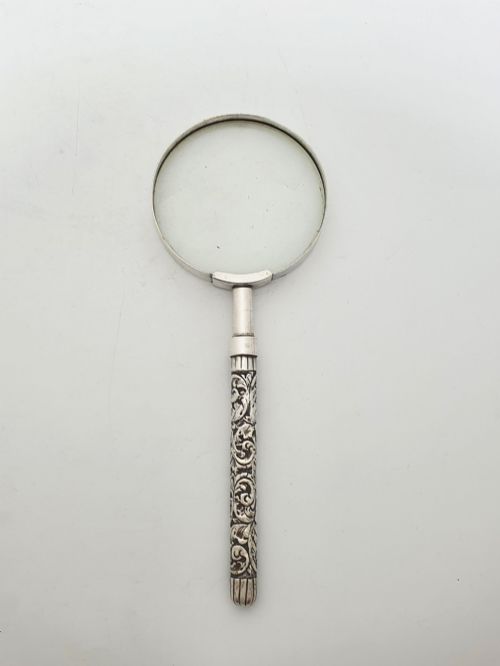
Metalworking techniques define the mounts, with brass, sterling silver and silver plate cast, hammered or formed into bezels and folding housings. Repoussé decoration appears on silver handles, creating raised floral or abstract relief patterns through manual hammering from the reverse side.
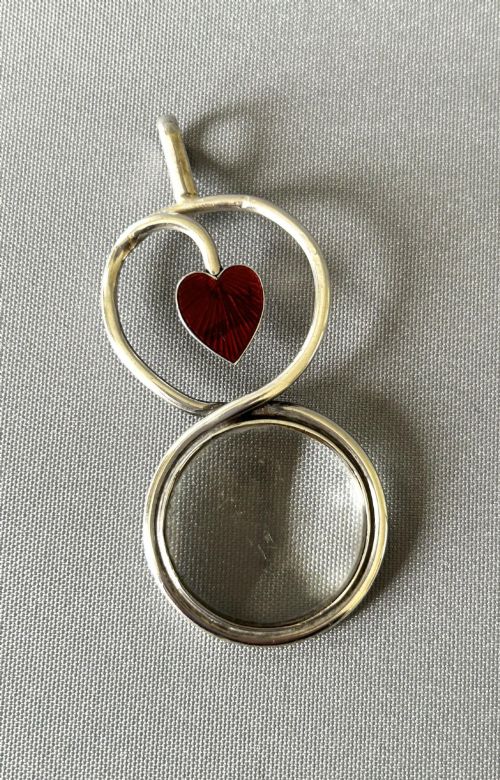
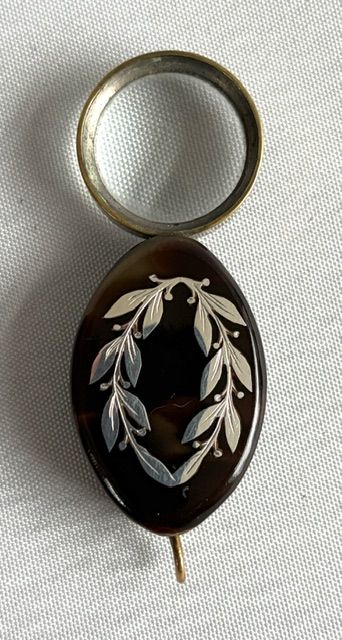
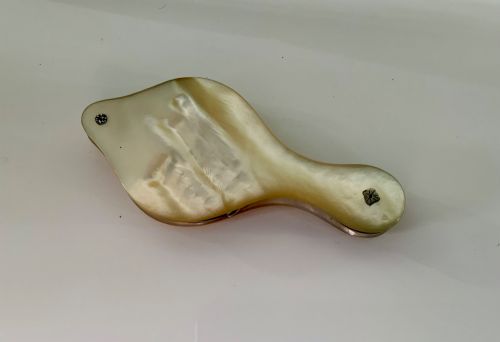
Natural materials require precise inlay and mounting skills, utilising mother of pearl, tortoiseshell, jade, rosewood and shagreen as handle scales or frame backings. Enamel work fuses vitreous glass to metal surfaces under high heat, adding coloured ornamentation to pendant quizzing glasses.
Antique Glass Loupe Retail Price Guide 2026
Typical asking prices for glass loupe among the pieces listed under this phrase on Sellingantiques today, from the lower quarter to the upper quarter. They describe what is for sale here now, not the wider market.
The material selection spans from utilitarian brass instruments to decorative silver and enamel pendant designs.
What varies in quality
The integrity and clarity of the optical glass lens set the baseline for quality, alongside the precision of any folding mechanism or measuring scale. Simpler brass linen testers prioritize mechanical utility, whereas luxury items focus on decorative mastery.
Material selection and handling complexity distinguish standard production from superior pieces. The integration of precious metals, hand-tooled tortoiseshell, finely carved mother of pearl or specialist enamel work elevates the standing of an individual loupe.
Casartelli Manchester·P H Vogel And Co
The Antique Glass Loupe Glossary
- Loupe
- A small magnifying glass used to inspect details on objects, jewellery or textiles. These pocket-sized instruments often feature protective folding cases or decorative handles.
- Quizzing glass
- A magnifying lens mounted on a handle or worn as a pendant around the neck, popular for fashion and social observation during earlier centuries.
- Linen tester
- A small folding magnifying glass used historically by textile merchants to count threads within a specific square measurement. They frequently incorporate integrated measuring scales.
- Pique
- A decorative technique involving tiny gold or silver pins inlaid into tortoiseshell or ivory to create intricate geometric or floral patterns.
- Repoussé
- A metalworking method where an artist hammers metal from the underside to form a raised design in relief on the front surface.
Antique Glass Loupe: Frequently Asked Questions
What is an antique glass loupe used for?
These instruments were designed for close inspection of textiles, jewellery, maps and fine print. Their portable nature allowed users to carry magnification for daily trade or personal reading.
Today, they serve both as functional desk accessories and as collectible examples of period craftsmanship.
How do I date an antique glass loupe?
Dating relies on material combinations, hallmarked precious metals, mechanical styles and decorative movements. Georgian pieces often feature mother of pearl, while Victorian examples frequently employ sterling silver with repoussé work.
Later Edwardian and Art Deco specimens introduce enamel, shagreen and folding frames associated with the interwar period.
What materials are common in these magnifiers?
Frames and handles utilise brass, sterling silver, silver plate and specialised woods like rosewood. Inlays incorporate organic substances including mother of pearl, tortoiseshell, jade and shagreen.
Lenses are formed from optical glass, occasionally paired with vitreous enamel decoration on pendant housings.
How should I care for an antique loupe?
Keep optical glass clean using appropriate lens cloths without harsh chemical solvents. Handle organic materials such as tortoiseshell and mother of pearl with care to prevent surface scratching.
Store metal components in stable humidity environments to preserve silver finishes and brass patination.