
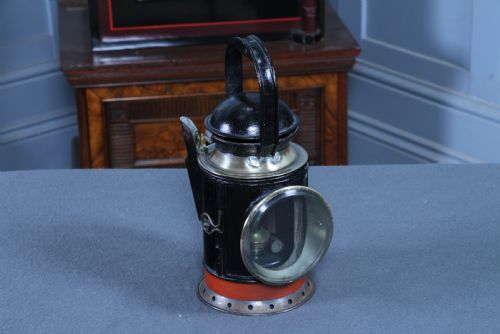


Antique Hand Lens
These antique hand lens pieces are functional optical aids and desk accessories that bring period craftsmanship to daily reading and study.
Antique Hand Lens
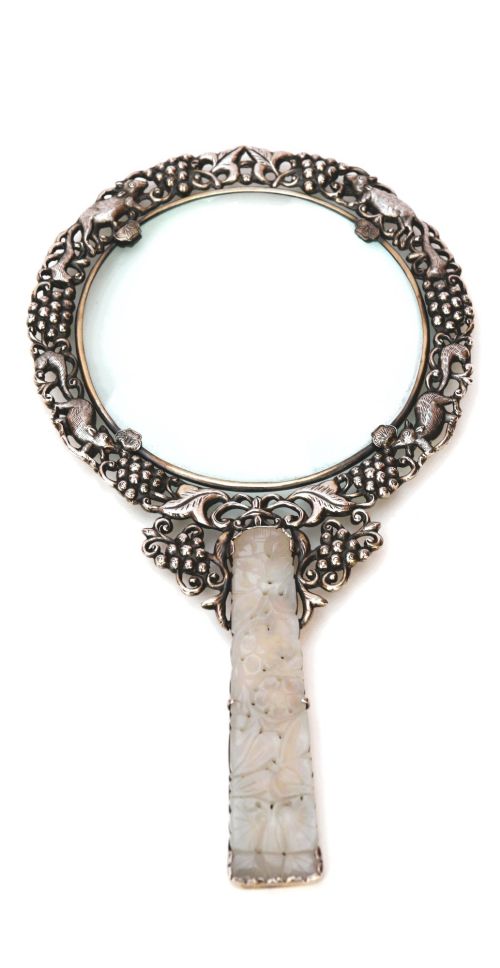
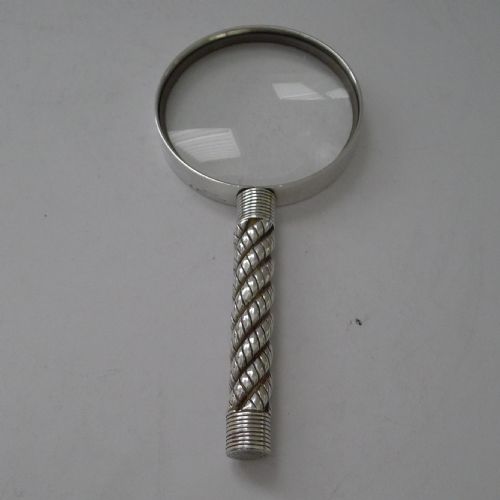
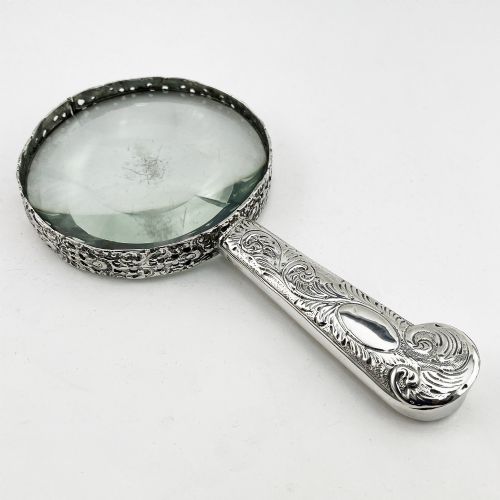
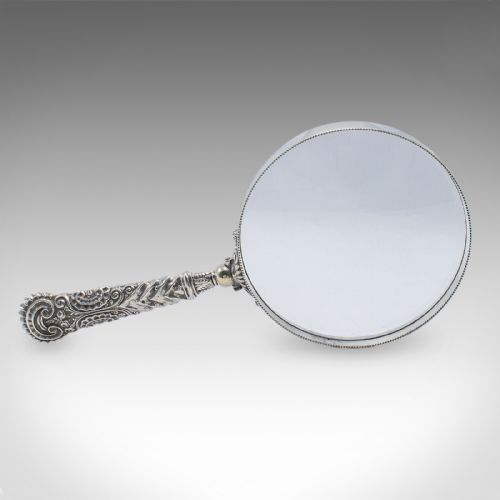
An antique hand lens serves as a practical desktop magnifier or reading aid, originating from periods such as the Victorian era, the Edwardian years, and the mid-twentieth century. Buyers seeking an antique hand lens encounter portable magnifying glasses mounted in silver, brass, or silver plate, alongside functional railway hand lanterns fitted with coloured lenses.
The selection ranges from handheld sterling silver pieces made for the library desk to specialised industrial equipment like railway inspector lamps. These objects combine optical glass with tactile mounts of jade, ebony, or shagreen, reflecting the domestic and professional habits of their respective decades.
How they were made
Maker workshops utilised durable metals like brass, iron, and silver plate to form the protective rims and handles, while sterling silver was frequently chosen for finer library accessories. Handles were shaped from natural materials including ebony, jade, and celluloid, then joined securely to optical glass lenses.
Specialised items like railway lanterns incorporated heavy iron framing around multi-coloured glass lenses designed for signalling use. Silversmiths and desk accessory makers relied on hand-finishing techniques to shape the metal mounts and secure the magnifiers.
Listings for this antique hand lens category span the Victorian era, Edwardian period, and the nineteen-sixties, utilising glass, silver, brass, and jade.
What varies in quality
Quality in these optical pieces rests on the choice of materials used for the handle and mount, distinguishing utilitarian iron or brass items from luxury sterling silver or shagreen examples. The precision of the maker's mark and the clarity of the glass further separate standard desk items from workshop-signed pieces.
The tactile weight of the metal and the integration of natural materials such as jade indicate the original tier of production. Pieces bearing recognised maker signatures or specific period hallmarks demonstrate higher refinement in their assembly.
Hermes Paris·P H Vogel & Co·CW Dixey London
The Antique Hand Lens Glossary
- Sterling silver
- A silver alloy containing 92.5 percent pure silver by mass, frequently utilised for quality Victorian and Edwardian magnifying glass handles. It carries official hallmarks denoting the assay office and year.
- Silver plate
- A base metal coated with a thin layer of silver, providing the appearance of solid silver at a lower production cost. This finish appears commonly on desk accessories from the early twentieth century.
- Shagreen
- Untanned leather prepared from the skin of a shark or ray, presenting a distinct granulated surface texture. It was favoured during the Art Deco period for covering luxury desk items.
- Celluloid
- An early thermoplastic material created from cellulose nitrate and camphor, moulded to imitate natural substances. Victorian manufacturers employed it for lightweight desk accessory handles and cases.
- GWR
- An abbreviation for the Great Western Railway, marking operational equipment such as inspector hand lamps. Such items denote corporate railway provenance from the Edwardian period.
Antique Hand Lens: Frequently Asked Questions
What materials were used for handles?
Makers utilised sterling silver, silver plate, brass, iron, jade, ebony, and celluloid to fashion the handles and frames of these magnifying glasses and lanterns. Natural substances like jade and shagreen indicate more decorative items.
Metal handles often display period hallmarks or maker stamps near the lens mount, while wooden and celluloid grips provide a lighter feel for desk use.
Were these used for reading or work?
These optical instruments served both domestic library purposes and specialised industrial tasks. Reader magnifiers aided desk work and book study, while heavy iron lanterns were built for railway inspection.
Each item reflects the specific professional or domestic requirement of its era, combining utility with portable design.
How should I care for an antique lens?
Maintenance requires gentle cleaning of the optical glass with appropriate solutions and soft cloths to avoid scratching the historical surface. Metal mounts should be cleaned according to their specific composition, avoiding harsh abrasives on silver plate or shagreen.
Keeping the pieces in stable indoor conditions preserves both the natural handle materials and the original metal finishes.