


Victorian Reading Glass
A victorian reading glass brings clarity to small print, combining practical desk utility with the refined weight of silver, brass, and glass.
Victorian Reading Glass
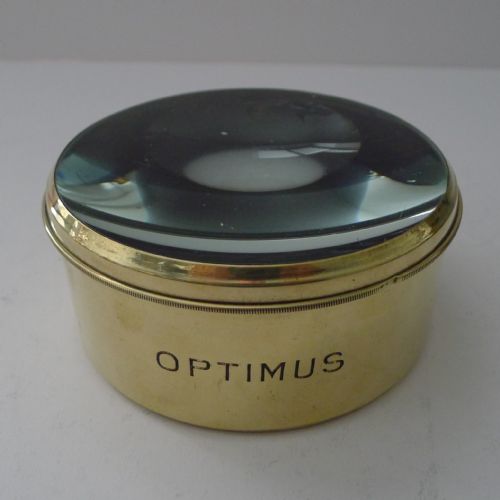
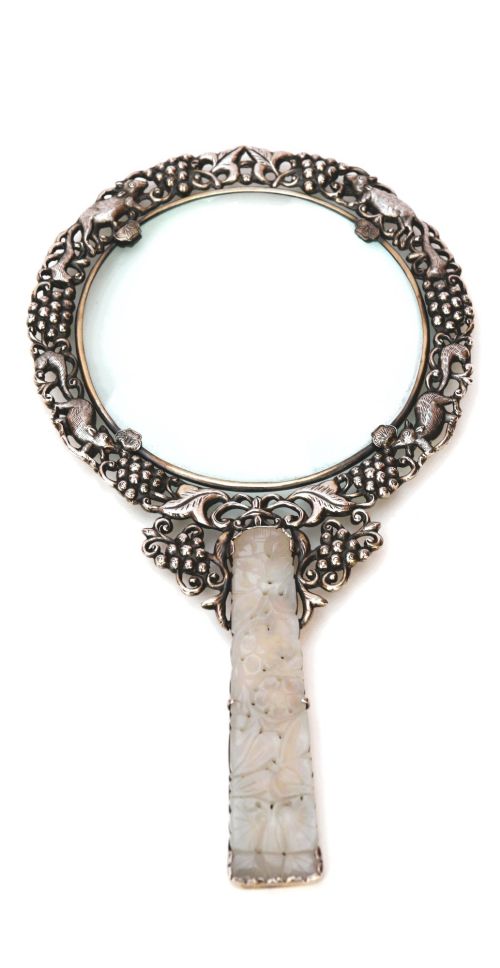
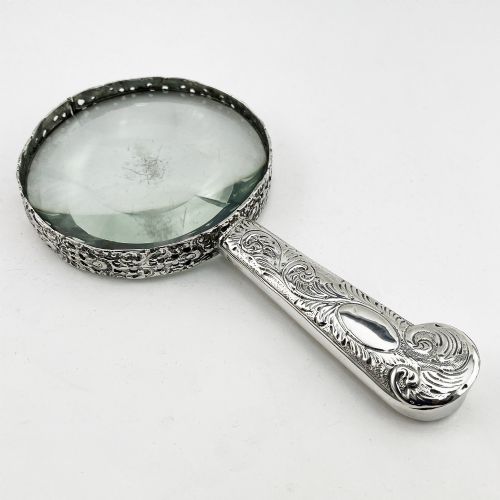
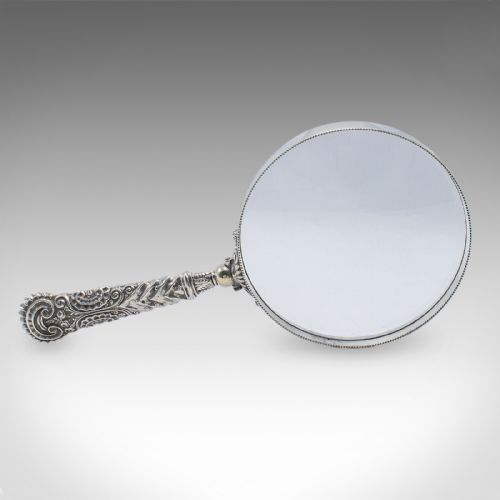
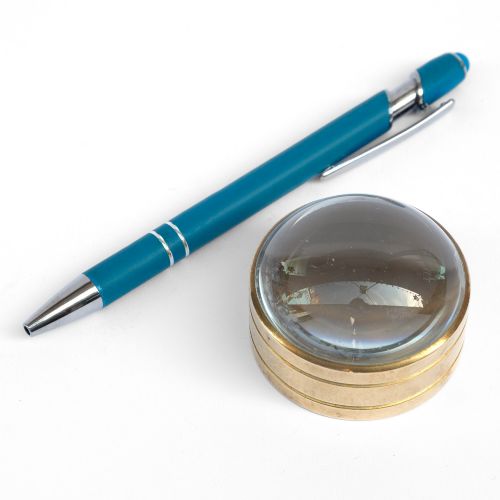
When you search for a victorian reading glass, you encounter optical and desk accessories designed to assist with reading and study. These pieces include handheld magnifying lenses framed in sterling silver, silver plate, or mounted brass, often associated with library aids and writing desks.
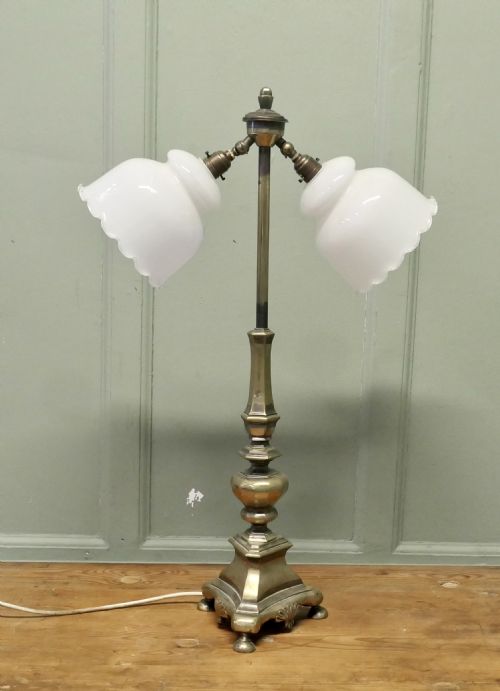
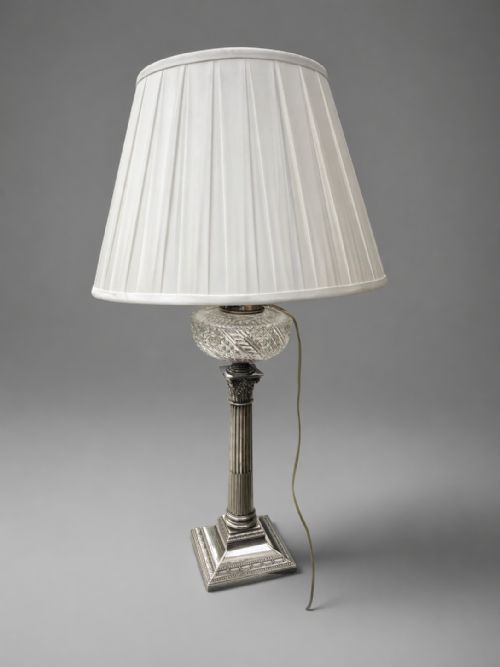
The selections span the nineteenth century, extending into Edwardian examples and later periods. Alongside hand lenses, related lighting and desk items appear, reflecting the broader category of nineteenth-century study equipment.
Materials and construction
Metals form the structural framework for these items, with brass, bronze, and sterling silver providing both weight and rigidity. Handles and mounts utilise these metals to secure optical lenses firmly.
Glass elements vary from clear magnifying lenses to opaline, frosted, and cut glass components found on desk lamps and optical mounts. Metalwork techniques join these disparate materials together to create durable library tools.
Some nineteenth-century readers apparently enjoyed examining correspondence so intensely they required specialised bronze console lamps to read by.
Factors of quality
The grade of materials distinguishes finer examples, particularly where substantial sterling silver mounts or well-finished brass replace simpler silver plate. Heavier metal gauge and precise mounting indicate superior workshop execution.
Optical clarity and the condition of the glass lens determine the functional merit of each piece. Superior items retain unblemished glass surfaces and tight, secure mountings that withstand frequent handling.
JOSEPH HINKS·CW Dixey London·WILD & WESSEL
The Victorian Reading Glass Glossary
- Magnifying Glass
- An optical lens set within a frame, used to enlarge small text. These handheld items served as essential library aids during the nineteenth century.
- Sterling Silver
- A precious metal alloy consisting of silver and other metals, frequently utilised for high-quality Victorian desk accessories and magnifying frames.
- Opaline Glass
- A pale, translucent glass type often appearing in nineteenth-century desk items and lighting components. It diffuses light gently across a workspace.
- Desk Accessory
- An item designed for use at a writing table or library desk, encompassing magnifying glasses, lamps, and related writing equipment.
Victorian Reading Glass: Frequently Asked Questions
What is a victorian reading glass used for?
These optical instruments served primarily to enlarge small text on documents, letters, and books in private libraries and studies. They functioned as essential desk accessories before modern lighting and magnification became widespread.
Collectors today utilise them for reading fine print or display them as period desk ornaments alongside other nineteenth-century library equipment.
How do I care for a brass reading glass?
Maintenance requires gentle dusting with a soft cloth to protect the metal finish and the glass lens. Avoid harsh chemical cleaners that can strip patination from brass or damage silver mountings.
Store the glass in a stable environment away from excessive moisture to preserve the integrity of the handle materials and optical surfaces.
Are these reading glasses made of solid silver?
Materials vary between solid sterling silver, silver plate, brass, and bronze depending on the specific piece. Hallmarks or maker stamps often appear on silver examples to indicate the exact metal standard.
Examining the weight and the mounting construction helps distinguish solid precious metals from plated alternatives within the selection.
How can I date a nineteenth-century reading glass?
Dating relies on stylistic clues, mounting techniques, and any associated maker marks or hallmarks stamped into the metal frame. Pieces from the mid-nineteenth century often display heavier cast mounts and distinct handle shapes compared to later Edwardian variants.
Comparing the materials, such as the transition from heavy brass mounts to lighter silver-plated frames, helps establish the approximate period of manufacture.