

Antique Glass Drops Fitting
An antique glass drops fitting gathers light from every angle, bringing historic French and continental illumination into a room.
Antique Glass Drops Fitting
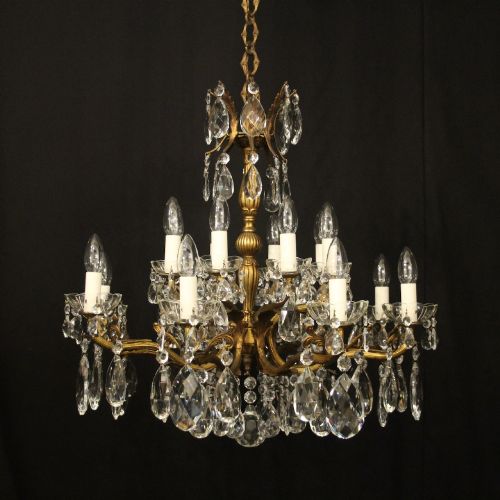
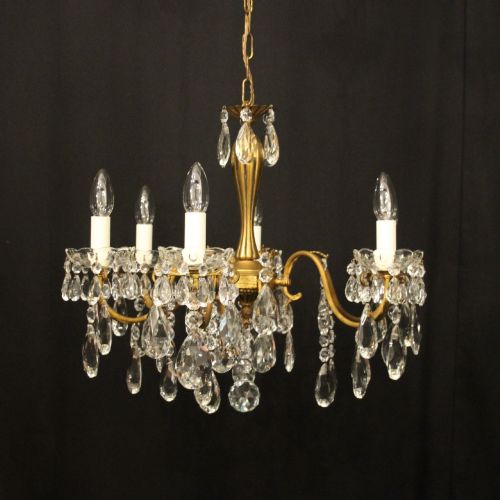
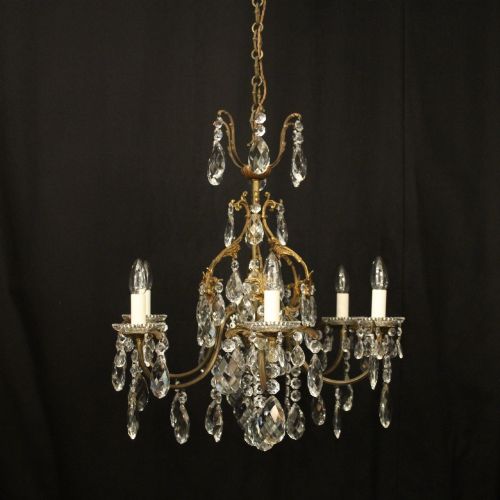
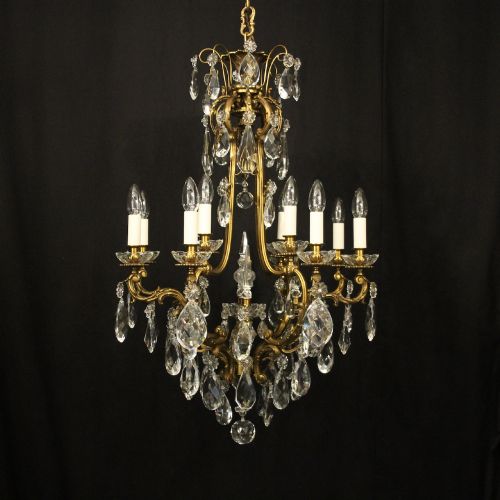
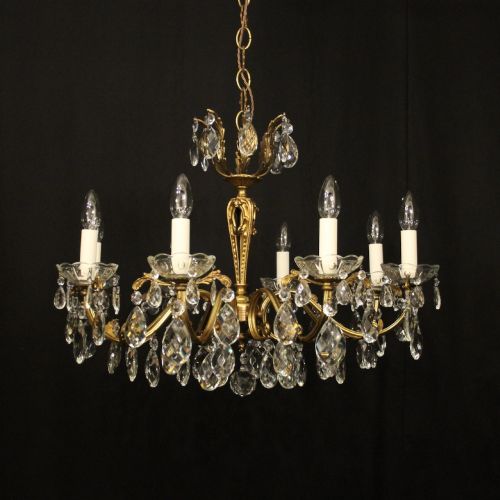
When you search for an antique glass drops fitting, you encounter ceiling lights, chandeliers, pendant lights, and wall lights dressed in faceted pendants. The pieces listed here span the nineteenth century, the Edwardian era, and the early decades of the twentieth century, originating primarily from France along with examples from Italy and Sweden.
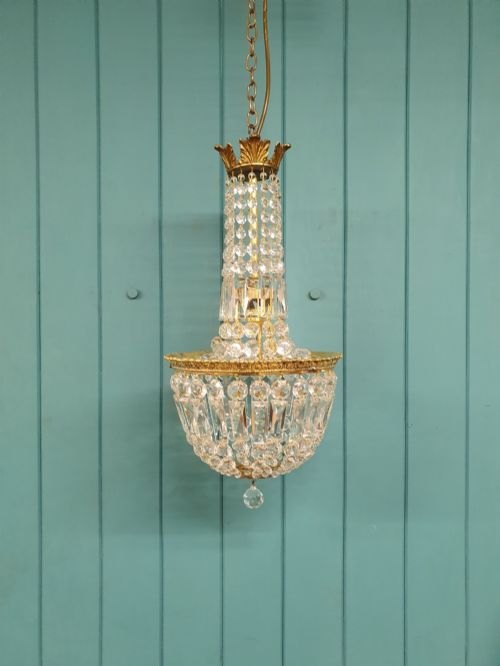
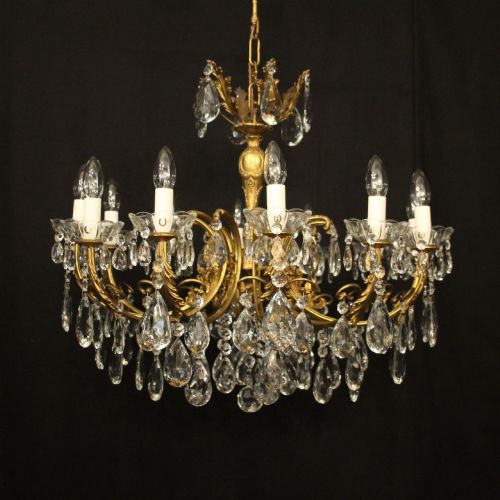
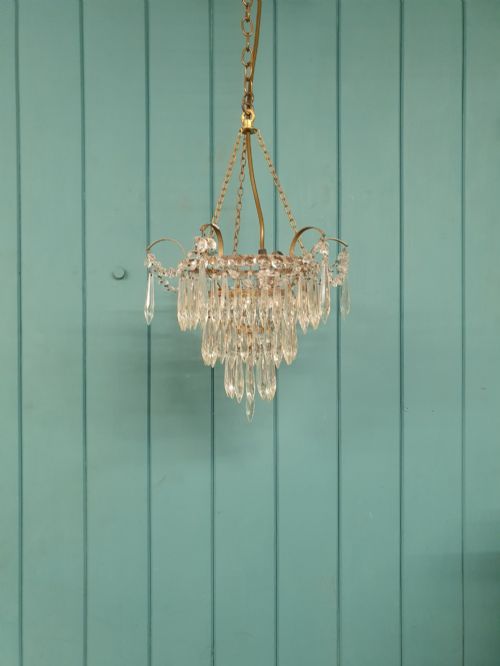
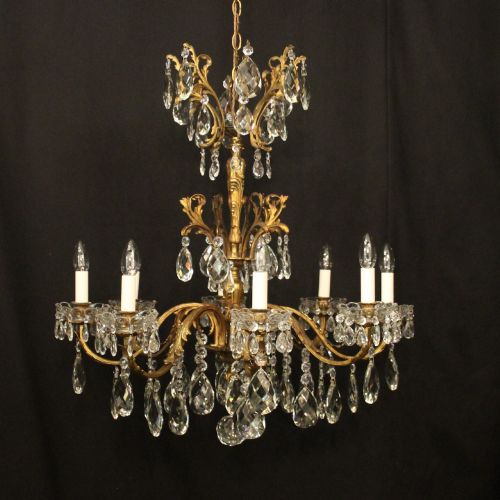
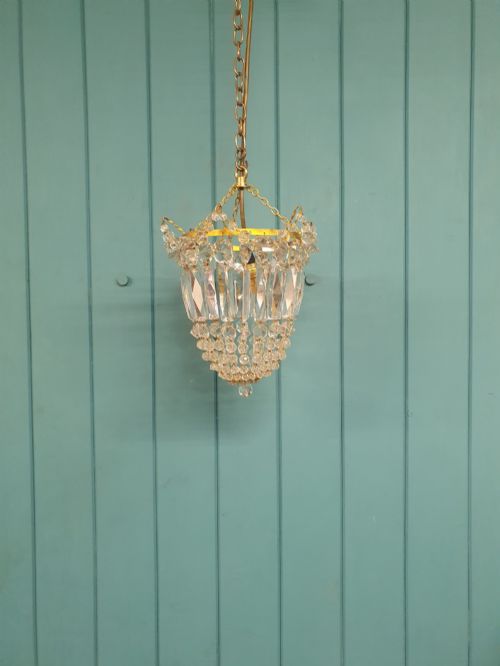
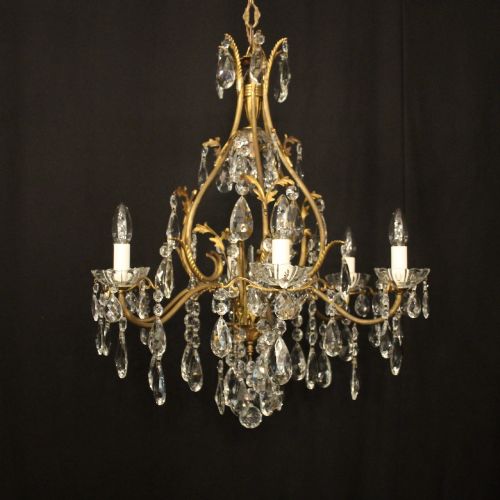
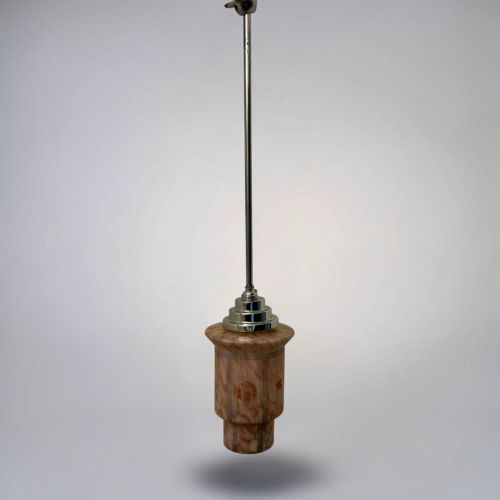
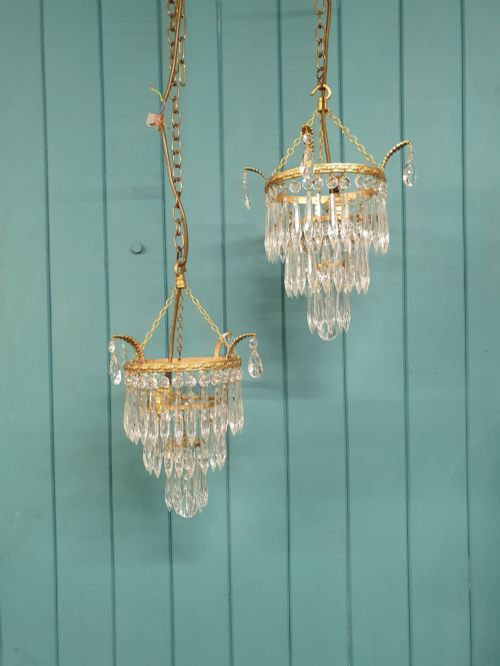
The most common formats on this page are French chandeliers and ceiling lights featuring cut glass or crystal drops, ranging from small spike and bag fittings to large multi-arm empire and tent and waterfall chandeliers. These fixtures bring refracted light and decorative metalwork into domestic spaces through styles that include French Rococo, French Empire, and Art Deco.
Materials and construction methods
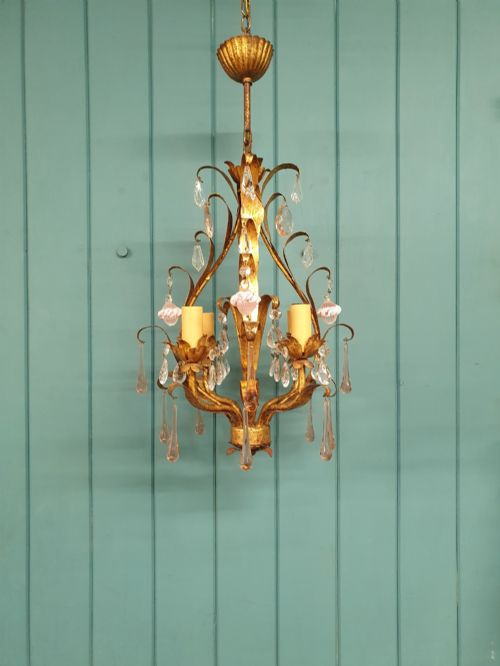
The framework of these fittings is constructed from brass, gilt brass, gilt bronze, and ormolu, providing a stable metallic structure to support the weight of the glass. Metal components are often gilded or silver gilded to enhance the decorative presence of the fixture.
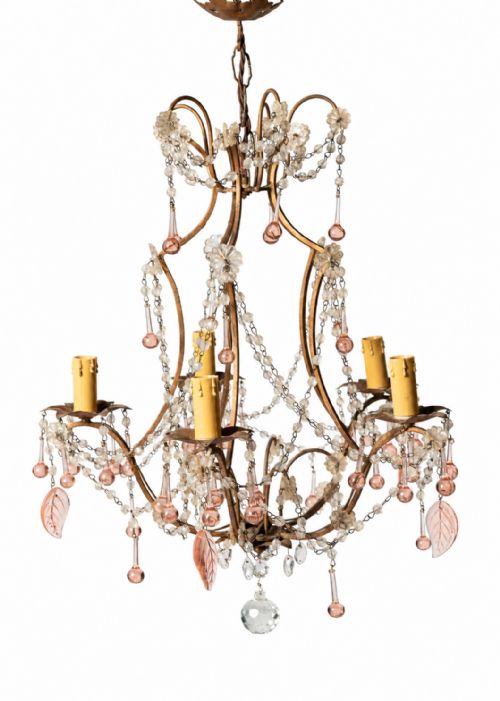
The suspended elements are formed from glass, crystal, and cut glass, shaped into prisms, spikes, beads, and coffin prisms. These glass drops are wired or pinned to the metal armature to create the characteristic cascading waterfall and tent arrangements.
Antique Glass Drops Fitting Retail Price Guide 2026
Typical asking prices for glass drops fitting among the pieces listed under this phrase on Sellingantiques today, from the lower quarter to the upper quarter. They describe what is for sale here now, not the wider market.
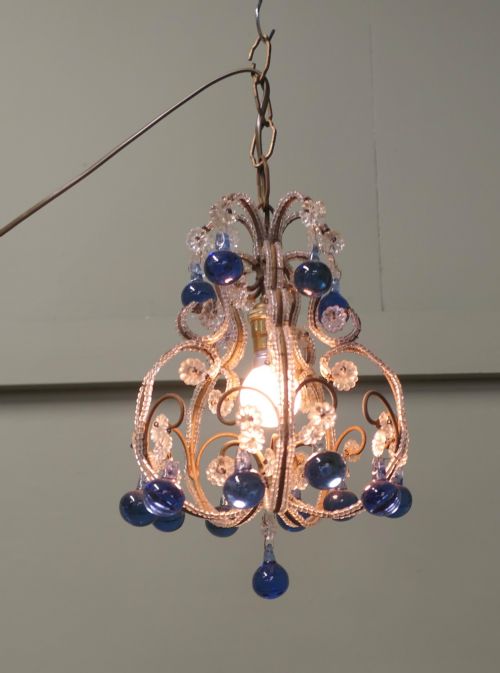
Several chandeliers include pink and turquoise crystals, proving that historical lighting designers enjoyed a dash of unexpected colour.
Distinctions in quality
Quality in these fittings is determined by the crispness of the metal casting, whether in chased bronze or cast brass, and the depth of the gilding applied to the frame. Heavier armatures and detailed chasing indicate a higher standard of manufacture.
The grade of the glass or crystal elements also defines the piece, where sharper facet cutting produces clearer light refraction. Complete sets of matching drops and integrated coloured crystals further distinguish finer examples.
The Antique Glass Drops Fitting Glossary
- Tent and waterfall
- A lighting configuration where glass beads form a draped tent shape over the upper frame, cascading down into lower tiers of drops.
- Ormolu
- Gilded bronze used for decorative metalwork mounts and frames, providing a rich golden surface finish.
- Coffin prisms
- Flat, elongated glass pendants with bevelled edges resembling a coffin shape, used to catch and scatter light.
- Bag chandelier
- A compact lighting fixture enclosed within a tapered bag of glass drops suspended beneath a central ring.
Antique Glass Drops Fitting: Frequently Asked Questions
How do I hang a heavy chandelier safely?
These metal and glass fittings require attachment to a structural ceiling joist using a rated hanging hook and appropriate fixings. Professional installation is standard practice given the combined weight of the bronze, brass, and crystal components.
Electrical wiring must be inspected and updated to meet current standards before connection to the mains supply.
How do I clean an antique glass drops fitting?
Maintenance involves removing dust with a soft brush and wiping individual glass drops with a mild cleaning solution. The drops can often be unpinned for thorough washing and drying.
Harsh chemical cleaners should be avoided to protect the gilded or bronze surfaces of the metal frame.
What rooms suit an empire style chandelier?
Large tent and waterfall chandeliers suit reception rooms and high-ceilinged spaces where their vertical scale and reflective drops can project light effectively. Smaller spike or bag fittings are suited to hallways or bedrooms.
The presence of gilt bronze and cut glass works alongside both traditional period interiors and more eclectic contemporary room schemes.
How do I identify an Edwardian glass fitting?
Edwardian fittings often appear in smaller scale formats, such as spike chandeliers, bag chandeliers, and prism fittings measuring under twelve inches. These fixtures combine early twentieth-century brass or gilt hardware with cut glass crystal elements.
Design motifs from this period reflect a continuation of classical forms alongside lighter domestic lighting requirements.