
French Chateau Ceiling Pendant
A french chateau ceiling pendant brings grand proportions and luminous metalwork to high-ceilinged rooms.
French Chateau Ceiling Pendant
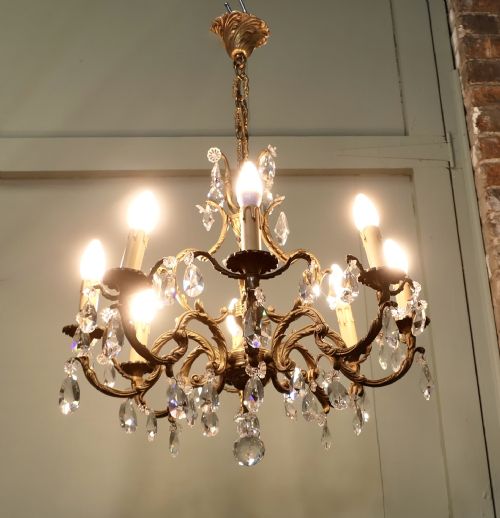
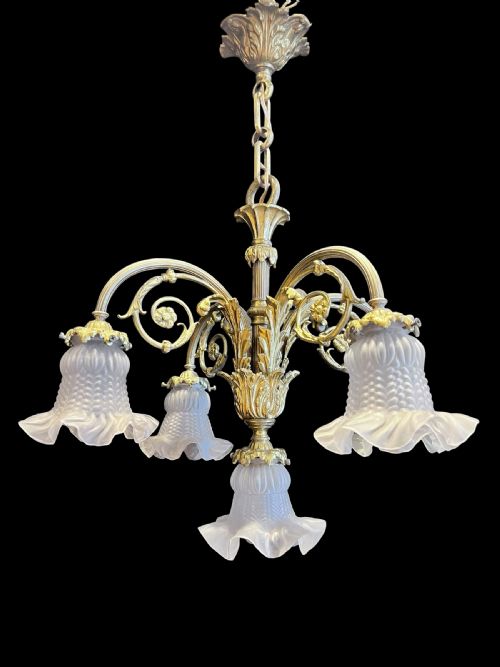
A french chateau ceiling pendant encompasses large chandeliers, hall lanterns, and multi-light fixtures designed to anchor expansive rooms. These fixtures date predominantly from the nineteenth century through the early decades of the twentieth century, aligning with French and Italian regional revivals.
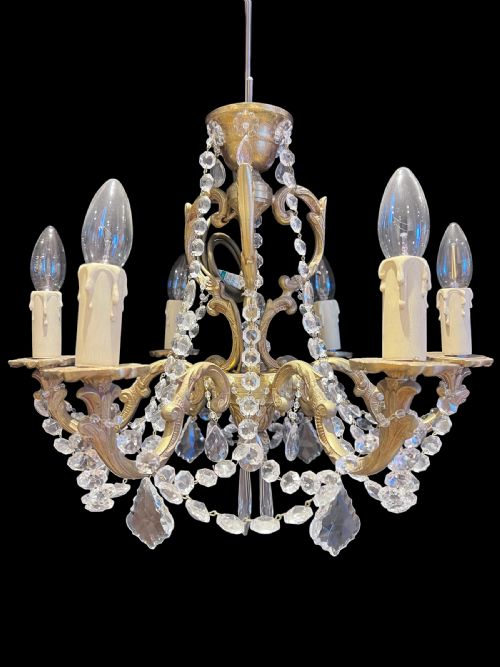
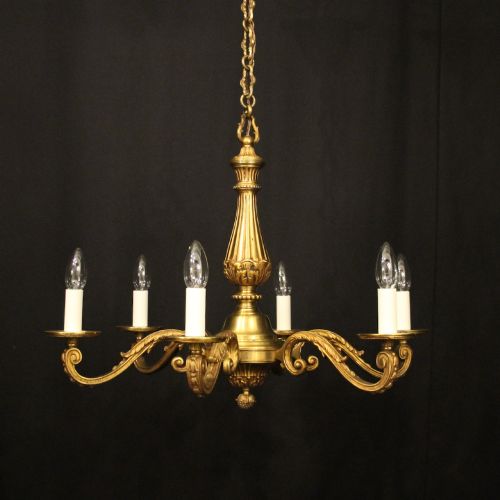
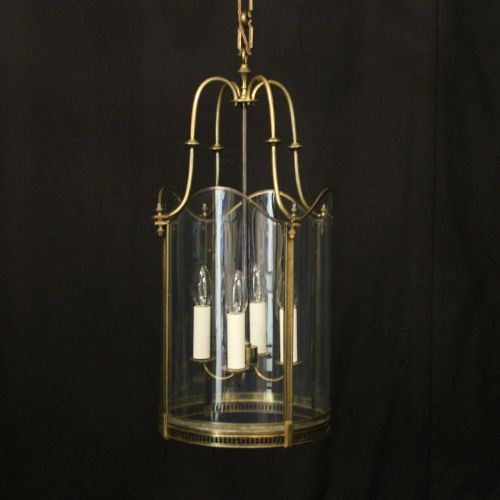
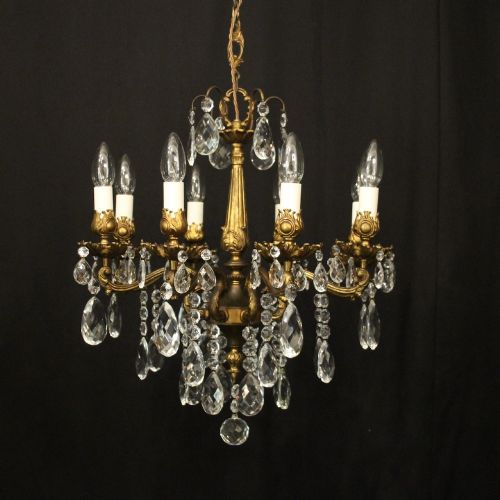
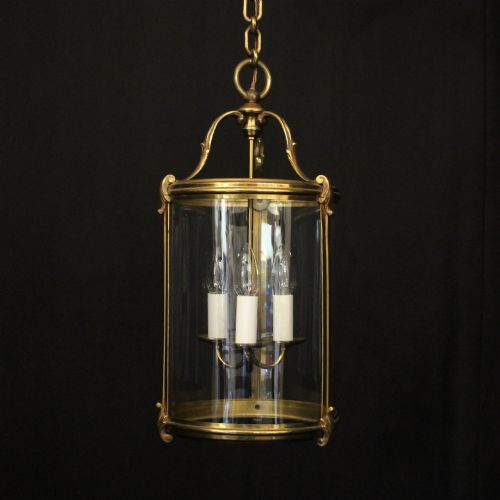
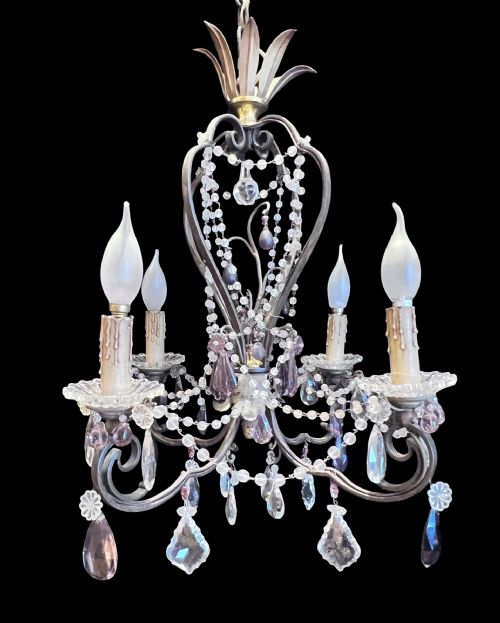
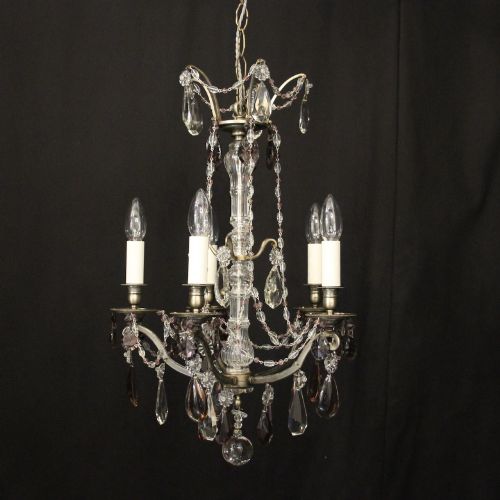
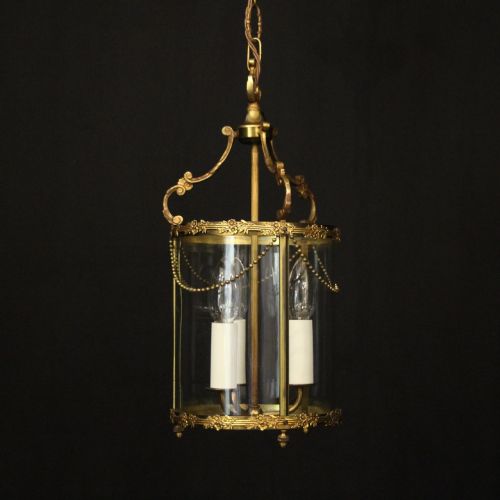
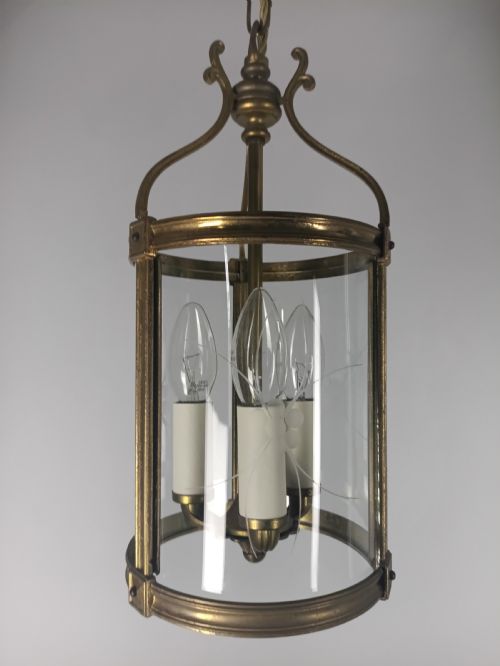
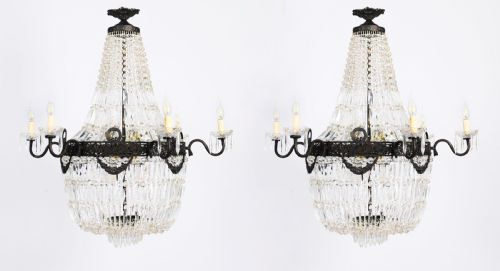
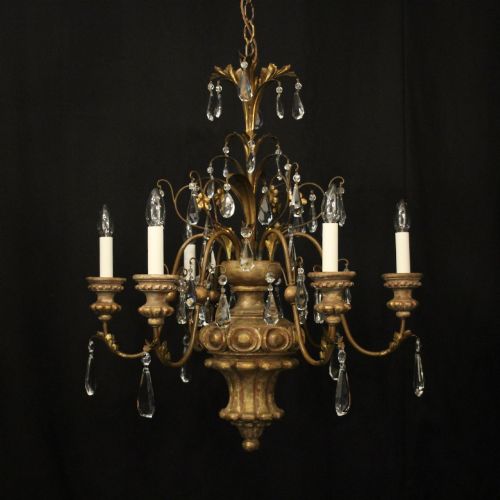
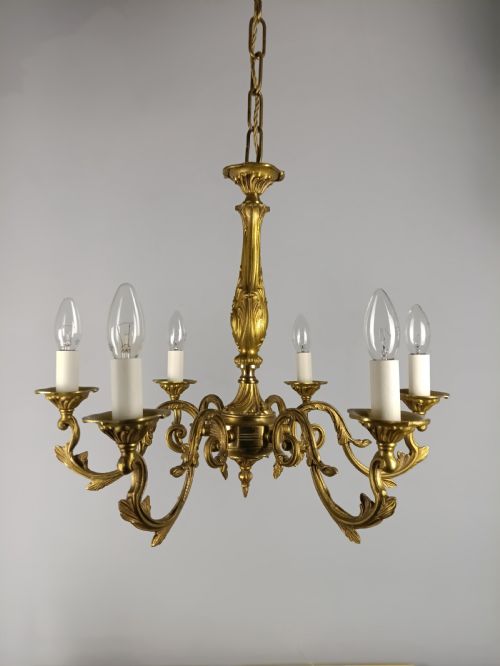
Buyers will encounter multi-armed chandeliers hung with crystal lustres alongside convex hall lanterns enclosed in brass or bronze frames. Styles range from restrained neoclassical lines to ornate rococo curves and leafy Florentine details.
The materials span gilded bronze, brass, and cut crystal, often paired with polychrome toleware or porcelain floral accents. Such pieces serve as primary illumination sources that dominate the vertical space of a room.
Materials and construction methods
Foundries cast bronze and brass into structural frames and decorative armatures, frequently applying a layer of gold gilt or silver gilt to enhance the metalwork. Skilled metalworkers assembled these sections mechanically or via brazing to support the weight of multiple candle or electric light points.
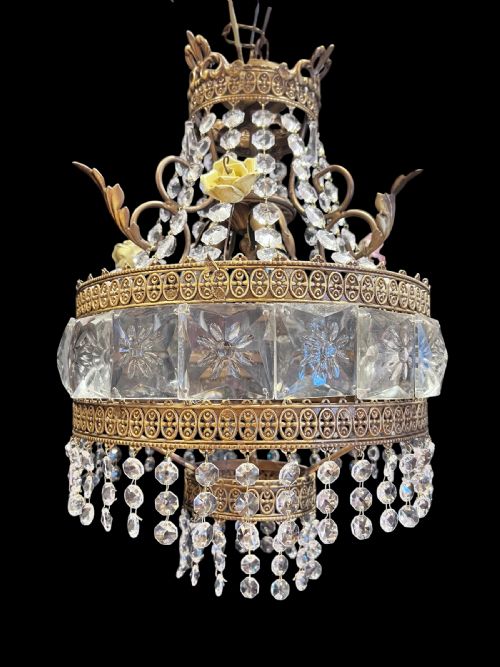
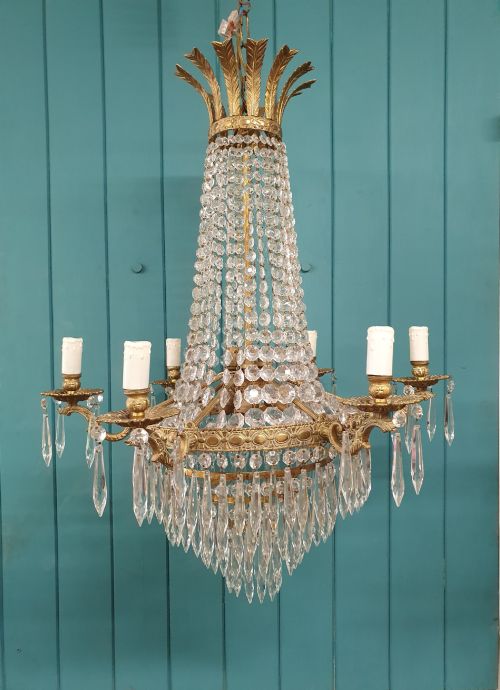
Glassmakers blew and etched panels for hall lanterns, while specialised cutters shaped crystal lustres and drops to refract light from the bulbs or candles. Wirework and pinned brass bands secure these crystal elements to the upper crown and lower bowls of tent chandeliers.
Several pieces incorporate whimsical turquoise crystals and delicate porcelain flowers, proving that historical lighting also possessed a playful side.
Distinctions in craftsmanship and design
The depth and crispness of the chasing on bronze and brass castings separate standard production from finer creations, as skilled hands define every leaf, scroll, and mask. Heavier gauges of metal provide structural integrity that prevents sagging across multi-light and ballroom-scale frames.
The clarity, cut, and completeness of the crystal lustres dictate the brilliance of the illumination, with hand-cut glass displaying sharper facets than pressed alternatives. Original gilding intact across intricate frames holds greater integrity than later repainting.
The French Chateau Ceiling Pendant Glossary
- Chandelier
- A branched suspended lighting fixture designed to hold multiple lamps or candles. These fixtures form the architectural centrepiece of formal rooms.
- Lustre
- A cut-glass pendant or drop hung from a chandelier to refract light. They catch and scatter illumination across the surrounding walls.
- Toleware
- Painted sheet metal fashioned into decorative motifs or body components. It brings colour and regional folk character to lighting designs.
- Tent chandelier
- A lighting form featuring an upper conical crown of glass beads or crystals tapering down to the main tier of arms. This configuration creates a draped silhouette of sparkling glass.
- Ormolu
- Gilded bronze applied to decorative objects and furniture mounts. The technique produces a rich golden surfacefinish on cast metalwork.
French Chateau Ceiling Pendant: Frequently Asked Questions
How do I choose the right size?
Consider the room dimensions and ceiling height carefully before selecting a fixture. Larger multi-arm chandeliers require substantial vertical clearance to hang properly without dominating the circulation space.
Measure the floor area to ensure the diameter of the pendant remains in proportion to the furniture below. Hall lanterns suit narrower transitional spaces where drop length matters more than overall width.
Are these converted for modern electricity?
Most antique fixtures of this type undergo rewiring to meet contemporary electrical standards for domestic use. Internal channels typically accommodate modern wiring without altering the exterior appearance of the bronze or brass arms.
Check the lamp holder type and maximum wattage recommendations with a qualified electrician prior to installation. Candle-style sleeves are standard on many multi-light examples.
How do I clean crystal lustres?
Remove detachable crystal drops carefully and wash them in warm soapy water using a soft cloth. Rinse thoroughly and dry with a lint-free towel to restore maximum brilliance.
Leave fixed elements in place on the frame and wipe them down gently with a specialised glass cleaning solution. Avoid harsh abrasives that might damage the underlying metal gilding.
What distinguishes Louis revival styles?
Louis revival pieces draw inspiration from seventeenth and eighteenth-century French court aesthetics, emphasising symmetry, botanical scrolls, and classical urn motifs. These designs project formal elegance through cast bronze and detailed ornamentation.
They contrast with simpler neoclassical or provincial forms by utilising richer surface gilding and more complex arm configurations. Look for disciplined proportions and refined casting work.