





Candle Sleeve Brass Light
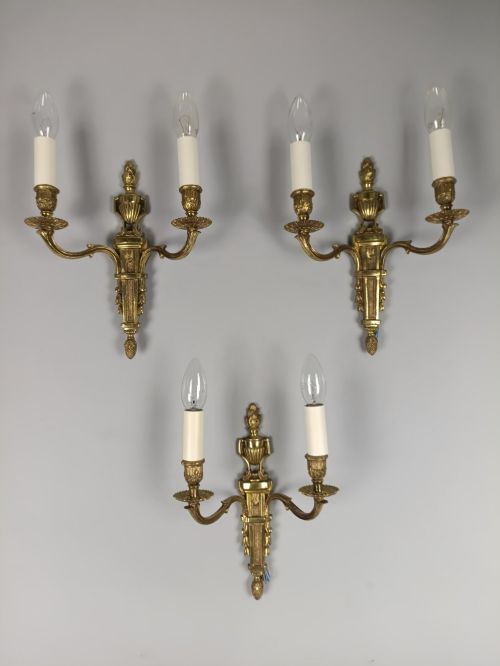
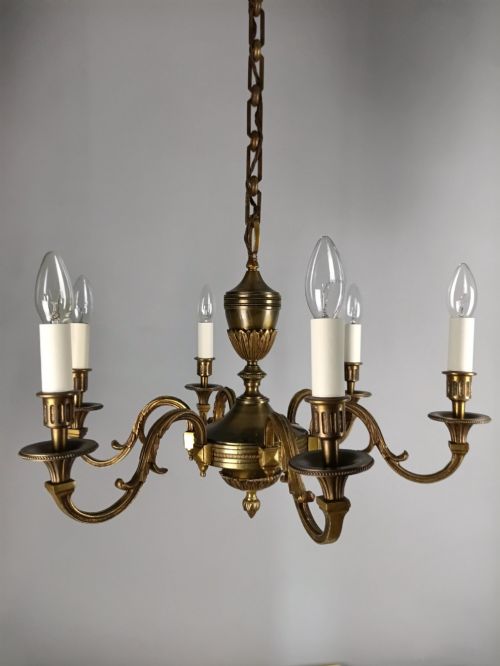
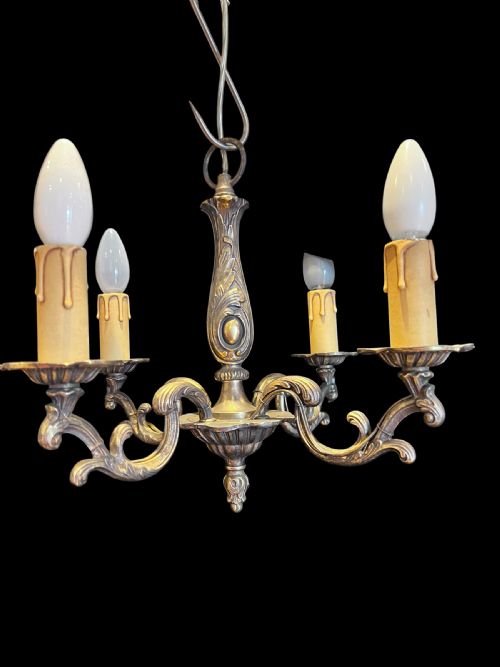
These candle sleeve brass light fixtures are wired fittings designed to mimic historic tapers, bringing period French and Dutch illumination directly into your rooms.
Candle Sleeve Brass Light
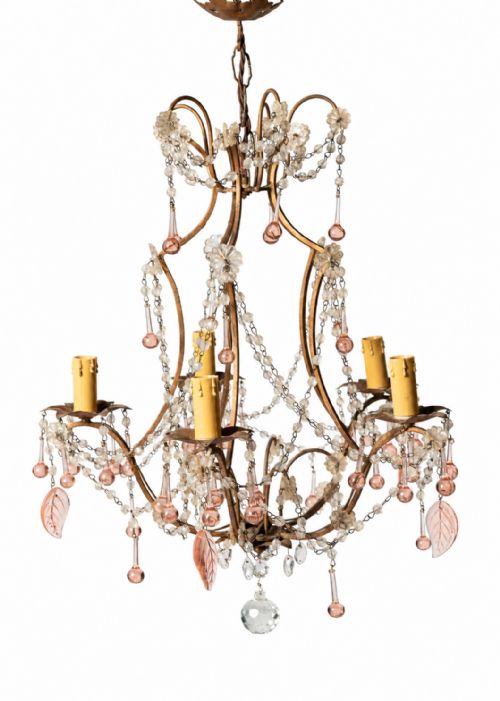
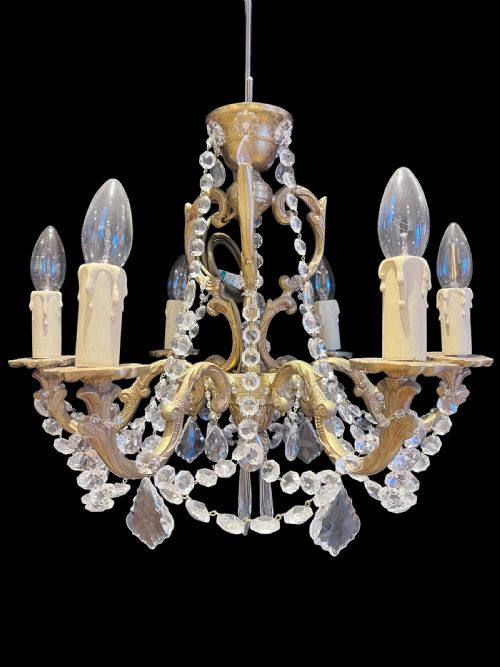
Most pieces date from the Edwardian era and the 1920s, constructed with solid brass frames or gilt metal mounts. These fittings typically support between two and eight lights, often integrating glass or crystal drops to catch the illumination from the faux candle sleeves.
Materials and construction methods
The primary structural elements rely on cast and wrought brass, occasionally finished with gilt bronze or applied gilding. Alongside the metalwork, makers incorporated clear crystal glass and wrought iron to build rigid multi-tiered frames and support arms.
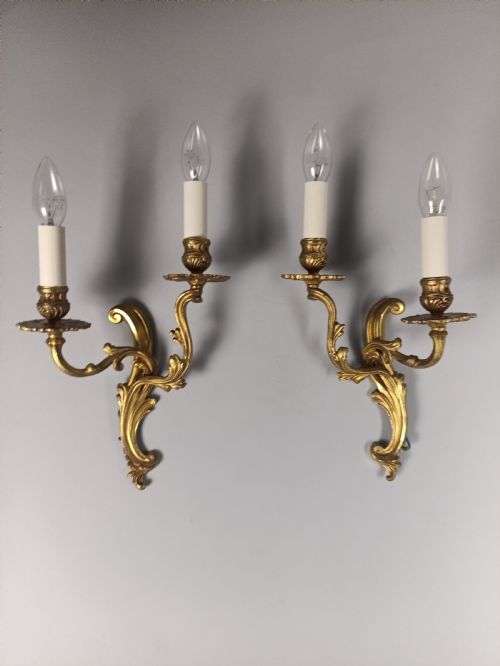
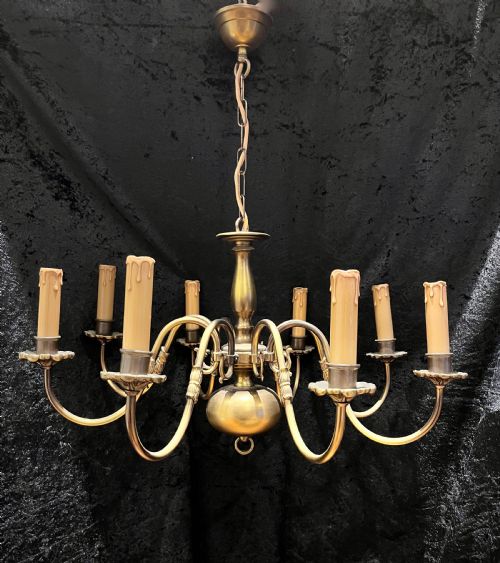
Workshops shaped these metals into detailed French Rococo Revival, Neoclassical, and Dutch Baroque styles, decorating the frames with cast foliage and structured drip pans beneath the simulated candle sleeves.
Candle Sleeve Brass Light Retail Price Guide 2026
Typical asking prices for candle sleeve brass light among the pieces listed under this phrase on Sellingantiques today, from the lower quarter to the upper quarter. They describe what is for sale here now, not the wider market.
Dating spans from the nineteenth century through the Edwardian era, the 1920s, and the 1930s.
Assessing quality and craftsmanship
Superior examples display crisp casting detail in the brass and gilt bronze work, where decorative motifs remain sharp and well-defined rather than soft or blurred. The integration of high-grade cut crystal and balanced arm symmetry distinguishes finer chandeliers from simpler production pieces.
Heavier gauge metalwork and substantial multi-tier construction indicate superior output, whereas lighter frames rely on simpler stamped components and basic surface plating.
The Candle Sleeve Brass Light Glossary
- Candle sleeve
- A cylindrical cover, often made of card, plastic, or painted metal, placed over a lamp holder to imitate a real wax taper. It sits inside the drip pan on the arm of the light.
- Drip pan
- A small saucer-like metal component positioned directly beneath the candle sleeve to catch melted wax from historical tapers. On electrical reproductions, it serves a purely decorative function.
- Sconce
- A wall-mounted lighting fixture designed to hold multiple electric lamps or candles. These fixtures typically project outward to illuminate hallways and living spaces.
- Chandelier
- A large, branching decorative ceiling fixture suspended to hold multiple lights. Historical iterations relied on glass drops and metal arms to distribute illumination across a room.
Candle Sleeve Brass Light: Frequently Asked Questions
How do I install an antique brass light?
These fixtures require professional electrical installation to ensure the internal wiring safely meets current standards. An experienced electrician can mount the central hanging hook or wall bracket securely to ceiling joists or wall studs.
Because many of these pieces possess substantial weight, particularly those incorporating crystal drops or cast bronze frames, proper structural support is essential before making any electrical connections.
Can I clean brass candle sleeves?
You can clean brass components with a soft, dry cloth to remove accumulated dust without disturbing the aged patina. Avoid harsh chemical polishes that strip away historical character and leave the metal unnaturally bright.
Candle sleeves made of card or painted material require very gentle dusting with a soft brush to prevent staining or tearing the aged surface finish.
What periods do these lights cover?
The available lighting fixtures primarily date from the late nineteenth century through the Edwardian period and the 1930s. Styles span from French Rococo Revival and Neoclassical designs to Dutch Baroque Revival interpretations.
Each period brings distinct casting details, ranging from ornate gilded Florentine frames to simpler wrought iron and brass combinations.
Are crystal drops original to the pieces?
Many Edwardian and 1920s chandeliers incorporate cut glass and crystal drops designed to complement the brass frames. Inspecting the attachment loops and glass clarity helps determine whether the pendants match the age of the main structure.
Replacements remain common in vintage lighting, as glass elements frequently sustained damage or loss over decades of use in domestic settings.