
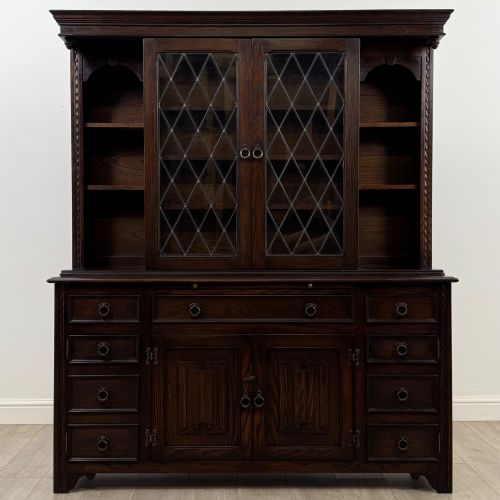
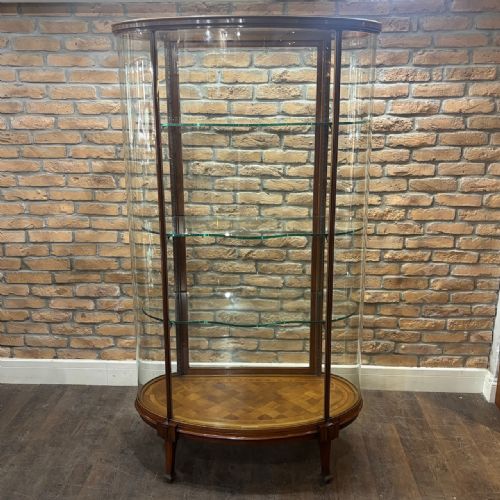
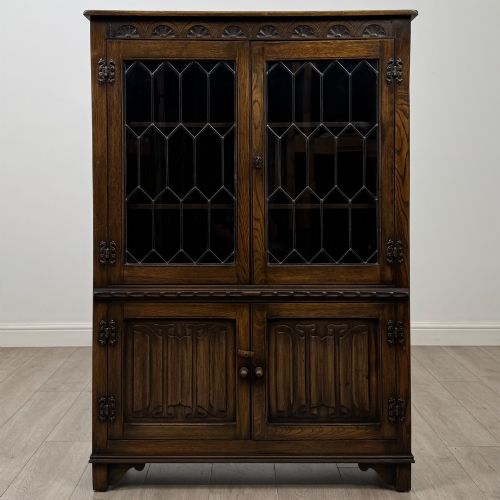
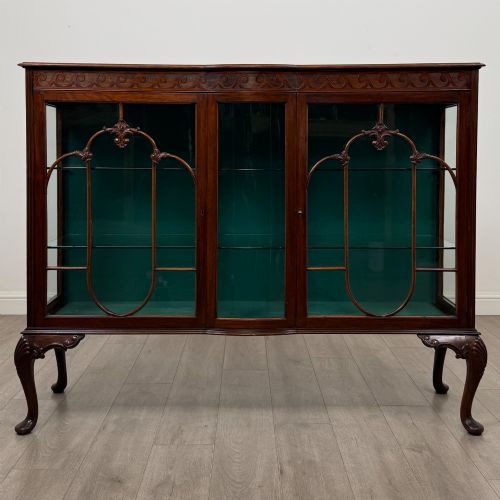
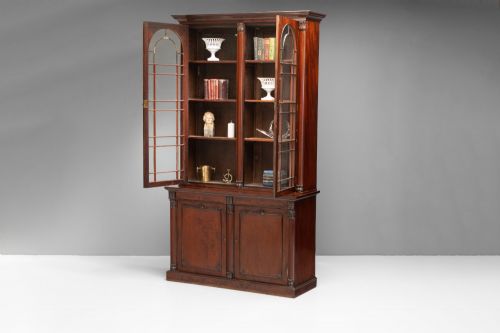


Antique Glass Display Unit
An antique glass display unit brings light and order to a room, framing collections behind timber and lead frames.
Antique Glass Display Unit
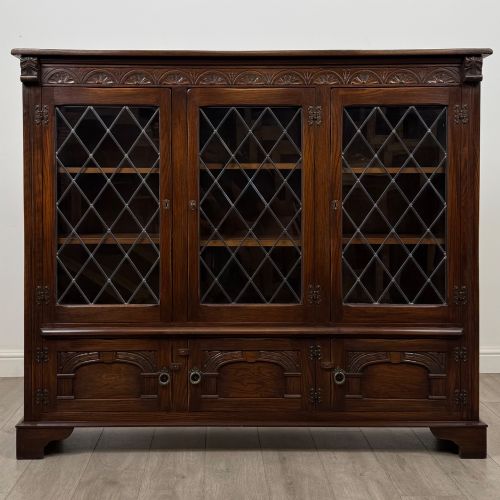
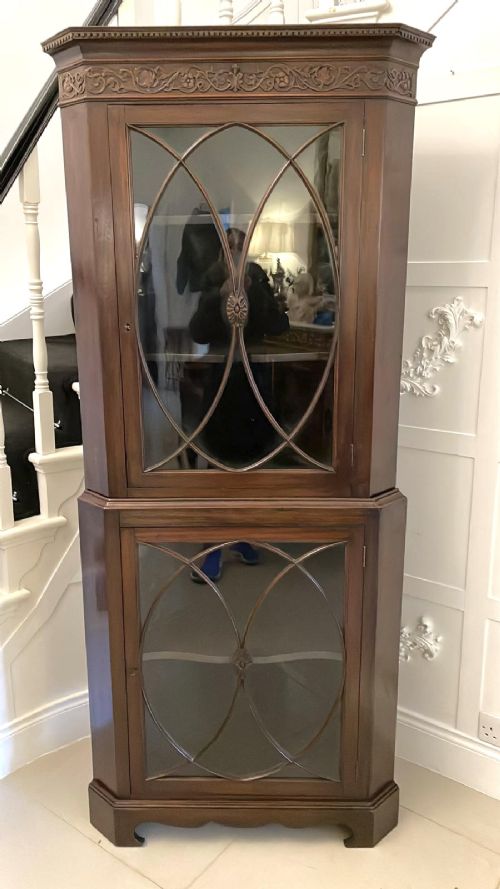
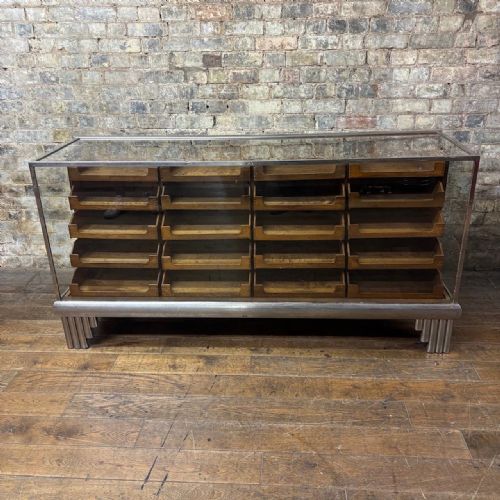
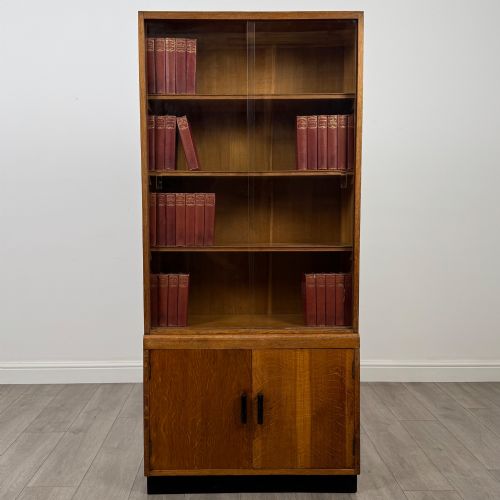
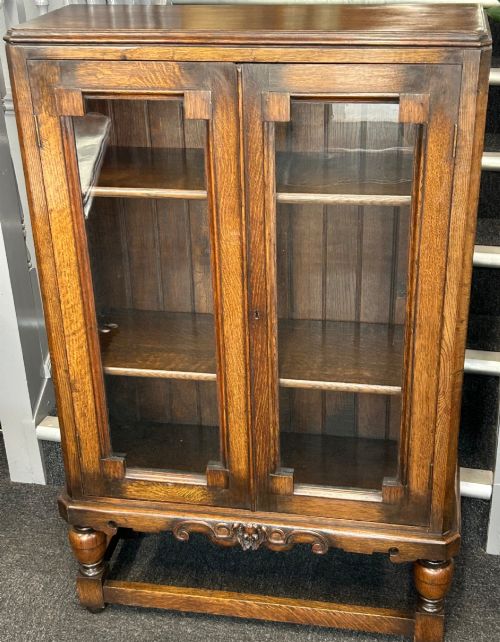
An antique glass display unit encompasses wall-hung corner cupboards, freestanding mahogany vitrines, and oak haberdashery counters designed to exhibit wares and domestic treasures. Buyers searching for an antique glass display unit frequently encounter Edwardian and Victorian pieces alongside 1930s shop fittings.
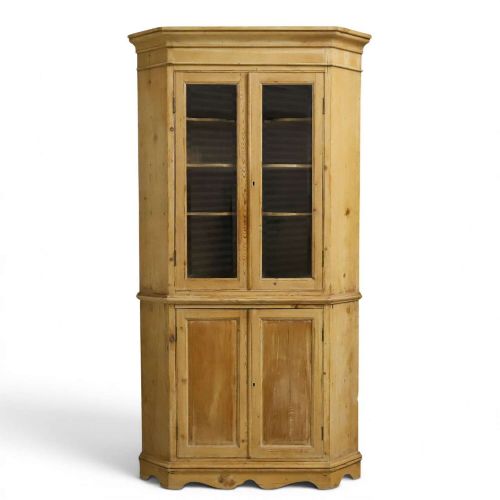
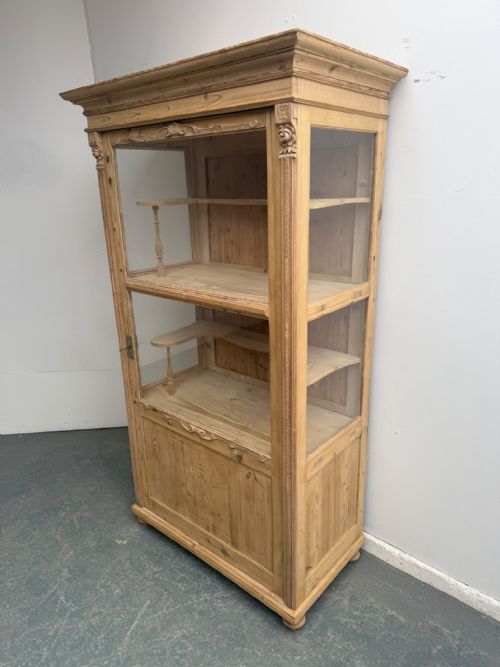
The architectural variety spans simple pine corner cabinets, serpentine-fronted corner cupboards, and multi-tiered etagere units. Cabinetmakers built these pieces in mahogany, oak, and walnut, often applying satinwood inlay, brass mounts, or leaded glass.
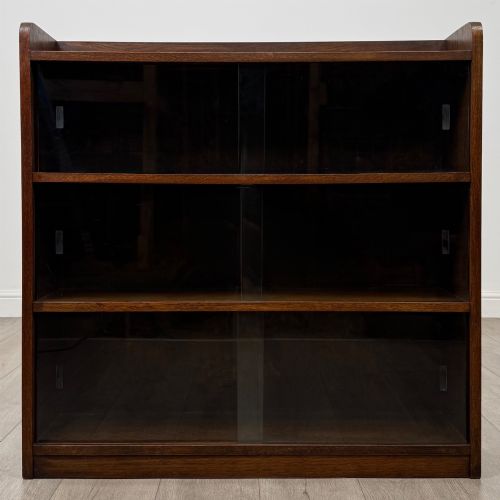
Domestic variants lean towards glazed bookcases and corner cabinets, whereas commercial examples take the form of haberdashery counters and brass-framed display stands. These forms reflect a long tradition of housing books, ceramics, and retail goods behind protective panes.
Materials and Technique
Makers constructed these cabinets using dense timbers such as mahogany, oak, walnut, and pine, frequently pairing them with transparent glass panes and brass hardware. Cabinetmakers utilised linenfold carving, marquetry inlay, and satinwood banding to embellish structural surfaces.
Glazing techniques range from simple single-pane doors to astragal-barred frames and leaded lights that secure individual glass segments. Commercial counters incorporated chrome or brass framing to support heavy glass tops and sliding doors for retail access.
Medical cabinets appear alongside refined drawing room vitrines, offering an unexpected industrial option for displaying glassware.
Distinctions in Standard
The upper tier of cabinetmaking displays precise timber selection, such as burr walnut veneers or finely figured mahogany matched across doors and panels. Superior workshops integrated subtle details like serpentine fronts, hand-cut marquetry, and well-balanced brass or iron mountings.
Simpler pieces rely on plain pine or standard oak construction with minimal decoration, serving a utilitarian rather than a formal decorative purpose. The integrity of the original glass, the tightness of the joinery, and the crispness of any carved ornament set the finer examples apart.
F. Sage & Co·Dudley & Co·Epstein·Saml. Elliott & Sons·Lambs of Manchester·Liberty & Co.·Edwards And Roberts
The Antique Glass Display Unit Glossary
- Astragal
- Moulding framing the individual panes of glass in a glazed door. These narrow wooden strips divide the window into smaller geometric sections.
- Vitrine
- A glass-fronted cabinet or display case designed specifically for porcelain and small curiosities. The term often describes more ornate French or Edwardian standing pieces.
- Haberdashery cabinet
- A shop display unit featuring multiple shallow drawers with glass fronts, originally used for textiles and haberdashery goods. They translate well into domestic interiors for organising small collections.
- Marquetry
- Decorative veneer work created by fitting together thin slices of various woods to form pictorial or geometric patterns. It appears frequently on high-status Victorian and Edwardian furniture.
- Etagere
- An open shelving unit designed for displaying ornaments, consisting of several tiers supported by slender columns.
Antique Glass Display Unit: Frequently Asked Questions
Where should I place a corner cabinet?
A corner cabinet fits neatly into unused angles of a dining room or drawing room, turning dead space into a focal point for ceramics and glassware.
Position the unit away from direct sunlight to protect antique timbers and any delicate interior fabrics from fading.
How do I clean antique glass?
Wipe the glass gently with a soft, lint-free cloth and a mild, non-ammonia cleaning solution applied to the cloth rather than sprayed directly onto the cabinet.
Keep moisture away from wooden frames and lead cames to prevent water staining or corrosion over time.
Can I use a shop counter at home?
Commercial counters and haberdashery units work exceptionally well in modern kitchens or living spaces as islands and sideboards.
Their glass tops and sliding drawers provide practical surface space while keeping stored items visible and secure.
How do I date an Edwardian display cabinet?
Examine the timber, internal fittings, and style markers such as Sheraton Revival inlay or lighter mahogany tones typical of the early twentieth century.
Construction methods on Edwardian pieces often show machine-sawn backing boards combined with traditional hand-finishing on the visible surfaces.