
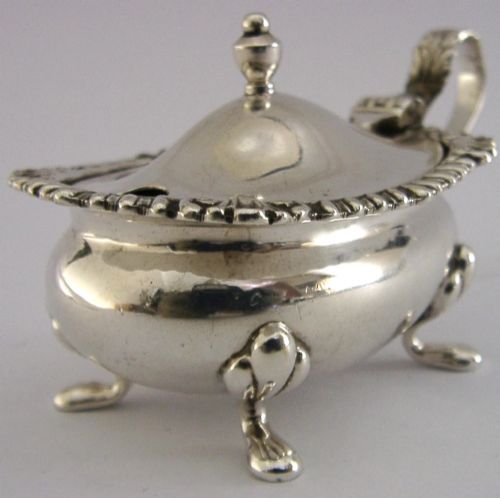


Antique Glass Condiment Jar
An antique glass condiment jar brings sparkle and function to the table, combining clear or coloured glass with precious mountings.
Antique Glass Condiment Jar
An antique glass condiment jar covers tableware used for holding preserves, mustard, honey, and pepper at the dining table. These items take many forms, including preserve pots, jam dishes, mustard pots, cruet sets, and pepper pots.
The pieces on this page span several eras, reaching from the eighteenth century through the Victorian and Edwardian periods to the twentieth century. Buyers will frequently encounter Edwardian and Victorian examples alongside twentieth-century designs.
Makers produced these containers in various styles such as Georgian, Regency, Art Deco, and Mid-Century Modern. Many combine glass bodies with sterling silver or silver plate mounts.
How they were made
Craftsmen utilised cut glass, lead crystal, flint glass, cranberry glass, and vaseline glass for the body of the jars. These glass types provide weight, clarity, and distinctive hues ranging from deep ruby red to vibrant cranberry.
Workshops fitted the glass vessels with sterling silver or silver plate mounts, often pairing them with coloured glass liners like blue glass. Some creations also incorporate matching spoons and fitted stands.
Design periods stretch from the 18th century through the Georgian, Victorian, Edwardian, Art Deco, and Mid-Century Modern eras.
What varies in quality
The weight and depth of the glass cutting separate standard items from finer pieces, alongside the clarity of lead crystal or flint glass. Richness of colour in cranberry and ruby glass liners also changes the visual impact.
Quality shows in the substance of the silver mounts and the precision of the maker's marks. Pieces featuring fitted stands, original spoons, or works by known makers display superior craftsmanship.
Hukin and Heath·Asprey and Co·Walker and Hall
The Antique Glass Condiment Jar Glossary
- Cut Glass
- Glass decorated by cutting facets or patterns into the surface using a wheel. This technique creates sharp edges and brilliant light refraction.
- Lead Crystal
- Glass containing lead oxide to increase weight, brilliance, and clarity. It rings when struck and allows deep, crisp cutting.
- Flint Glass
- A clear, heavy glass historically used for tableware and decorative objects. It provides high transparency before the widespread adoption of lead crystal.
- Cranberry Glass
- A pinkish-red glass coloured with gold chloride during production. It appears frequently in nineteenth-century preserve dishes and liners.
- Cruet Set
- A matched set of condiment containers held in a frame or stand. They traditionally hold items like mustard, pepper, oil, and vinegar.
Antique Glass Condiment Jar: Frequently Asked Questions
What is an antique glass condiment jar used for?
These vessels served meals by holding preserves, jam, mustard, honey, or pepper at the table. They kept condiments tidy and accessible during formal dining.
Today, they function as decorative tableware or small storage jars for domestic use. Their glass bodies and silver mounts add traditional charm to a modern dining setting.
How do I clean silver mounts on glass?
Silver mounts require gentle cleaning with a soft cloth and specialised silver polish to avoid damaging the adjacent glass. Keep polish away from any cement or seals joining the metal to the glass.
Wash the glass body separately in warm, soapy water. Avoid harsh abrasives that scratch old crystal or cut glass.
How do I identify a Georgian condiment jar?
Georgian jars often display heavy hand-cut glass and traditional silver hallmarks corresponding to the eighteenth or early nineteenth century. Stylistic cues include Georgian Revival elements and simpler geometric or fluted patterns.
Examine the base for pontil marks, which indicate hand-blown production methods typical of older glassware. Hallmarks on the silver mounts provide the most reliable dating evidence.
Are replacement spoons available for condiment jars?
Finding an exact period replacement spoon requires patience because matching the specific maker, pattern, and size is difficult. Many collectors accept a well-matched silver or plated spoon from the same era.
Universal antique silver mustard spoons and preserve spoons appear frequently through specialist dealers. The proportion and metal type matter most for visual harmony.