





Antique Glass Collector
These pieces suited to an antique glass collector bring together Georgian lead glass stemware and mahogany display furniture from the eighteenth and nineteenth centuries.
Antique Glass Collector
When you search for an antique glass collector inventory, you encounter two distinct categories of items designed either to hold drinking vessels or to showcase smaller curiosities. The drinkware spans eighteenth century lead glass wine and ale glasses featuring engraved bowls and twisted stems.
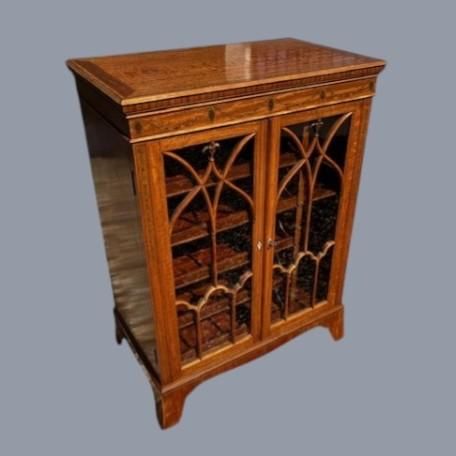
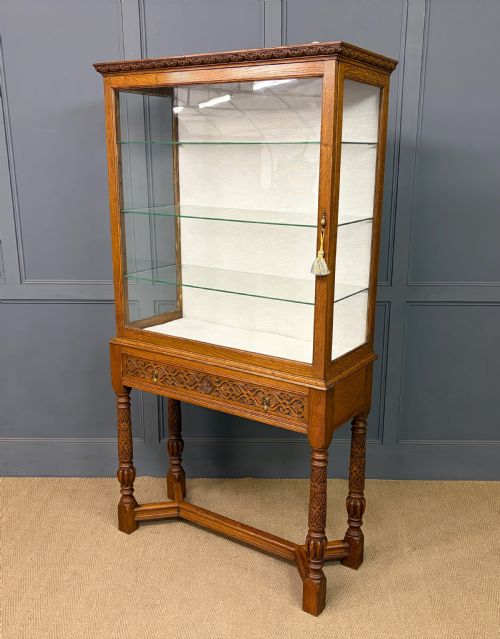
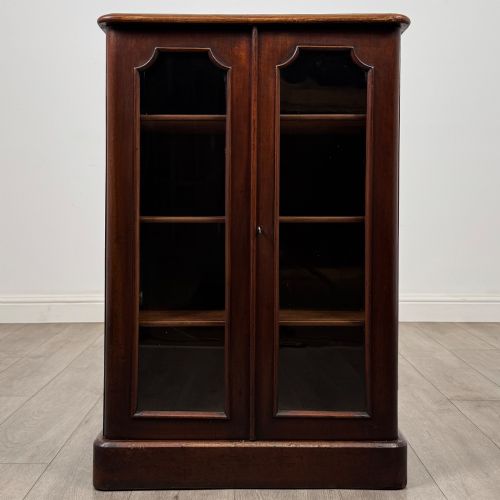
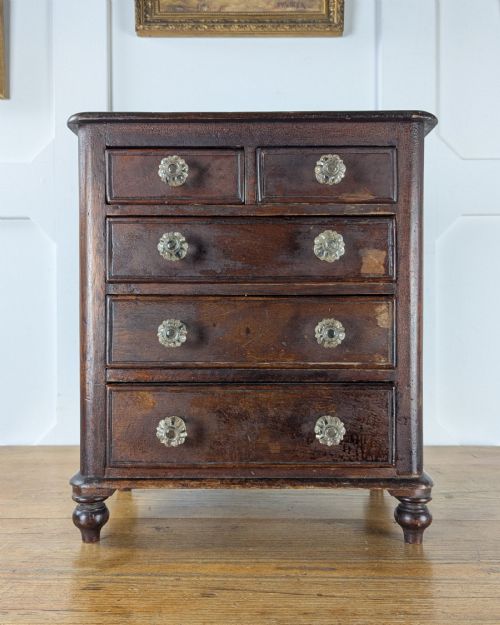
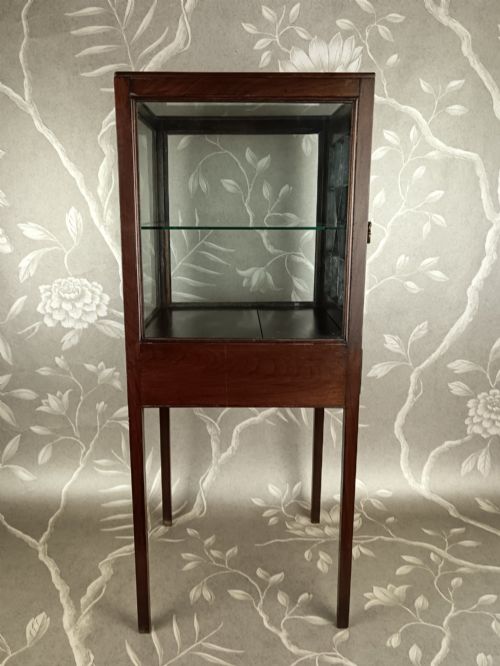
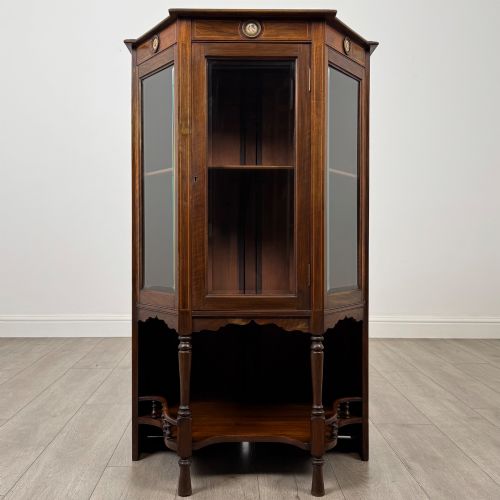
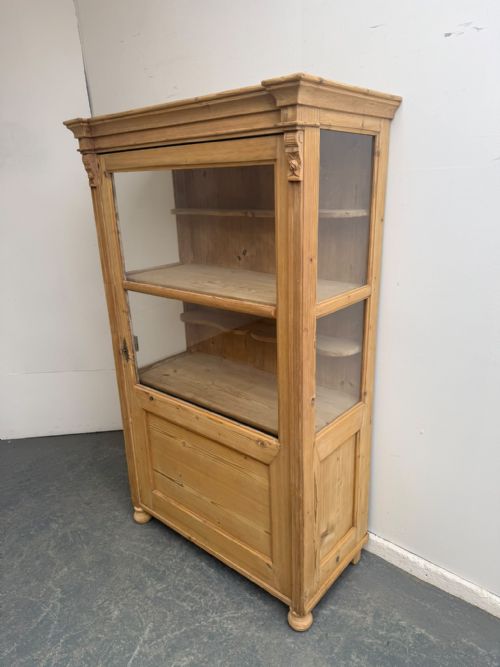
The storage pieces include mahogany vitrines, walnut display cabinets, and multi drawer table cabinets built to house specimens and smaller objects safely under glass.
Materials range from clear glass and white opaline to solid timber frames in mahogany, oak, and burr walnut fitted with brass and ormolu mounts.
Materials and construction methods
Lead glass vessels of the Georgian period gain their weight and brilliance from heavy lead oxide composition, shaped by glassblowers who drew stems by hand and applied air twists or opaque enamel threads.
Display furniture relies on cabinetmakers joining timber frames in mahogany, oak, and walnut, often housing glazed panels, mirrored interiors, and numerous small drawers for organised storage.
Antique Glass Collector Retail Price Guide 2026
Typical asking prices for glass collector among the pieces listed under this phrase on Sellingantiques today, from the lower quarter to the upper quarter. They describe what is for sale here now, not the wider market.
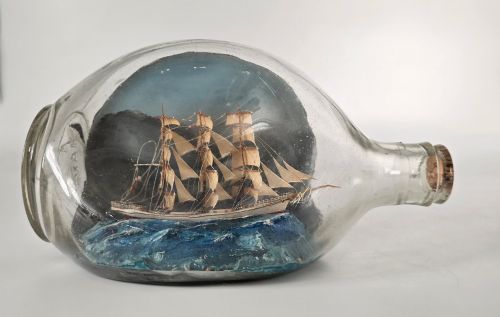
Among the drinking vessels and cabinets sits a taxidermy display dome waiting to house your most peculiar natural history specimens.
Assessing quality in cabinets and stemware
Quality in glass stemware rests on the clarity of the metal, the crispness of the wheel engraving, and the precision of internal air or opaque twists formed within the stem.
For furniture, excellence is determined by timber selection, such as burr walnut or figured mahogany, alongside the solidity of drawer construction, quality of brass mounts, and condition of the original glass panes.
Brady of Edmonton·P H Vogel & Co·Loetz
The Antique Glass Collector Glossary
- Lead glass
- Heavy glass containing lead oxide that produces high refractive index and clarity. It was developed in England during the seventeenth century and used extensively for Georgian wine glasses.
- Opaque twist
- A stem form created by incorporating white or coloured glass enamel threads into the molten metal. These threads are drawn and twisted during manufacture.
- Bijouterie table
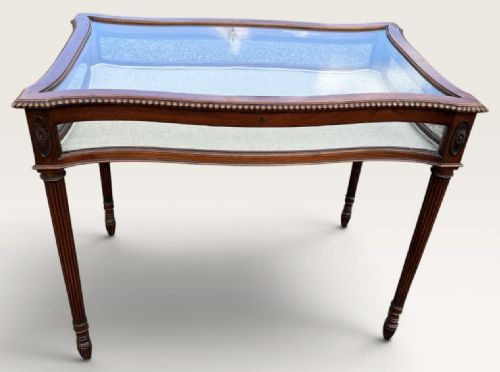
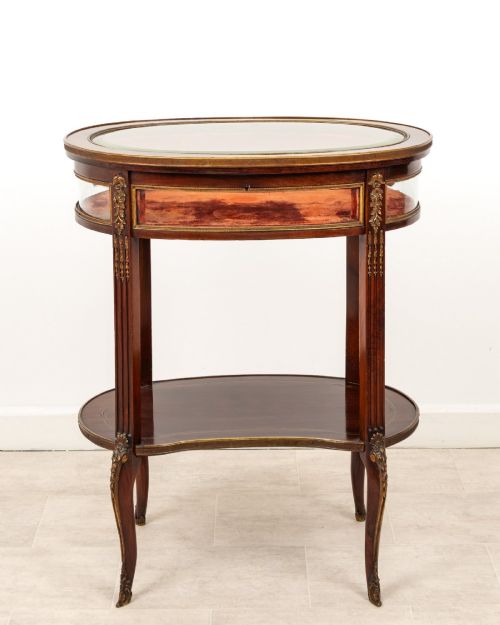
- A glass topped display table designed to exhibit small ornaments and jewellery. These pieces date predominantly to the Victorian and Edwardian periods.
- Vitrine
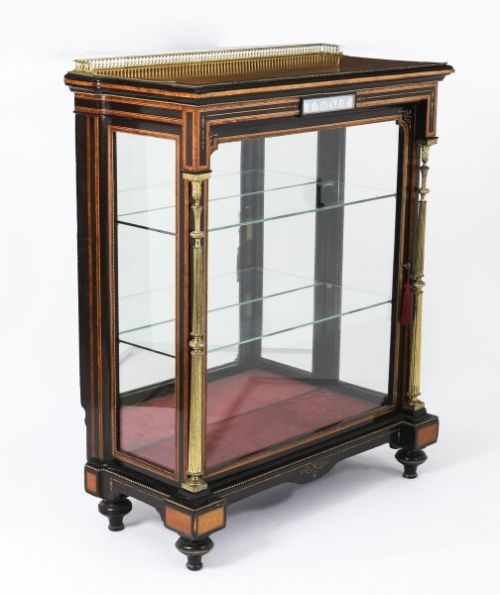
- An enclosed glass cabinet intended for the display of porcelain, glass, and objects of virtue. They appear in various timber frames including mahogany and walnut.
- Rummer
- A large, sturdy drinking glass popular in the eighteenth and nineteenth centuries. They frequently feature engraved decoration and sit on a short, thick stem.
Antique Glass Collector: Frequently Asked Questions
How do I clean antique glass pieces?
Wash glass items gently by hand in lukewarm water using a mild detergent, avoiding abrasive cloths or sudden temperature changes that might crack the material.
Dry them immediately with a soft lint free cloth to maintain clarity and prevent water spots on the surface.
Where should I place a display cabinet?
Position display cabinets away from direct sunlight to protect timber finishes and prevent interior heat buildup that can affect delicate contents.
Ensure the floor is level so doors and drawers operate smoothly without straining the antique joints.
How can I date an eighteenth century wine glass?
Examine the base of the foot to locate a rough pontil mark where the glass was snapped from the blowing iron. Study the stem formation and bowl shape to match documented styles from the period.
Lead metal weight and colour tone also provide indicators of Georgian manufacture.
What is the difference between a vitrine and a bijouterie table?
A vitrine stands vertically with glass doors and internal shelves designed to display upright objects and porcelain collections.
A bijouterie table has a horizontal glazed top with a shallow compartment underneath for laying out flat items and small curiosities.