


Antique Glass Bowl Light
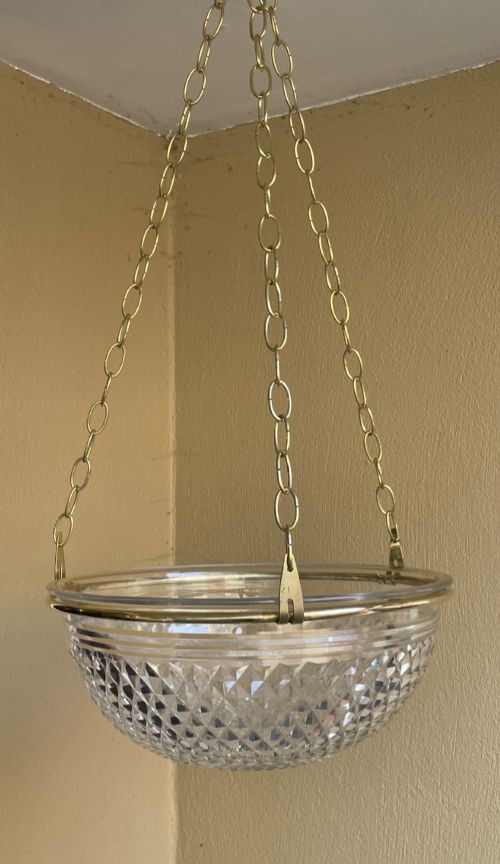
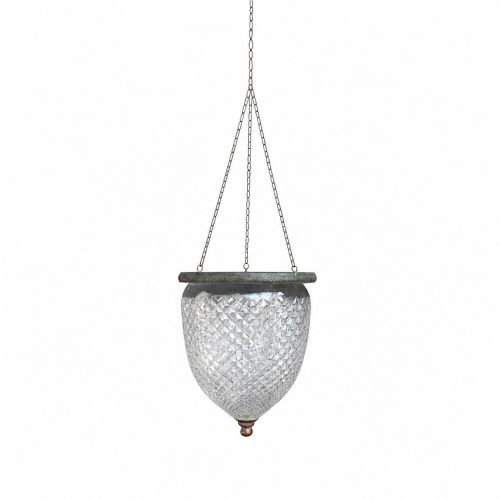
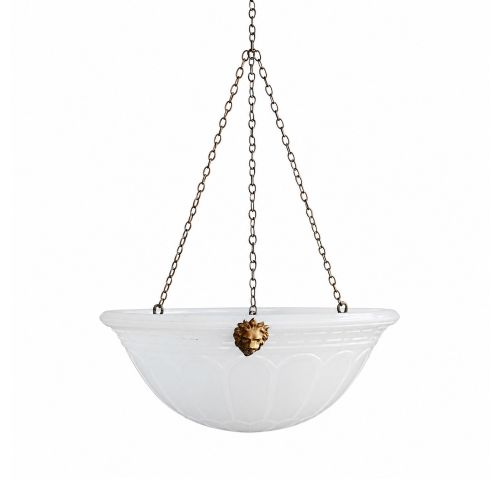
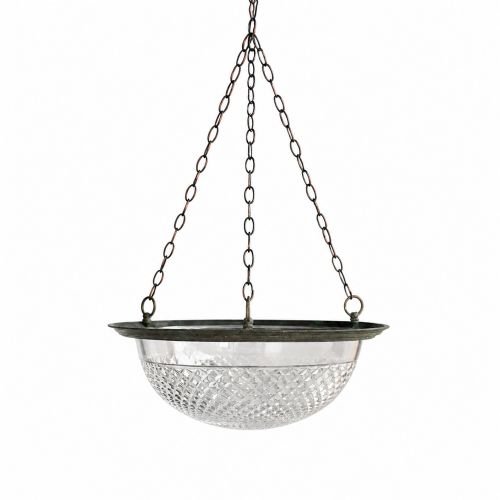
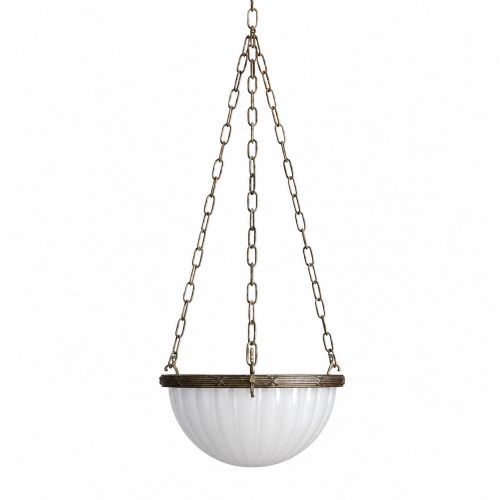
An antique glass bowl light brings a focused, diffused glow to a room, using moulded or cut glass suspended to illuminate living spaces.
Antique Glass Bowl Light
An antique glass bowl light encompasses ceiling fixtures, pendant lights, and plafonniers designed to cast a soft illumination downwards. Buyers searching for an antique glass bowl light encounter pieces spanning from the nineteenth century through the Edwardian era and into the 1930s Art Deco period.
Plafonniers and dish lights dominate the domestic forms, offering shallow or deep bowl profiles intended for central room placement. These fixtures reflect the shifting interior tastes from ornate Victorian and Edwardian brass mountings to clean geometric Art Deco lines.
Materials and Construction Techniques
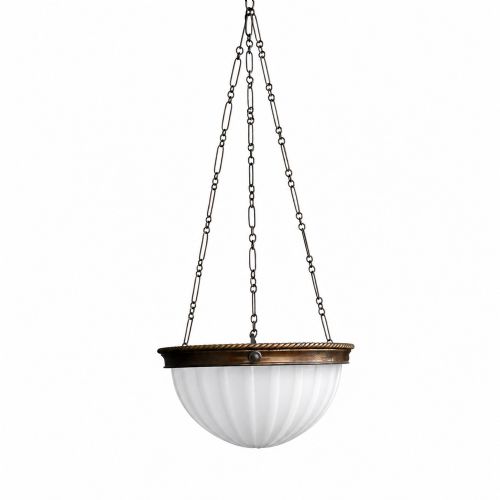
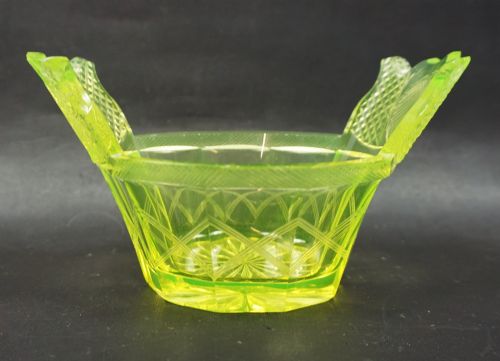
Glass production relied on various techniques including pressing, cutting, and blowing to achieve opacity, colour, or pattern. Makers utilised crystal, frosted glass, moonstone glass, opal glass, and uranium glass to diffuse light differently across each bowl.
Mountings and suspension hardware combined structural metals such as brass, bronze, copper, and silver plating. Artisans cast or forged these metal components to secure the heavy glass bowls safely to ceilings while incorporating decorative motifs like rams heads or painted details.
The listings show glass bowl lights spanning the Victorian, Edwardian, and Art Deco periods, utilising brass, bronze, crystal, and moonstone glass.
Distinctions in Quality and Craftsmanship
Quality rests upon the depth and clarity of the glasswork, where crisp hand-cutting or finely rendered pressed patterns separate standard pieces from superior examples. Heavy crystal and uniformly layered opalescent or moonstone glass indicate attentive material selection by the maker.
The execution of the metal mounts further defines the grade of the fixture, with chased or cast bronze and heavy brass outlasting simpler plated alternatives. Integration between the glass bowl and its metal suspension hardware shows the care taken during assembly.
René Lalique·Verrerie Des Vosge
The Antique Glass Bowl Light Glossary
- Plafonnier
- A ceiling-mounted lighting fixture featuring a bowl-shaped shade sitting close to or flush against the ceiling. This French term describes many shallow glass bowl lights from the early twentieth century.
- Moonstone glass
- A type of semi-translucent milky glass that diffuses light with a soft, ethereal glow. It appears frequently in English and continental lighting from the 1920s.
- Opalescent glass
- Glass containing ingredients that cause it to milky-blue in transmitted light and warm amber or orange in reflected light. This material creates striking visual effects in Art Deco shades.
- Garniture
- A set of ornamental objects designed to match, often comprising vases or centrepieces placed on mantelpieces. While primarily decorative, garniture sets occasionally share material styling with contemporaneous lighting.
- Uranium glass
- Glass infused with uranium oxide to produce a distinctive yellow-green fluorescence under ultraviolet light. It appears in nineteenth-century Bohemian production.
Antique Glass Bowl Light: Frequently Asked Questions
What is a plafonnier light?
A plafonnier is a ceiling-mounted lighting fixture that uses a bowl-shaped glass shade to cover the bulb and diffuse illumination evenly across a room.
These fixtures sit close to the ceiling, making them suitable for rooms with lower ceiling heights where hanging pendants might obstruct movement.
How do I hang a heavy bowl light?
Hanging requires securing the suspension chains or rods directly into ceiling joists using appropriate fixings rated for the weight of the glass and metal.
Professional electrical installation ensures the weight is supported safely while connecting the internal wiring to the main supply.
How do I clean an antique glass bowl?
Remove the glass bowl from its metal mount if possible and wash it gently in lukewarm water with mild soap. Avoid abrasive cloths or harsh chemicals that might damage frosted surfaces or gilding.
Dry the glass thoroughly with a soft cloth before reattaching it to the suspension frame.