

Antique Glass Bar
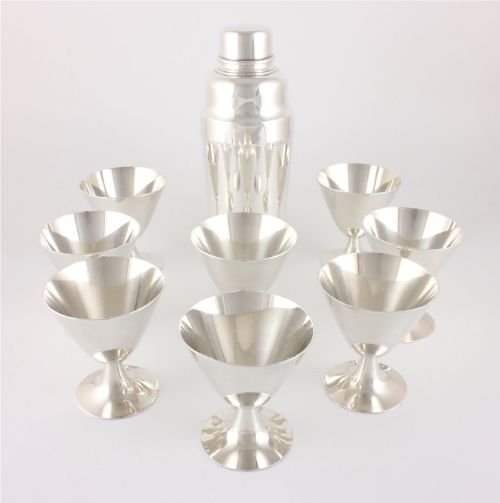
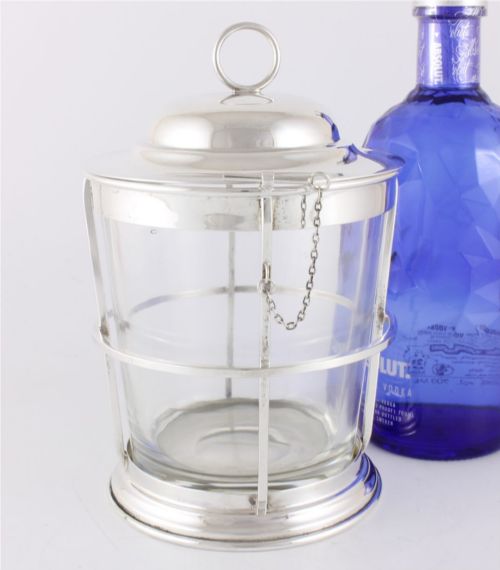
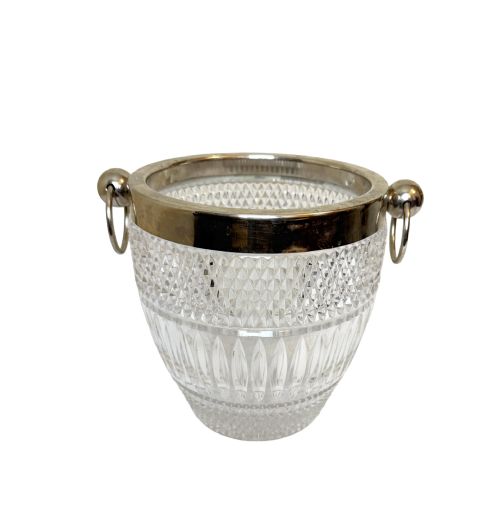
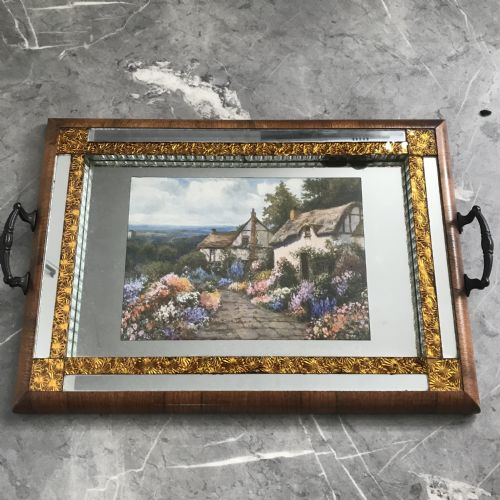
An antique glass bar brings together cut decanters, silver-plated shakers and mirrored trolleys for entertaining.
Antique Glass Bar
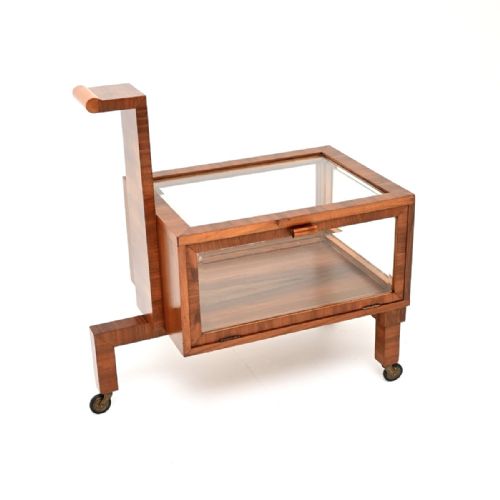
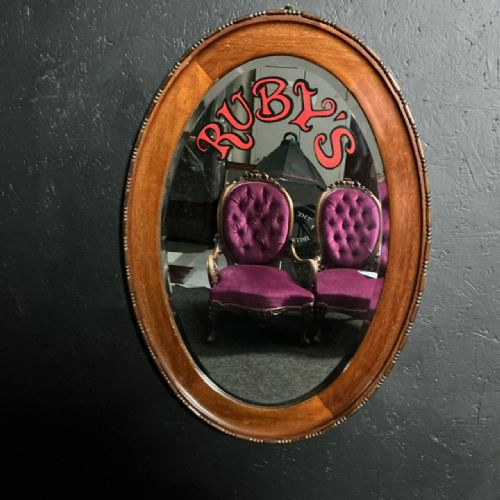
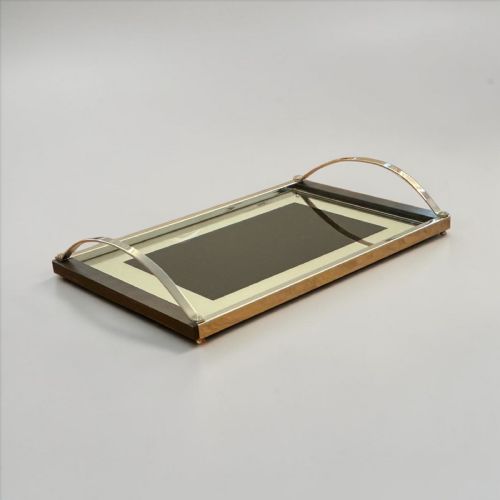
When searching for an antique glass bar, buyers encounter a mix of functional drinkware, cabinets, and serving furniture spanning the Victorian, Edwardian, and Art Deco periods. The selection includes crystal tantalus sets, mirrored serving trays, cocktail cabinets in burr walnut, and rolling trolleys.
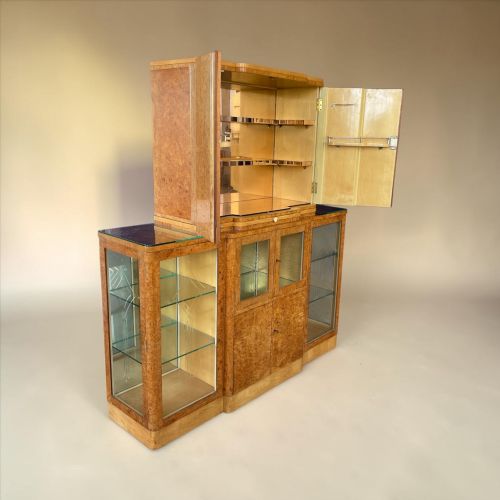
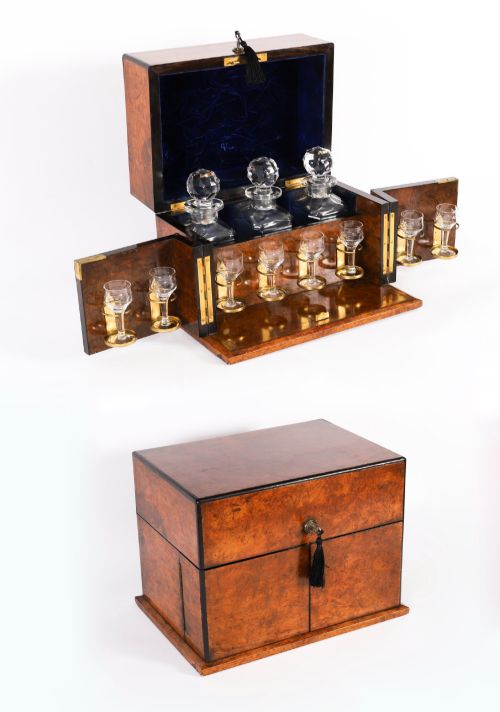
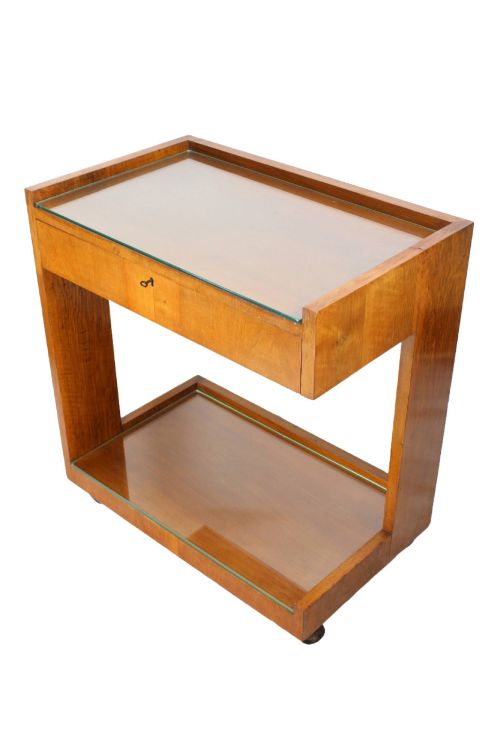
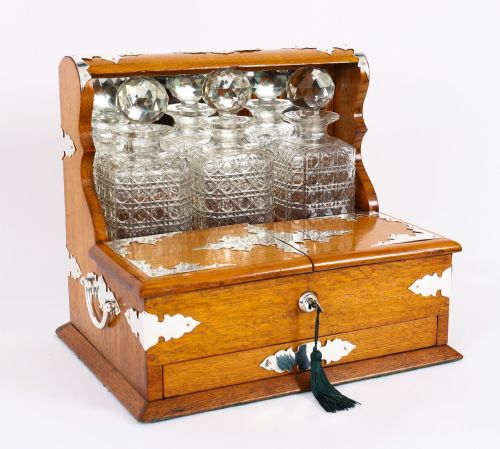
The most common forms on this page are mid-nineteenth-century oak or walnut tantalus units holding cut crystal decanters alongside 1930s Art Deco cocktail trolleys and cabinets. These pieces reflect changing social habits around hosting drinks at home across different decades.
Origins range widely from English workshop productions to French brass-framed étagères and specialised pub dispensers. Each object serves a direct role in the storage, preparation, or display of spirits and mixers.
Materials and construction methods
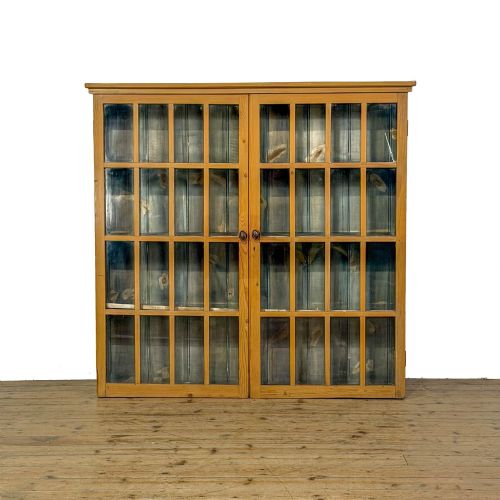
The construction relies heavily on combinations of cut glass and crystal paired with structural timber like walnut, oak, and pine. Metal elements such as brass, chrome, and silver plate provide mounts, handles, and gallery rails.
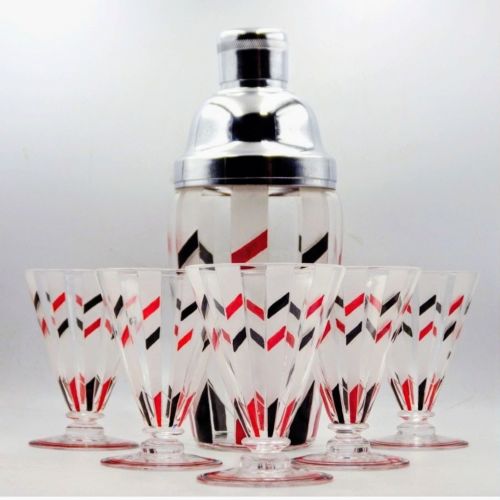
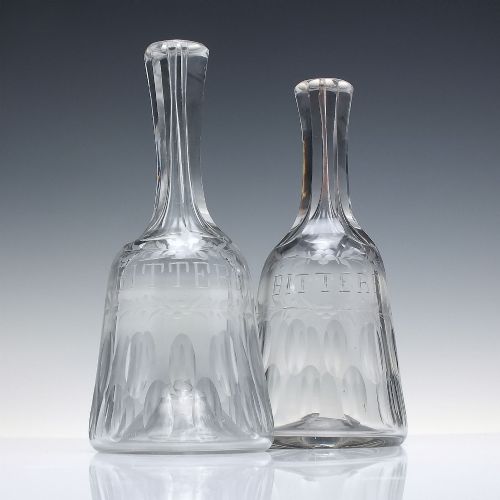
Glass components feature deep wheel-cutting, etching, and silver-plated mounts applied securely to decanters, shakers, and ice buckets. Woodwork incorporates fine veneers, mirrors, and lacquered finishes, particularly in Art Deco items.
Cabinetry and trolley frames utilise traditional joinery suited to the period, while metal hardware often displays cast details, hallmarked silver attachments, or structural chrome fixings.
Antique Glass Bar Retail Price Guide 2026
Typical asking prices for glass bar among the pieces listed under this phrase on Sellingantiques today, from the lower quarter to the upper quarter. They describe what is for sale here now, not the wider market.
A nineteenth-century glass bar dispenser once kept the local gin flowing with absolute bureaucratic precision.
Factors influencing quality
Quality separates through the crispness of the cut crystal, the weight and finish of the silver plating, and the grain selection in wood veneers like burr walnut. Superior pieces exhibit precise wheel-cut facets on decanters and solid metal mountings without casting flaws.
The integrity of the structural frame, whether an oak tantalus box or a tiered brass trolley, dictates everyday durability. Better items retain original matching decanter sets, intact mirrored glass plates, and working locks with keys.
Harry and Lou Epstein·Betjemann·PH Vogel·Maison Baguès
The Antique Glass Bar Glossary
- Tantalus
- A locking wooden cabinet or frame holding spirit decanters securely while displaying their contents through glass or open bars. This keeps the contents secure from unauthorized access.
- Decanter
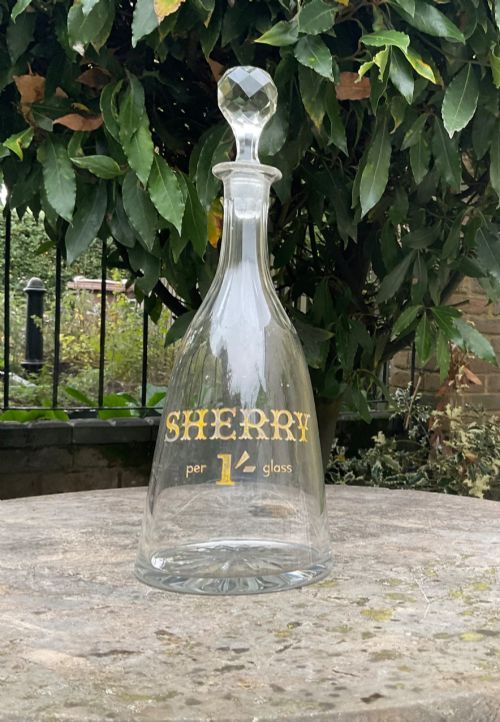
- A vessel designed to hold and serve wine or spirits, often formed from heavy lead crystal with a matching stopper. Cut glass variants refract light across the surface.
- Étagere
- An open piece of furniture with multiple tiers used for displaying objects or serving drinks. Metal and glass versions appear frequently in twentieth-century designs.
- Tantulus
- Alternative spelling often found in trade descriptions for a locking spirit container. It secures the stoppers in place so bottles cannot be opened.
- Cocktail Shaker
- A vessel used to mix drinks by shaking, typically constructed from glass combined with silver plate or sterling silver components. These often date to the Art Deco era.
Antique Glass Bar: Frequently Asked Questions
What is a tantalus dry bar?
A tantalus dry bar is a locking wooden frame that holds several crystal decanters securely without requiring plumbing or permanent installation. These pieces were designed for nineteenth-century reception rooms and studies.
They allow hosts to display fine spirits while restricting access through a locking mechanism that traps the decanter stoppers. Most examples hold three matching cut glass bottles.
How do I date an Art Deco cocktail cabinet?
Art Deco cocktail cabinets from the 1930s typically feature geometric silhouettes, contrasting wood veneers such as burr walnut or maple, and mirrored interior compartments. These elements distinguish them from earlier Victorian and Edwardian iterations.
Makers like Epstein utilised striking grain patterns and polished metal hardware to define the aesthetic of the period. Original glass shelves and mirrored serving slides further confirm the era.
Are drinks trolleys sturdy enough for daily use?
Vintage drinks trolleys constructed from solid brass, chrome, or hardwoods are generally robust enough to transport glassware and bottles. The inclusion of wheels allows easy movement across rooms during gatherings.
Buyers should inspect the joints and caster fixings to ensure stability. Tiered designs distribute weight across multiple levels effectively.
What distinguishes silver plate from sterling silver on barware?
Silver plate involves a thin layer of pure silver bonded to a base metal core such as copper or nickel brass. Sterling silver consists of a solid alloy containing a high proportion of pure silver throughout.
Items like cocktail shakers and ice buckets often bear hallmarks if they are sterling silver, whereas plated items carry maker-specific marks indicating the plating process.