

Antique Glass Accent Lamp
These antique glass accent lamps bring intimate pools of light to a room, ranging from sleek geometric designs to playful figural studies.
Antique Glass Accent Lamp
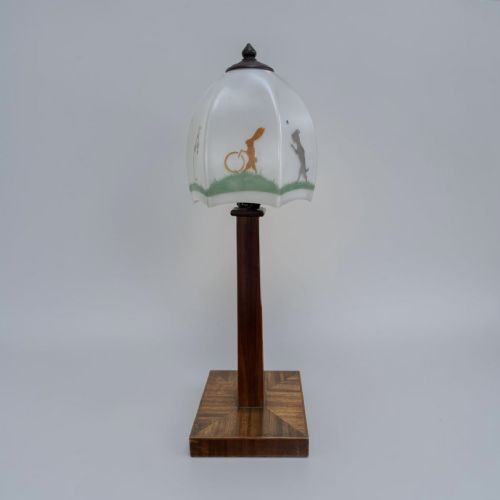
An antique glass accent lamp serves to cast a soft, localized glow on a desk, side table or sideboard rather than illuminate an entire room. When searching for an antique glass accent lamp, buyers frequently encounter lighting fixtures dating from the early decades of the twentieth century, particularly the 1930s.
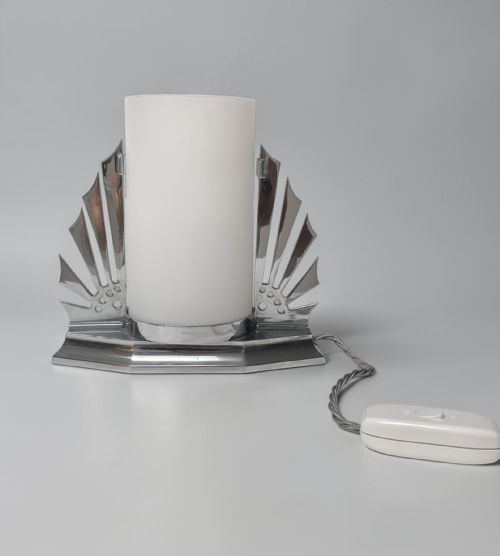
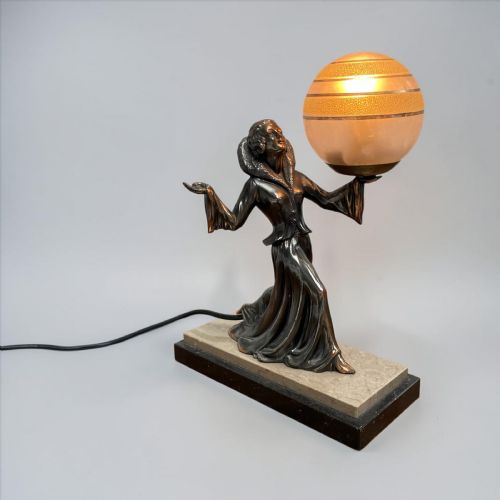
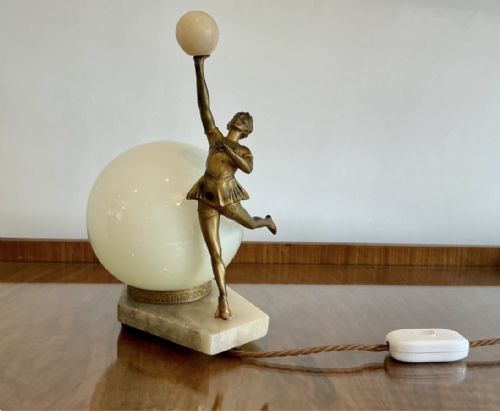
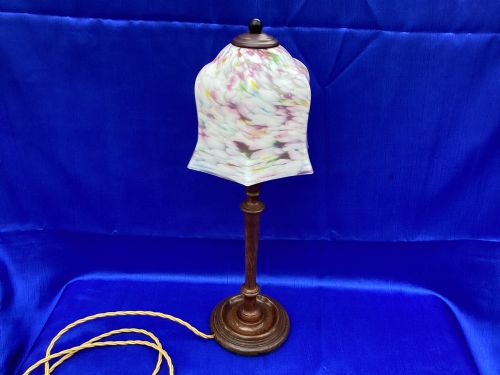
The selection centres heavily on the Art Deco style, which brought together geometric forms, stylized figures and clean lines. Alongside these, pieces from the Edwardian period and the Art Nouveau movement appear, often pairing moulded or frosted glass with metal bases.
How They Were Made
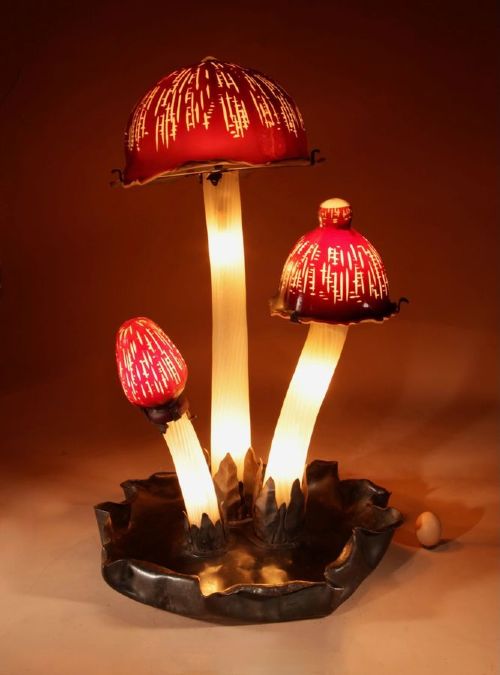
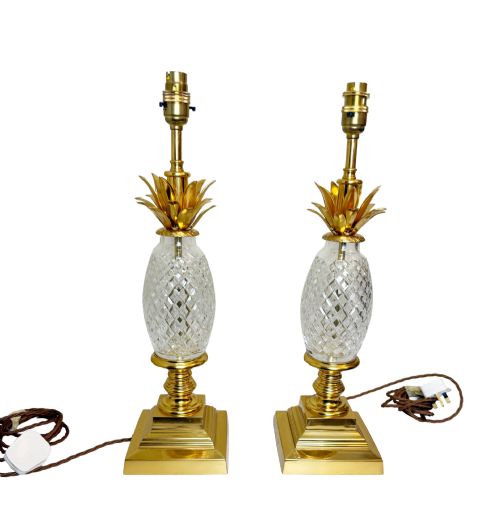
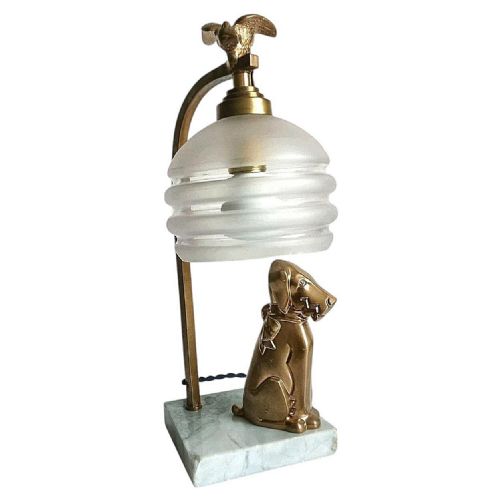
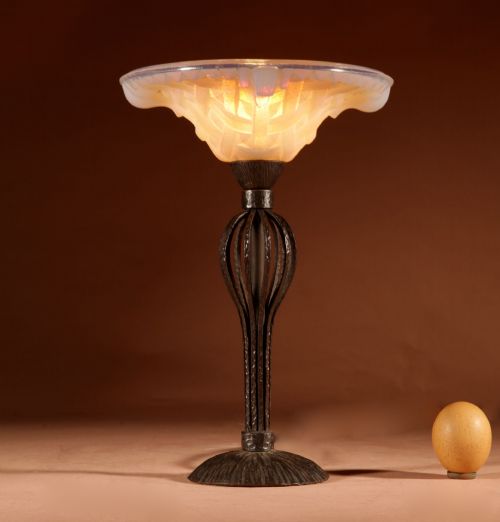
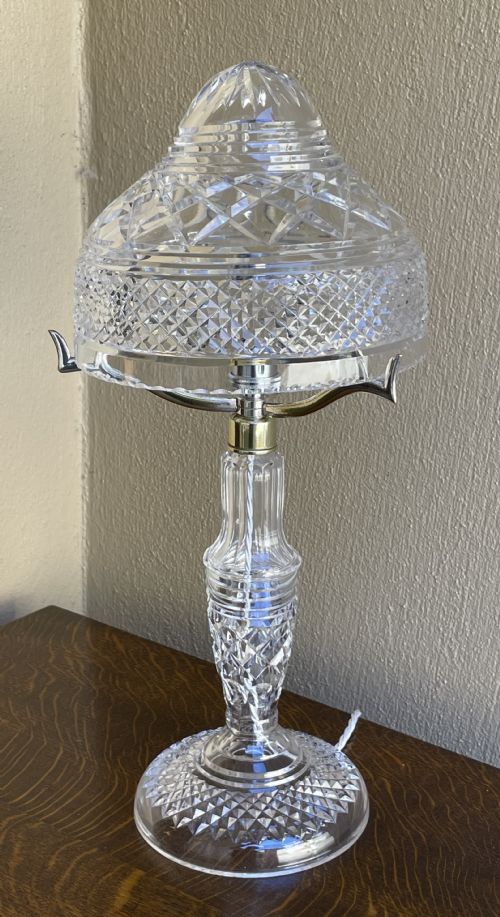
Makers combined heavy glass shades - such as opaline, cut crystal or pressed mushroom forms - with structural elements cast in brass, bronze, gilt metal or spelter. Wrought iron and chrome also provide sturdy supports, frequently mounted on marble bases to anchor the weight.
Techniques ranged from acid-etching and mold-blowing for the glass components to patination and plating for the metalwork. Many examples integrate fabric cords or specialised glass types like Catalin phenolic bakelite.
Materials span frosted glass, brass, marble, chrome, wrought iron, and fabric across the 19th Century, Edwardian, and 1950 periods.
What Varies in Quality
The standard of an antique glass accent lamp often rests on the clarity and depth of the glasswork, alongside the prestige of the designer or glasshouse responsible for the shade. Pieces bearing signatures or attributed to known makers display sharper moulding, crisper facet cuts and more deliberate integration between the glass and its metal mount.
The stability and finishing of the base materials - such as genuine patinated bronze, heavy wrought iron or solid marble - differentiate a standard production piece from a more substantial decorative object. The complexity of figural elements, such as detailed animal or human studies cast in spelter or bronze, also signals a higher tier of manufacture.
Karl Palda·Degue·Daum·Lalique·Baccarat
The Antique Glass Accent Lamp Glossary
- Opaline glass
- A milky, opaque or translucent glass that diffuses light softly, commonly used for shades in the nineteenth and early twentieth centuries.
- Spelter
- A zinc alloy frequently cast into figures and lamp bases during the early twentieth century, usually given a bronze-like or patinated finish.
- Cut crystal
- Glass containing lead oxide that is hand-cut and polished to create sharp facets which refract light.
- Frosted glass
- Glass treated by acid-etching or sandblasting to produce a textured, non-transparent surface that softens glare.
- Art Deco
- A design style dominant in the 1920s and 1930s characterised by streamlined shapes, geometric patterns and stylized motifs.
Antique Glass Accent Lamp: Frequently Asked Questions
How do I place an accent lamp?
These smaller lamps suit low side tables, desks or sideboards where they provide concentrated illumination rather than general room lighting. They sit comfortably in corners or on bookshelves to create a warm pool of light.
Keep the scale of the lamp proportional to the furniture piece it rests upon. A compact night light or mushroom lamp works well on tight surfaces without cluttering the space.
What is an opaline shade?
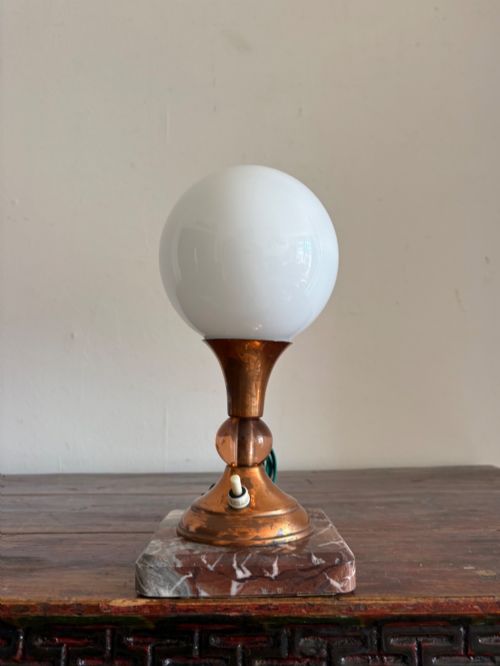
Opaline glass is a semi-opaque, milky material designed to soften the glare of the bulb and cast an even, gentle glow. It gained popularity in nineteenth-century and early twentieth-century lighting for its warm diffusion.
Over time, glasshouses produced these shades in various tones to complement different brass, bronze or wrought iron bases.
How do I identify Art Deco lamps?
Art Deco lighting relies on geometric rigour, stylized animal or human figures, and streamlined chrome or wrought iron. Look for motifs like seagulls, abstract spirals and stepped metal bases typical of the 1920s and 1930s.
The glass components often feature symmetrical patterns, frosted finishes or heavy mushroom profiles that reflect the modernist aesthetic of the period.
Can I use modern bulbs?
Most antique lamps accommodate modern low-wattage LED bulbs that fit the original socket size, provided the electrical wiring is safe. It is wise to check the wiring or have an electrician inspect older cords before regular use.
Lower wattage bulbs preserve the delicate glass shades by preventing excessive heat buildup during long periods of illumination.