


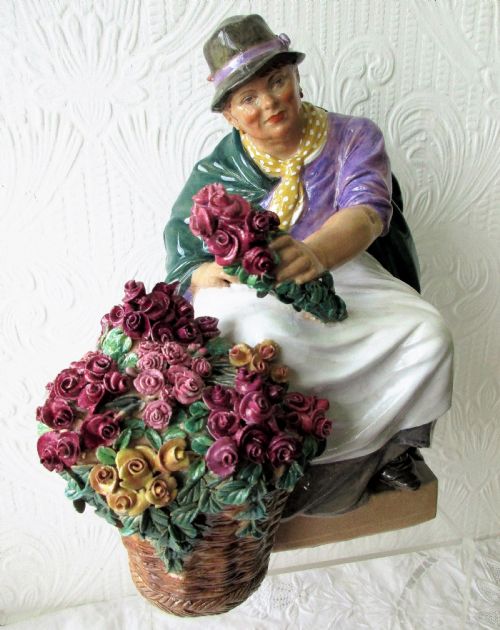


Antique Girl Figurine
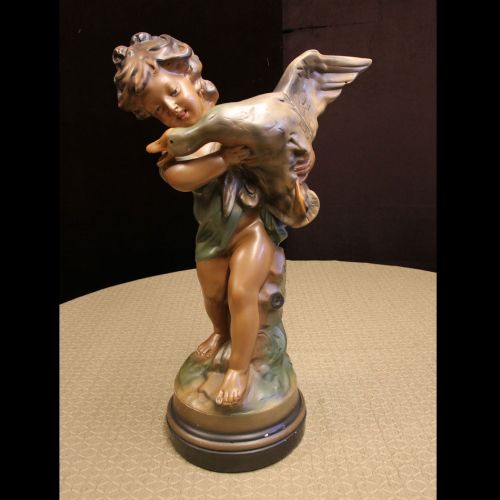
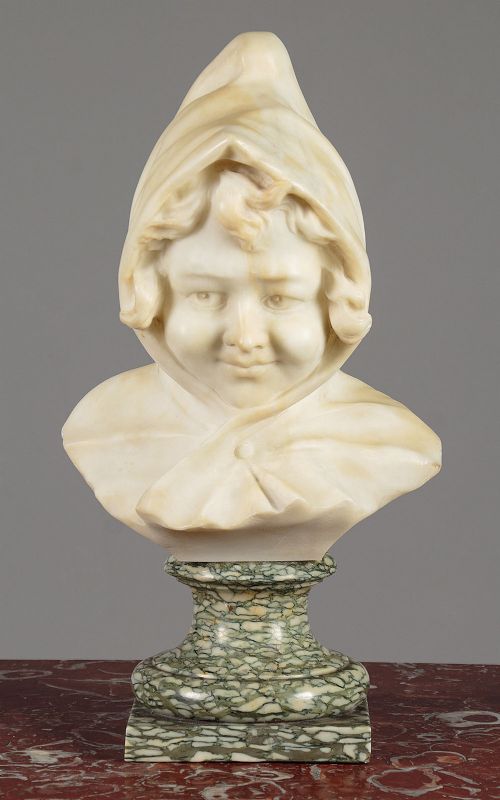
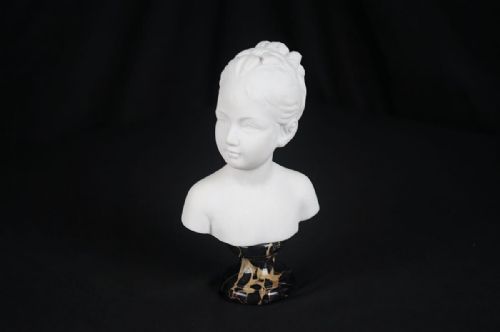
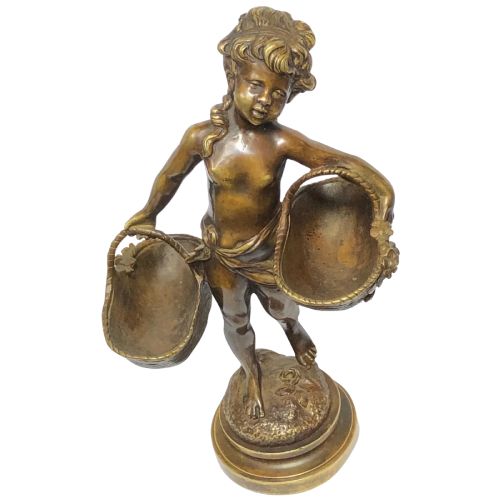
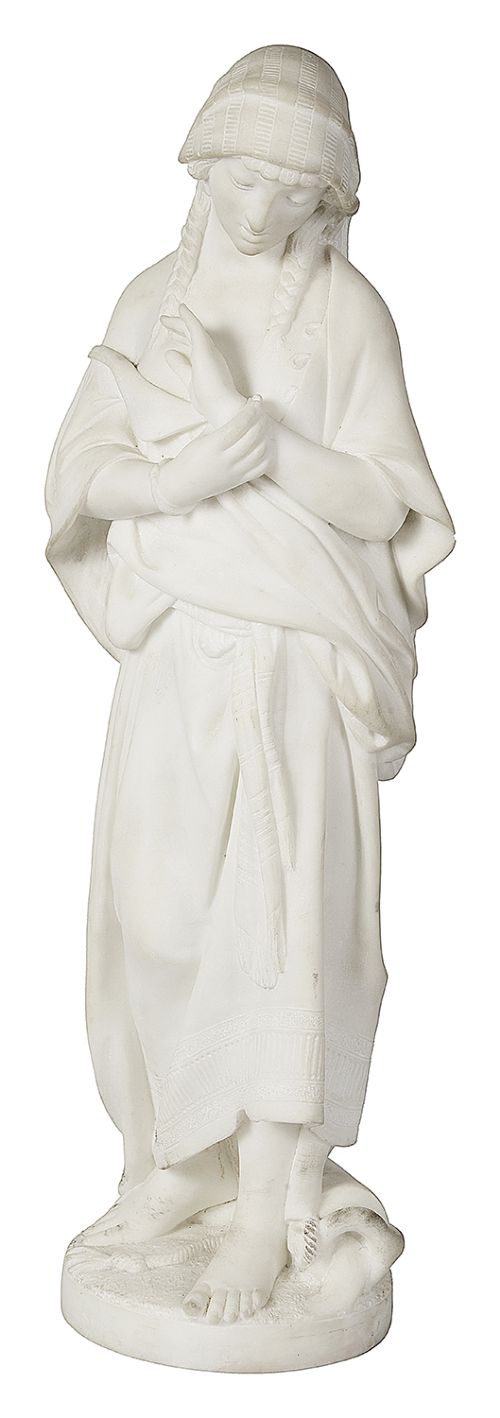
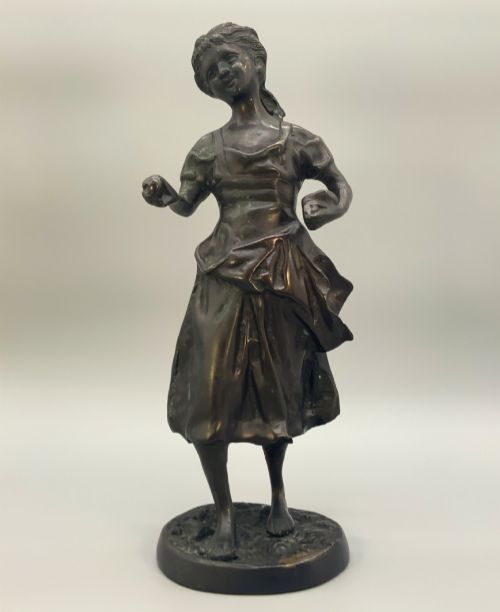
When you examine an antique girl figurine, you find bronze, porcelain, and marble works spanning the nineteenth and twentieth centuries.
Antique Girl Figurine
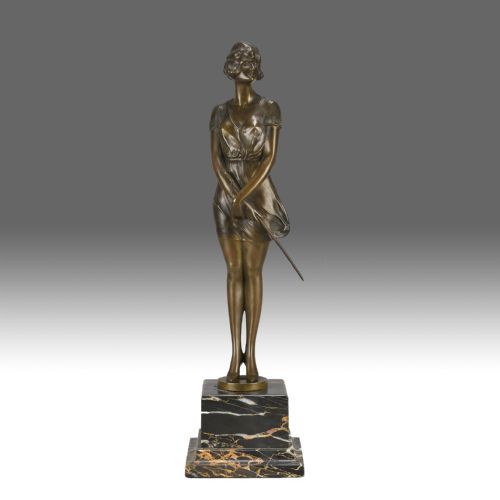
An antique girl figurine encompasses sculptures, porcelain figures, and ceramic powder boxes depicting young maidens, dancers, and children. The selection includes Victorian majolica, 19th-century French bronze studies, and Art Deco flapper pieces from the 1920s and 1930s.
Makers and foundries across Britain, France, Austria, and Germany produced these figures in media ranging from terracotta and earthenware to cold-painted bronze and marble bases. Works emerge from periods spanning the Victorian era through Art Nouveau and Art Deco designs.
Materials and Technique
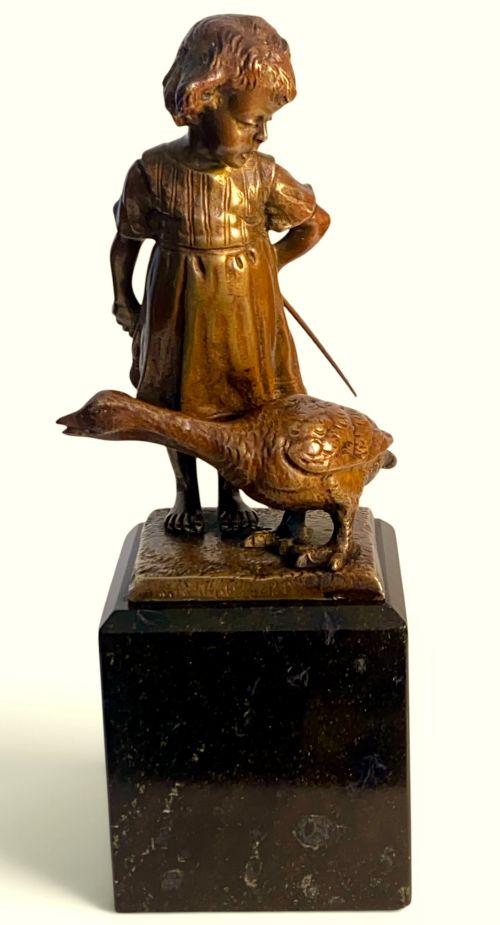
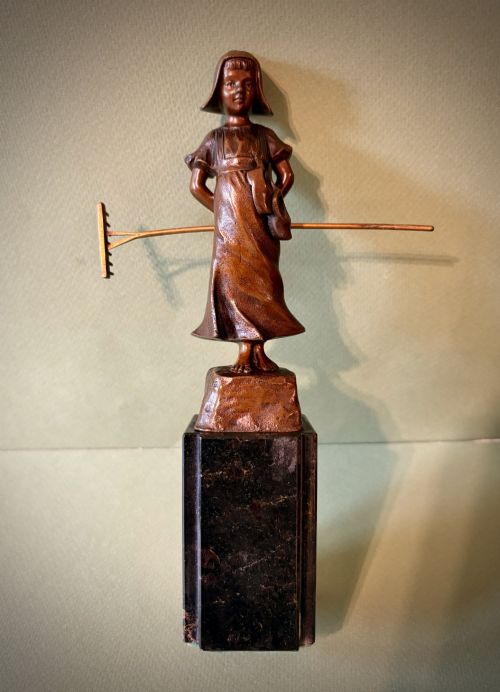
Bronze figures utilise patinated, silvered, or cold-painted finishes over metal casts, often mounted onto marble bases. Foundries employed lost-wax casting methods to capture fine details in clothing and hair.
Antique Girl Figurine Retail Price Guide 2026
Typical asking prices for girl figurine among the pieces listed under this phrase on Sellingantiques today, from the lower quarter to the upper quarter. They describe what is for sale here now, not the wider market.
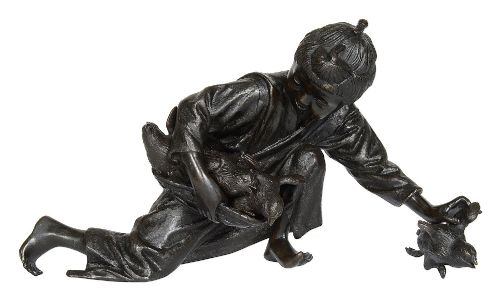
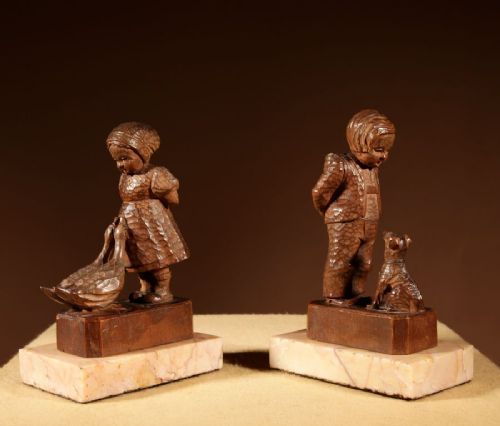
Several figures depict children playing with dogs, holding chickens, or balancing on dice.
Design and Execution
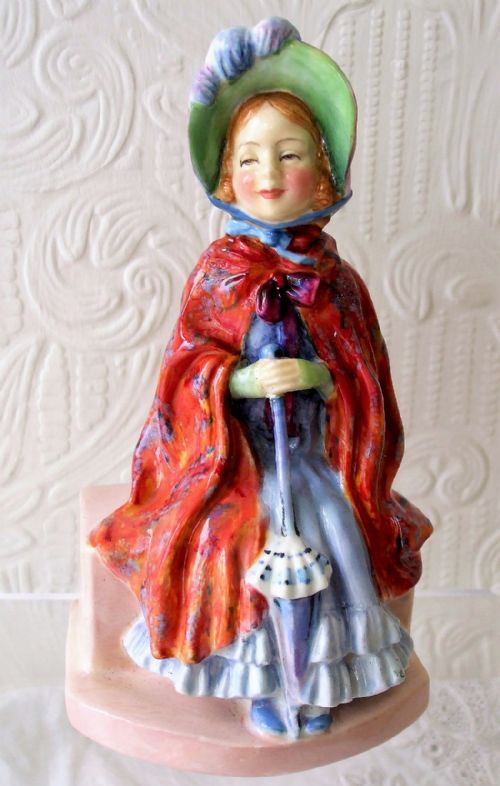
Quality rests in the crispness of the casting or the delicacy of the porcelain modeling, where facial expressions and drapery folds remain sharp and expressive. Finer pieces demonstrate superior hand-painted enamel work and careful surface patination.
The integration of materials also defines the standard, such as bronze figures securely fitted to heavy marble plinths or porcelain figures with intact, original polychrome glazes and gold leaf accents.
Auguste Moreau·Bruno Zach·Josef Lorenzl·James Hadley·Fasold and Stuach·H. Chiparus·Bernard Bloch·Pierre Laurel·Geo Maxim·Ernst Bohne and Sohne·Helena Wolfsohn
The Antique Girl Figurine Glossary
- Cold-painted bronze
- A technique where bronze sculptures are painted with oil or enamel paints without high-temperature firing. This finish is susceptible to flaking over time if handled frequently.
- Flapper girl
- A stylistic representation of young women from the 1920s characterised by modern dress and bobbed hair. These subjects appear frequently in Art Deco porcelain half dolls and bronze sculptures.
- Majolica
- A type of earthenware coated with an opaque tin-glaze and painted with metallic oxide colours. Victorian pieces often depict rustic figures in bright, glossy hues.
- Patinated bronze
- Metal sculpture treated with chemicals to produce a specific surface colour or sheen. This layer protects the bronze and adds depth to the sculptural details.
Antique Girl Figurine: Frequently Asked Questions
How do I identify an Art Deco piece?
Art Deco figurines typically date from the 1920s and 1930s, featuring stylized geometric lines, flapper subjects, and materials like silvered bronze paired with marble bases.
These pieces reflect the modern design movements of the interwar period, contrasting with the softer, more ornate styles of the Victorian era.
What materials were used?
Figurines are found in cast bronze, porcelain, terracotta, majolica, and carved marble. Bronze works often feature patinated or cold-painted surfaces.
Ceramic examples utilise hand-painted glazes, enamel, and occasional gold leaf details applied over earthenware or china bodies.
How should I display bronze and porcelain?
Keep bronze sculptures away from excessive moisture to preserve the patina or cold-painted surfaces. Porcelain figures require stable placement on level surfaces away from direct sunlight.
Avoid using harsh chemical cleaners on either material, relying instead on gentle dusting with a soft cloth.
How are periods distinguished?
Victorian and 19th-century pieces often showcase romantic, classical, or rustic subjects like flower sellers or farm girls. Twentieth-century works lean towards Art Nouveau curves and Art Deco dancer motifs.
Maker marks, registration numbers, and base construction provide further clues to the exact decade of manufacture.