

Antique Ginger Jars with Covers
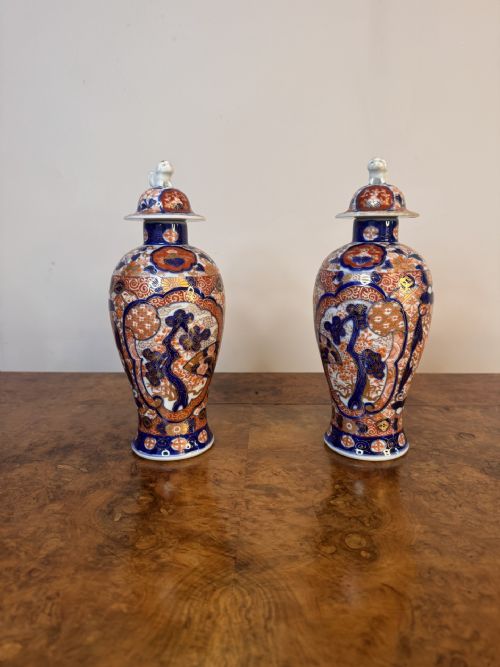
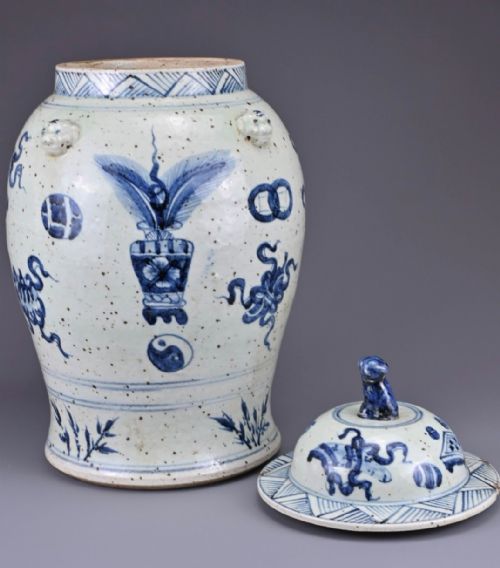
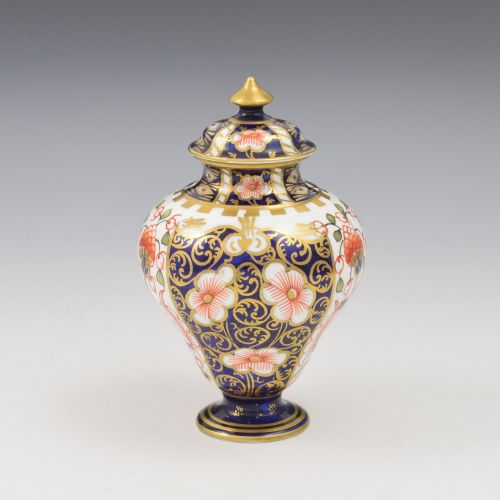
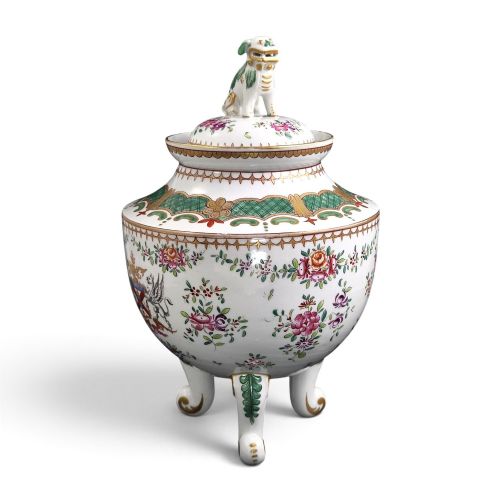
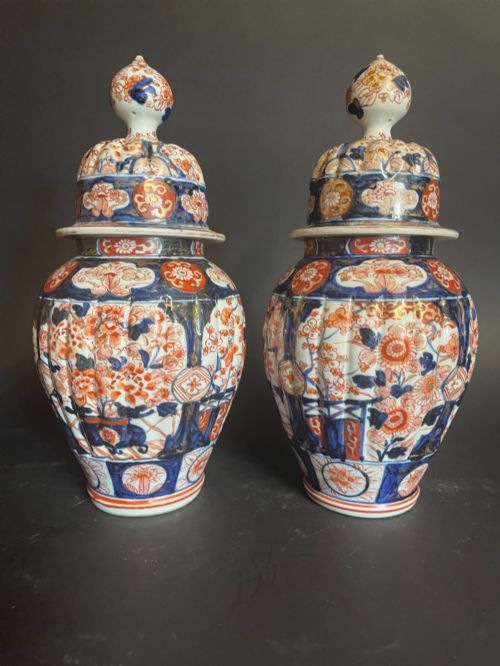
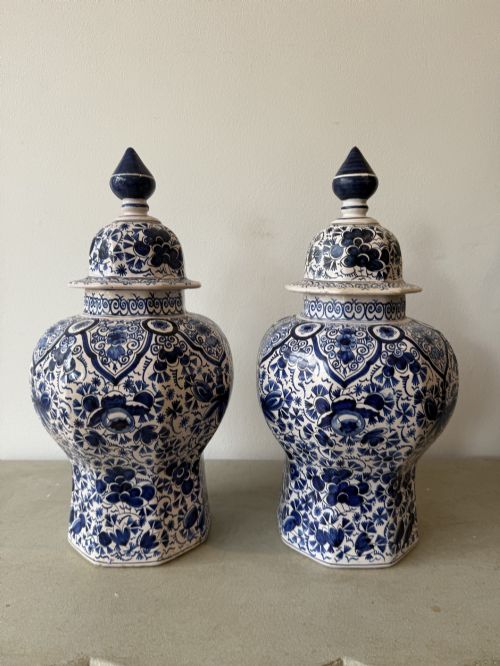
These antique ginger jars with covers are ceramic vessels of varied provenance, offering classic display presence and traditional form.
Antique Ginger Jars with Covers
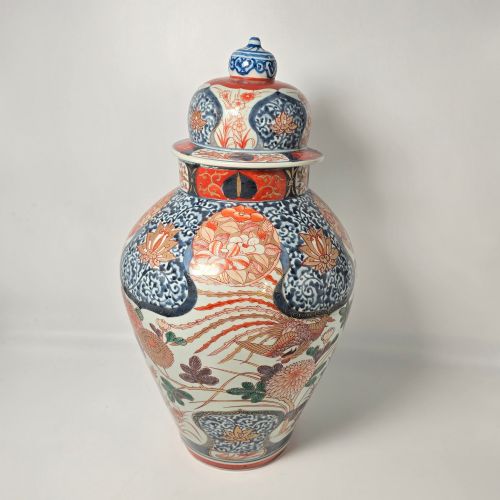
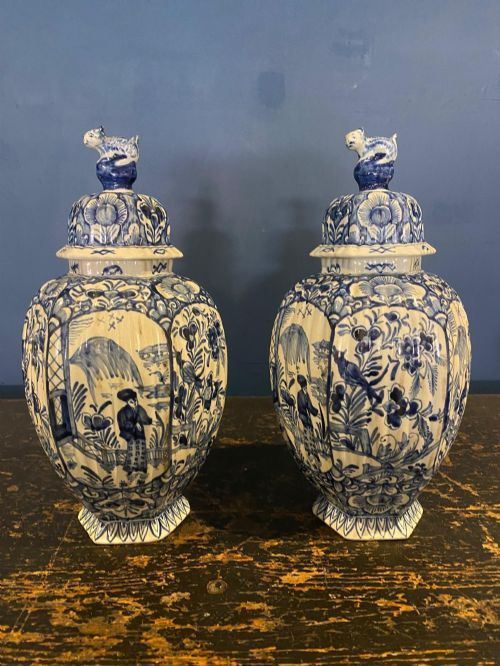
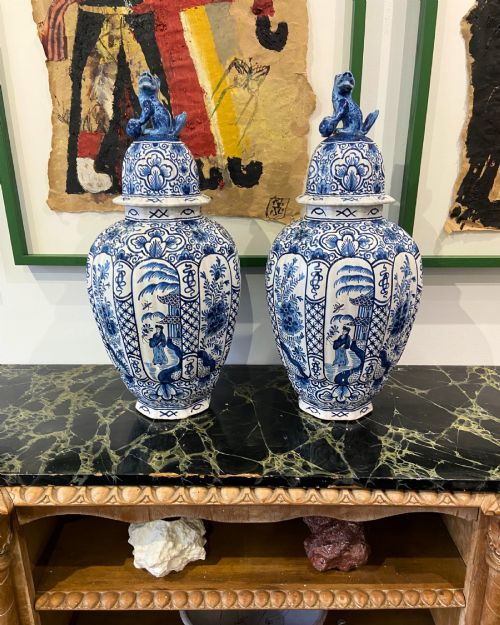
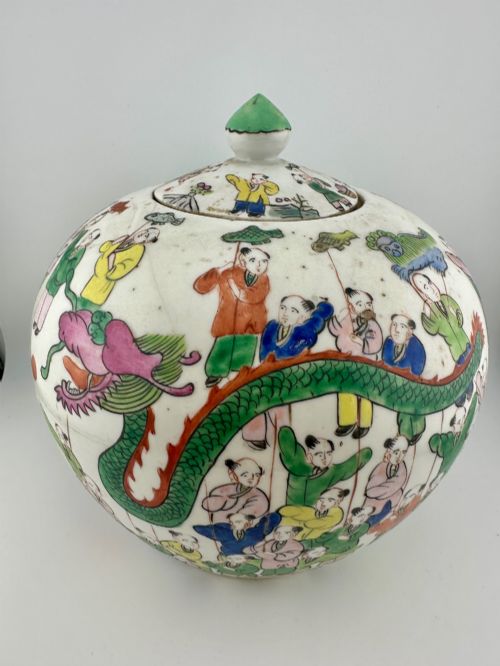
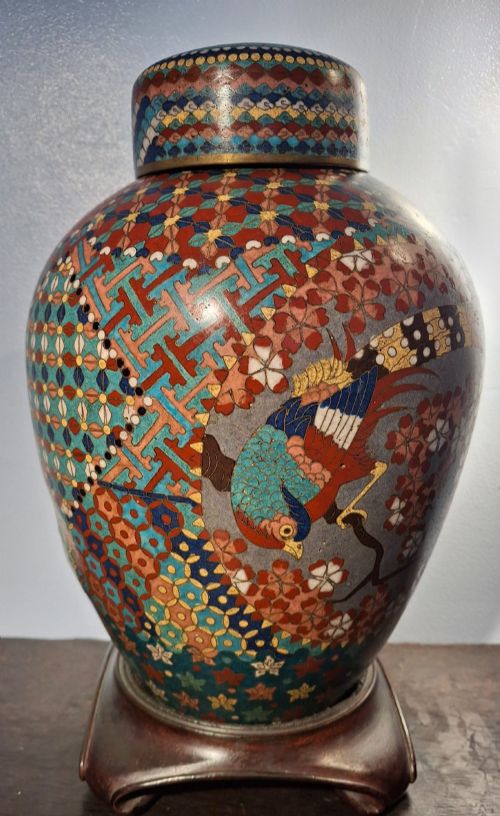
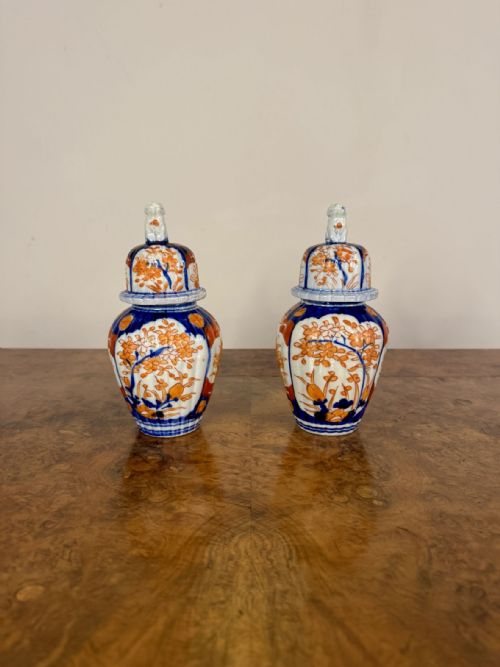
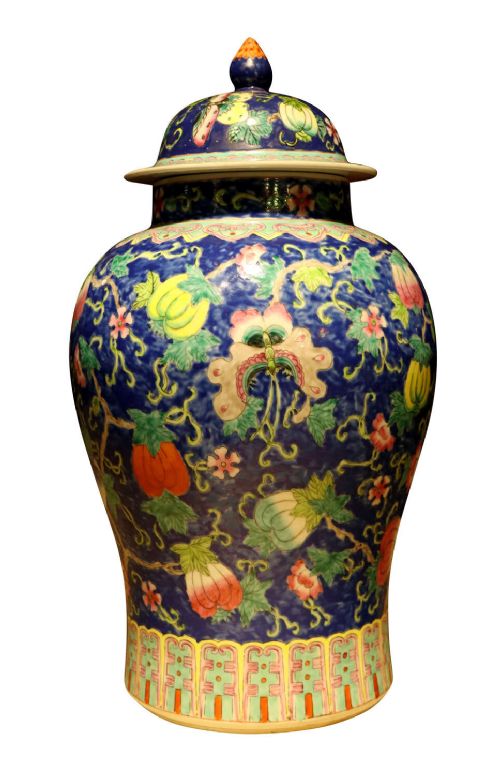
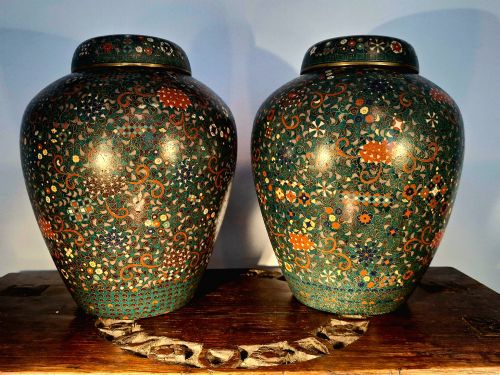
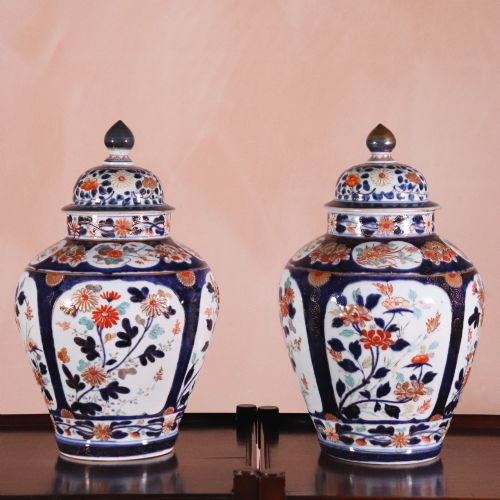
When you search for antique ginger jars with covers, you encounter a diverse selection of ceramic lidded vessels originating from multiple decorative traditions. These pieces include Continental maiolica, Delft earthenware, and Asian export styles such as Imari and Kutani, each serving primarily as decorative display items.
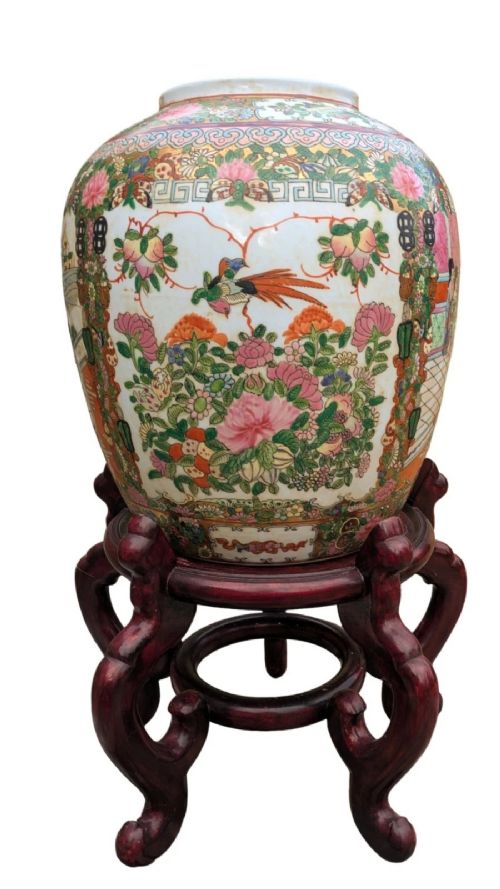
The examples available here span the nineteenth and early twentieth centuries, encompassing Victorian, Edwardian, and Art Deco periods. Forms range from large scale Continental vases with chinoiserie motifs to smaller Booths silicon china covered vases and Chinese porcelain canisters.
Many items reflect historical revivals and cross-cultural influences, such as pieces decorated in the Edo manner or Japonisme styles. Buyers will find that while some objects directly emulate Eastern aesthetics, others adapt these motifs within European ceramic factories.
How they were made
Construction relies upon traditional ceramic manufacturing techniques, utilising earthenware, porcelain, terracotta, and tin-glazed bodies shaped into distinct lidded forms. Artisans formed these vessels by throwing clay on the wheel or utilising moulds before applying structural glazes.
Decoration involved intricate hand painting, enamel work, and the application of gold leaf over the fired surface. Tin-glazed earthenware pieces such as Delft and maiolica received opaque white glazes that provided a smooth canvas for subsequent pigment application.
Specialised firing processes fixed the polychrome enamels and underglaze designs, while distinct surface treatments like crackle glaze achieved specific textural effects. Makers also incorporated cloisonné metalwork techniques on selected vessels to separate coloured enamel fields.
Antique Ginger Jars with Covers Retail Price Guide 2026
Typical asking prices for ginger jars with covers among the pieces listed under this phrase on Sellingantiques today, from the lower quarter to the upper quarter. They describe what is for sale here now, not the wider market.
Listings feature pieces from the nineteenth and early twentieth centuries, encompassing Edwardian, Victorian, and Art Deco periods.
What varies in quality
Quality in these lidded vessels is determined by the precision of the hand painting and the complexity of the decorative scheme. Superior examples exhibit finely detailed brushwork, well-defined motifs, and harmonious colour palettes that demonstrate high technical proficiency.
The integrity of the form and the harmonious fit between the vessel body and its cover contribute significantly to the overall merit of the piece. Well-executed glaze surfaces, whether glossy tin-glaze or controlled crackle finishes, indicate careful kiln management during production.
The reputation of the producing factory or workshop also plays a role in distinction, with established potteries like Royal Winton or Booths maintaining consistent standards. Pieces that successfully integrate stylistic elements such as Chinoiserie or Japonisme show greater artistic cohesion.
Booths·Royal Winton
The Antique Ginger Jars with Covers Glossary
- Maiolica
- Tin-glazed earthenware produced in Italy or influenced by Italian traditions, known for colourful painted decoration. This technique creates an opaque white background suitable for narrative or ornamental scenes.
- Chinoiserie
- European artistic style reflecting Chinese motifs and decorative tropes, popular across various ceramic periods. Artisans interpreted Eastern landscapes and figures through a distinct Western aesthetic lens.
- Japonisme
- The influence of Japanese art on Western design, prominent during the late nineteenth and early twentieth centuries. This style emphasises asymmetry, nature studies, and flat planes of colour.
- Imari
- A style of Japanese export porcelain characterised by a palette of underglaze blue, iron red, and gold. European factories frequently copied these distinctive colour schemes on their own ceramic bodies.
- Tin-Glazed Earthenware
- Pottery fired with a glaze containing tin oxide, which turns opaque white in the kiln. It provides an ideal surface for direct painting before a final transparent glaze layer.
Antique Ginger Jars with Covers: Frequently Asked Questions
What were antique ginger jars with covers originally used for?
These vessels were initially produced in China to store and transport spices, ginger, and other valuable commodities. Over time, European and Asian markets adopted the form for decorative display.
In Western interiors, they transitioned into ornamental garnitures placed on mantelpieces or cabinets. Their substantial covers helped protect the contents while enhancing the symmetrical silhouette of the display.
How do I identify Victorian examples?
Victorian pieces often combine traditional forms with revivalist decorative styles such as Chinoiserie or Italian maiolica aesthetics. Look for heavy earthenware bodies and rich, opaque glaze applications characteristic of nineteenth-century European production.
Makers' marks, registration numbers, or specific backstamps can also confirm a Victorian date of manufacture. Examining the interior of the vessel and the base reveals the standard potting techniques of that era.
What is the difference between porcelain and earthenware versions?
Porcelain versions are fired at higher temperatures using fine white clay, resulting in a denser, non-porous body that often rings when struck. Earthenware and tin-glazed pieces are softer, heavier, and completely opaque.
Porcelain allowed makers to achieve thinner walls and finer painted details, particularly in Asian export wares. Earthenware pieces, such as Delft or maiolica, rely on thicker ceramic bodies covered with an opaque tin glaze.
How should I display these lidded vessels at home?
These jars suit prominent placement on sideboards, mantels, or open shelving where their height and colour can be appreciated. Pairing matching pairs creates a formal focal point in a room.
Ensure they rest on stable, level surfaces away from heavy foot traffic to protect the removable covers. Grouping pieces with similar glaze types or complementary colour palettes enhances their visual impact.