

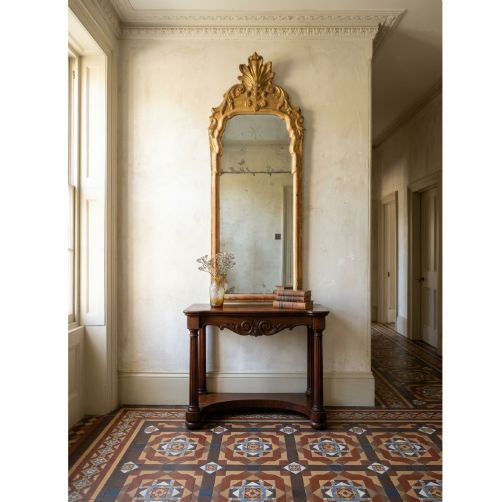
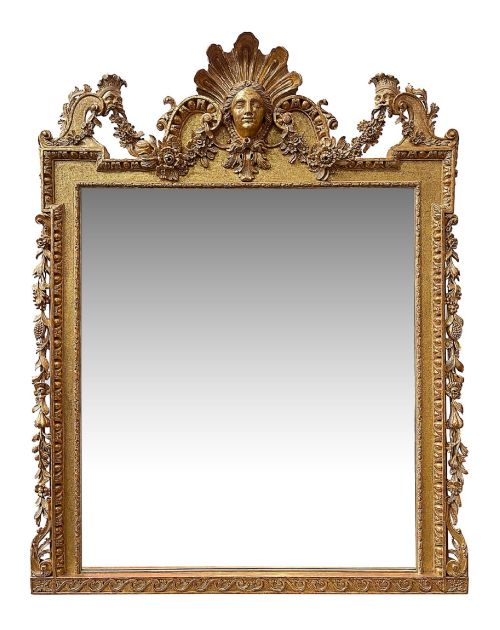
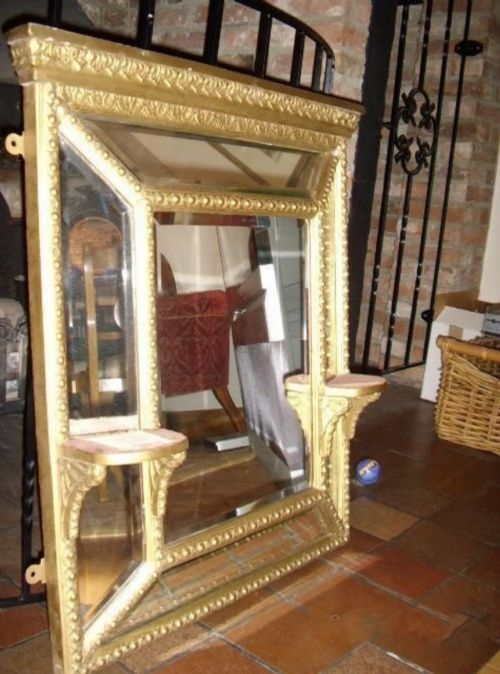
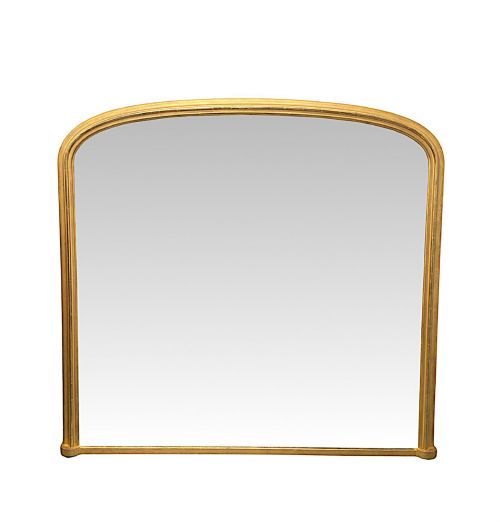
Antique Giltwood Glass
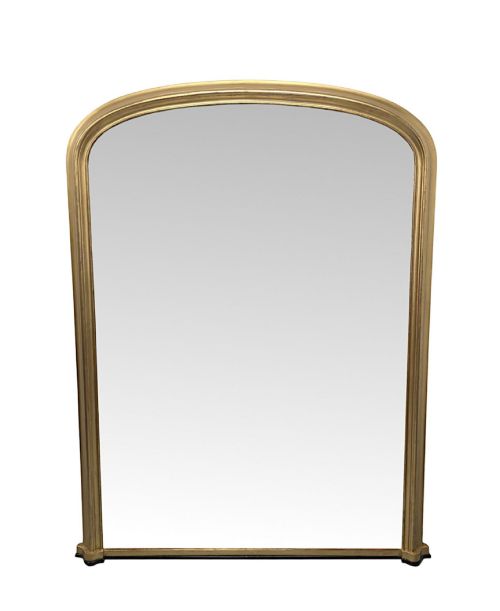
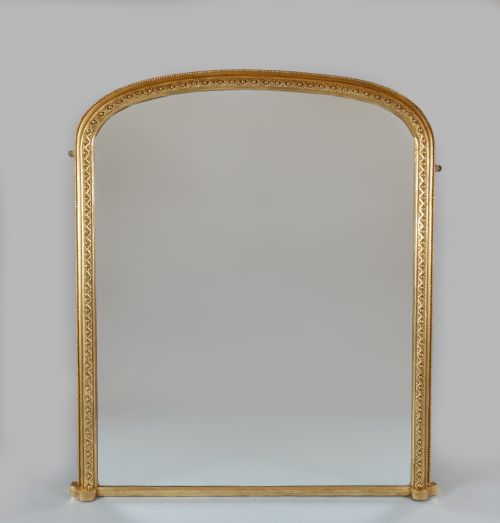
Antique giltwood glass brings warmth and historic presence to a room through carved timber frames finished in gold leaf.
Antique Giltwood Glass
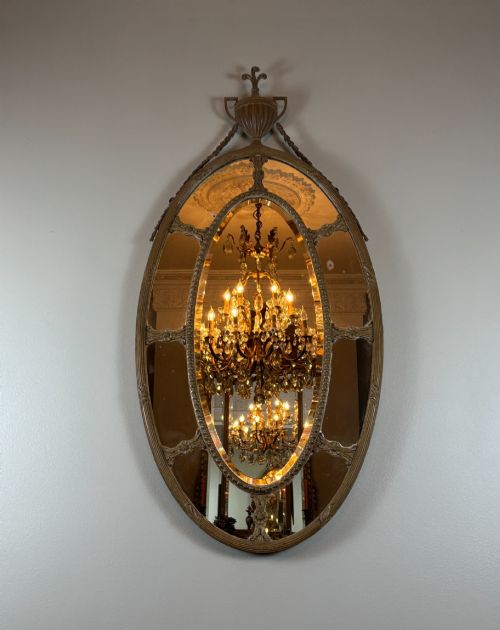
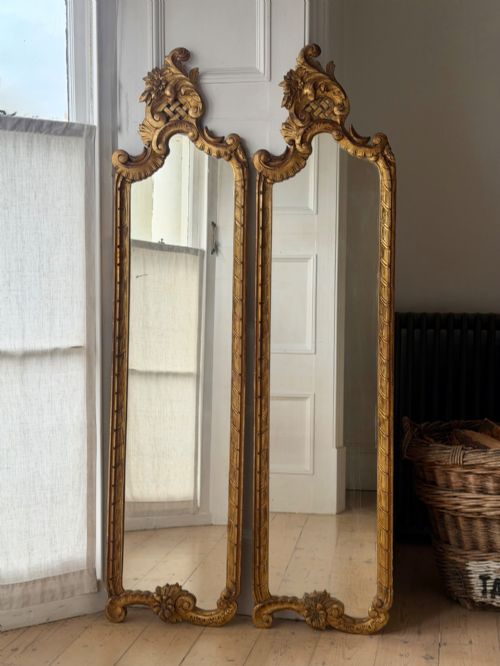
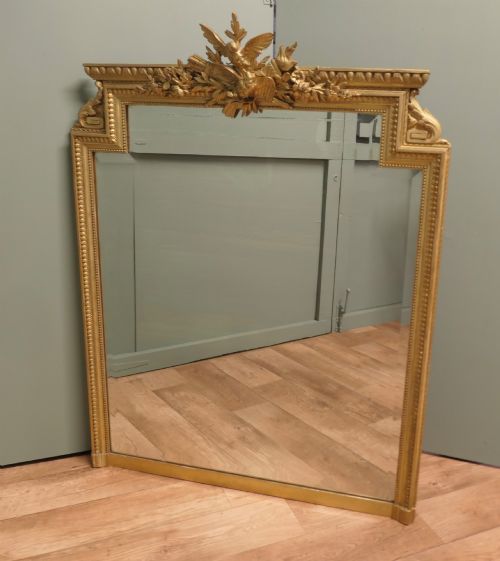
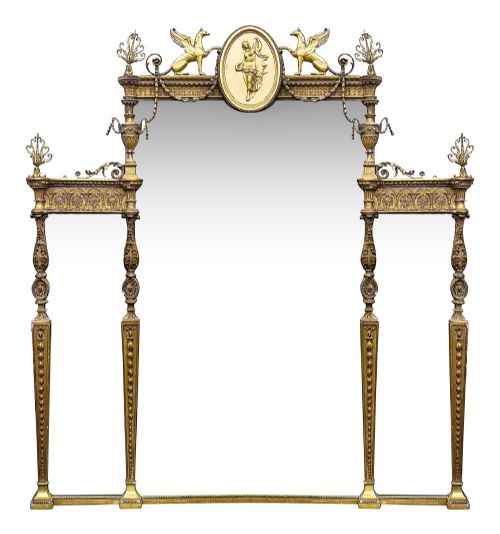
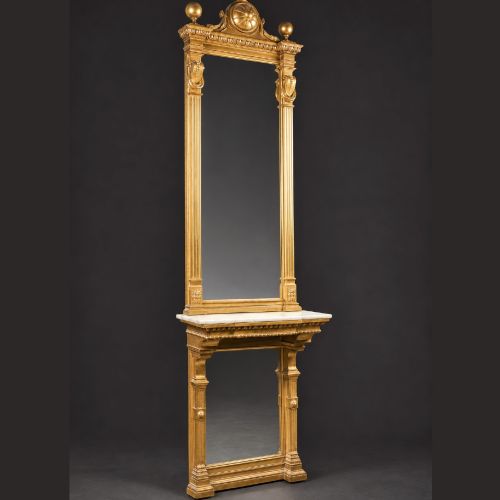
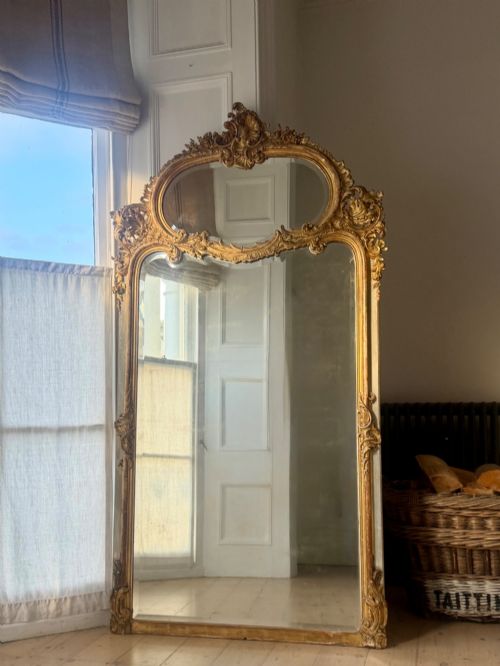
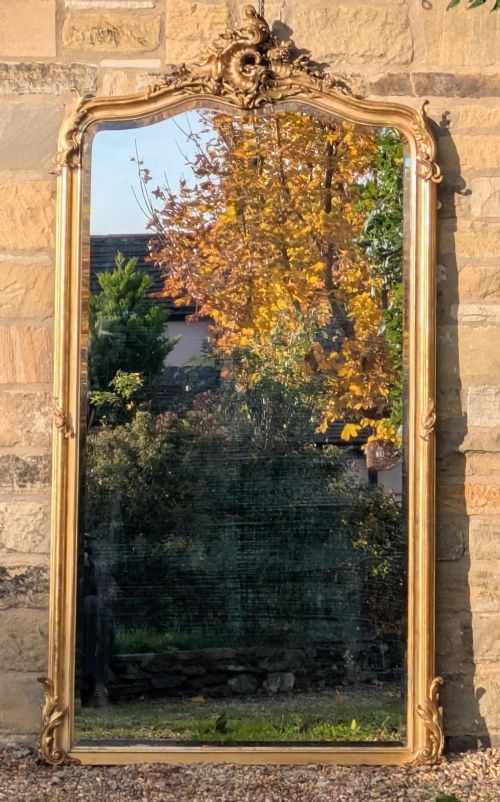
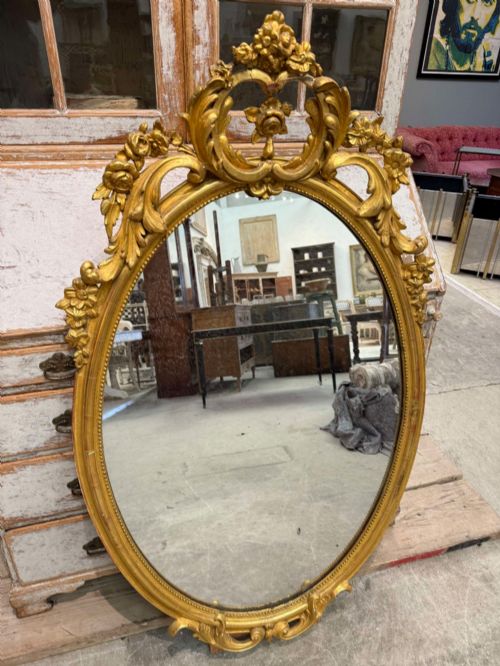
When you search for antique giltwood glass, you encounter wall mirrors, overmantel mirrors, and console tables dating primarily from the eighteenth and nineteenth centuries. These items range from small Georgian oval wall pieces to monumental country house overmantels designed to anchor a formal interior.
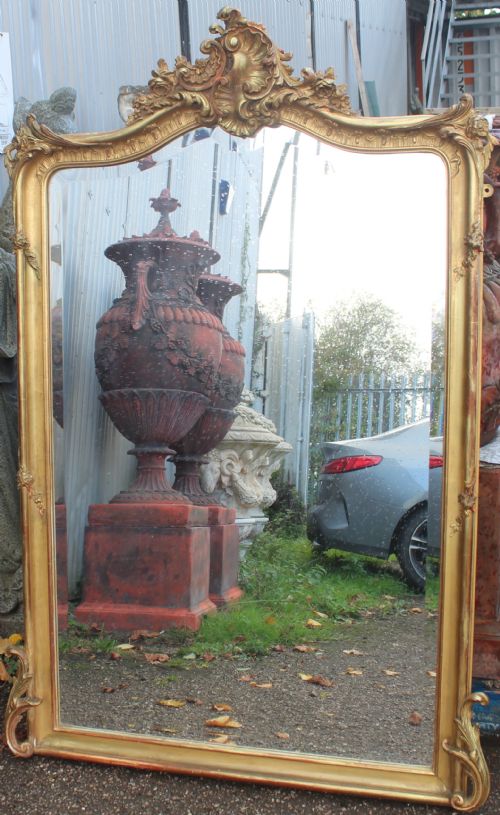
French examples include Louis Philippe and Napoleon III designs, often featuring arched crests, pastoral oil paintings, or foxed mercury glass plates. English Regency and Victorian pieces bring architectural weight through rope twist frames, urn top pediments, and giltwood pier mirrors.
How they were made
Carved wooden frames provide the structural foundation, utilising timber such as mahogany or painted wood beneath the decorative surface. Artisans applied layers of gesso to the carved wood to create a smooth bed for subsequent gilding.
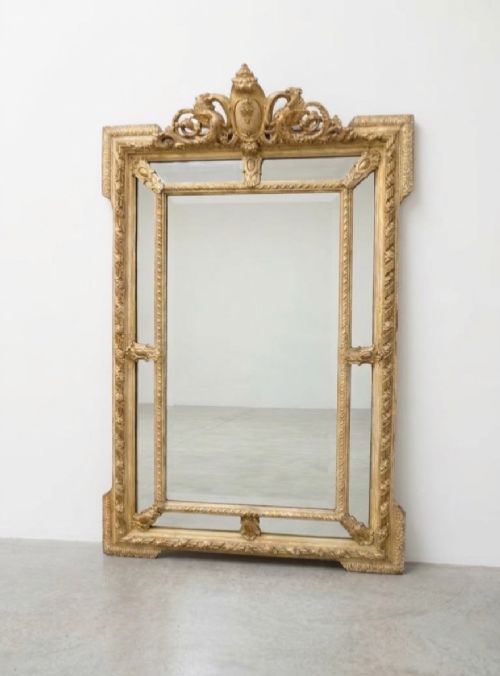
Gold leaf or composition metal was then laid over the prepared ground, sometimes combined with etched glass, eglomise panels, or original silvered mirror plates. Frames frequently incorporate elaborate crests and pierced foliage carved directly into the timber or built up in gesso.
Antique Giltwood Glass Retail Price Guide 2026
Typical asking prices for giltwood glass among the pieces listed under this phrase on Sellingantiques today, from the lower quarter to the upper quarter. They describe what is for sale here now, not the wider market.
Listings feature eighteenth and nineteenth century periods, spanning Georgian, Regency, Victorian, and French neoclassical styles in giltwood, gesso, and glass.
What varies in quality
The crispness of the carved detail defines the upper tier of these pieces, where floral motifs and mythological carvings retain sharp edges beneath the gilding. Heavier frames with substantial timber construction and well-preserved gold leaf demonstrate superior workshop execution.
The character of the glass plate also separates standard examples from exceptional ones, particularly when retaining original mercury silvering or subtle foxing. Frames that maintain their original gesso build-up without heavy modern over-painting hold greater visual integrity.
The Antique Giltwood Glass Glossary
- Giltwood
- Timber decorated with gold leaf applied over a prepared gesso ground. This finish gives the frame its characteristic metallic lustre and warmth.
- Gesso
- A mixture of plaster of Paris and glue used to coat carved wood surfaces. It provides a smooth base for subsequent gilding and detailed moulding.
- Overmantel mirror
- A large horizontal looking glass designed to hang above a fireplace mantel. These pieces often feature elaborate crests to fill tall wall spaces.
- Mercury glass
- Mirror glass produced using a tin and mercury amalgam before twentieth-century silvering techniques. It typically exhibits soft foxing and deep reflection.
- Trumeau mirror
- A decorative wall mirror incorporating a painted panel or oil scene above the glass plate. Originating in France, these pieces served as permanent architectural fittings.
Antique Giltwood Glass: Frequently Asked Questions
How do I clean antique giltwood frames safely?
Dust the carved surfaces gently with a soft dry brush to remove particles without disturbing the gold leaf. Avoid liquid cleaners or chemical agents that can strip the fragile gilt finish.
Take care around areas where the gesso has aged or cracked. Professional conservation is advisable if the gilding shows active flaking.
What is foxed mercury glass?
Foxing refers to the dark spots and mottled patches that develop within older mercury glass plates over decades of oxidation. This chemical ageing creates a cloudy, atmospheric reflection unique to early mirrors.
Collectors prize authentic foxing as evidence of age rather than a defect. It distinguishes historic glass from modern replacement plates.
Where should I hang an overmantel mirror?
These large horizontal mirrors fit naturally above a fireplace mantel to reflect light and anchor the room's proportions. They also function effectively on main reception room walls opposite windows.
Ensure the wall construction and fixings can support the substantial weight of carved timber and glass. Heavy country house pieces require secure load-bearing brackets.
How do I distinguish Regency from Victorian styles?
Regency frames often draw on neoclassical restraint, featuring clean architectural lines, rope twist details, and classical motifs. Victorian pieces tend toward heavier ornamentation, incorporating elaborate Rococo revival curves and prominent crests.
Examination of the underlying timber and construction joints helps confirm the period. Regency work typically displays lighter proportions than later Victorian production.