


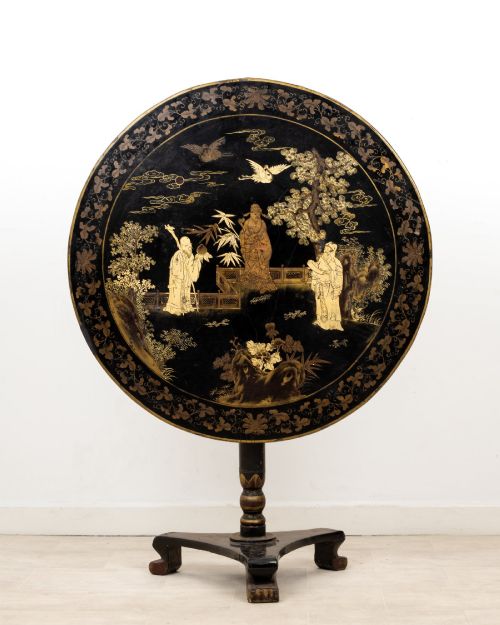
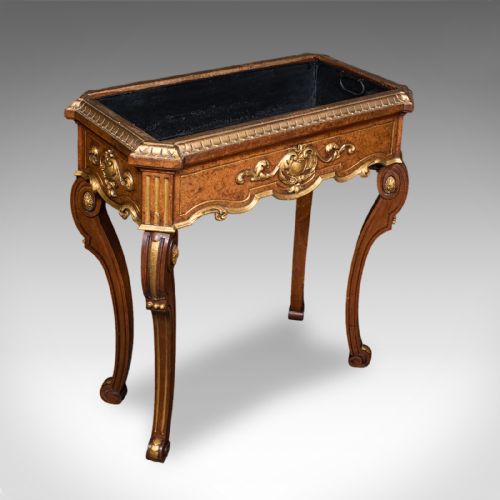
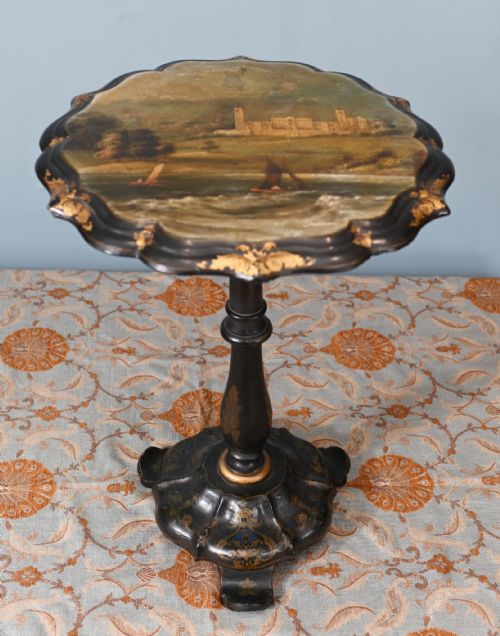
Antique Gilt Wine Table
An antique gilt wine table brings a touch of continental elegance to a corner, designed to hold a glass or decanter with polished grace.
Antique Gilt Wine Table
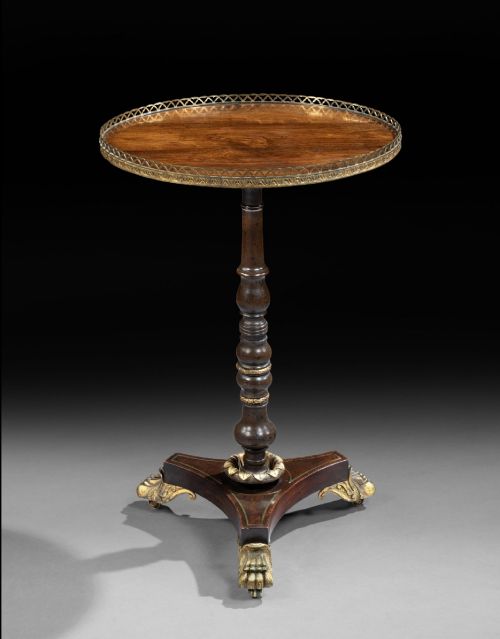
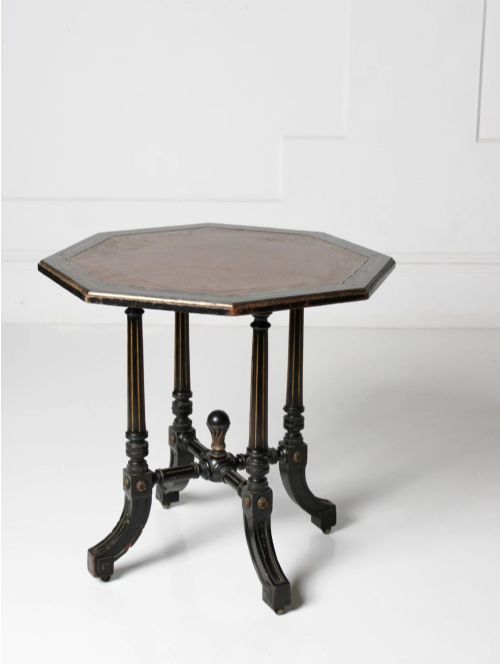
When searching for an antique gilt wine table, you encounter compact circular stands, tripod supports, and tilt-top designs created for social gatherings and private parlours. These tables appear across multiple periods, most notably through nineteenth-century French and English workshop traditions, alongside Regency and Victorian interpretations.
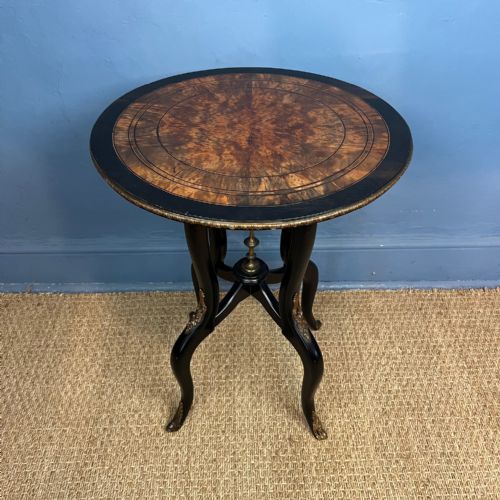
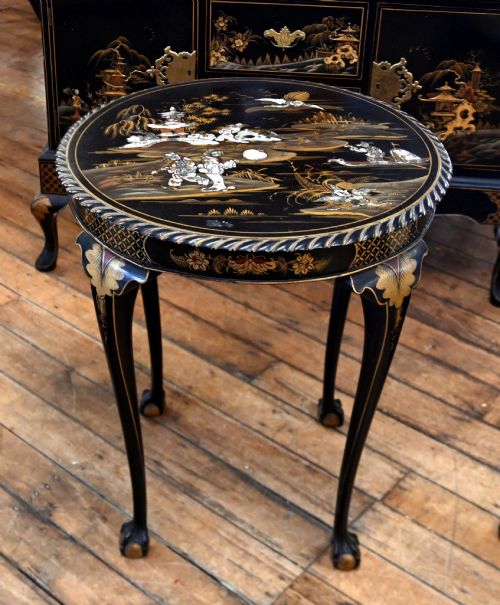
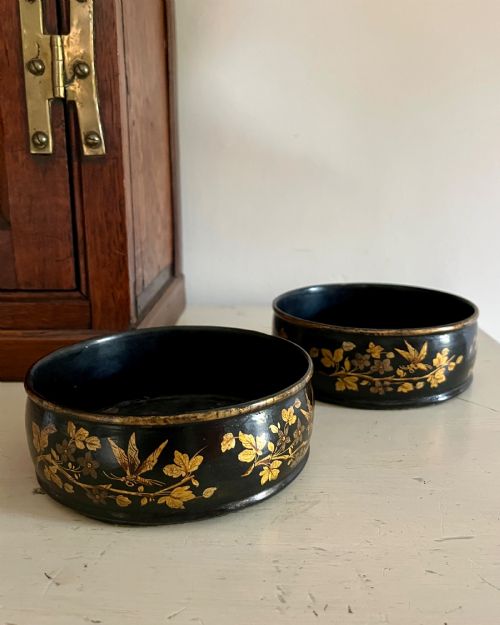
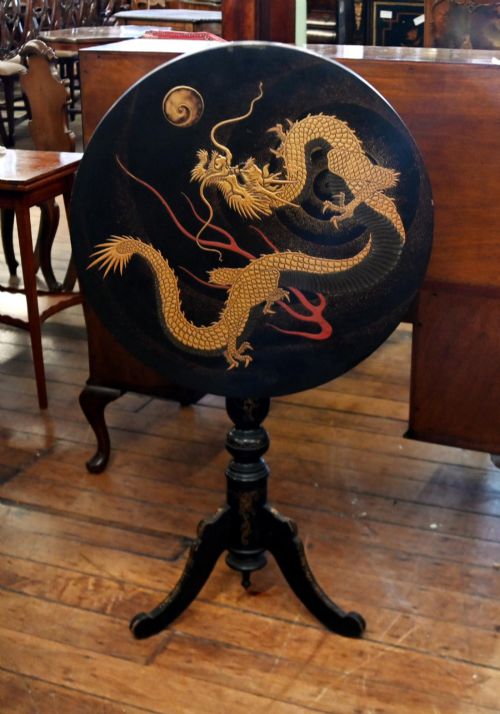
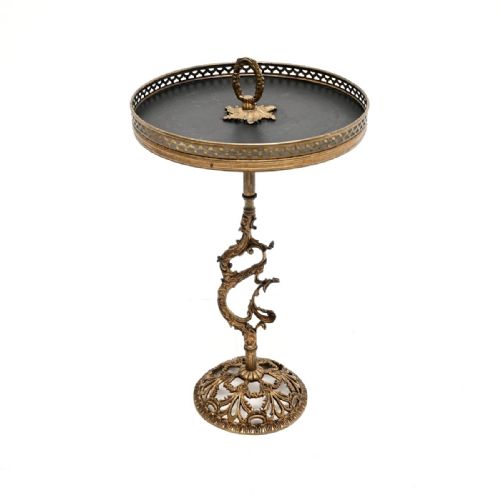
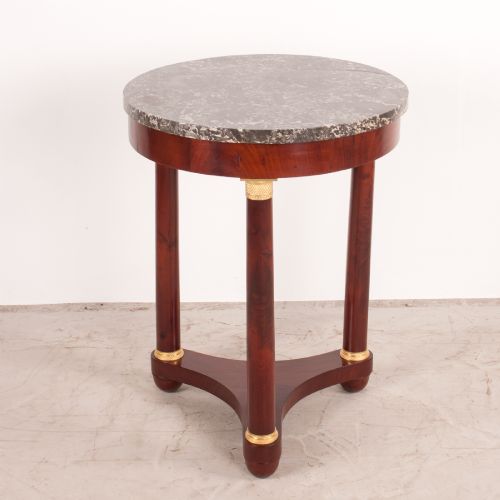
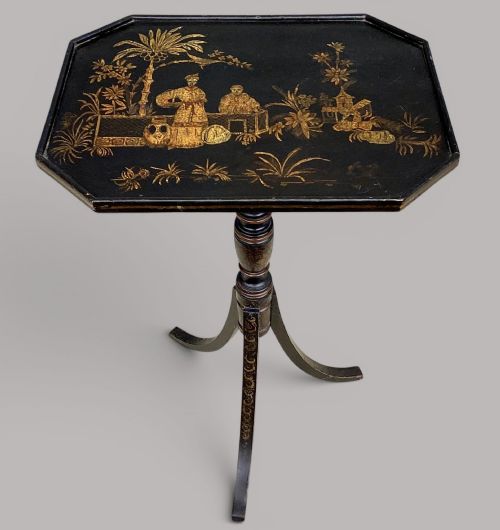
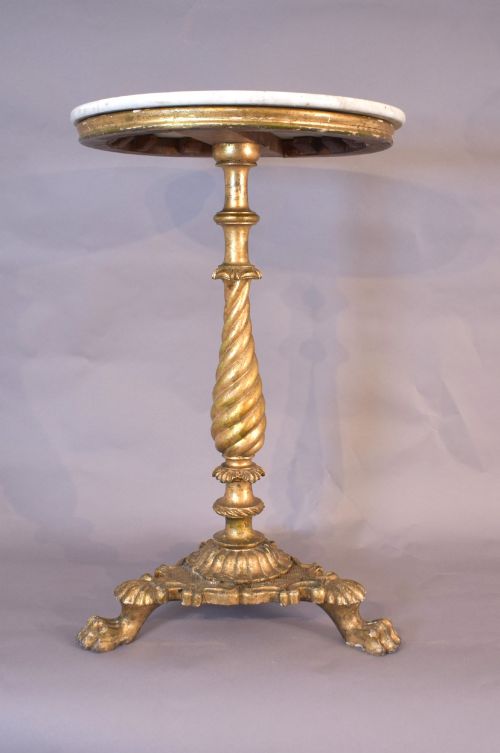
The forms vary from small pedestal tables to lacquer and chinoiserie occasional stands featuring gilded highlights, parcel-gilt details, or full gold leaf applications. Buyers often find guéridons and small side supports carrying marble tops, onyx inserts, or wooden surfaces designed for intimate domestic use.
Materials and construction methods
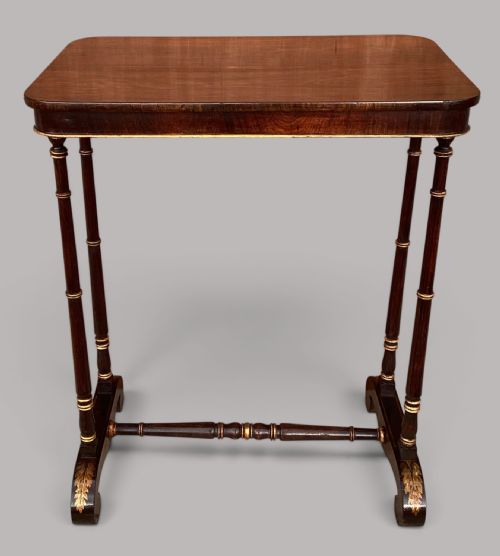
Cabinetmakers utilised hardwoods such as mahogany, walnut, rosewood, and amboyna as foundational structures, applying gold leaf, paint, or japanning to enrich the surfaces. Ormolu and gilt-bronze mounts provided structural accents and decorative borders around tabletops and column supports.
Surfaces frequently integrated inset marble, specimen stone, or leather panels, held together by traditional joinery and supported by tripartite or central pedestal bases.
Antique Gilt Wine Table Retail Price Guide 2026
Typical asking prices for gilt wine table among the pieces listed under this phrase on Sellingantiques today, from the lower quarter to the upper quarter. They describe what is for sale here now, not the wider market.
Current listings feature nineteenth-century French and English pieces utilising mahogany, marble, ormolu, and lacquer.
Evaluating craftsmanship and execution
The distinction between standard production and superior craftsmanship lies in the depth of hand-carving, the precision of the gilt application, and the quality of the underlying timber. Finely cast ormolu mounts and authentic fire-gilding demonstrate a higher standard of workshop execution than later applied metallic paints.
Proportion and stability define better examples, where turned columns and tripod legs align harmoniously without relying on excessive structural reinforcement.
George Bullock·Gillows·Linke·Zwiener Jansen Sucesseur·James Deakin & Sons
The Antique Gilt Wine Table Glossary
- Guéridon
- A small French occasional table, frequently round and supported by a central pillar or tripod base. These tables often feature marble tops and gilt bronze mounts.
- Ormolu
- Gilded bronze or brass applied as decorative mounts on furniture. It provides metallic contrast against dark woods and painted surfaces.
- Chinoiserie
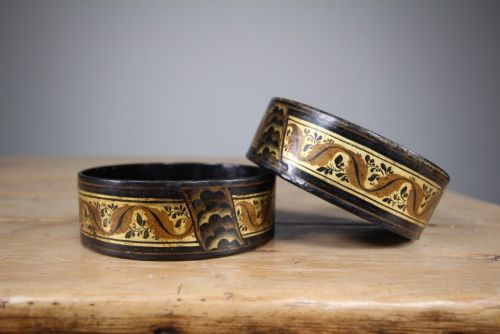
- European artistic interpretation of Chinese and East Asian motifs. It typically involves lacquered finishes and hand-painted figures in gold on dark grounds.
- Japanning
- A type of European finish that emulates East Asian lacquerware. It involves layered varnishes and heat-cured paints, often decorated with raised gilt details.
- Tilt-top table
- A small table with a hinged mechanism allowing the surface to fold vertical when not in use. This design saved space in period drawing rooms.
Antique Gilt Wine Table: Frequently Asked Questions
What was an antique gilt wine table used for?
These tables served primarily in formal rooms to hold wine glasses, coasters, or small decanters during social visits. Their compact footprint allowed servants to move them easily around a drawing room as needed.
Over time, their roles expanded into general occasional use, acting as lamp stands, display surfaces, or decorative accents in boudoirs and hallways.
How do I distinguish French styles from English ones?
French pieces, particularly those following Louis XV or Empire designs, tend to feature elaborate ormolu mounts, marble tops, and curved cabriole legs. English examples from the Regency period often lean toward clean architectural lines, rosewood or mahogany veneers, and parcel-gilt Chinoiserie decoration.
Examining the secondary timbers beneath the veneers and the specific casting quality of the metal mounts usually clarifies the origin of the piece.
Where should I place a wine table in a modern home?
A wine table fits well beside an armchair or sofa where surface space is needed for a cup or glass. Because of their small diameters, they occupy tight corners and dead spaces without crowding a room.
Avoid placing them in direct sunlight or damp areas to protect vulnerable gilt surfaces, lacquer finishes, and wood veneers.