

Antique Gilt Table Centerpiece
An antique gilt table centerpiece commands attention on a dining table, bringing dramatic metallic presence and period craft to the room.
Antique Gilt Table Centerpiece
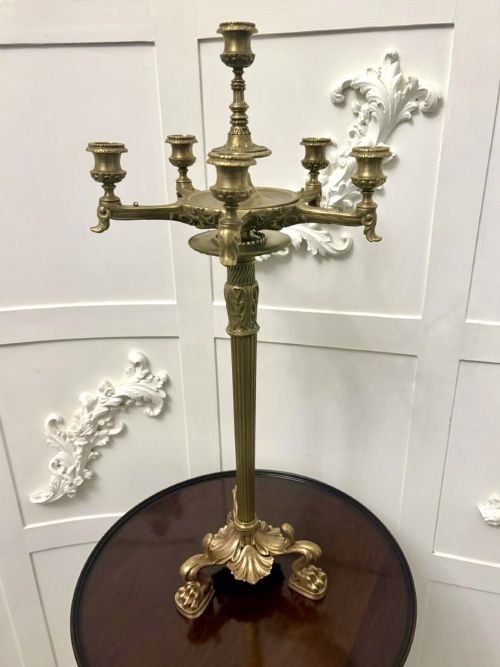
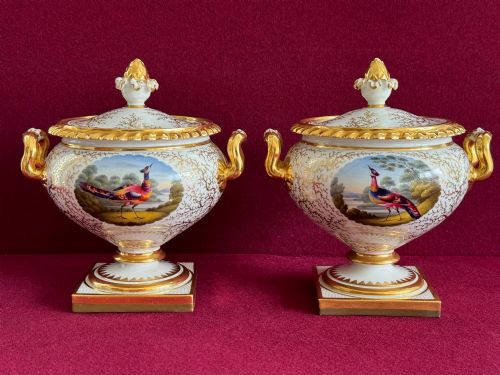
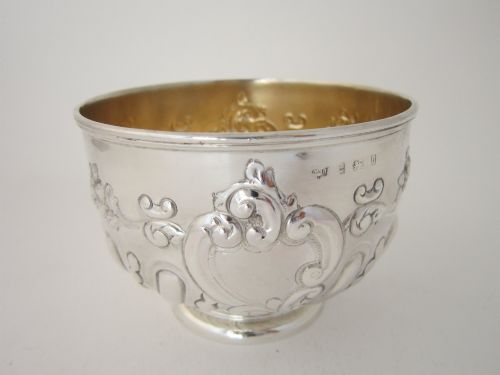
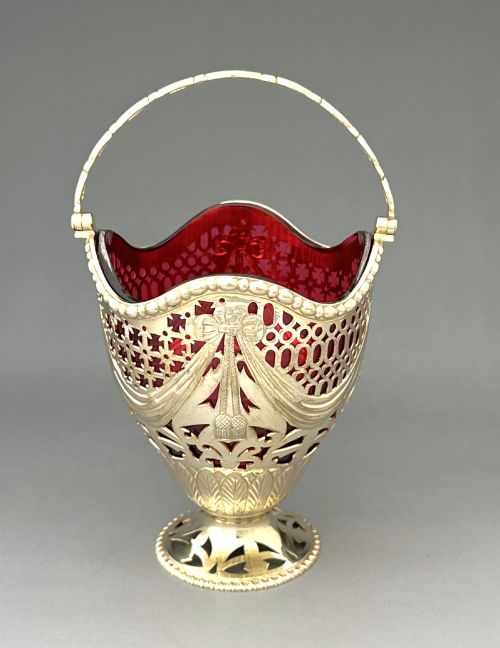
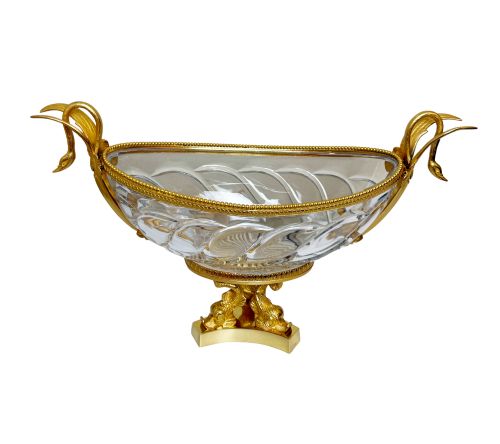
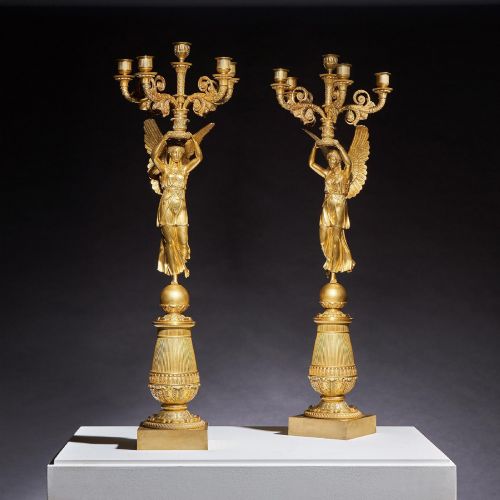
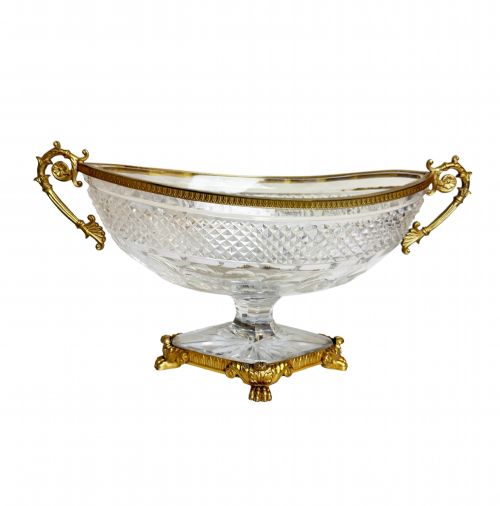
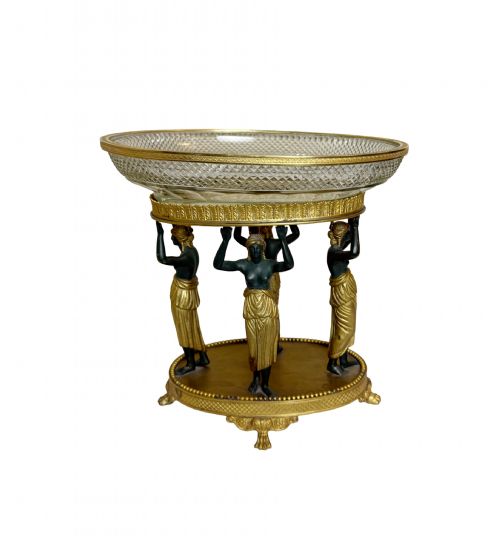
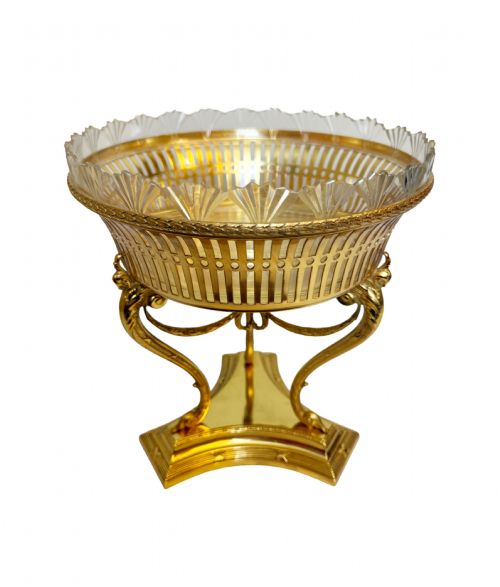
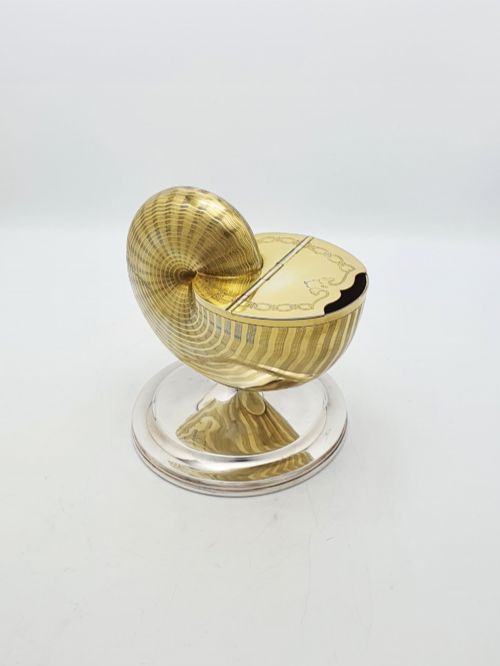
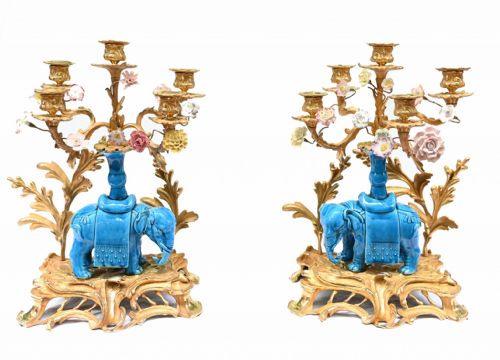
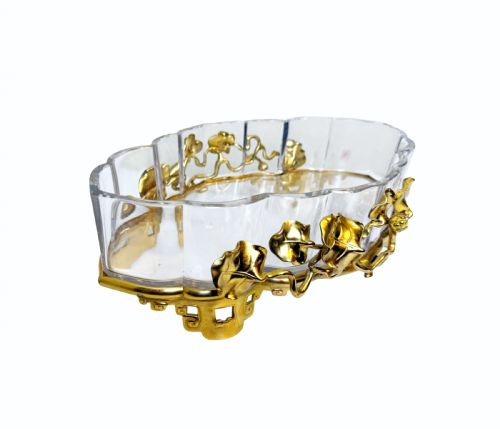
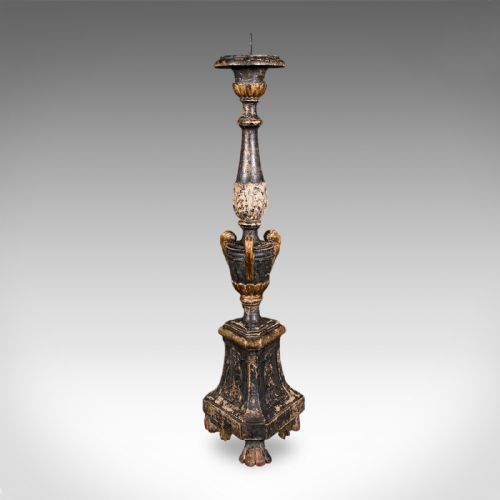
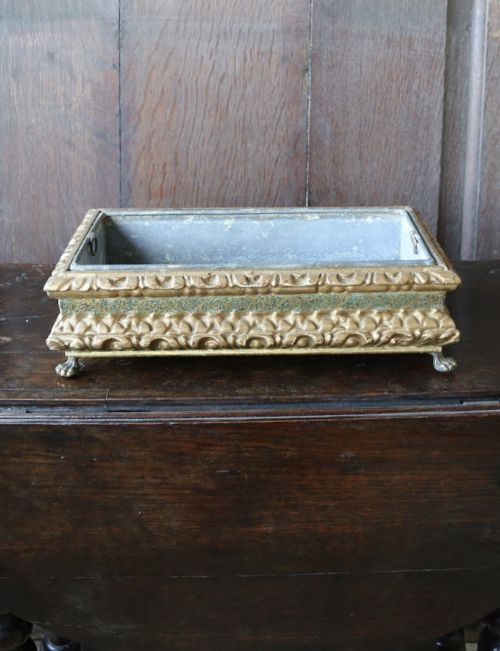
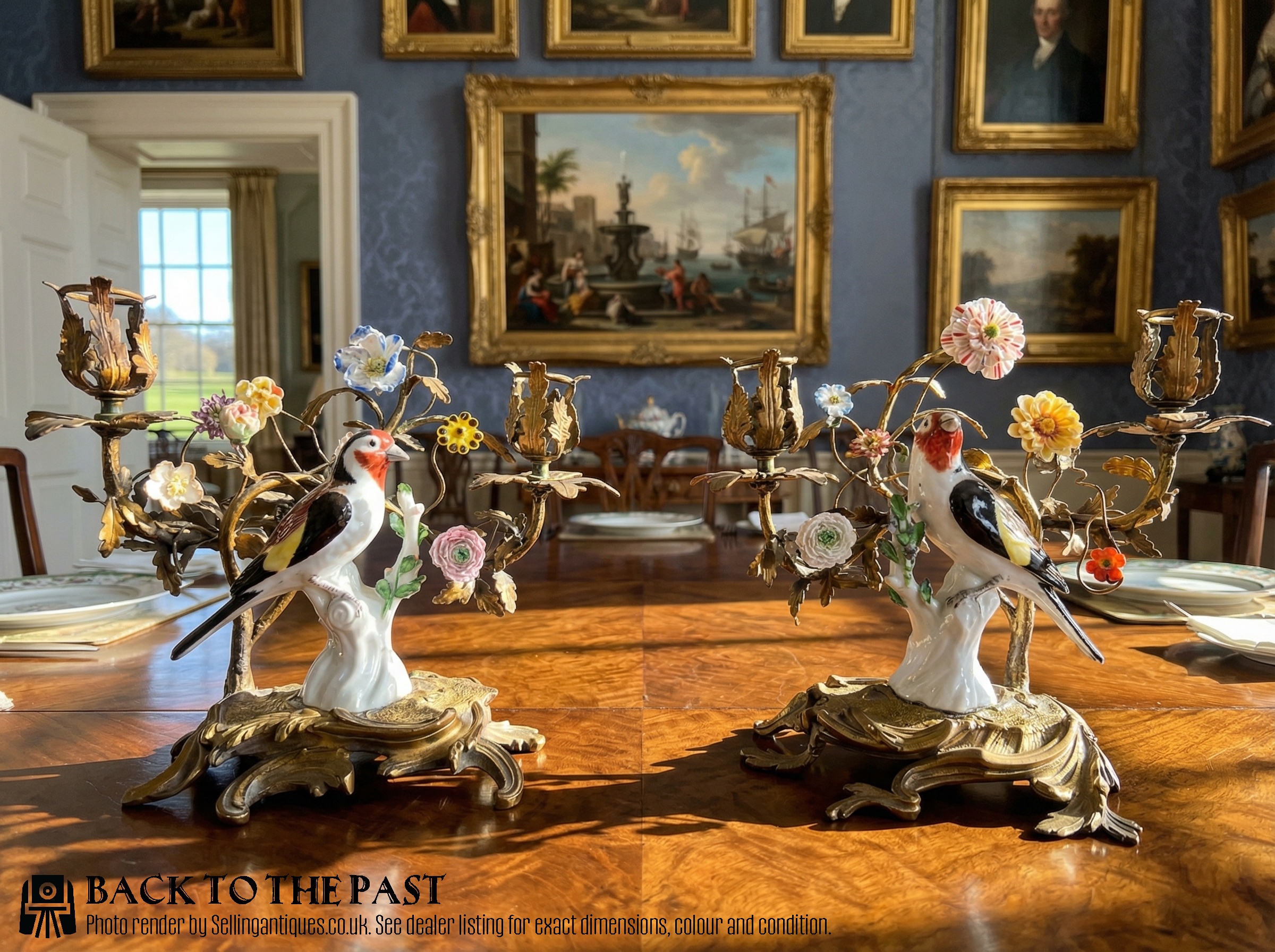
An antique gilt table centerpiece forms the decorative focus of a dining table or sideboard, appearing in forms such as large bowls, tazzas, epergnes, and candelabra stands. You will most frequently encounter nineteenth-century French and English pieces combining gilt bronze, ormolu, or silver gilt with cut crystal glass inserts.
The objects serve varied functions across dining history, holding fruit, flowers, sweetmeats, or providing illumination through integrated candle branches. Their styles span French Empire, Rococo Revival, Neoclassical, and Regency, reflecting the changing tastes of nineteenth-century interiors.
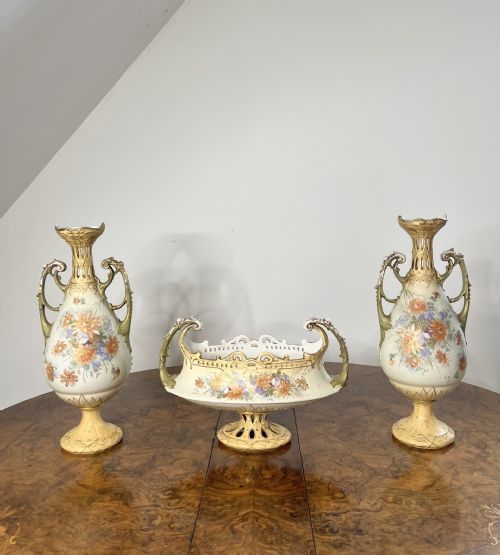
Makers and factories across Europe produced these works, utilising precious metal applications over bronze, brass, porcelain, and marble bases. These ornamental arrangements transform ordinary dining spaces by introducing reflective metallic surfaces and sculptural figures.
Materials and construction methods
Gilt bronze and ormolu form the structural and decorative framework of many examples, created through mercury gilding or gold leaf application over cast metal. Artisans carved intricate details into the bronze before applying the gold finish to achieve lasting brilliance.
Cut crystal glass and porcelain inserts provide contrasting textures, held securely within metal frames, bowls, or basket mounts. Silver plating and Old Sheffield plating techniques appear on alternative pieces, utilising thin sheets of silver fused to base metals.
Marble and onyx bases frequently anchor heavier candelabra and centrepiece structures, providing stable weight and contrasting colour. Joinery involves threaded rods, pins, and precise casting fits to assemble complex multi-part objects.
Listings feature items from the eighteenth, nineteenth, and early twentieth centuries, utilising gilt bronze, ormolu, porcelain, crystal, and silver plate.
Assessing quality in gilt centrepieces
The integrity and weight of the gilt surface reveal the initial cost of manufacture and the skill of the guilder. Thick, even ormolu or gold leaf layers withstand handling and cleaning better than thin, worn washes.
The harmony of mixed materials determines the overall distinction of the object, particularly where cut crystal, porcelain, or marble meet metal mounts. Fine pieces display tight tolerances in assembly without visible gaps or mismatched components.
Pierre Philippe Thomire·Doulton Burslem·Royal Vienna·George Fox·Royal Crown Derby·Meissen·Sevres
The Antique Gilt Table Centerpiece Glossary
- Ormolu
- Gilded bronze produced by applying a mercury and gold amalgam to a bronze object and heating it until the mercury vaporised. This historic French technique produces a distinctive warm, satin gold finish.
- Tazza
- A shallow bowl or dish mounted on a pedestal foot, used historically for serving small portions of food. These items often feature decorative handles, cast mounts, and glass or porcelain liners.
- Epergne
- An elaborate table centrepiece featuring a central basket surrounded by smaller hanging baskets or arms. They function as dramatic centerpieces for fruit or floral displays.
- Candelabra
- A branched candlestick holder designed to support multiple candles from a single base. They frequently incorporate figural bronze casting and gilt metal detailing.
- Champlevé
- An enamelling technique where troughs are dug into a metal surface and filled with vitreous enamel powder before firing. This colourful decoration appears on nineteenth-century French trays and centrepiece mounts.
Antique Gilt Table Centerpiece: Frequently Asked Questions
How were antique gilt centerpieces used?
These pieces occupied the middle of large dining tables during formal meals to hold fruit, sweetmeats, or flowers. They added visual height and reflective brilliance to candlelit dinners.
Secondary uses included holding sugar or functioning as ornamental tazzas and compotes for post-dinner courses. Wealthy households displayed them on sideboards when not in active dining use.
What materials make up these centerpieces?
Makers relied on gilt bronze, ormolu, and silver gilt applied to base metals, often combining them with cut crystal glass bowls or porcelain dishes. Marble and onyx frequently provided heavy, decorative bases for candelabra.
Secondary materials included silver plate, carved wood, and enamel work. Each element contributed to the rich, reflective aesthetic of nineteenth-century dining rooms.
How do I clean an antique gilt surface?
Dusting with a soft, dry microfibre cloth removes surface particles without risking the delicate gold leaf or ormolu layer. Avoid commercial liquid metal cleaners, which strip historic gilding from the bronze beneath.
Glass liners and crystal bowls can be removed and washed in warm soapy water separately from the metal frames. Ensure all components dry completely before reassembly to prevent moisture damage.
How can I tell French empire from rococo revival?
French Empire pieces display strict symmetry, classical motifs like laurel wreaths, and restrained military or architectural lines. They date predominantly to the early nineteenth century.
Rococo Revival works feature asymmetrical scrolls, exuberant naturalism with flowers and cherubs, and curving organic forms popular in the mid-to-late nineteenth century.