
Antique Gilt Plates
Antique gilt plates bring together the rich warmth of gold leaf and the refined craft of porcelain, serving dishes, and mirrors.
Antique Gilt Plates
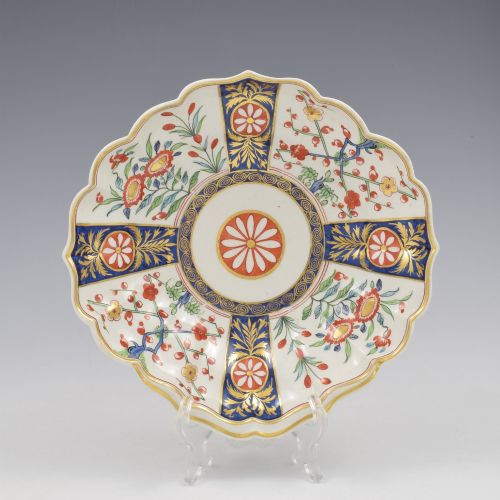
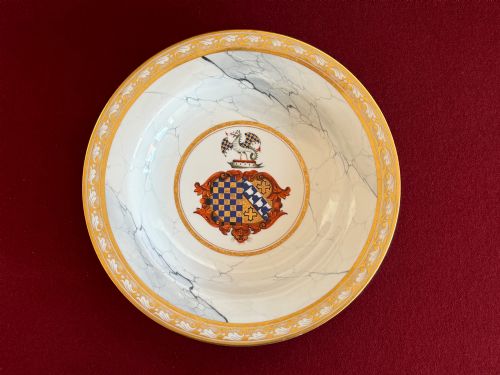
When buyers search for antique gilt plates, they encounter a diverse selection of decorative tableware, cabinet pieces, and serving dishes enriched with gold leaf or gilt ornamentation. These objects span periods from the Georgian and Regency eras through the nineteenth century and into the early twentieth century.
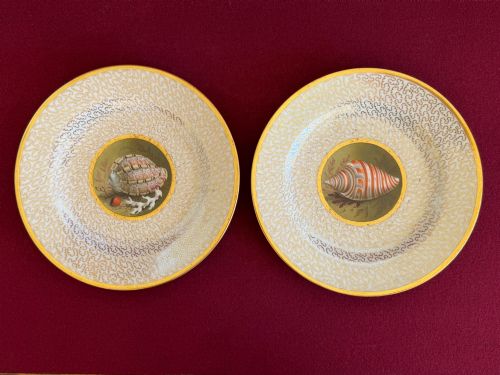
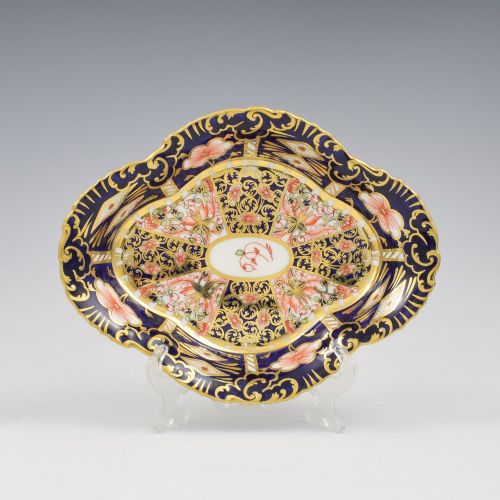
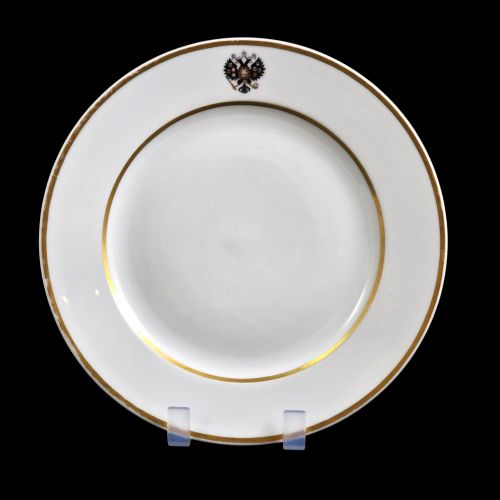
The assortment on this page most frequently includes porcelain cabinet plates, serving dishes, and decorative plates created by notable factories and studios. Alongside ceramic vessels, the listings encompass related items featuring gilt surfaces, reflecting the varied application of gold across decorative arts.
How they were made
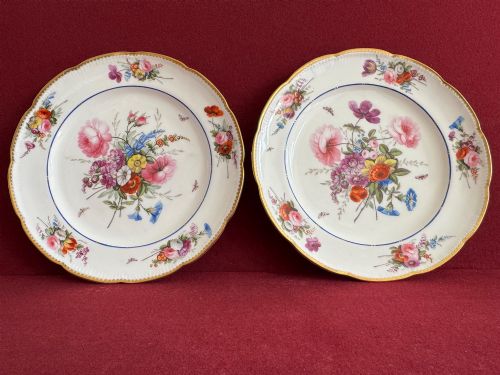
Makers utilised fine porcelain, bone china, and earthenware as foundations, often applying handpainted polychrome scenes, florals, or cobalt grounds before adding gilding. Gold leaf and gold plating provided the luminous metallic borders and highlights characteristic of these decorative objects.
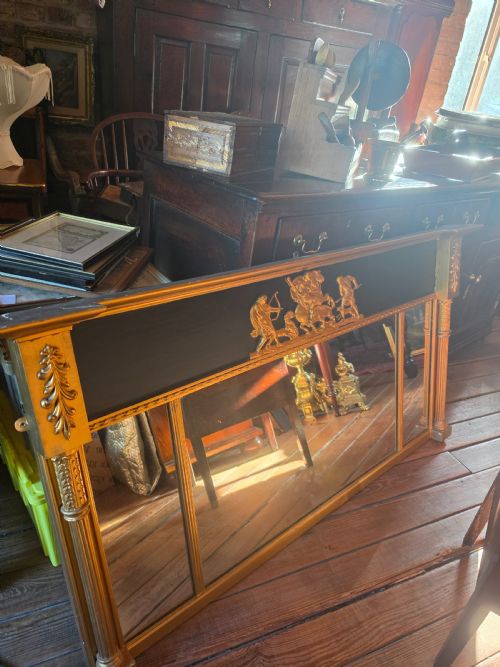
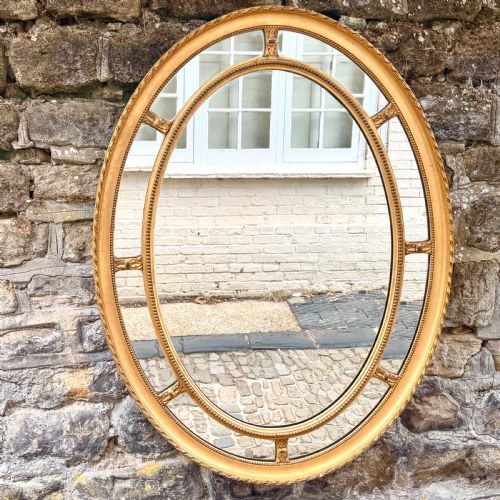
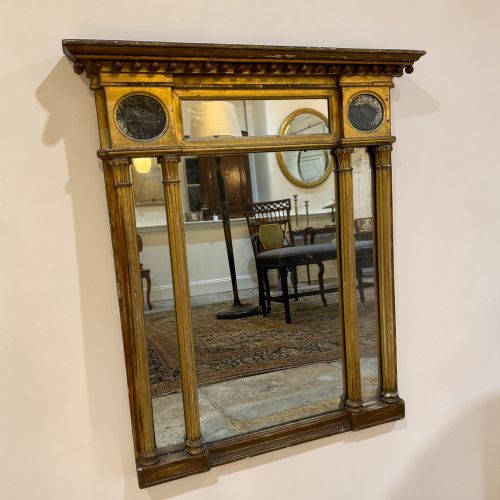
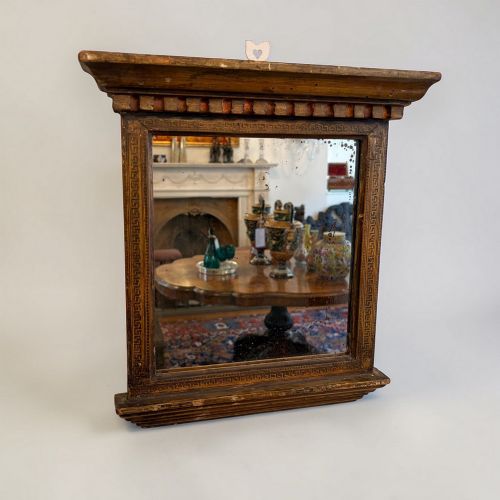
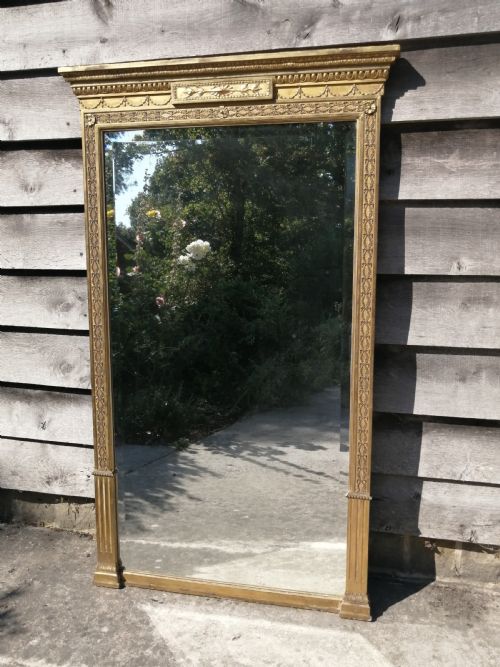
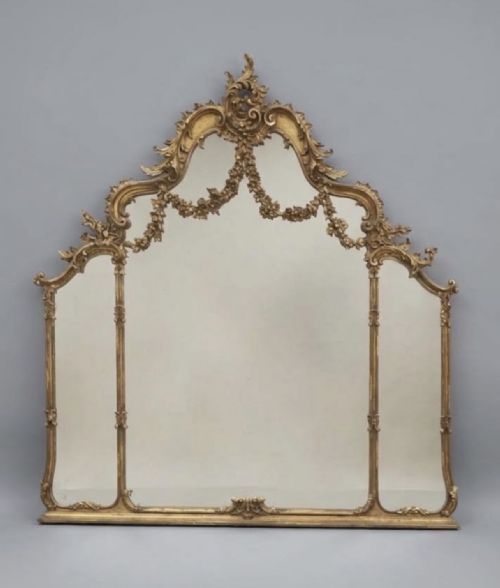
Wooden frames and wall mirrors associated with the broader category relied on gesso, carved giltwood, and mercury glass. Artisans shaped these materials using traditional joinery and carving techniques, then applied layers of gold leaf to achieve a brilliant reflective surface.
A porcelain walking sword stick hides a blade inside nineteenth-century Sevres porcelain sections.
What varies in quality
The standard of a piece depends heavily on the skill of the handpainted decoration and the precision of the gilding. Fine examples display crisp brushwork in floral motifs or portraits, whereas lesser items show hurried execution or standard transfer printing.
Material selection and depth of carving also set the tiers apart. Solid construction in porcelain or carved giltwood, combined with well-preserved original surfaces and distinct factory marks, elevates a piece above standard decorative wares.
Barr, Flight and Barr·Nantgarw·Royal Crown Derby·Imperial Porcelain Factory·Grainger Lee and Co·H and R Daniel·Mappin and Webb
The Antique Gilt Plates Glossary
- Gilt
- Covered thinly with gold leaf or gold paint. This technique adds a reflective metallic finish to ceramics, wood, and metal objects.
- Porcelain
- A white vitrified translucent ceramic material. It forms the durable base for many fine cabinet plates and serving dishes.
- Gesso
- A plaster mixture used as a base for paint or gold leaf on wood frames. It provides a smooth surface for intricate carved details.
- Imari
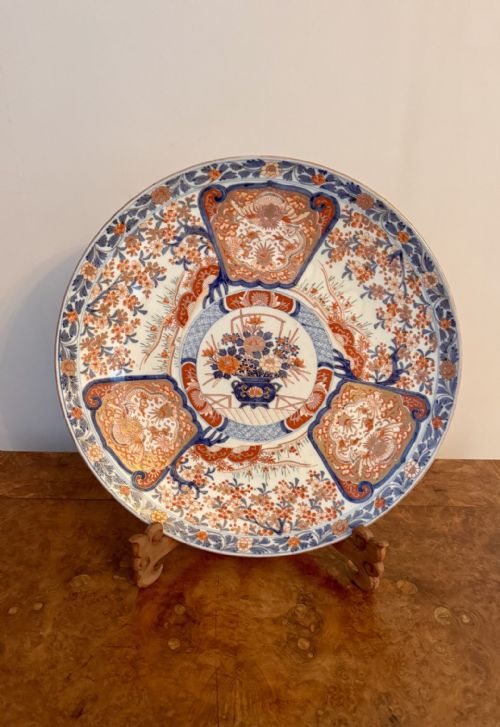
- A style of Japanese export porcelain featuring underglaze blue and iron red with gold accents. European potteries frequently copied these bold patterns.
- Cabinet Plate
- A decorative ceramic plate intended for display rather than dining. These pieces often feature elaborate handpainted scenes and gilt borders.
Antique Gilt Plates: Frequently Asked Questions
How do I display cabinet plates safely?
Cabinet plates look best mounted on sturdy wall hangers or displayed securely in glazed display cabinets. Ensure the mounting hardware supports the weight of the ceramic without putting stress on the edges.
Keep display areas away from direct sunlight to protect handpainted details and gilt highlights from fading over time. Stable indoor humidity also prevents any gradual deterioration of the ceramic body.
Can I use these plates for dining?
Most antique decorative plates are intended for visual appreciation rather than daily meals. The delicate porcelain bodies and fragile surface gilding can easily suffer wear from cutlery and washing.
Reserve these pieces for decorative display on walls, plate racks, or sideboards. Gentle dusting with a soft, dry cloth is sufficient for routine upkeep.
What does parcel gilt mean?
Parcel gilt refers to an object that is only partially gilded, leaving other portions of the primary material exposed. This technique creates a striking contrast between the bright gold sections and the underlying surface.
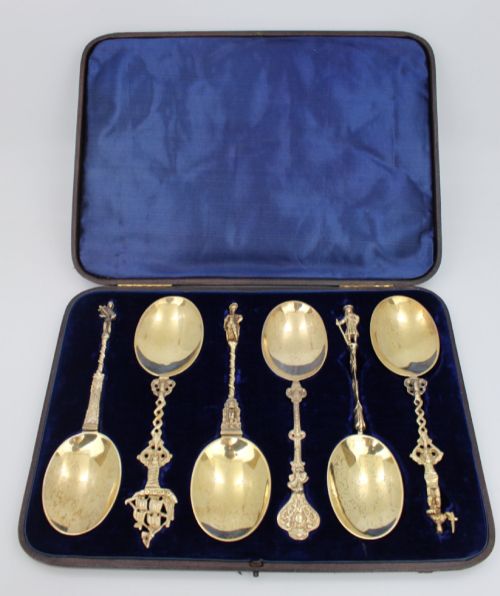
On ceramics, silver, or wood, partial gilding highlights specific decorative motifs or structural borders. It directs the eye to the finest hand-tooled details of the design.
How do I identify the period?
Dating relies on examining factory backstamps, ceramic bodies, and the specific style of decoration. Georgian and Regency pieces often feature distinct handpainted botanical or armorial motifs, while later nineteenth-century items display broader revival styles.
Consulting maker marks alongside known operational dates helps narrow down the decade of production. Stylistic cues such as border patterns and colour palettes also point toward specific manufacturing eras.